Information
Landmark: Emajõgi RiverCity: Tartu
Country: Estonia
Continent: Europe
Emajõgi River, Tartu, Estonia, Europe
Visual Characteristics
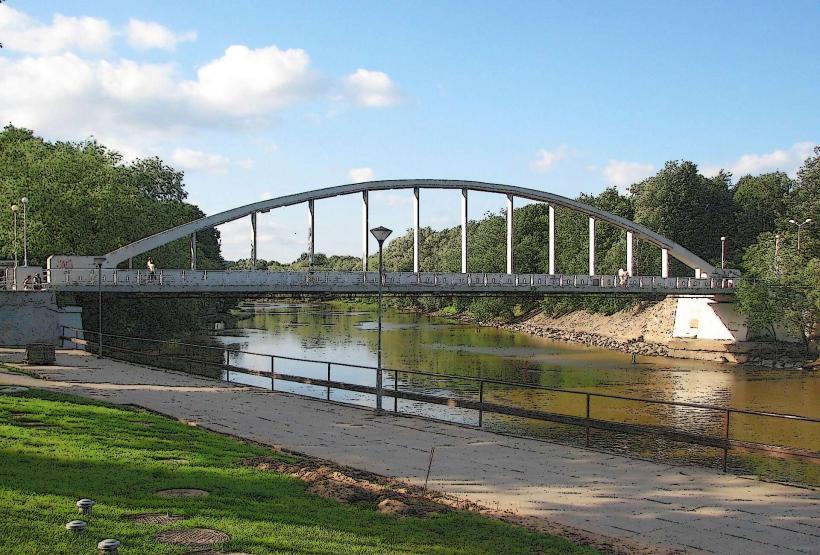
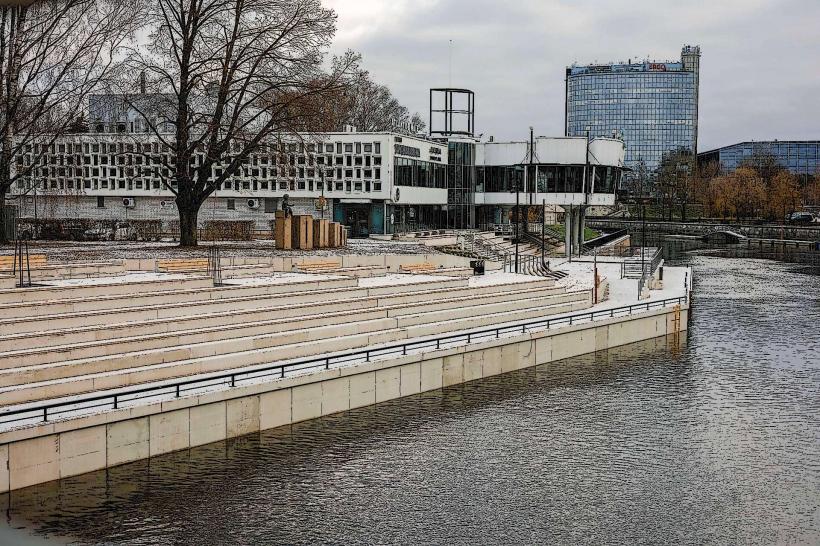
The Emajõgi River's water typically appears brownish-green due to peat content from its basin. Its banks within Tartu are largely urbanized with concrete embankments and promenades, interspersed with areas of natural vegetation including willow and alder trees. The river averages 50-100 meters in width within the city limits.
Location & Access Logistics
The Emajõgi River flows directly through the center of Tartu. Major roads like Riia tänav and Narva maantee cross the river via bridges. Public parking is available in designated zones throughout the city center, with metered street parking and multi-story car parks like Tasku Keskus (0.1km from river). Several bus lines, including routes 1, 3, 5, and 7, have stops adjacent to the riverbanks, such as the "Kaubamaja" or "Atlantis" stops.
Historical & Ecological Origin
The Emajõgi River is a post-glacial river, formed in the depression left by the retreating ice sheets of the last glacial period. It is classified as a lowland river, characterized by a slow current and a relatively shallow depth, typically 2-5 meters. The river's course is largely determined by the topography of the Central Estonian depression.
Key Highlights & Activities
Boating and kayaking are possible along the river, with several rental points operating during warmer months. Fishing is permitted with a valid license. Pedestrian and cycling paths run along both banks, particularly in the city center. River cruises depart from the Atlantis quay during summer.
Infrastructure & Amenities
Public restrooms are available in nearby commercial centers and parks adjacent to the riverbanks. Shade is provided by trees along some sections of the promenade and by structures like bridges. 4G and 5G cellular signal coverage is strong throughout the city section of the river. Numerous cafes, restaurants, and food vendors are located within 50-200 meters of the riverbanks in central Tartu.
Best Time to Visit
The best time to visit for general enjoyment is from May to September, when temperatures are mildest. For photography, early morning or late afternoon light provides optimal conditions, particularly for shots involving the bridges and city architecture. The river's water level is generally stable, not significantly affected by tidal cycles.
Facts & Legends
A local legend suggests that the Emajõgi River, whose name translates to "Mother River," was formed from the tears of a giantess mourning her lost love. A historical oddity is that the river was once a significant trade route, connecting inland Estonia with the Baltic Sea via Lake Peipus, facilitating the Hanseatic League's commerce. A practical tip for visitors is to explore the river by taking the small ferry "Jõmmu," a traditional wooden barge offering tours.
Nearby Landmarks
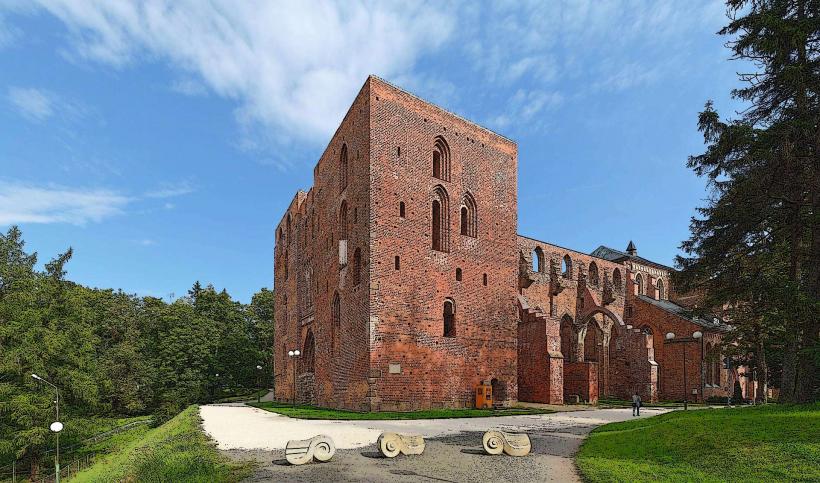
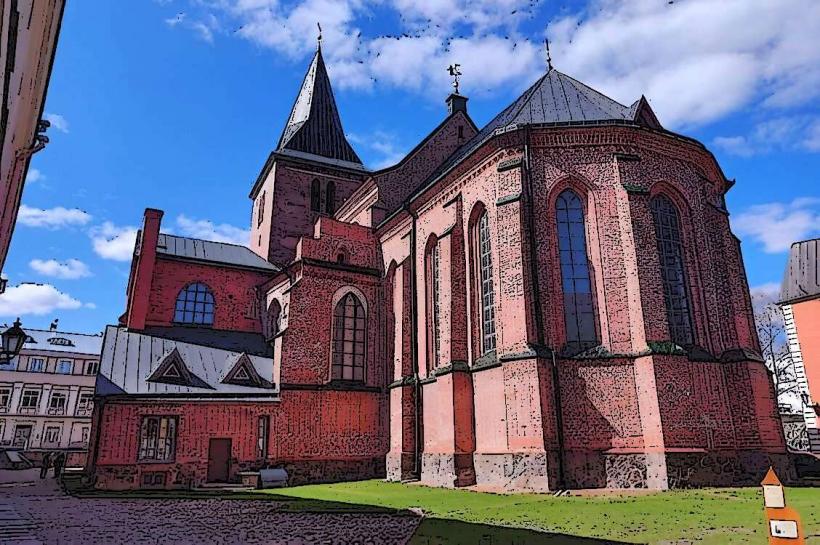
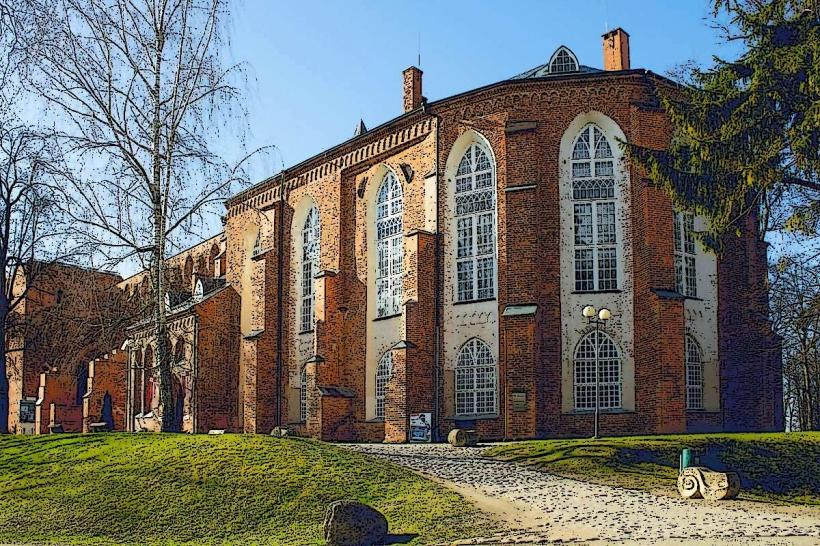
- Tartu Cathedral Ruins: 0.8km West
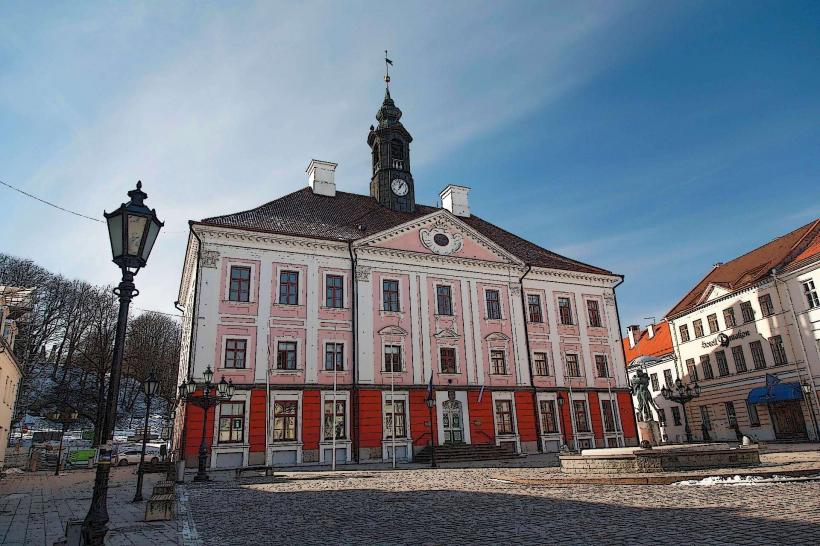
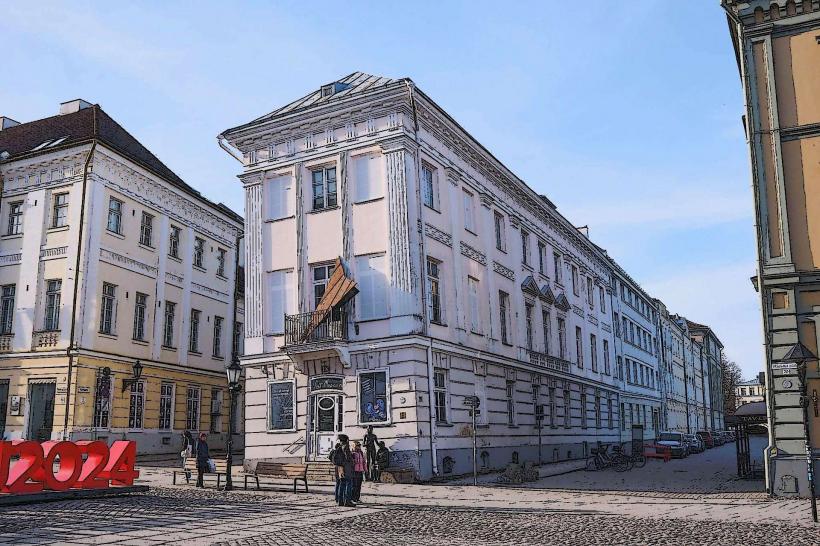
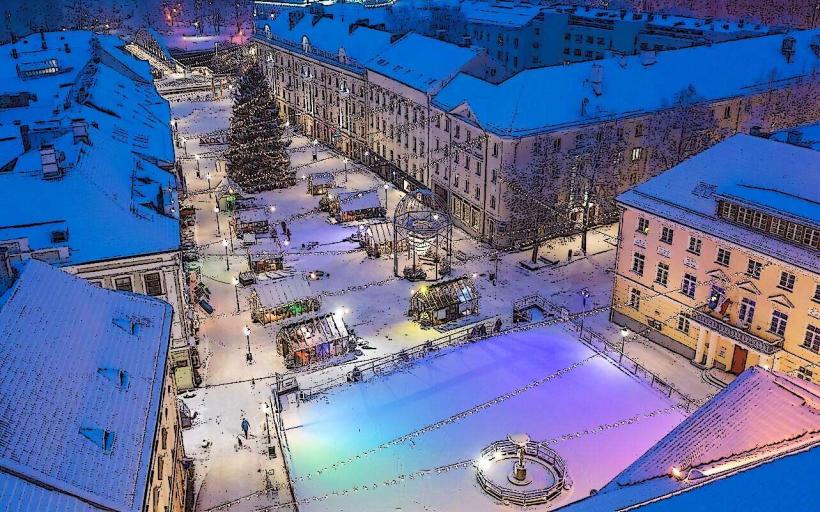
- Tartu Town Hall Square: 0.2km South
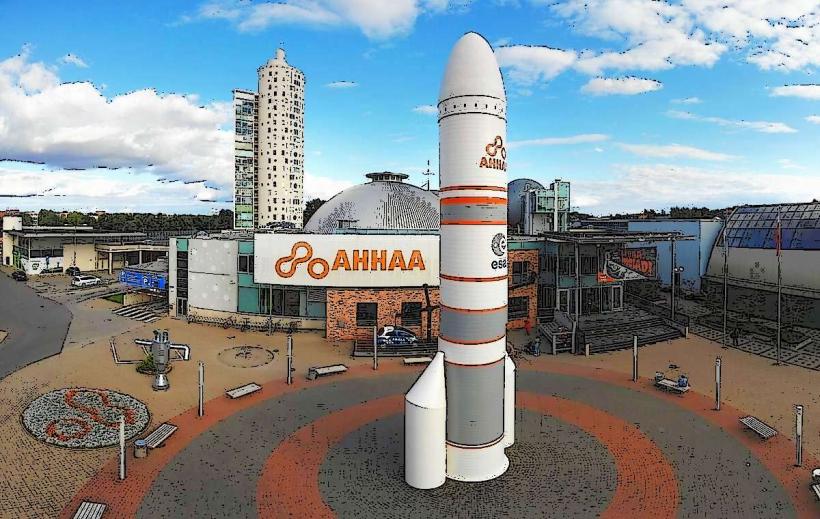
- AHHAA Science Centre: 0.3km East
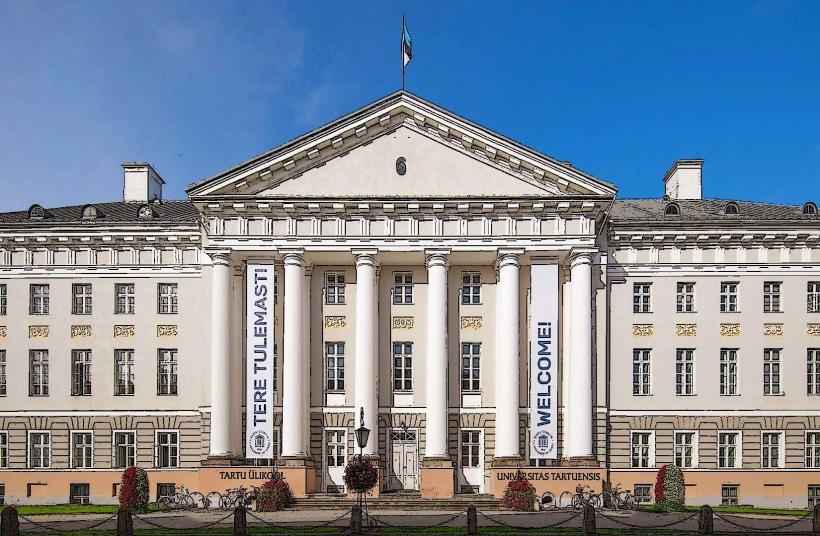
- University of Tartu Main Building: 0.5km Southwest
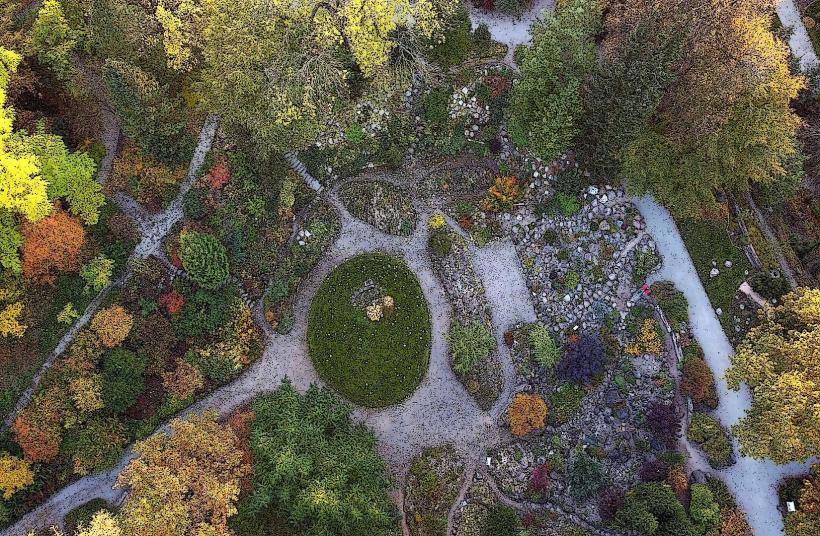
- Botanical Garden of the University of Tartu: 0.7km North