Information
Landmark: Farquhar AtollCity: Outer Islands
Country: Seychelles
Continent: Africa
Farquhar Atoll, Outer Islands, Seychelles, Africa
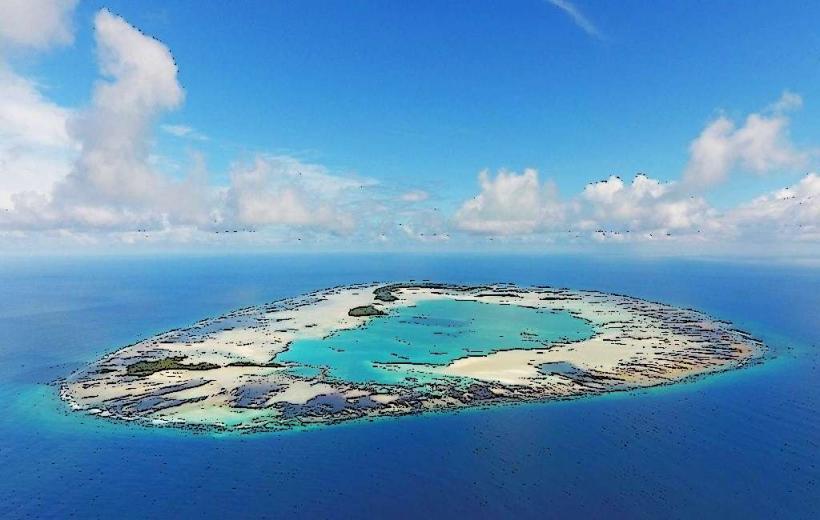
Farquhar Atoll is a coral atoll located in the Outer Islands of Seychelles, approximately 700 kilometers southwest of Mahé.
It comprises a large lagoon surrounded by a ring of islets.
Visual Characteristics
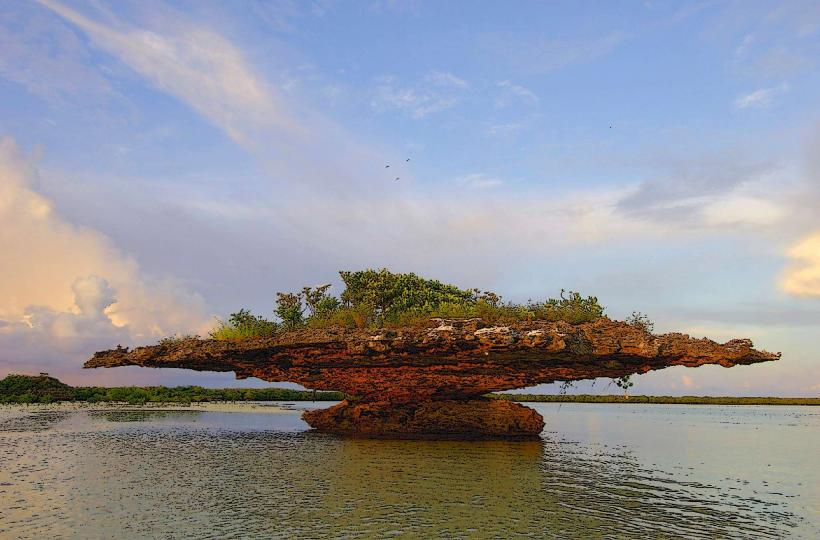
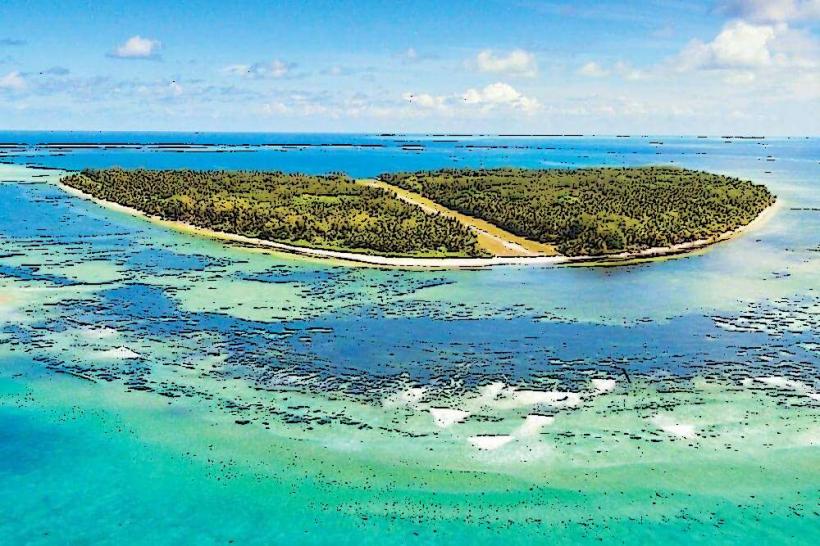
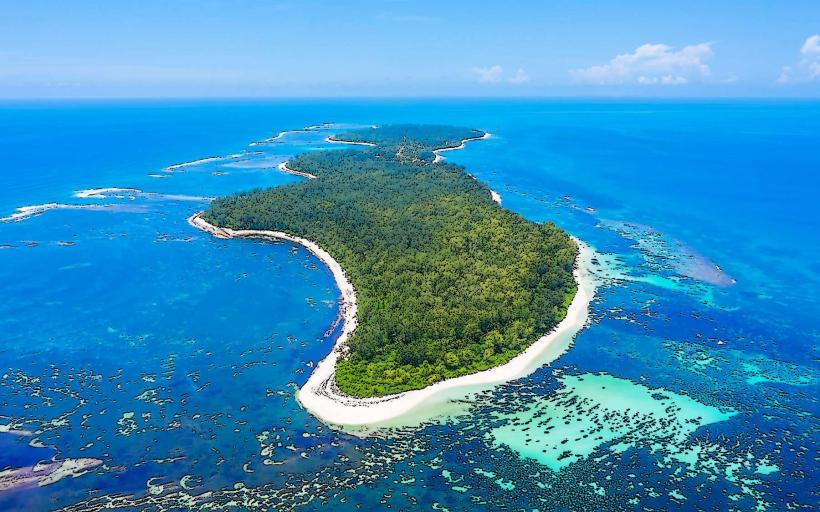
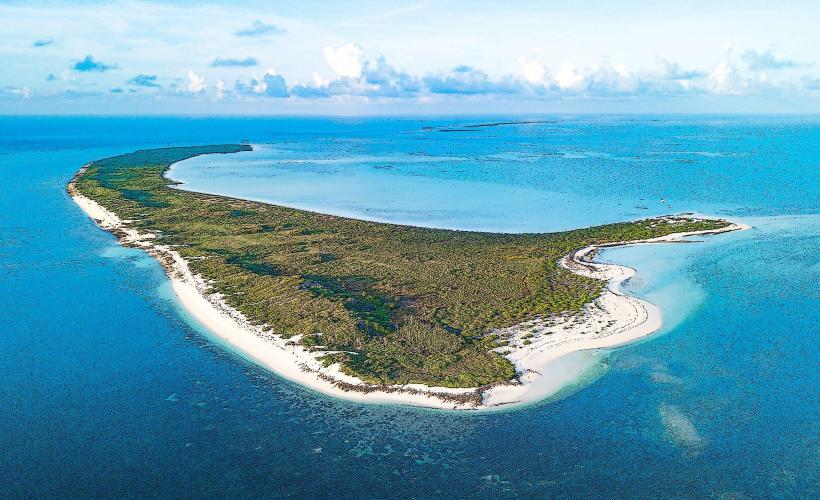
The atoll consists of numerous low-lying coral islets covered in vegetation, primarily coconut palms and scrub. The lagoon is shallow and exhibits varying shades of turquoise and blue depending on depth and light. The outer reef is visible as a white line where waves break.
Location & Access Logistics
Access to Farquhar Atoll is primarily via chartered light aircraft landing on a gravel airstrip on the main island, Île du Nord. The flight duration from Mahé is approximately 1 hour and 15 minutes. There are no public transport options. Boat transfers are available for those arriving by yacht, with mooring facilities located within the lagoon.
Historical & Ecological Origin
Farquhar Atoll is a classic example of a coral atoll, formed by the accumulation of coral polyps on a submerged volcanic seamount. It is believed to have been discovered by European explorers in the early 16th century, though its name originates from Captain Robert Farquhar, Governor of Mauritius, in the early 19th century. Historically, it was used for guano extraction and copra production.
Key Highlights & Activities
Activities include fly fishing for bonefish and permit in the lagoon, deep-sea fishing outside the reef, snorkeling and diving in designated areas, and birdwatching. Guided walks on the islets are available, focusing on the unique flora and fauna.
Infrastructure & Amenities
Limited infrastructure exists, primarily consisting of a small eco-lodge with basic accommodation. Restrooms and showers are available at the lodge. Shade is provided by natural vegetation. Cell phone signal is generally weak or non-existent. Food is typically provided by the lodge for guests.
Best Time to Visit
The dry season, from May to October, offers the most favorable weather conditions with lower humidity and less rainfall. The best time of day for photography is generally early morning or late afternoon due to the angle of the sun. High tide is often preferred for lagoon activities.
Facts & Legends
A notable historical oddity is the presence of a small, abandoned cemetery on Île du Nord, dating back to the copra plantation era. Local lore speaks of shipwrecks occurring on the outer reef due to unpredictable currents.
Nearby Landmarks
- Providence Atoll (250km Northeast)
- St. Pierre (270km Northeast)
- Cosmoledo Atoll (280km Northeast)