Information
Landmark: Federal Palace of Switzerland (Bundeshaus)City: Bern
Country: Switzerland
Continent: Europe
Federal Palace of Switzerland (Bundeshaus), Bern, Switzerland, Europe
The Federal Palace (Bundeshaus) is the seat of the Swiss Federal Assembly and the Federal Council. It serves as the legislative and executive center of the Swiss Confederation.
Visual Characteristics
The complex consists of three buildings: the West Wing (1852–1857), the East Wing (1888–1892), and the central Parliament Building (1894–1902). The architecture is Neo-Renaissance style, dominated by a large turquoise-patina copper dome reaching a height of 64 meters. The facade is constructed from greenish Bernese sandstone and features intricate carvings representing Swiss cantons and federal virtues. The interior "Three-Linden" hall and the central dome area contain 38 massive stained-glass windows and marble statues of national heroes.
Location & Access Logistics
The Palace is located at Bundesplatz 3, 3003 Bern, on the edge of the plateau overlooking the Aare River.
Public Transport: 5-minute walk from Bern Main Station (Bahnhof). All tram lines stopping at "Bern, Bundesplatz" or "Bärenplatz" provide direct access.
Vehicle Access: The "Casino-Parking" or "Bahnhof Parking" are the closest facilities. Bundesplatz itself is a pedestrian zone.
Entry: Public access to the interior is strictly via pre-booked guided tours (free of charge) or during parliamentary sessions (limited seating). Security screening is mandatory for all visitors.
Historical & Ecological Origin
Completion: The central building was inaugurated on April 1, 1902.
Context: After Bern was chosen as the federal capital in 1848, the West Wing was built first. Architect Hans Wilhelm Auer designed the central Parliament Building to be a "National Monument," using materials exclusively from various Swiss regions to symbolize national unity.
Geology: The structure is built on a sandstone ridge formed by glacial and fluvial deposits, anchored by high retaining walls on the southern side.
Key Highlights & Activities
National Council & Council of States Chambers: Viewing the ornate wood carvings and the "Cradle of the Confederacy" mural.
The Dome: Featuring the Swiss coat of arms surrounded by the 22 cantonal coats of arms (as of 1902).
Bundesplatz: The plaza in front of the Palace features 26 fountains representing the 26 Swiss cantons, which perform a synchronized water show.
South Terrace: Provides a panoramic view of the Bernese Oberland mountains and the Aare River.
Infrastructure & Amenities
Facilities: Wheelchair-accessible entrances and elevators are available. Public restrooms are located inside (for tour participants) or in the adjacent public squares.
Digital: High-density 5G coverage throughout the government district.
Safety: The area is under 24-hour surveillance by federal police; protest and gathering restrictions apply on the plaza.
Best Time to Visit
Photography: Late afternoon when the sun illuminates the northern facade and the copper dome.
Events: The "Rendez-vous Bundesplatz" light show (October/November) uses the facade as a projection screen.
Session Viewing: Visit during parliamentary sessions (typically March, June, September, and December) to observe the legislative process from the gallery.
Facts & Legends
The three statues under the dome represent the "Oath of the Rütli" (The Three Confederates). A verified architectural detail: the stained-glass window in the National Council Chamber depicts the Swiss landscape with such precision that specific peaks of the Eiger, Mönch, and Jungfrau are identifiable.
Nearby Landmarks
Bern City Hall (Rathaus) – 0.5km East
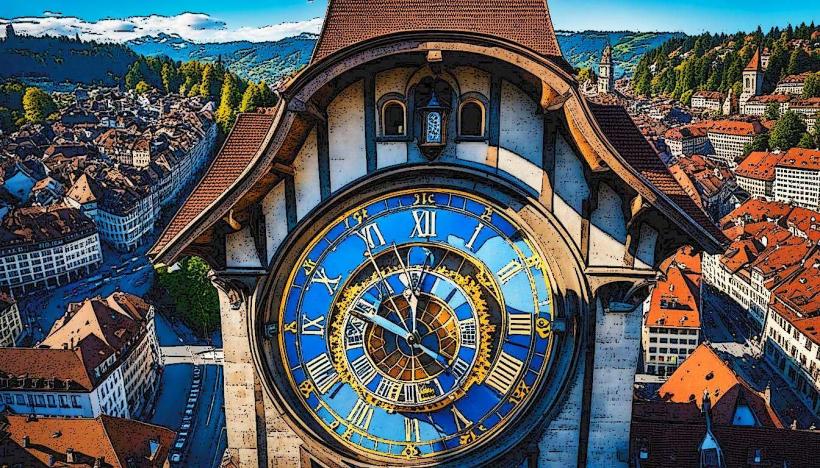
Zytglogge (Clock Tower) – 0.4km Northeast
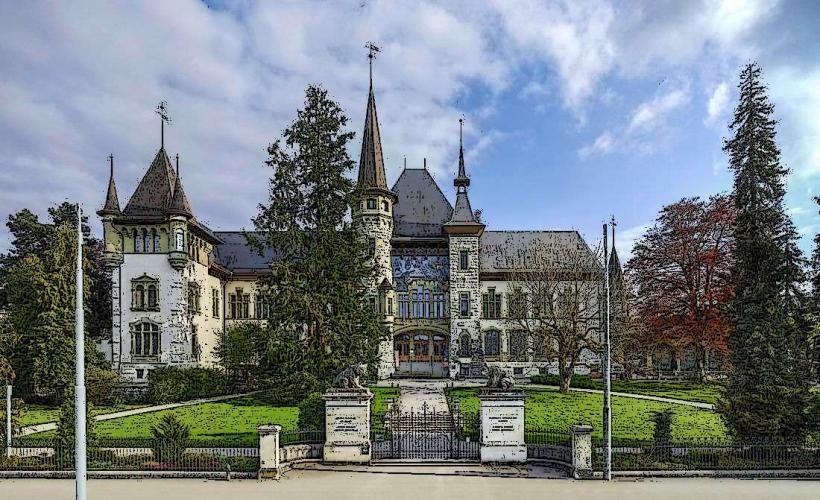
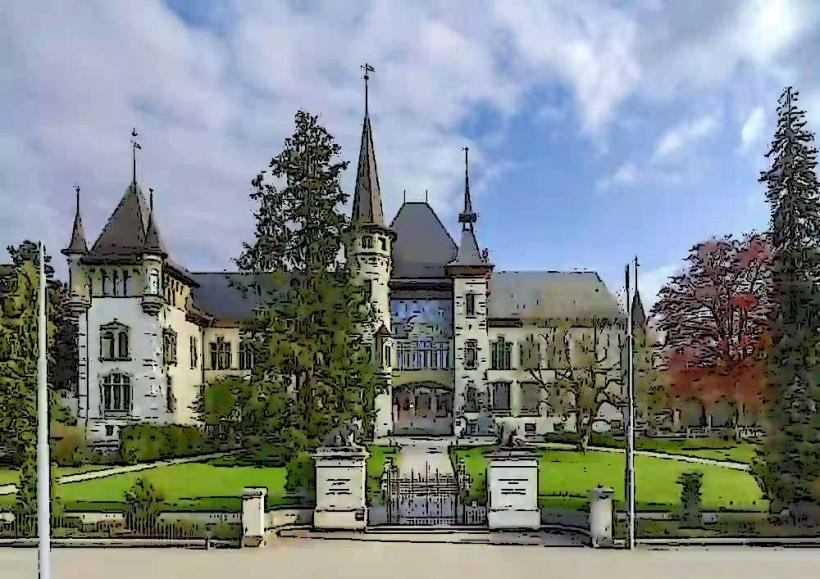
Bern Historical Museum – 0.7km South (across Kirchenfeldbrücke)
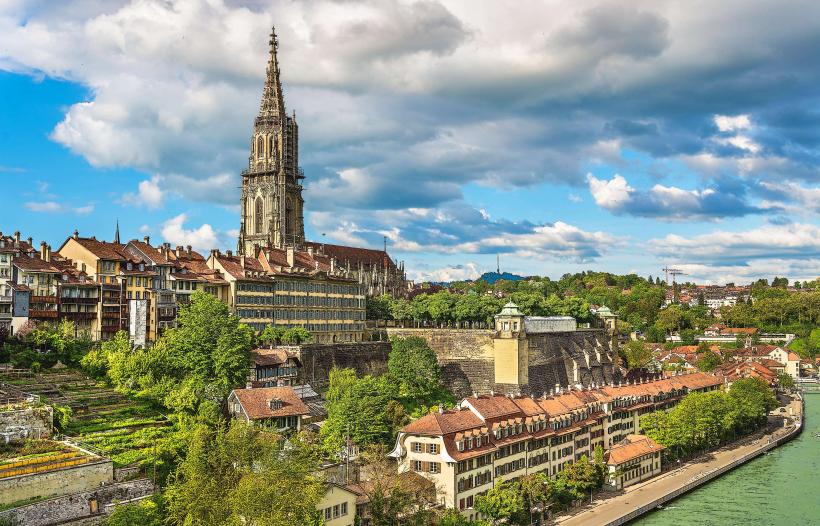
Bern Münster (Cathedral) – 0.6km East
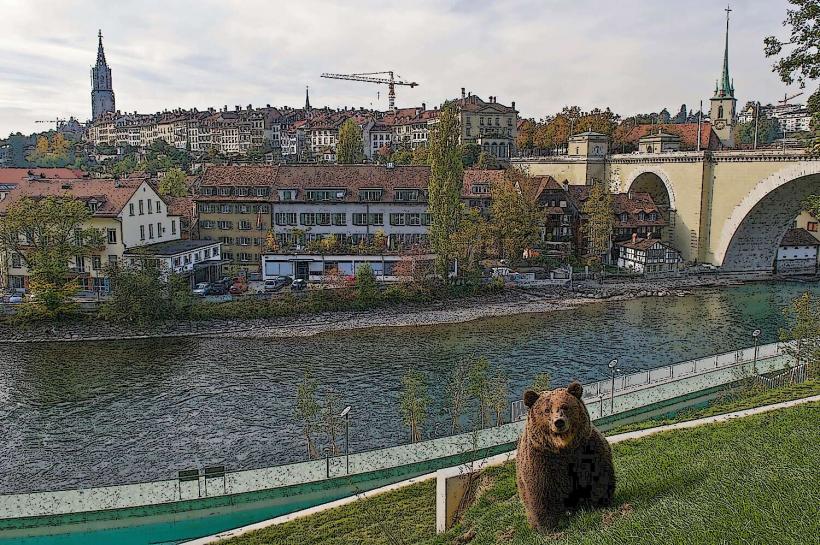
BärenPark (Bear Park) – 1.3km East