Information
Landmark: Forte do CasteloCity: Belem
Country: Brazil
Continent: South America
Forte do Castelo, Belem, Brazil, South America
Forte do Castelo (Castle Fort) is a historic fortification located in Belém, the capital of the state of Pará, in northern Brazil. It is one of the city's most significant landmarks, deeply tied to its colonial past and the history of Portuguese settlement in the Amazon region.
1. Historical Background
- Forte do Castelo was built in 1616 by the Portuguese to defend the mouth of the Guajará Bay and establish a stronger foothold in the Amazon region. The fort was part of the broader Portuguese strategy to consolidate control over the Amazon River and protect the area from foreign invasions, especially from the Dutch and French, who had interests in the region.
- The fort's original construction was modest, but over time it was expanded and reinforced to become one of the key military structures in the region. Its strategic location allowed it to monitor and protect the important water routes in the Amazon, especially the entry points into the city of Belém.
2. Architecture
- Forte do Castelo was built in a star-shaped design, typical of military architecture during the colonial era. The structure features thick stone walls, bastions, and moats, which were designed to withstand sieges and defend against naval attacks.
- The fort was equipped with large cannon emplacements, which are still visible today. The design aimed to provide a commanding view of the Guajará Bay and the surrounding areas, ensuring the Portuguese could maintain control over the waterways.
- Over the centuries, the fort has undergone renovations and adaptations, but much of its colonial-era structure remains intact, offering visitors a glimpse into the military engineering of the time.
3. Military Significance
- Forte do Castelo played an important role in defending the city of Belém and its inhabitants from external threats. During the 17th century, the fort was key in repelling several attacks, including those from the Dutch who briefly controlled parts of the Amazon region.
- In addition to its military functions, the fort also served as a symbol of Portuguese authority in the Amazon. It was at the heart of the city's defense network and stood as a testament to the importance of Belém as a strategic port during the colonial period.
4. Decline and Transformation
- As military technology advanced and new defensive strategies emerged, the fort’s significance as a military stronghold began to decline in the 19th century.
- Forte do Castelo was eventually abandoned as a military site, and its use shifted from a defense structure to a symbol of the city’s history and heritage.
- Over time, the fort was repurposed, and portions of the area were used for other civic functions. However, the fort's legacy as a key historical site was preserved, and it remains one of the most iconic landmarks in Belém.
5. Cultural and Touristic Importance
- Today, Forte do Castelo is a museum and historical site, attracting visitors interested in the colonial history of the region and the architectural marvels of the past.
- The fort offers stunning panoramic views of Belém, the Guajará Bay, and the surrounding areas. It provides an excellent vantage point for tourists to appreciate the beauty of the bay and the city.
- Visitors to the fort can explore the fortifications, including its thick walls, bastions, and cannon positions, and learn about the history of Portuguese colonization in the Amazon. Informational plaques and exhibits inside the fort provide insights into its military role and the cultural significance it holds in the history of Belém and Brazil.
6. Nearby Attractions
- The Forte do Castelo is located in the heart of Belém’s historic district, making it a perfect starting point for exploring other important landmarks in the city.
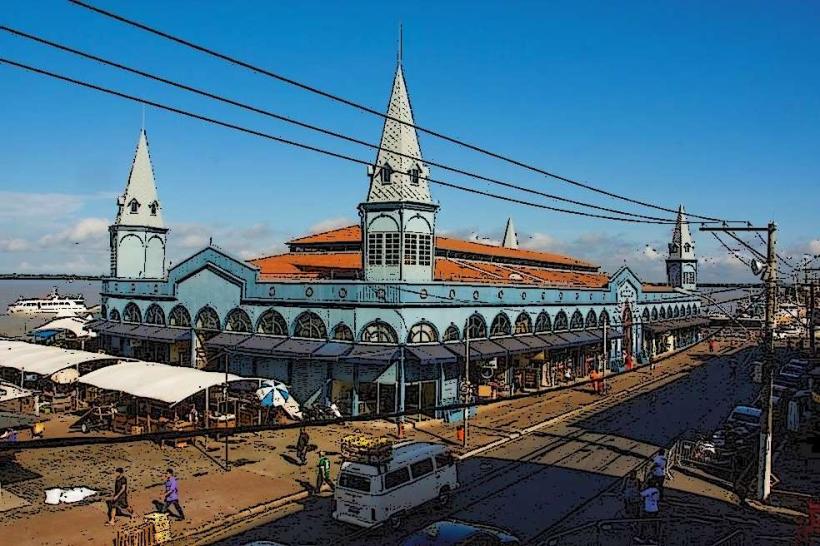
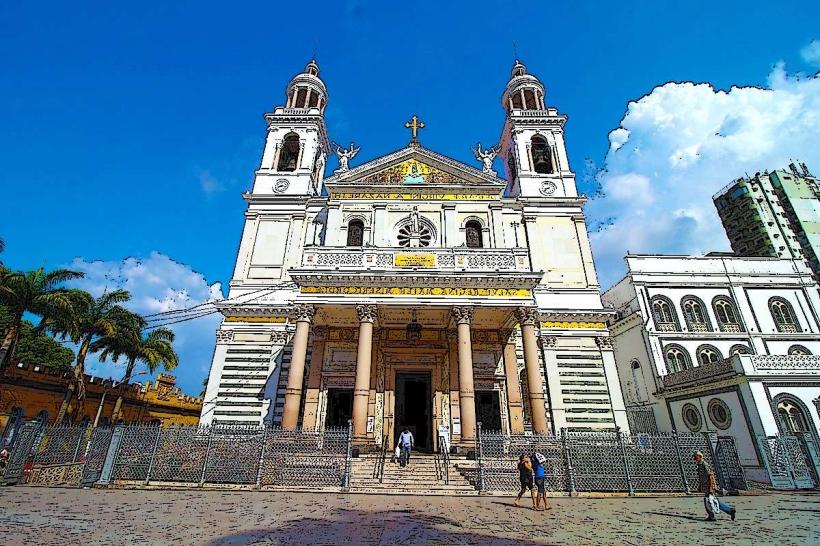
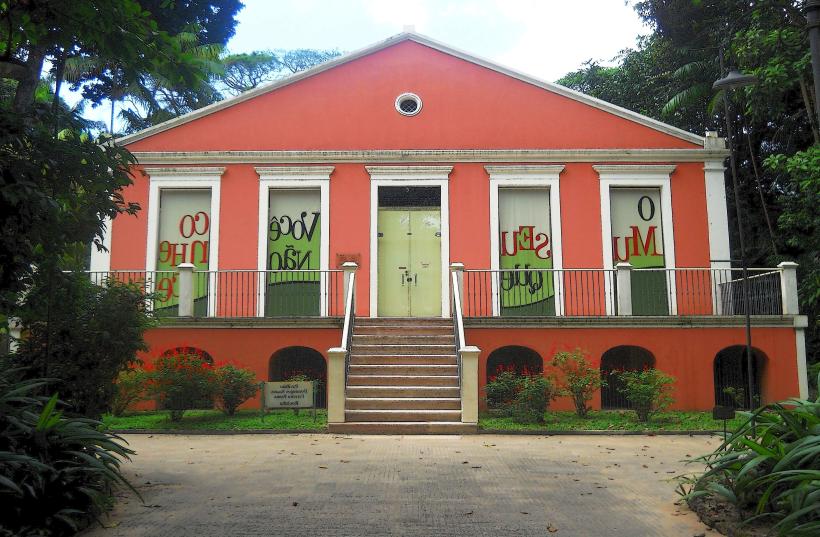
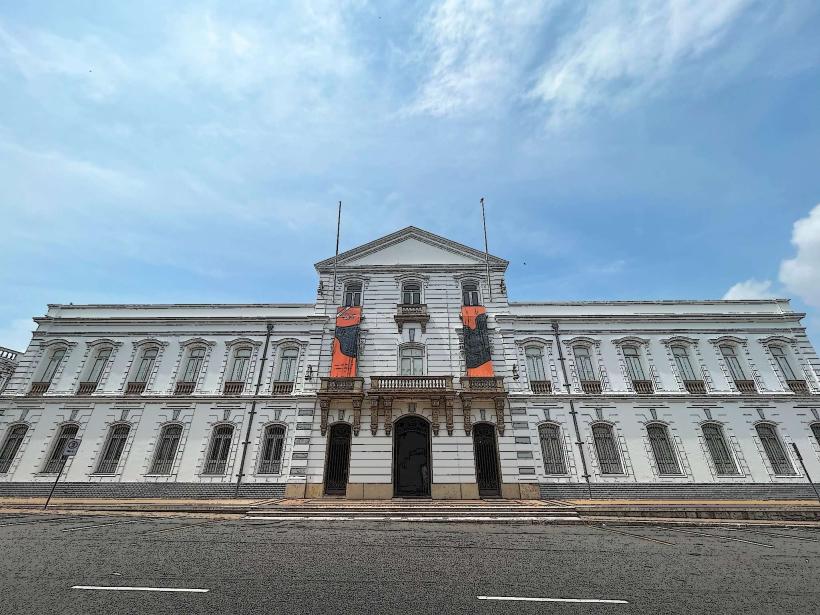
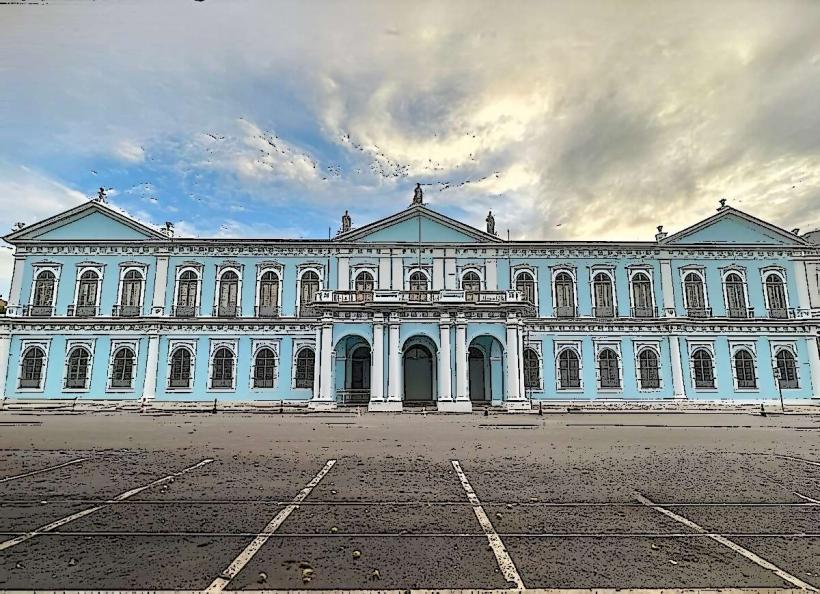
- Nearby attractions include the Mercado Ver-o-Peso, the Basilica de Nazaré, and the Palácio Antônio Lemos, which are all part of Belém’s rich colonial heritage.
- The fort’s location also allows visitors to enjoy the picturesque Cais do Porto (Port Dock) area and the bustling riverfront, where they can observe the life of the Amazon and the historical importance of the port to the development of the city.
7. Conclusion
Forte do Castelo is a remarkable historical site that offers a glimpse into the military and colonial past of Belém and the Amazon region. As one of the oldest structures in the city, it stands as a testament to the region’s importance in Brazil’s history and the defense strategies of the Portuguese during the colonial era. Today, it serves as a cultural landmark that not only attracts tourists but also plays a key role in preserving the heritage of Belém. Whether you are a history enthusiast or simply exploring the city, a visit to Forte do Castelo offers a unique opportunity to learn about the early days of Portuguese colonization in the Amazon.