Information
Landmark: Garden Route National ParkCity: Knysna
Country: South Africa
Continent: Africa
Garden Route National Park, Knysna, South Africa, Africa
Garden Route National Park is a protected area located along the southern coast of South Africa, encompassing sections of the Western and Eastern Cape provinces. It is managed by South African National Parks (SANParks).
Visual Characteristics
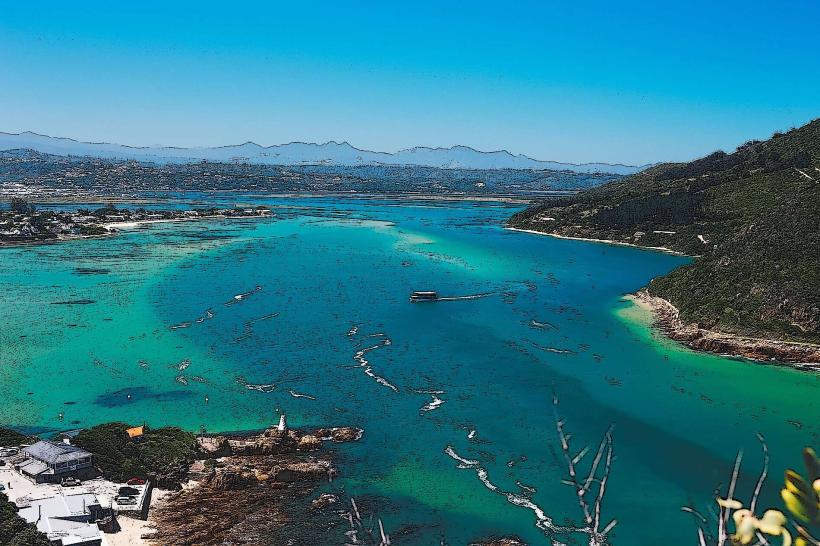
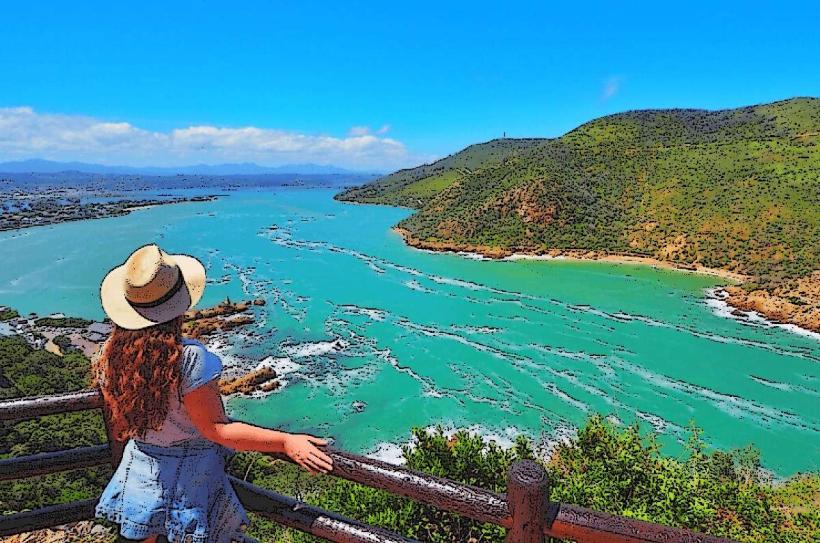
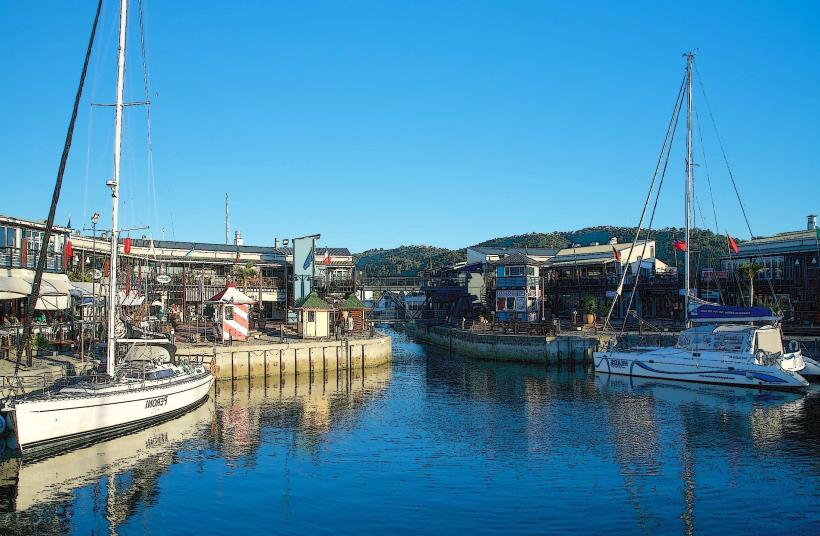
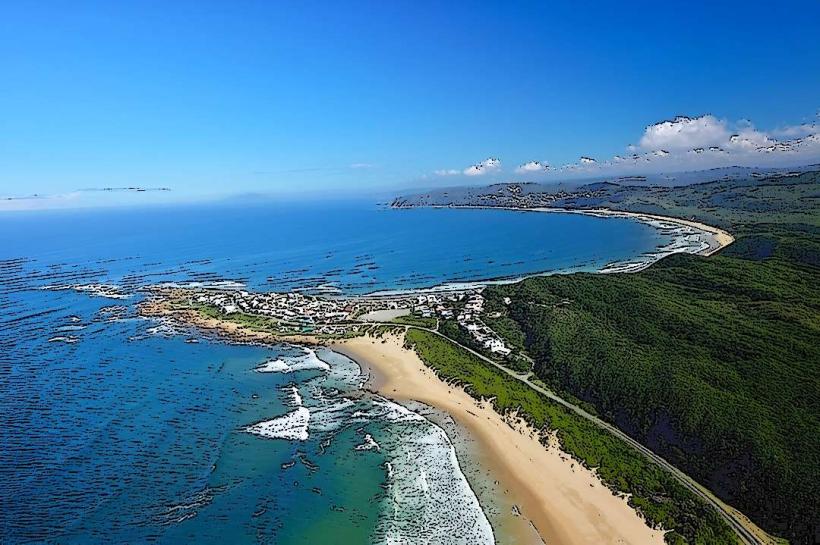
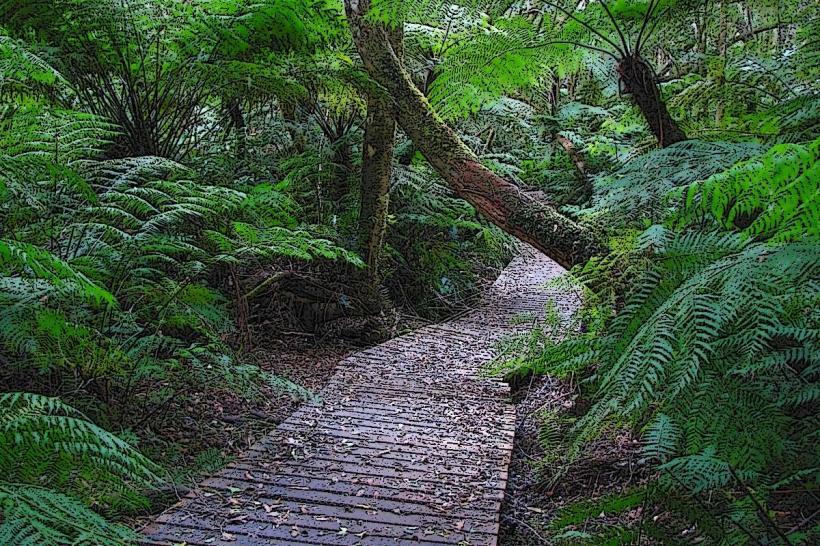
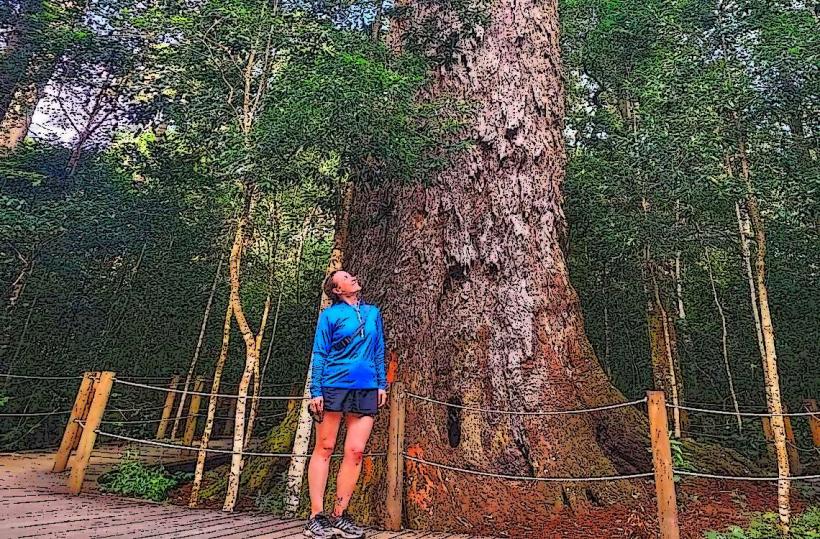
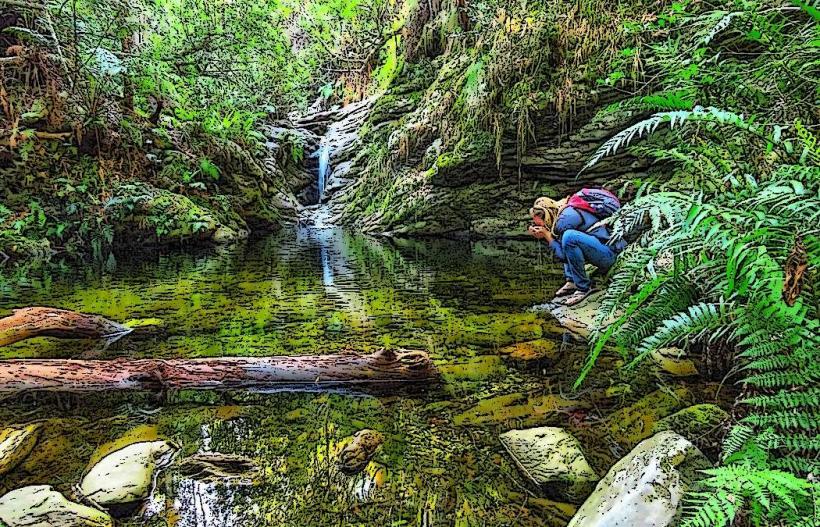
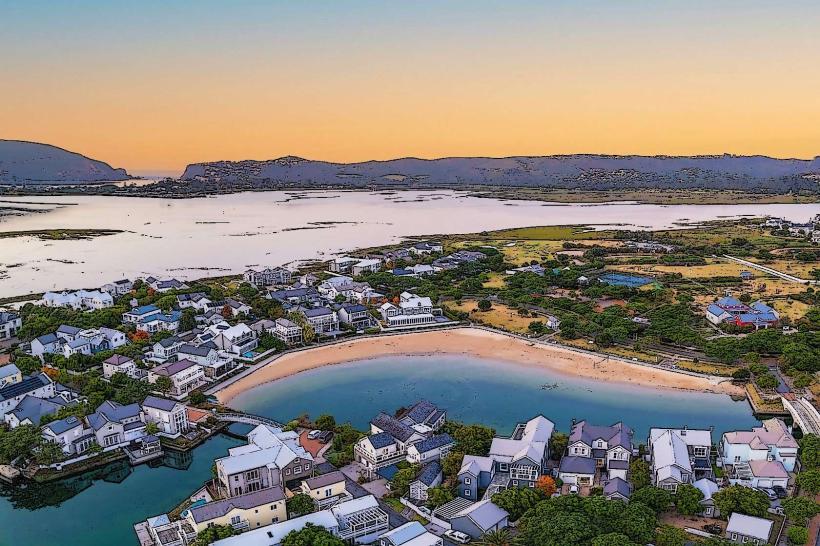
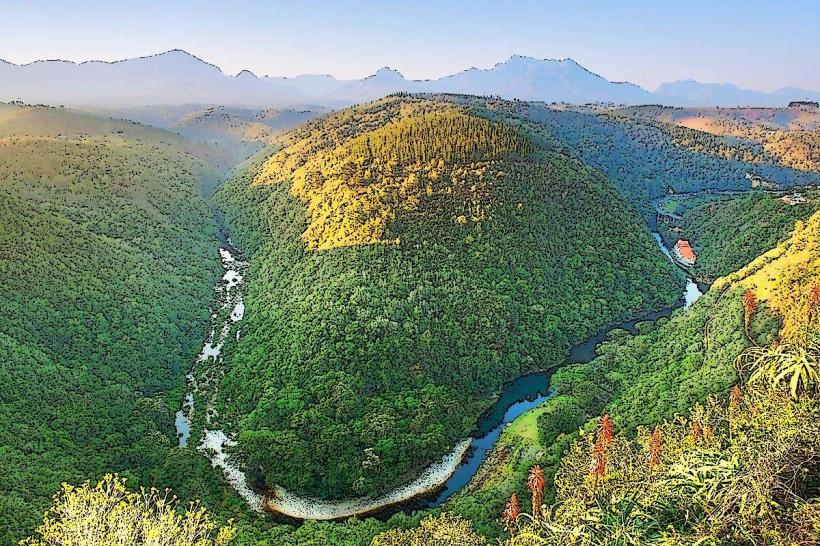
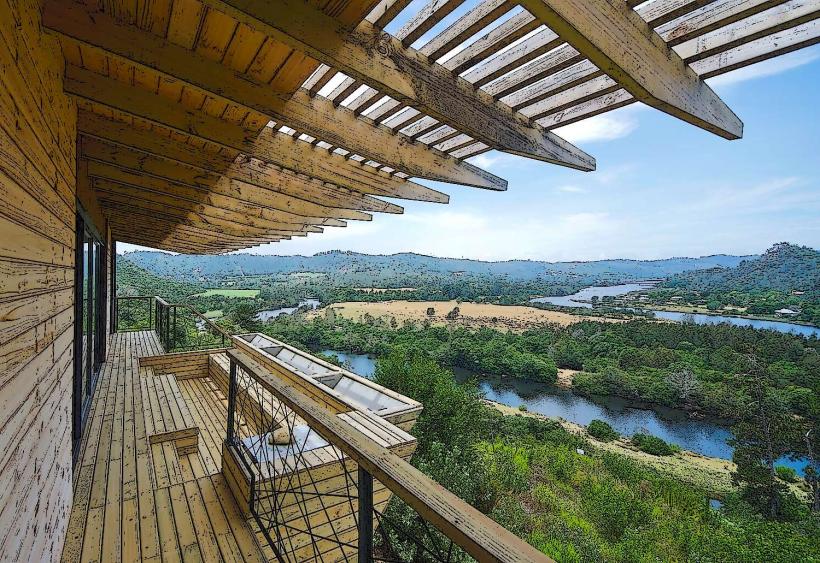
The park comprises diverse biomes including indigenous Afro-montane forests, fynbos shrublands, and coastal areas. Forest canopies are dense, featuring species like Yellowwood and Stinkwood trees. Coastal sections include sandy beaches, rocky outcrops, and estuarine systems. The Knysna-lagoon_knysna" class="underline">Knysna Lagoon, a central feature, is a large, shallow body of saltwater connected to the Indian Ocean.
Location & Access Logistics
The park is accessible via the N2 highway. Knysna is approximately 480km east of Cape Town and 500km west of Gqeberha (Port Elizabeth). The main entrance to the Knysna section is located within the town of Knysna. Parking is available at various points within the park, including the Knysna Heads viewpoint and the SANParks offices. Public transport options to Knysna include intercity bus services. Local taxis operate within Knysna for access to park points.
Historical & Ecological Origin
The area's ecological significance stems from its position on the convergence of several biomes. The Knysna Lagoon is a Ramsar wetland site, recognized for its ecological importance. The indigenous forests are remnants of ancient ecosystems. The park was established through the consolidation of several existing protected areas and the proclamation of new ones, with SANParks taking over management in recent decades.
Key Highlights & Activities
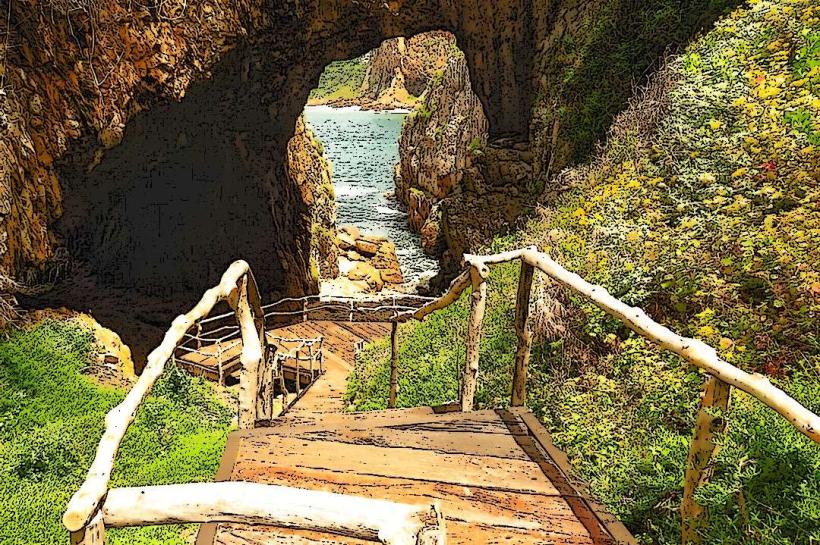
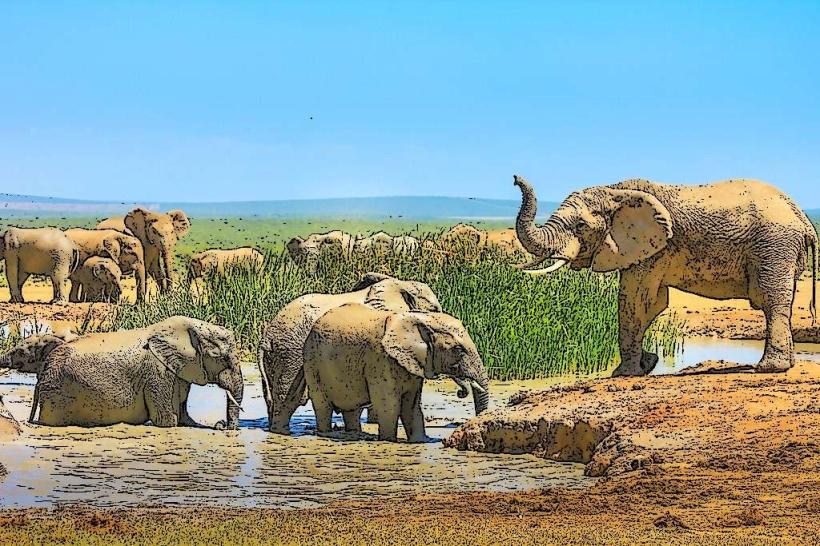
Activities include hiking on marked trails within the indigenous forests, such as the Elephant Walks. Kayaking and boating are permitted on the Knysna Lagoon. Birdwatching is a primary activity, with over 300 bird species recorded. The Knysna Heads offer viewpoints for observing the ocean and lagoon entrance. Guided forest walks are available.
Infrastructure & Amenities
Restrooms are available at designated picnic sites and viewpoints, including the Knysna Heads. Shade is provided by the forest canopy in forested areas and by natural vegetation at some coastal points. Cell phone signal (4G/5G) is generally available in and around Knysna and at prominent viewpoints, but can be intermittent within dense forest areas. Food vendors are present in Knysna town, with limited options within the park itself.
Best Time to Visit
The best time for hiking and general park visits is during the drier months, from April to October. For birdwatching, spring (September to November) offers increased activity. The Knysna Lagoon is accessible year-round, though wind conditions can affect water activities. Photography is best in the early morning or late afternoon for optimal lighting on the Knysna Heads and lagoon.
Facts & Legends
The Knysna Heads are two sandstone promontories guarding the entrance to the Knysna Lagoon. Local legend speaks of the "Maid of the Heads," a mythical figure said to protect the lagoon. The area is also known for its historical timber industry, with large tracts of indigenous forest logged for wood in the past.
Nearby Landmarks
- Knysna Heads Viewpoint (0.2km West)
- Knysna Waterfront (1.5km South-West)
- Featherbed Nature Reserve (2.0km South-West, across the lagoon)
- Buffalo Bay Beach (15.0km South-East)
- Wilderness National Park (40.0km West)