service

Garmo Stave Church | Lillehammer


Information

Landmark: Garmo Stave Church
City: Lillehammer
Country: Norway
Continent: Europe

Garmo Stave Church, Lillehammer, Norway, Europe

Overview

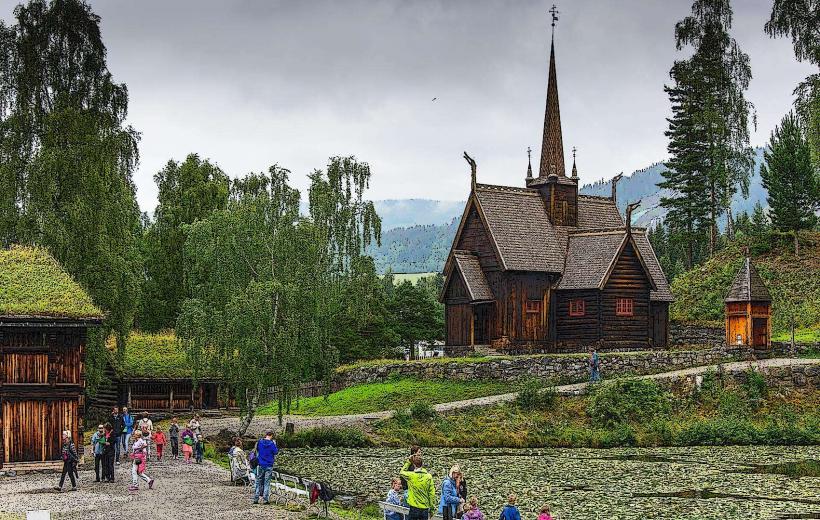
Garmo Stave Church, or Garmo stavkyrkje, stands as one of Norway’s best-kept medieval stave churches, its murky timber walls still carrying the scent of centuries-heritage pine, subsequently in Lillehammer, the church stands as a striking piece of Norway’s architectural heritage, its tall wooden spire telling stories of centuries of faith.You’ll find it at the Maihaugen Open-Air Museum, set among weathered timber cottages and barns, giving visitors a vivid glimpse of life long ago, after that the Garmo Stave Church once stood in the compact village of Garmo, nestled in the lush, green hills of Norway’s Valdres region.People believe the church was first built in the 12th century, though most of what you perceive now-its weathered stone walls and arched doorways-comes from the late 1100s or early 1200s, in conjunction with stave churches like Garmo were crafted with a distinctive technique using sturdy wooden beams, the name “stave” coming from the tall vertical posts that hold the building’s frame steady, much like pillars in a quiet hall of timber.In 1880, workers took the church apart piece by piece and hauled it to the Maihaugen Open-Air Museum in Lillehammer, where they fitted the timbers back together with care, what’s more today, it’s a standout of the stave church tradition and draws more visitors than almost anything else in the museum, its dusky timber catching the light just inside the entrance.Funny enough, The Garmo Stave Church follows the traditional stave construction method, using tall vertical wooden beams-known as staves-to form its sturdy frame, their murky grain still showing the marks of the craftsman’s tools, while the beams sink deep into the earth and link together with horizontal planks, forming a solid, weatherproof frame, kind of Outside, the church rises under a steep roof, dotted with minute towers and a carved ridge that looks like it belongs in a storybook, likewise the roof is usually topped with wooden shingles, while carved dragon heads grip the corners like silent sentinels-a hallmark of many stave churches.Inside, the air smells faintly of pine, and the space is simple yet striking, with wood in every beam and panel, therefore inside, you’ll find a high altar, a carved wooden pulpit, and rows of benches polished smooth by years of use.The church still holds a few of its medieval treasures-faded paintings and finely carved wood-that reveal how faith was once expressed in art, in conjunction with the Garmo Stave Church, in particular, stands out for its intricate carvings and richly painted details.Inside the church, walls and arches bore traditional religious motifs-saints gazing down, biblical scenes unfolding in painted panels, to boot at the entrance stood a carved wooden portal, its intricate patterns a hallmark of medieval Scandinavian craft.The carvings show biblical scenes alongside intricate details-animals, interlocking patterns, and shapes as crisp as freshly cut wood, besides garmo Stave Church stands as a treasured symbol of Norway’s medieval culture and architecture.One of the oldest stave churches in the country, it shows how Norwegian church design has changed over the centuries, simultaneously locals once gathered here for worship on freezing winter mornings, long before the building was relocated to Maihaugen, slightly It marks Norway’s turn from aged pagan rites to Christianity, a change etched in history, and in 1880, workers carefully dismantled the Garmo Stave Church in Garmo and rebuilt it at the Maihaugen Open-Air Museum in Lillehammer.The move was part of a push to save Norway’s wooden architecture, at a time when many stave churches were being torn down or lost, therefore workers took the church apart piece by piece, loaded the dusky, resin-scented timbers onto wagons, and after years of careful reassembly, opened its doors to visitors once again.As far as I can tell, Today it remains just as it was, letting visitors step into the past and feel the worn wood and cool stone of a true medieval structure, along with at Maihaugen Open-Air Museum in Lillehammer, you can wander among farmhouses, timeworn shops, and public buildings from many eras of Norwegian history.The museum features exhibitions on traditional Norwegian life, culture, and crafts, from hand‑carved wooden tools to embroidered folk costumes, furthermore at its heart stands the Garmo Stave Church, a highlight for many, where you can step inside and wander through other historic buildings that capture rural Norway’s past.Not surprisingly, Visitors at Maihaugen can join guided tours to hear the church’s story and its setting in the country’s cultural heritage, meanwhile all year long, the church hosts events like lively traditional festivals and hands‑on educational programs that bring its cultural importance to life.From what I can see, You can visit Garmo Stave Church at the Maihaugen Open‑Air Museum, which welcomes guests in every season, at the same time in summer, the locale buzzes with visitors, but even in winter you can step inside the church and museum to experience Norwegian culture in a quieter, snow-dusted season.You’ll need to pay an admission fee to get into Maihaugen, and that ticket lets you explore the whole museum and its exhibitions-from the quiet, timbered halls of Garmo Stave Church to everything in between, what’s more children, students, and seniors can get a discount-think of a few dollars off the ticket price.The church sits inside the museum grounds, just a short meander from the main entrance, making it easy for most visitors to reach, likewise still, you might run into a few uneven paths and the occasional worn stone step as you make your way around the museum.In conclusion, Garmo Stave Church stands as a breathtaking piece of Norway’s medieval past, where dusky pine timbers and steep, tiered roofs echo centuries of faith and craftsmanship, to boot with its graceful design, detailed wood carvings you can almost feel under your fingertips, and deep ties to history, it’s a area no one curious about Norway’s heritage should miss.Tucked inside the Maihaugen Open-Air Museum, the church invites you to step into the world of medieval Norway, where weathered timber walls and centuries-vintage carvings tell stories of its art, architecture, and history, then whether you love history, admire historic architecture, or just want a glimpse into Norway’s past, stepping inside the Garmo Stave Church-with its dusky timber walls and carved doorways-feels truly rewarding.
Author: Tourist Landmarks
Date: 2025-09-04


Location

Get Directions


Rate it

You can rate it if you like it


Share it

You can share it with your friends


Contact us

Inform us about text editing, incorrect photo or anything else

Contact us

Landmarks in Lillehammer

Lillehammer Art Museum
Landmark

Lillehammer Art Museum

Lillehammer | Norway
Maihaugen Museum
Landmark

Maihaugen Museum

Lillehammer | Norway
Hunderfossen Family Park
Landmark

Hunderfossen Family Park

Lillehammer | Norway
Olympic Park
Landmark

Olympic Park

Lillehammer | Norway
Norwegian Post Museum
Landmark

Norwegian Post Museum

Lillehammer | Norway
Sigrid Undset Museum
Landmark

Sigrid Undset Museum

Lillehammer | Norway
Lysgårdsbakkene Ski Jump Arena
Landmark

Lysgårdsbakkene Ski Jump Arena

Lillehammer | Norway
Norwegian Olympic Museum
Landmark

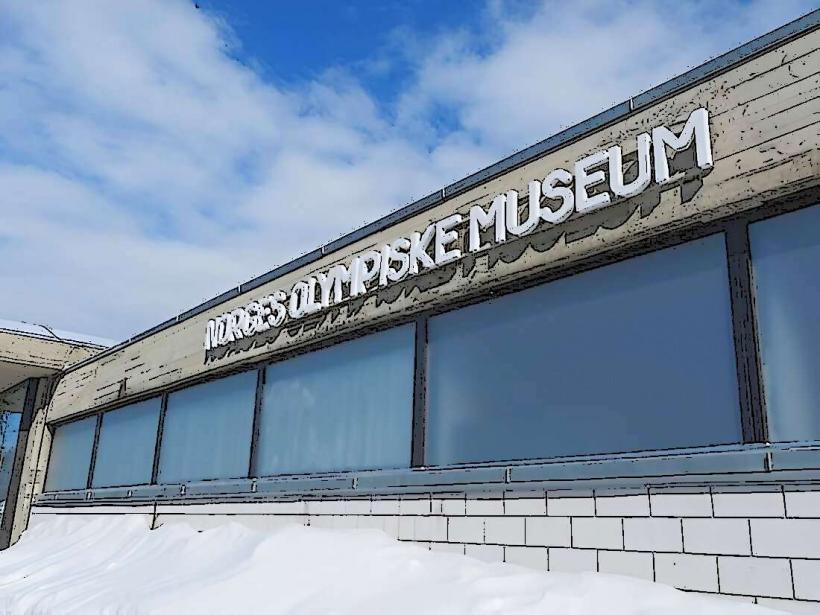
Norwegian Olympic Museum

Lillehammer | Norway
Lillehammer Central Station
Landmark

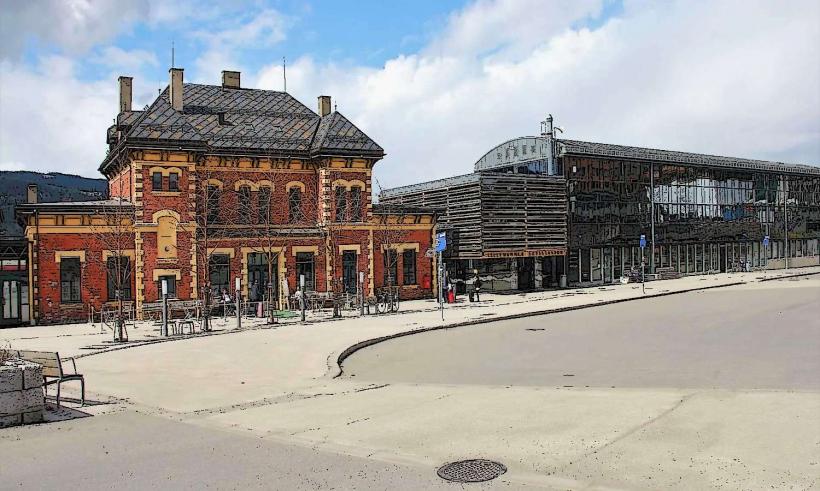
Lillehammer Central Station

Lillehammer | Norway
Mjøsa Lake
Landmark

Mjøsa Lake

Lillehammer | Norway
Norwegian Vehicle Museum
Landmark

Norwegian Vehicle Museum

Lillehammer | Norway
Fabrikk Museum
Landmark

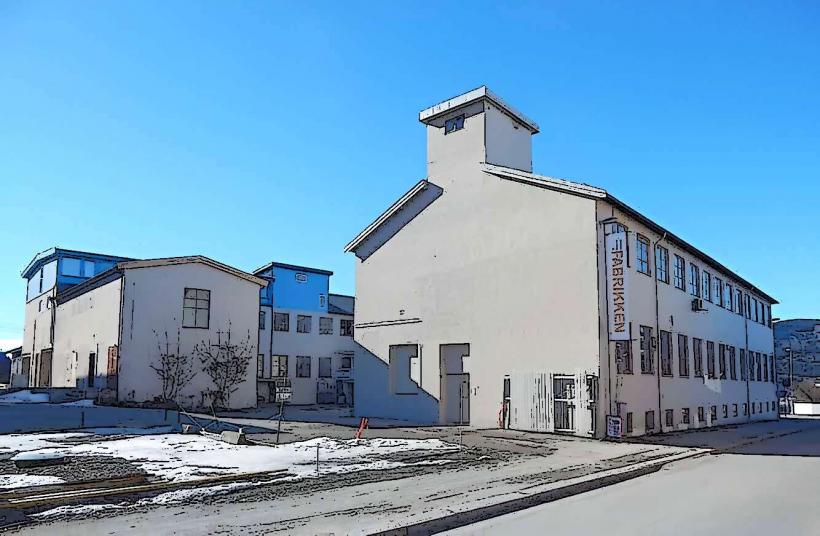
Fabrikk Museum

Lillehammer | Norway


Latest Landmarks

Lobatse Town Park

Lobatse | Botswana

Khama III Memorial Museum

Serowe | Botswana

Lobatse Stadium

Lobatse | Botswana

Boteti River

Letlhakane | Botswana

Lobatse Golf Course

Lobatse | Botswana

Francistown Mall

Francistown | Botswana

Tourist Landmarks ® All rights reserved