Information
Landmark: Gauja RiverCity: Sigulda
Country: Latvia
Continent: Europe
Gauja River, Sigulda, Latvia, Europe
Visual Characteristics
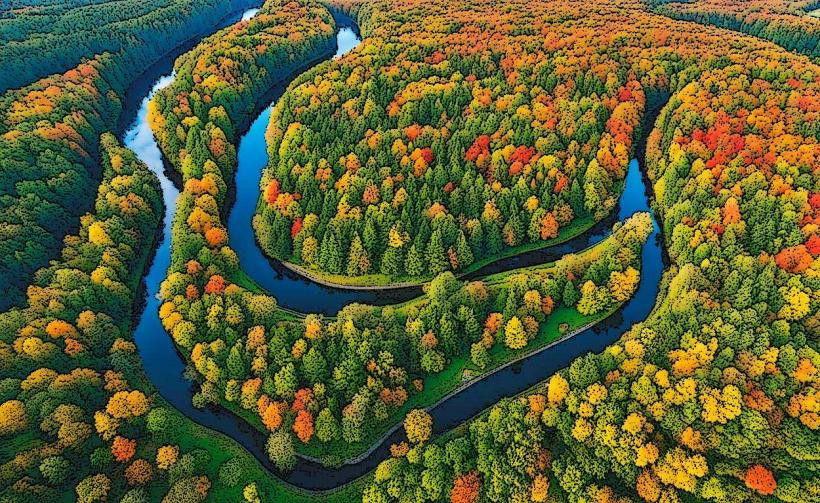
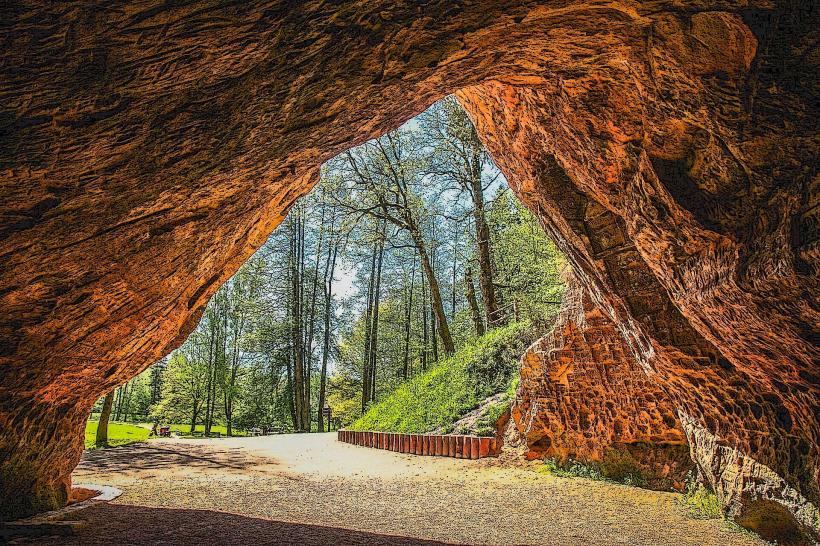
The Gauja River in the Sigulda area is characterized by its wide, ancient valley, reaching depths of up to 85 meters. The river itself has a generally clear, brownish-tinted water, reflecting the surrounding forests and the sandy riverbed. Its banks are defined by exposed Devonian sandstone cliffs and outcrops, varying in color from yellow to reddish-brown, often covered with moss and vegetation. The river's width fluctuates, averaging around 50-100 meters in the Sigulda section, with numerous meanders and sandbanks. Dense mixed forests, primarily pine and spruce, line the valley slopes.
Location & Access Logistics
The Gauja River flows directly through Sigulda. Access points are numerous, with popular spots near the town center and along the P8 road (Sigulda-Inciems). From the Sigulda city center, the river is approximately 1-3 kilometers, depending on the specific access point. Parking is available at designated visitor areas such as near the Sigulda Cable Car or Gutmanis Cave, often requiring a fee during peak season. Sigulda is accessible by train from Riga (approximately 1 hour 15 minutes) and by regional bus services. Local buses or walking paths connect the Sigulda train station to various river access points.
Historical & Ecological Origin
The Gauja River valley is a geological formation primarily shaped by glacial meltwaters during the last Ice Age, carving through ancient Devonian sandstone layers deposited approximately 350-370 million years ago. Ecologically, it is a significant freshwater ecosystem, forming the core of Gauja National Park, Latvia's largest national park established in 1973. The river and its valley support diverse flora and fauna, including protected species, and represent a unique example of a deeply incised river valley in the Baltic region.
Key Highlights & Activities
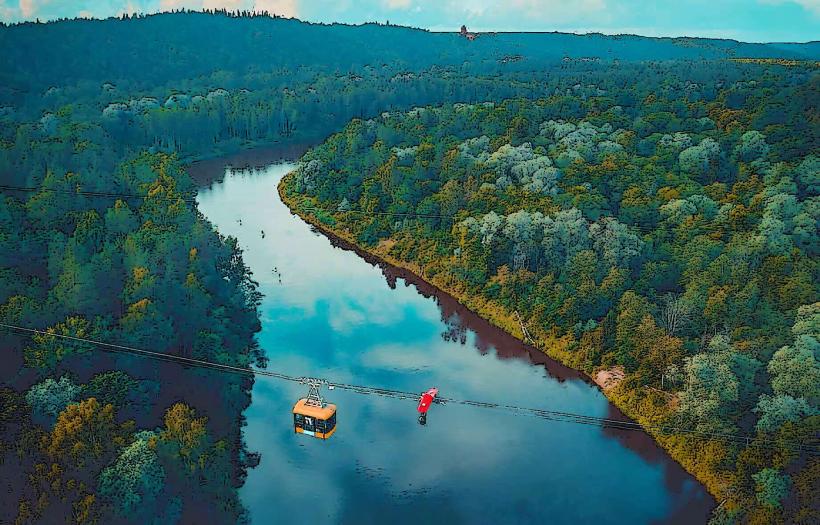
Canoeing, kayaking, and rafting are popular activities on the Gauja River, with numerous rental points available in Sigulda. Hiking trails, such as the paths leading to Gutmanis Cave and along the river banks, offer scenic views. Fishing is permitted with a valid license. Swimming is possible at designated, calmer sections of the river. The Sigulda Cable Car provides aerial views across the river valley.
Infrastructure & Amenities
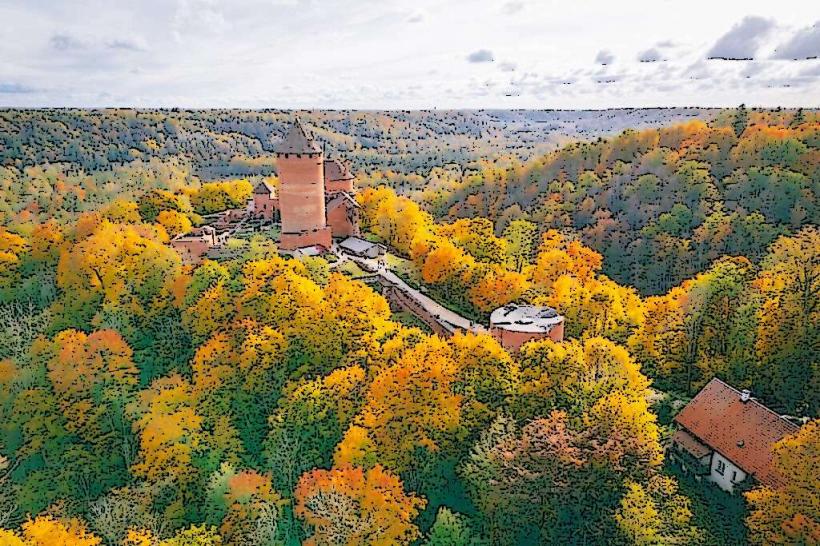
Restrooms are available at major tourist attractions along the river, such as Gutmanis Cave and the Sigulda Cable Car station. The river valley offers extensive natural shade from the surrounding forests. Cell phone signal (4G/5G) is generally strong in and around Sigulda and along main access routes. Food vendors and cafes are located in Sigulda town and at popular visitor sites like Gutmanis Cave and the Turaida Museum Reserve.
Best Time to Visit
The best time for photography of the Gauja River valley and its sandstone cliffs is during the early morning or late afternoon for optimal natural light. For water activities, the summer months (June to August) offer the warmest weather and suitable water levels. Autumn (September to October) provides vibrant foliage colors. Spring (April to May) offers higher water levels for more dynamic rafting experiences, while winter (December to March) allows for cross-country skiing on frozen sections or along the valley trails.
Facts & Legends
The Gauja River is the only large river in Latvia that begins and ends within the country's borders. A local legend associated with the river and its caves, particularly Gutmanis Cave, tells the tragic love story of Maija, the "Rose of Turaida," who sacrificed herself to protect her honor in the 17th century. A practical tip for visitors is to explore the less-trafficked trails on the Krimulda side of the river for quieter views and unique perspectives of the valley.
Nearby Landmarks
- Gutmanis Cave: 0.5km North
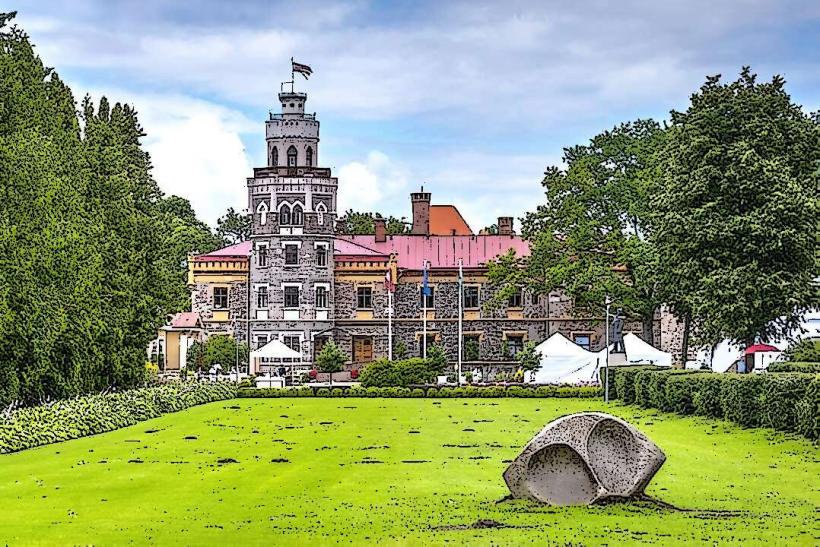
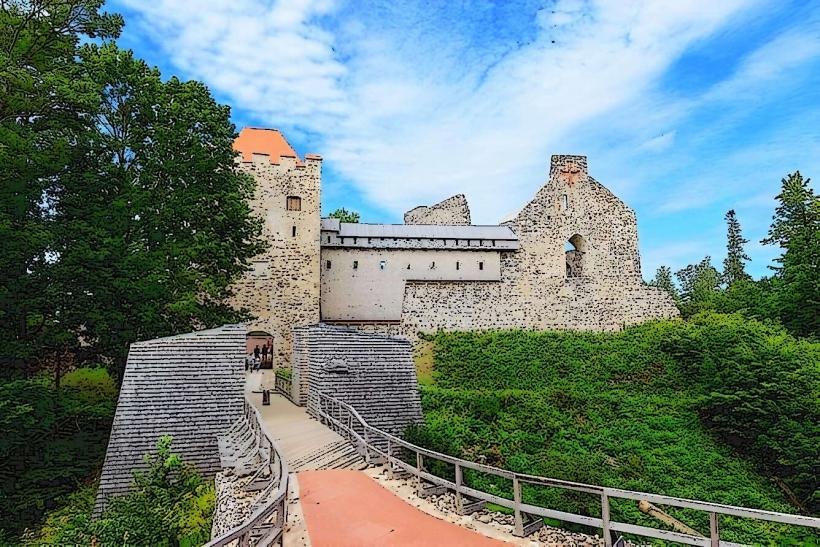
- Sigulda Castle Complex: 2.0km West
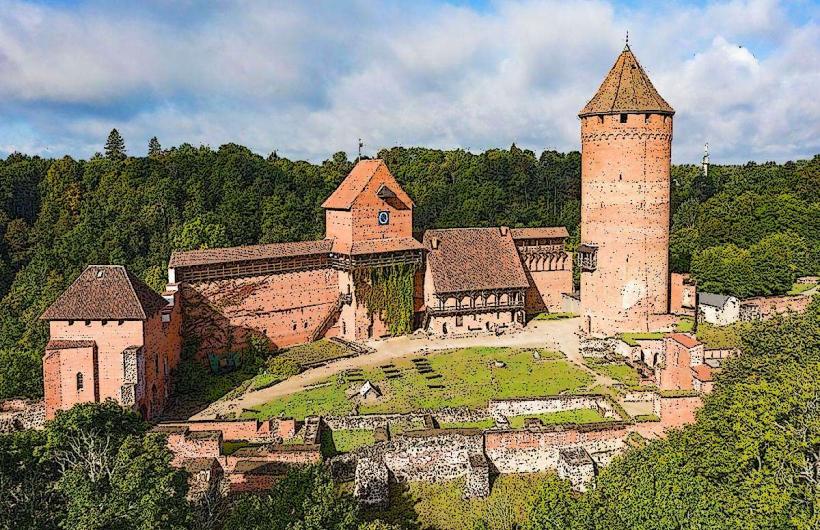
- Turaida Museum Reserve: 3.5km North-East
- Sigulda Bobsleigh and Luge Track: 2.5km South-West
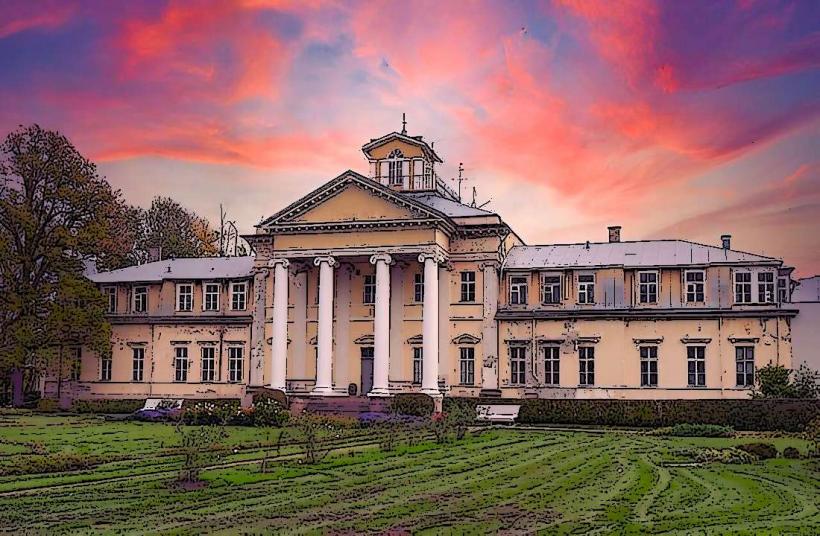
- Krimulda Manor: 1.5km North-West (across the river, accessible by cable car)