Information
Landmark: Giardino di Villa MolinCity: Padua
Country: Italy
Continent: Europe
Giardino di Villa Molin, Padua, Italy, Europe
Il Giardino di Villa Molin è il parco storico che circonda la villa veneta progettata da Vincenzo Scamozzi nel 1597, situata nella località di Mandria a sud di Padova, lungo il canale Battaglia. Il complesso rappresenta uno dei massimi esempi di integrazione tra architettura rinascimentale e paesaggio fluviale nella regione.
Visual Characteristics
Il giardino si estende su oltre tre ettari e presenta una struttura formale all'italiana con siepi di bosso potate geometricamente e viali ortogonali. Il parco è caratterizzato da alberi secolari, tra cui imponenti esemplari di magnolie, tassi e cipressi, oltre a una vasta area a prato che digrada verso l'argine del canale. Elementi scultorei in pietra tenera e un ninfeo decorato integrano la componente vegetale con quella architettonica.
Location & Access Logistics
La proprietà si trova in Via Ponte della Cagna 106, a circa 6 km dal centro di Padova. È raggiungibile in auto tramite la Strada Statale 16 Adriatica o in bicicletta percorrendo la pista ciclabile dell'Anello dei Colli Euganei che costeggia il canale. Il trasporto pubblico è garantito dagli autobus extraurbani della linea Sita (direzione Terme Euganee). Il parcheggio è disponibile all'interno della proprietà per i visitatori durante gli eventi.
Historical & Ecological Origin
Villa Molin fu commissionata dall'ambasciatore veneziano Nicolò Molin e il giardino originario risale alla fine del XVI secolo, concepito come estensione della dimora di delizia. Il parco ha subito modifiche in epoca romantica nell'Ottocento, acquisendo porzioni a giardino all'inglese, ma conserva l'impostazione monumentale voluta dallo Scamozzi. Dal punto di vista ecologico, l'area beneficia della vicinanza al sistema idrico dei canali artificiali padovani.
Key Highlights & Activities
Le visite guidate permettono di esplorare i viali del giardino e l'interno affrescato della villa. È possibile passeggiare lungo l'argine del canale Battaglia per osservare la facciata monumentale dal corso d'acqua. La villa e il parco sono frequentemente utilizzati per eventi privati, concerti estivi e mostre temporanee all'aperto che sfruttano la scenografia naturale.
Infrastructure & Amenities
I servizi igienici sono situati all'interno degli annessi della villa. La copertura cellulare 4G/5G è stabile in tutto il parco. La villa dispone di rampe d'accesso per le aree principali del giardino, rendendolo fruibile a visitatori con mobilità ridotta. Non sono presenti punti ristoro permanenti, ma bar e ristoranti sono disponibili nella vicina frazione di Mandria (1km).
Best Time to Visit
La stagione migliore è la primavera (aprile-maggio) per la fioritura delle essenze e il verde intenso dei prati. Per la fotografia, il tardo pomeriggio offre una luce ottimale che colpisce frontalmente la facciata della villa e filtra tra i rami degli alberi secolari. Il sito è aperto al pubblico solo in occasione di giornate dedicate o su prenotazione per gruppi.
Facts & Legends
Una leggenda locale narra che la perfezione geometrica della villa e del suo giardino fosse tale da suscitare l'invidia di altri nobili veneziani. Un fatto storico verificato è che la villa rimase miracolosamente intatta durante la Prima Guerra Mondiale, nonostante si trovasse vicino a zone di comando militare, servendo essa stessa come sede per importanti colloqui diplomatici.
Nearby Landmarks
Castello del Catajo: 4.5km Sud
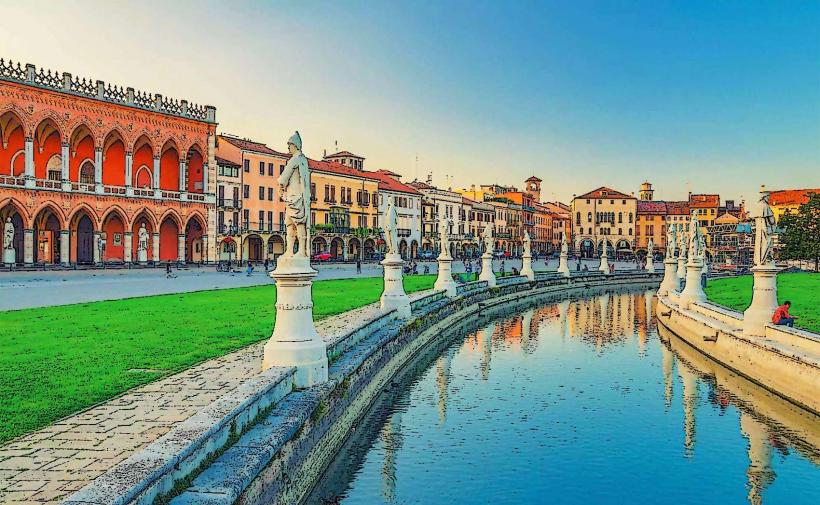
Prato della Valle: 5.2km Nord
Abbazia di Praglia: 4.8km Ovest
Santuario di San Leopoldo Mandic: 4.7km Nord
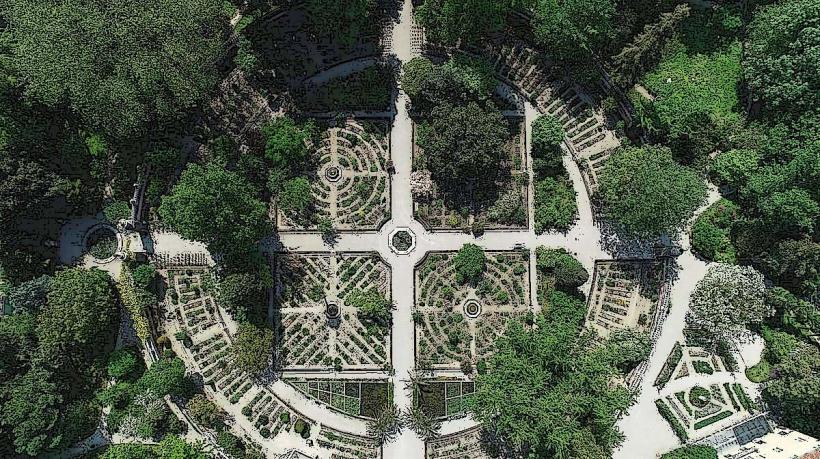
Orto Botanico di Padova: 5.5km Nord