Information
Landmark: Goat IslandCity: Codrington
Country: Antigua and Barbuda
Continent: North America
Goat Island, Codrington, Antigua and Barbuda, North America
Goat Island is a small, uninhabited islet situated off the coast of Codrington, Barbuda, within the nation of Antigua and Barbuda.
Visual Characteristics
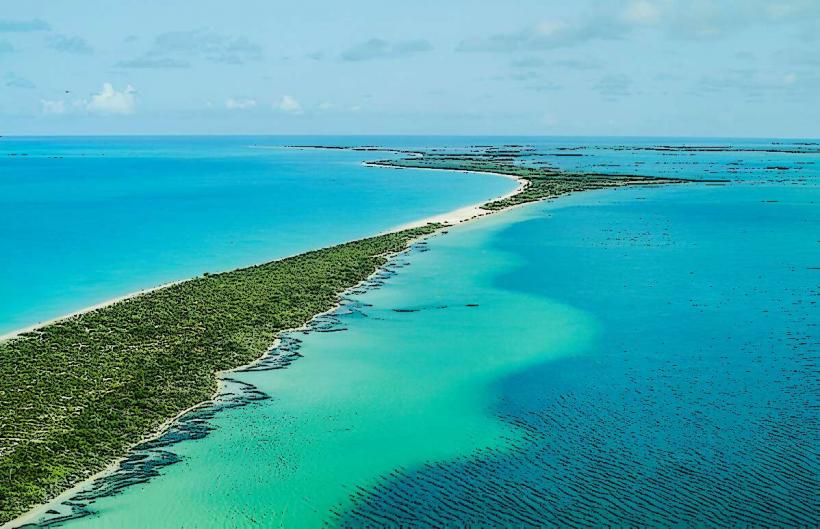
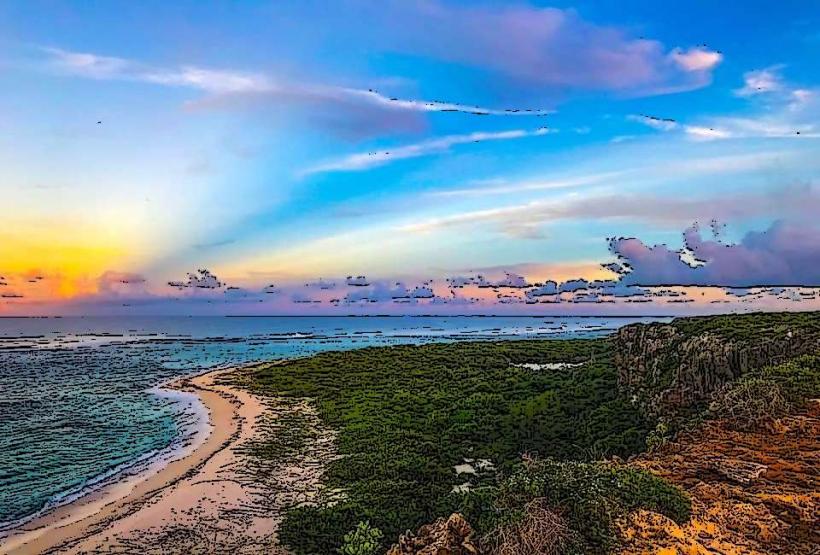
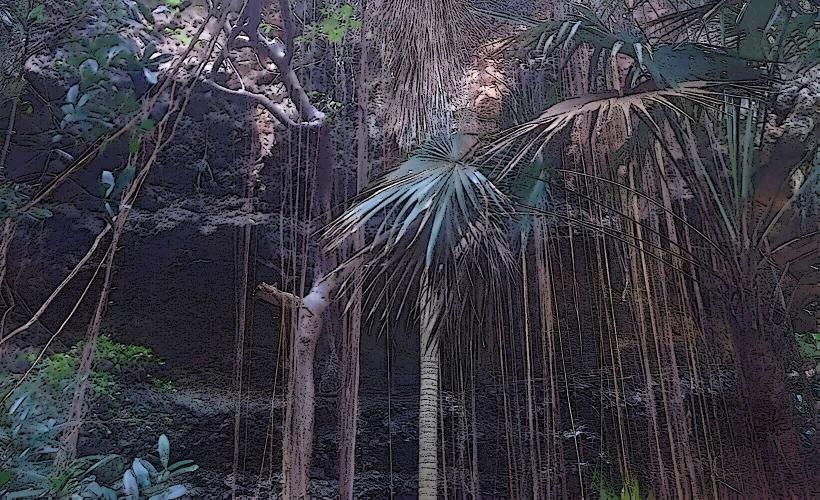
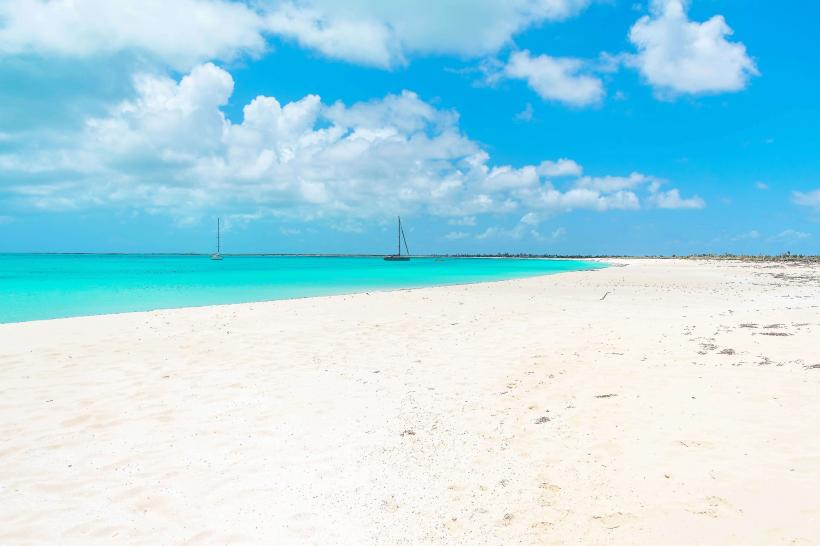
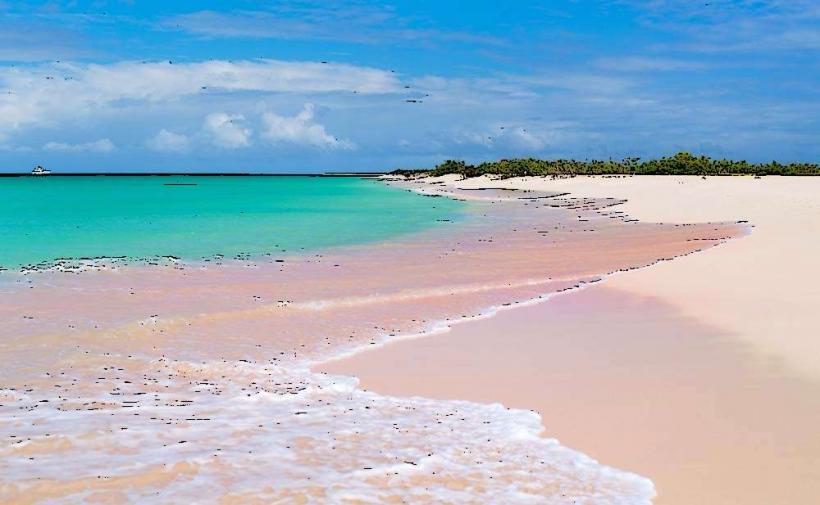
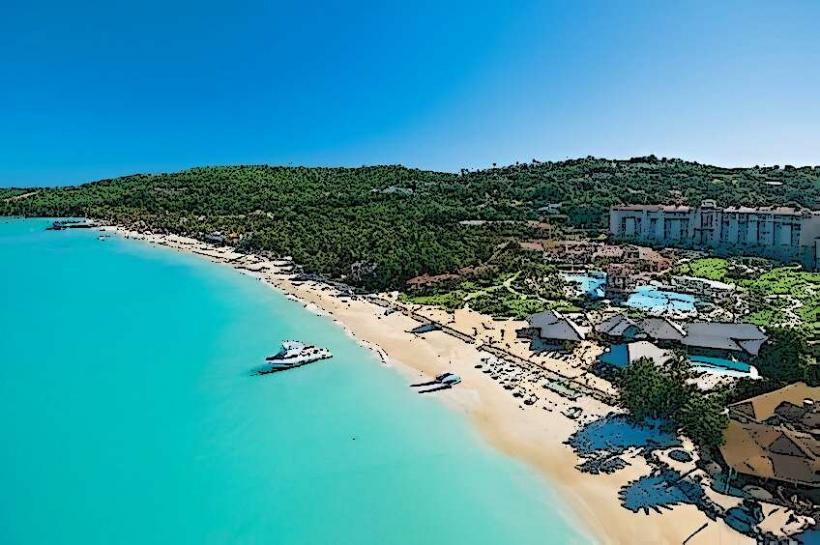
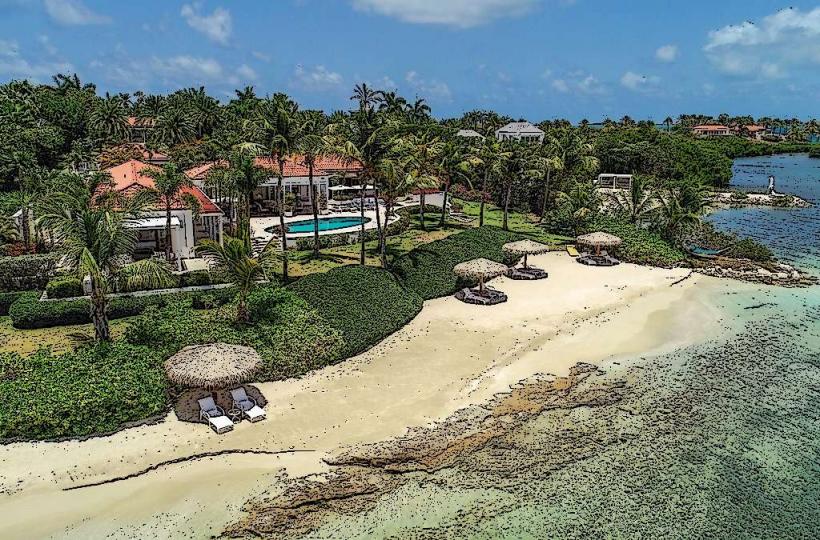
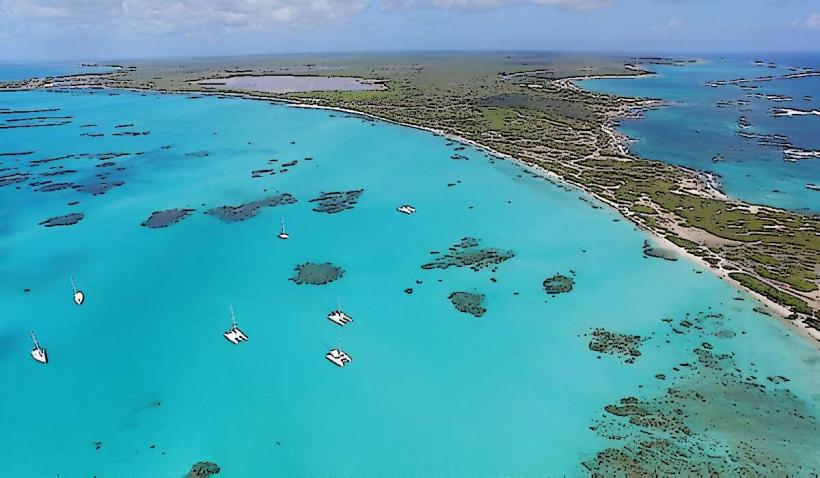
The island is characterized by low-lying scrub vegetation and sandy shores. Its coastline is irregular, with small coves and exposed coral formations visible at low tide. The water surrounding Goat Island is shallow and exhibits a clear turquoise hue.
Location & Access Logistics
Goat Island is located approximately 1.5 kilometers west of Codrington village. Access is primarily by small boat or private vessel. There is no regular ferry service. Local boat operators in Codrington can arrange transport, typically requiring a pre-booked arrangement. Parking for vehicles is available in Codrington village, near the waterfront.
Historical & Ecological Origin
Goat Island is a natural landform, likely formed by the accumulation of coral debris and sand over time, characteristic of the Barbuda bank. Its ecological classification is a small coastal islet supporting xerophytic vegetation adapted to saline conditions.
Key Highlights & Activities
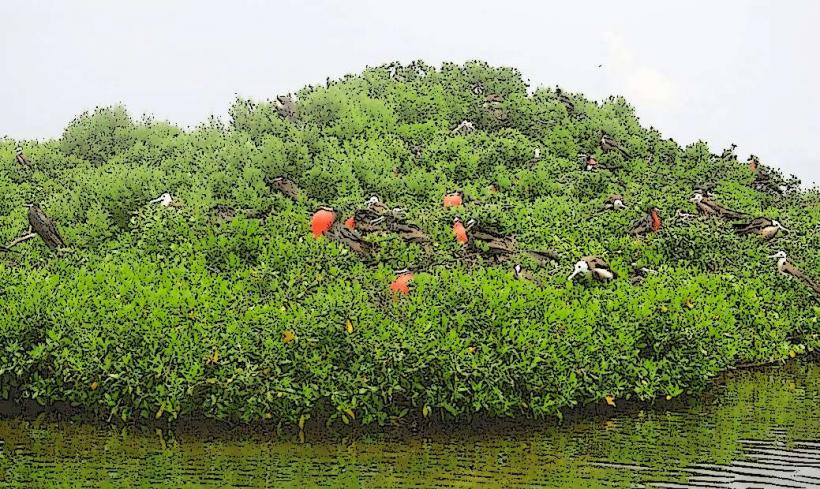
Activities include birdwatching, particularly for species that nest or forage on small islets. Snorkeling is possible in the shallow waters surrounding the island, with visibility dependent on sea conditions. Beachcombing for shells and observing marine life in tidal pools are also options.
Infrastructure & Amenities
There are no facilities or infrastructure on Goat Island. Visitors should bring all necessary supplies, including water and food. Cell phone signal is generally unreliable on the islet.
Best Time to Visit
The best time for visiting is during the dry season, from December to May, for optimal weather conditions. Mid-morning offers good lighting for photography. Low tide can expose more of the surrounding coral and marine life.
Facts & Legends
Local lore suggests the island was historically used as a temporary grazing area for goats belonging to early settlers, hence its name. No formal historical records confirm this, but the name persists.
Nearby Landmarks
- Codrington Lagoon National Park (0.8km East)
- Two Foot Bay National Park (3.5km Southeast)
- Palmetto Point (4.2km South)