Information
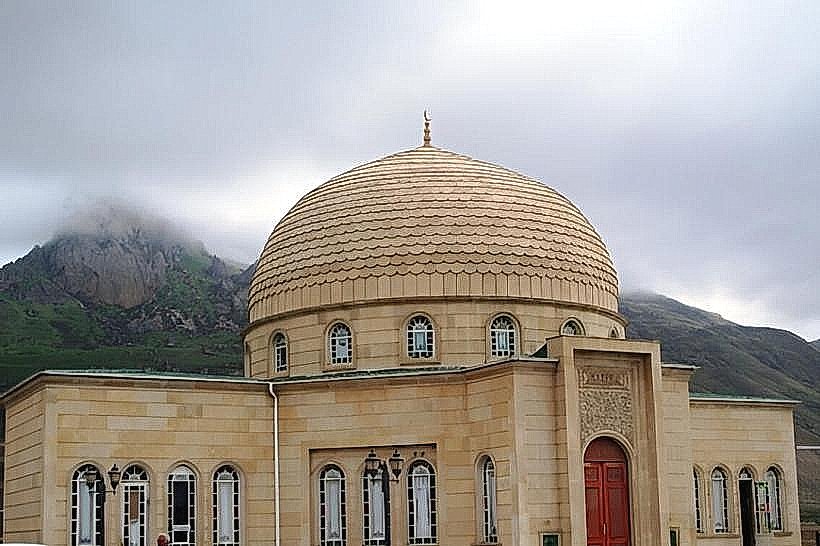
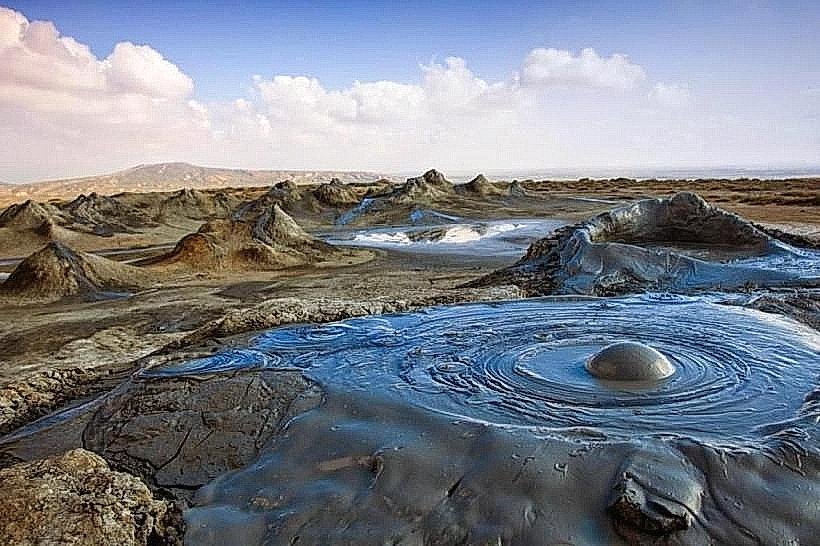
Landmark: Gobustan National ParkCity: Gobustan
Country: Azerbaijan
Continent: Asia
Gobustan National Park, Gobustan, Azerbaijan, Asia
The Granite Street Historic Buildings are a collection of early 20th-century commercial structures located on Granite Street in Barre, Vermont.
Visual Characteristics
The buildings are primarily constructed of granite, a material for which Barre is historically known. Facades exhibit a range of architectural styles from the period, including elements of Beaux-Arts and Renaissance Revival. Typical features include large display windows at street level, often with transom windows above, and multi-story upper floors with regularly spaced fenestration. The granite used varies in color from light grey to pinkish hues, reflecting the local quarry output. Rooflines are generally flat or low-pitched, often concealed by parapets.
Location & Access Logistics
Granite Street is situated in the central business district of Barre, Vermont. It is accessible directly from Main Street (US Route 302). The buildings are located within a 0.5km stretch of Granite Street, commencing approximately 0.2km west of the intersection with Main Street. On-street parking is available along Granite Street and adjacent side streets, with time limits typically enforced. The Barre Transportation Center, serving local and regional bus routes, is located approximately 0.8km southeast of the primary building cluster.
Historical & Ecological Origin
The majority of the buildings on Granite Street were constructed between 1900 and 1930. This period corresponds with Barre's peak as a global center for granite quarrying and manufacturing. The buildings served as offices, showrooms, and workshops for granite businesses, as well as supporting commercial enterprises. The geological origin of the granite itself is Precambrian metamorphic rock, formed deep within the Earth's crust and later exposed through glacial activity and erosion.
Key Highlights & Activities
Visitors can observe the architectural details of the granite construction. Walking tours focusing on Barre's granite heritage can be arranged through local historical societies. Photography of the building facades is permitted. Some ground-floor businesses may offer retail experiences related to local crafts or history.
Infrastructure & Amenities
Restrooms are generally available within operating businesses during their business hours. Shade is provided by building overhangs and awnings. Cell phone signal (4G/5G) is typically strong in this downtown area. Food vendors and restaurants are located on Main Street and surrounding blocks.
Best Time to Visit
For optimal viewing of architectural details and to avoid crowds, visiting during weekday business hours (9:00 AM to 5:00 PM) is recommended. Mid-morning light (10:00 AM - 11:00 AM) provides good illumination for facade photography. Weather is generally most favorable from June through September.
Facts & Legends
A specific architectural feature to note is the use of carved granite ornamentation, often depicting motifs related to the granite industry, such as tools or quarry scenes. It is said that many of the artisans who worked on these buildings were immigrants from Italy, bringing their stone-carving expertise to Barre.
Nearby Landmarks
- Barre Opera House (0.3km Northeast)
- Aldrich Public Library (0.4km Northeast)
- Barre Historical Society Museum (0.5km Northeast)
- Central Vermont Railway Depot (0.7km Southeast)