Information
Landmark: Great GuildCity: Riga
Country: Latvia
Continent: Europe
Great Guild, Riga, Latvia, Europe
Overview
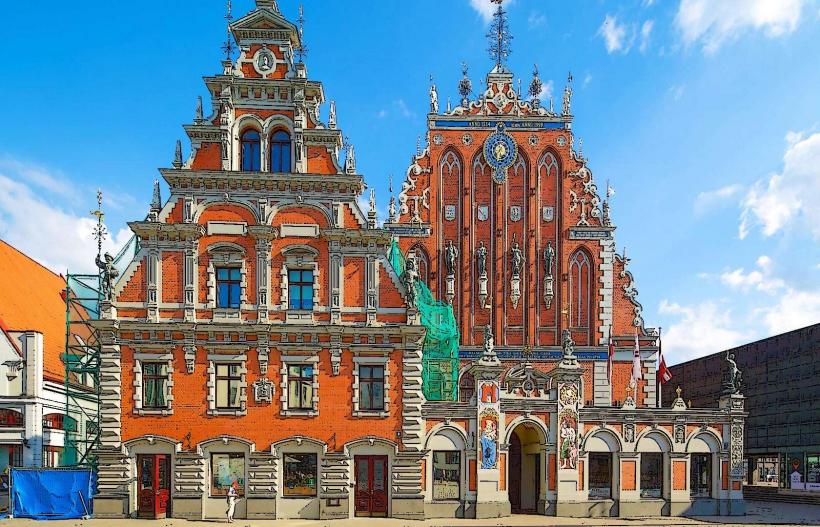
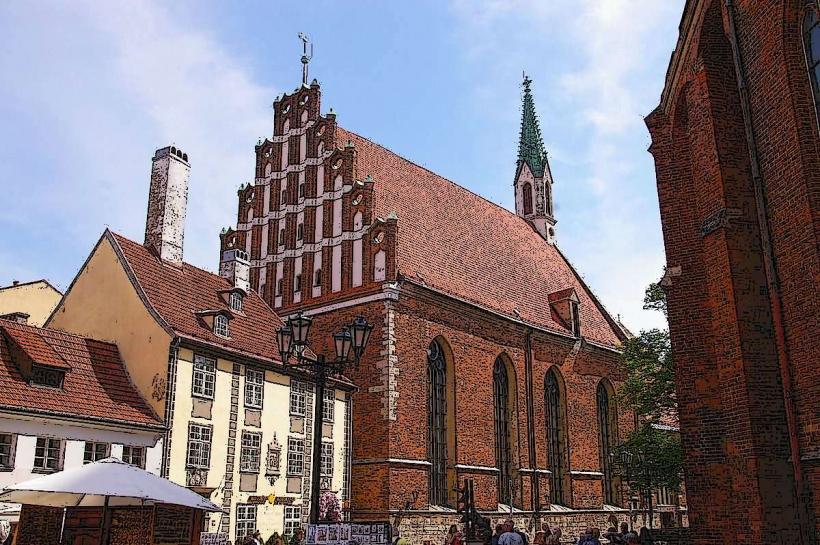
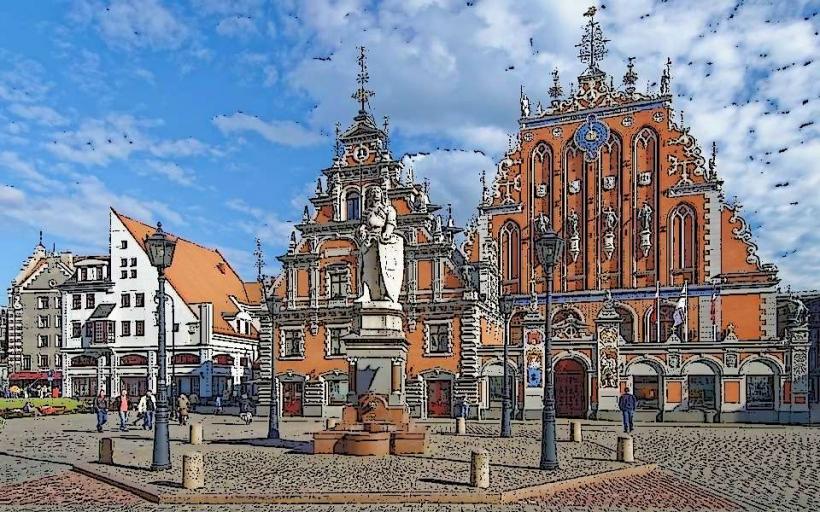
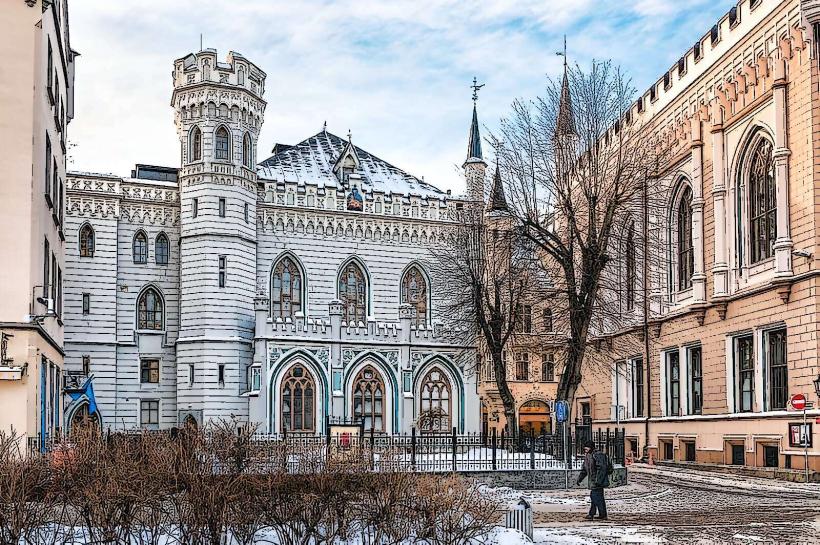
The Great Guild (Latvian: Lielā ģilde) stands as one of Riga’s most significant historic buildings, a landmark woven into the city’s medieval streets and rich cultural past, as well as built in the 14th century, the Guild bustled with Riga’s merchants and craftsmen, their voices echoing off the timbered walls as they met to trade and plan.As you can see, Today it’s housed in the Latvian National Museum of Music, where polished wood floors and quiet displays keep its role as a living hub for culture and heritage alive, besides first.Historical significance: an A, consequently founded in 1354, the Great Guild served as both a corporate association for Riga’s merchants and wealthy citizens and a meeting hall where the city’s most powerful voices gathered beneath its timbered roof.Interestingly, It belonged to the broader tradition of medieval city guilds-groups of craftsmen or traders, like blacksmiths or weavers, who joined forces to protect their craft, what’s more guilds shaped the city’s economic, political, and social life, and the hall was built not just to host their meetings, but to stand as a proud symbol of Riga’s wealthy trading elite, its tall windows catching the afternoon light, roughly City leaders gathered there, while guild members traded news, planned events, and handled their own affairs, not only that built in the Gothic style, the hall rose during Riga’s medieval boom, its pointed arches a quiet boast of the city’s wealth.Interestingly, Over the centuries, the Great Guild saw major changes and rebuilds, moreover its towering façade, carved with intricate stonework, still draws the eye with pointed arches, vaulted ceilings, and other hallmarks of medieval design.I think, Over the years, designers wove in touches of Renaissance elegance and Baroque drama, especially after later renovations that left marble scrolls gleaming in the light, also merchant and Craft Guilds: The Great Guild served as Riga’s bustling hub for merchants and artisans, steering the city’s trade and daily business from within its echoing hall.The guild was a cornerstone for the city’s elite merchants and traders, many tied to the bustling Baltic Sea trade where ships creaked under the weight of timber and grain, on top of that the Great Guild shaped the city’s economy and social life, from setting trade rules to taxing merchants and fixing the price of bread.Curiously, Membership was rare and sought after, reserved for the city’s most powerful citizens, on top of that it gave them economic clout and political sway, with the guild helping to shape the city’s growth and its rules; beyond trade, the Great Guild bustled as a destination where neighbors gathered, sharing news over the smell of fresh bread from the market.The Great Guild buzzed with banquets, lively festivals, and concerts where members mingled over goblets of wine, shared stories, and toasted their successes, consequently it also played a key role in championing the arts across Riga.The guild’s members backed musicians, artists, and performers, and the hall often buzzed with concerts or the scent of fresh paint from an art show, and but over the centuries, as Latvia’s politics shifted, the Great Guild’s influence in Riga’s government and social scene slowly faded.In the 19th century, with trade shifting and society reshaping itself, the once-powerful guild system began to fade, its meeting halls growing quieter each year, therefore once a gathering destination for the city’s elite, the grand antique guildhall sat quiet after the guild system dissolved, hosting concerts and art shows for a time before, in the 20th century, becoming the Latvian National Museum of Music.Today, the Great Guild holds the Latvian National Museum of Music, first opened in 1923, where polished wood floors still echo with the sound of past performances, alternatively the museum celebrates Latvia’s musical heritage, guarding everything from gleaming brass trumpets to fragile composers’ manuscripts and rare historical documents tracing the nation’s musical growth.As far as I can tell, Visitors can wander through exhibits on folk songs sung by generations, the rise of classical music, the work of Latvian composers, and traditions that still echo today, meanwhile the museum often buzzes with concerts, exhibitions, and hands-on workshops for visitors of every age, securing its location as one of Riga’s cultural cornerstones, maybe To be honest, While the Great Guild’s interior has been adapted to fit the museum’s needs, its weathered stone façade still stands untouched, preserving the building’s historic charm, moreover the Gothic facade, with its weathered stone arches, still stands tall, bearing witness to the building’s long past and its locale in the medieval heart of Riga.From the street, you can spot the Great Guild right away-its towering Gothic facade rises with pointed arches, carved stone patterns, and fine details etched around tall windows and heavy doors, in conjunction with the three-story building wears a steep, pitched roof, and sunlight glints off a row of broad windows.Stone carvings and sculpted details on the façade proudly display the guild’s wealth and standing in medieval times, what’s more inside, the space has been adapted for the museum, yet a few original touches-like the heavy oak beams-still remain.Some rooms still show off their Gothic arches, and you can wander through the grand ballroom and meeting halls where guild members once debated and celebrated under flickering candlelight, at the same time the vast rooms and soaring ceilings create a dramatic backdrop for concerts and exhibitions, tying the museum’s musical treasures to the guildhall’s rich past.The Great Guild stands as a striking piece of medieval architecture and a cornerstone of Riga’s history and culture, also by becoming the Latvian National Museum of Music, it keeps its spot at the heart of Riga’s cultural life, while its historic stone walls still whisper of the city’s medieval past and the guilds that once shaped its trade and society.Whether you’re drawn to Riga’s medieval past, its rich musical traditions, or the ornate carvings on its grand facades, you’ll find the Great Guild worth a stop right in the city’s heart.
Author: Tourist Landmarks
Date: 2025-09-06