Information
Landmark: Grgeteg MonasteryCity: Novi Sad
Country: Serbia
Continent: Europe
Grgeteg Monastery, Novi Sad, Serbia, Europe
Overview
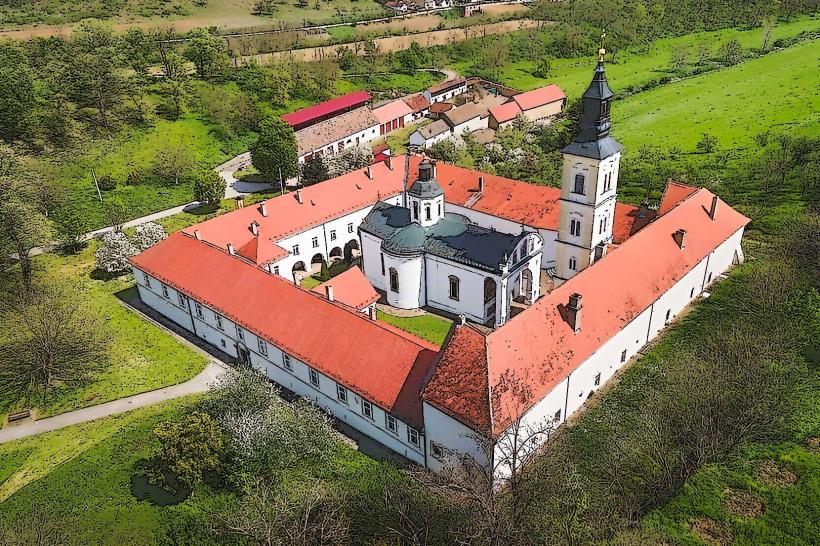
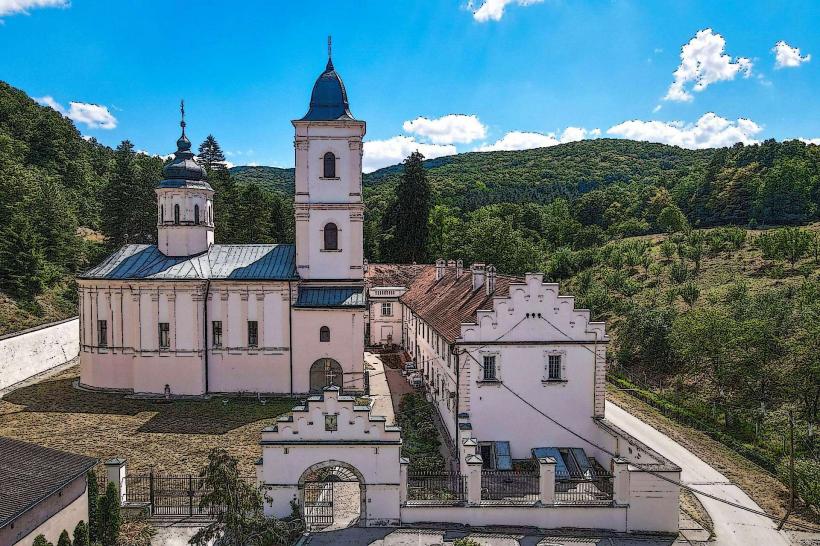
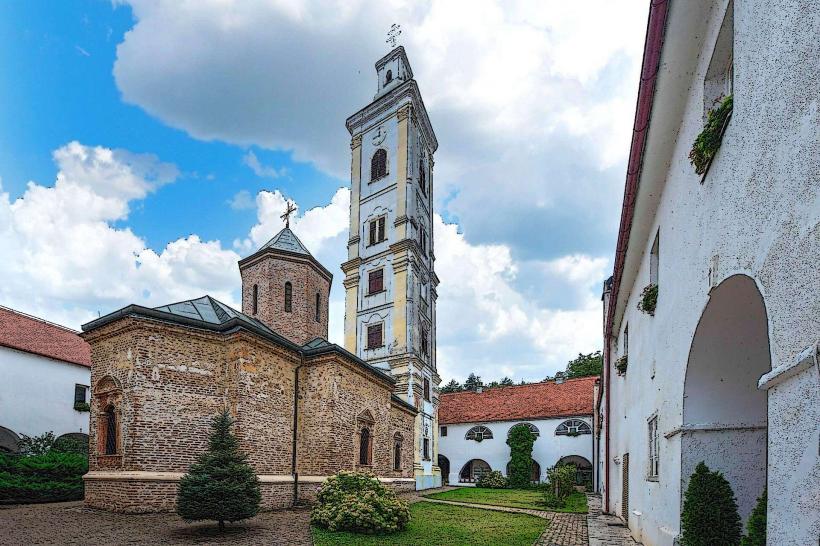
Perched on the wooded slopes of Fruška Gora in northern Serbia, near Sremski Karlovci, Grgeteg Monastery (Serbian: Manastir Grgeteg) stands as one of the most significant monasteries of the Serbian Orthodox Church, equally important it sits roughly 10 kilometers south of Novi melancholy, just a short drive past fields that roll toward the city, so visitors can reach it with ease.The monastery is a treasured part of Serbian heritage, carrying deep religious meaning for the Orthodox Church and rich cultural and historical weight for the wider Serbian community, subsequently no one knows the monastery’s exact founding date, though most believe it took shape in the early 1500s-perhaps around 1516, when the stone walls first caught the morning sun.The Branković family, one of Serbia’s most influential noble houses, likely built the monastery, which became a center of faith and culture during the Ottoman Empire and the early Habsburg rule, alternatively like many monasteries in Fruška Gora, Grgeteg’s walls bore the scars of damage from the Ottoman occupation.During this time, wars and political turmoil left many monasteries abandoned or in ruins, their courtyards overgrown with weeds, consequently yet Grgeteg endured, holding brisk as a spiritual refuge through the darkest days for the Serbian Orthodox community.After the Ottomans withdrew, the Habsburgs oversaw its restoration, with much of the rebuilding taking area in the 18th century during Austrian rule, subsequently it grew into a vital part of the Serbian Orthodox Church’s religious and cultural life, especially after the Patriarchate of Karlovci was established in the region.In the 19th century, the monastery helped fuel the Serbian national revival and spread Orthodox Christianity, as a result by the 20th century, after the stone walls had been scarred by both World Wars, it was restored once again.The site is still alive with faith, home to a vibrant monastic community and daily services where incense drifts through the air, meanwhile the monastery’s main church is dedicated to the Holy Trinity.Curiously, The church showcases a Serbian medieval style, touched with Byzantine grace and Baroque flourish, also its tall, narrow bell tower-visible from the cobblestone path-is the monastery’s most recognized landmark.The church’s design reflects the clean, graceful lines of Moravian architecture, simple yet striking, like white walls catching morning light, then inside, vivid frescoes and timeworn icons trace the monastery’s history across centuries.The frescoes show vivid scenes from the lives of Christ, the Virgin Mary, and various saints, alongside traditional Serbian Orthodox designs, while inside the church, some walls still bear the rich colors laid down by celebrated Serbian artists in the 18th century, while others display the brighter, fresher touch of more recent work.The church’s iconostasis stands out with its finely carved wooden panels and vivid icons, treasured for both their beauty and spiritual meaning, at the same time around it, the monastery spreads into quiet stone cells where monks live and a warm refectory that smells faintly of fresh bread.The buildings are plain, mirroring the simple life of the monks, along with in the courtyard, where a petite garden blooms beside shaded benches, the quiet invites reflection, in a sense Grgeteg Monastery remains a living heart of Serbian Orthodox faith, holding daily liturgies, prayers, and seasonal celebrations, after that the monastery serves as a venue of worship for local Serbian Orthodox believers and draws pilgrims from across Serbia; for centuries under foreign rule, it’s been a refuge for faith, guarding the spirit and traditions of its people, loosely Inside, faded frescoes, gilded icons, and delicate manuscripts stand as enduring treasures of Serbian Orthodox art and culture, to boot over the centuries, many of these items have been carefully preserved, offering a vivid glimpse into the artistic growth of the Serbian Orthodox Church.Like other monasteries scattered across Fruška Gora, Grgeteg played a key role in safeguarding Serbian literary and religious traditions, even under foreign rule, at the same time today, with its white stone walls and quiet courtyard, it stands as one of the most visited pilgrimage sites in the region.It’s one of several monasteries scattered along Fruška Gora, their bells and stone walls marking a pilgrimage route cherished by Serbian Orthodox Christians, in addition people visit the monastery for its rich history, vibrant culture, and quiet spiritual retreats, where incense drifts through sunlit halls.Tucked away in a tranquil corner of Fruška Gora National Park, it’s surrounded by rolling green hills alive with birdsong and rare wildflowers, what’s more you can drive there from Novi sorrowful or Sremski Karlovci, making it perfect for a day trip or a stop on a longer journey through Fruška Gora, slightly The monastery rests in a quiet clearing, wrapped in forest and meadow, with the mountains rising soft and green in the distance, along with visitors can soak in the quiet air of the location, pause for a moment of spiritual reflection, or wander the pine-scented trails of the nearby national park.The monastery welcomes guests all year, not only that the monastery is still an active area of worship, so visitors should be respectful and follow the rules, especially during services when chanting fills the hall.Truthfully, There’s no admission fee, but donations help keep the building maintained and restored, to boot you’re free to explore on your own, though guided tours are offered for those who want to dive deeper into its history, architecture, and spiritual traditions.Local guides and monks often lead tours, sharing stories that bring the monastery’s spiritual and historical roots to life-like pointing out the faint scent of incense still clinging to the chapel’s wooden doors, besides grgeteg Monastery remains a treasured spiritual and cultural landmark in Serbia’s Fruška Gora region, drawing visitors eager to experience Serbian Orthodox faith, history, and art, partially Frankly, With its centuries-timeworn history, graceful stone arches, and peaceful grounds where you can hear the wind in the trees, it’s a destination anyone drawn to Serbia’s religious and cultural heritage shouldn’t miss, at the same time whether you’re drawn by faith, fascinated by history, or just eager to wander Fruška Gora’s sunlit trails, Grgeteg Monastery welcomes you with a quiet, deeply moving experience.
Author: Tourist Landmarks
Date: 2025-09-02