Information
Landmark: Hakutsuru Sake Brewery MuseumCity: Kobe
Country: Japan
Continent: Asia
Hakutsuru Sake Brewery Museum, Kobe, Japan, Asia
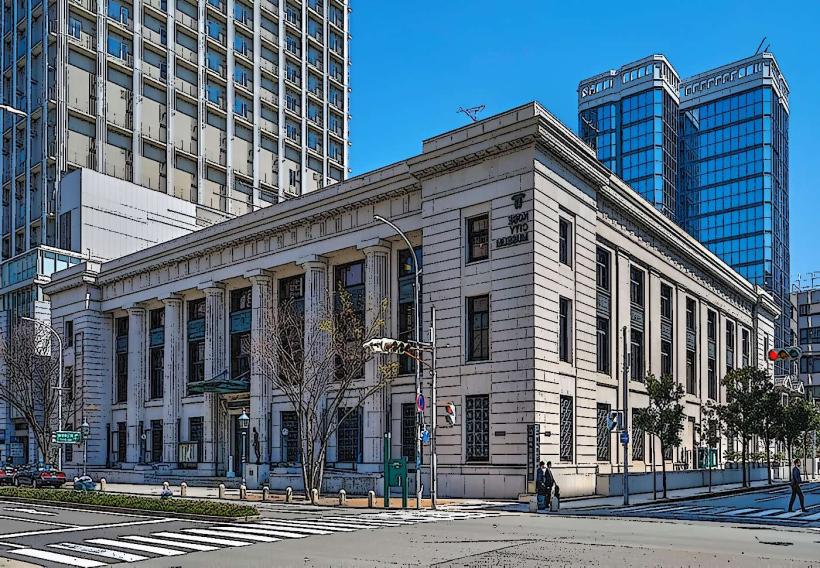
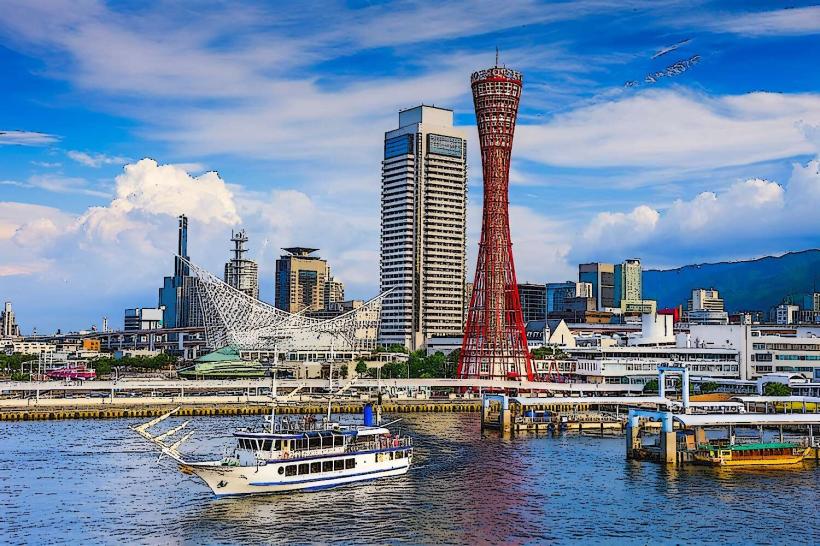
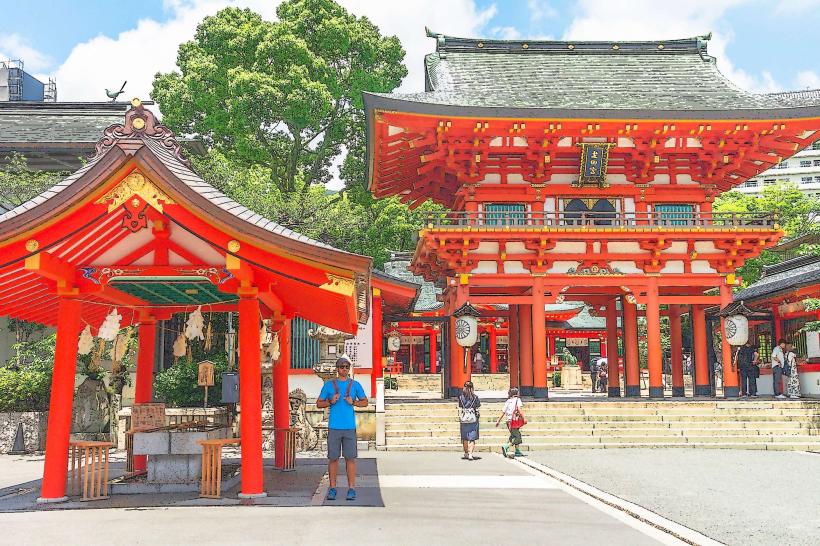
The Hakutsuru Sake Brewery Museum (白鶴酒造資料館, Hakutsuru Shuzō Shiryōkan) is a fascinating museum located in Kobe, Japan, dedicated to the history and craftsmanship of sake (Japanese rice wine). It is one of the most prominent museums of its kind and provides an in-depth look at the process of brewing sake, as well as the culture and history surrounding this traditional Japanese beverage. The museum is situated in the Nada district of Kobe, which is famous for being one of Japan’s top sake-producing regions.
1. Overview and Location
- Address: 6-3-1, Higashi-Sumoto-cho, Higashinada-ku, Kobe, Hyogo Prefecture, Japan.
- Access: The museum is easily accessible by public transportation. It is a short walk from the Motomachi Station on the JR Line or Sumoto Station. The museum is located in the heart of Nada, an area renowned for its sake breweries. It is close to other sake-related attractions, such as the Sake Breweries of Nada and the Sake Street.
2. History of Hakutsuru Sake
The Hakutsuru Brewery was established in 1743 and has since become one of the most recognized and respected sake breweries in Japan. The brewery has a rich history spanning over 270 years, during which it has maintained a commitment to producing high-quality sake using traditional brewing methods, while also adapting to modern techniques.
- Hakutsuru literally means "white crane," and the brand is symbolized by a white crane in its logo, reflecting the purity and high quality of the sake.
- The museum is located within the Hakutsuru Sake Brewery, and visitors can learn about the brewery’s history, its production methods, and the significance of sake in Japanese culture.
3. Museum Highlights
The Hakutsuru Sake Brewery Museum provides a unique opportunity for visitors to explore the art of sake-making. The museum showcases the history of sake production, the brewing process, and the ingredients that make up this iconic drink. Here are some of the key features:
A. Sake Brewing Process
The museum offers a detailed walkthrough of the traditional process of brewing sake. Visitors can learn about the four main ingredients used to make sake: rice, water, yeast, and koji mold (which is essential for fermenting the rice). The museum explains how these ingredients are carefully prepared and combined to create different types of sake, and the various stages involved in brewing.
- Rice Polishing: Visitors will learn how the rice is polished to remove the outer layers and improve the quality of the sake. The degree of polishing is essential in determining the final flavor and quality of the sake.
- Fermentation: The fermentation process, where yeast and koji mold break down the rice starches into sugars, is explained in detail. The museum shows how fermentation is controlled to produce a range of sake styles, from sweet to dry.
- Maturation: After fermentation, the sake is aged to allow its flavors to mature. The museum provides insights into how different storage methods can affect the flavor profile of the sake.
B. Historical Artifacts and Displays
The museum houses an impressive collection of historical artifacts related to the history of sake brewing and the Hakutsuru brewery. Visitors can see antique brewing equipment, old labels, advertisements, and other memorabilia from the past, showcasing the evolution of sake production over the years.
- Traditional Brewing Tools: The museum displays old brewing equipment, such as wooden barrels, rice polishing machines, and fermentation tanks, which were once used in the sake production process.
- Advertising Materials: The collection includes vintage advertisements, labels, and promotional materials from Hakutsuru and other sake brands, offering a glimpse into how sake was marketed in different eras.
C. Tasting Room
One of the most popular features of the Hakutsuru Sake Brewery Museum is the sake tasting room. Visitors can sample a variety of Hakutsuru sake and experience the different flavors and styles of sake that the brewery produces. The tasting room offers both free and paid options, where visitors can try a selection of sake from different categories, such as:
- Junmai: Sake made with only rice, water, yeast, and koji, without the addition of distilled alcohol.
- Ginjo: A premium sake made with highly polished rice.
- Daiginjo: A more refined, high-quality sake made with rice polished to a higher degree.
- Nigori: Cloudy sake, often sweet and creamy in texture.
The tasting session provides a great opportunity to understand the variety of sake available and find out which types appeal to different tastes.
D. Sake History and Culture
The museum not only focuses on the brewing process but also offers a deep dive into the cultural significance of sake in Japan. It explores the role that sake has played in Japanese festivals, ceremonies, and everyday life. The museum also highlights the connection between sake and Japanese spirituality, as sake has been used in Shinto rituals and other traditional ceremonies for centuries.
- Sake and Japanese Festivals: The museum explains how sake is an integral part of various Japanese celebrations, such as New Year’s and weddings. Special sake is often brewed for these occasions, and its consumption is seen as a way to bring good luck and prosperity.
- Sake in Shinto Rituals: The museum discusses how sake is used in Shinto shrines during offerings to the gods, emphasizing its cultural and spiritual importance in Japan.
E. Sake-Making Demonstrations
Throughout the year, the museum hosts live sake-making demonstrations where visitors can watch skilled brewers demonstrate traditional sake-making techniques. These demonstrations provide an engaging and interactive way for visitors to witness the intricacies of the brewing process firsthand.
4. Sake Souvenirs and Gifts
At the museum’s gift shop, visitors can purchase a variety of sake-related products, including bottles of Hakutsuru sake, sake cups, sake sets, and other memorabilia. It is an excellent place to buy unique souvenirs and bring a taste of the sake culture back home.
5. Best Time to Visit
The Hakutsuru Sake Brewery Museum is open year-round, but the best time to visit depends on your interests:
- Spring (March to May): The weather is mild, making it an ideal time for a stroll through the brewery’s surroundings, which may include blooming flowers and a pleasant atmosphere.
- Autumn (September to November): Autumn is a wonderful time to visit Kobe, as the surrounding areas experience beautiful fall foliage, and the cooler weather makes exploring more enjoyable.
- Sake Festivals: If you're in town during sake-related events or festivals, you can enjoy special tastings or demonstrations at the museum.
6. Conclusion
The Hakutsuru Sake Brewery Museum offers a captivating experience for anyone interested in learning about the rich history and craftsmanship of sake production. Whether you’re a sake enthusiast or simply curious about Japanese culture, the museum provides a unique opportunity to explore the tradition of sake brewing in the Nada district-one of the most famous sake-producing regions in Japan. With its detailed exhibits, historical artifacts, sake tastings, and cultural insights, it’s an enriching experience for visitors of all ages.