Information
Landmark: Iglesia de San SebastiánCity: Loja
Country: Ecuador
Continent: South America
Iglesia de San Sebastián, Loja, Ecuador, South America
Iglesia de San Sebastián – A Historic Church in Loja, Ecuador
The Iglesia de San Sebastián (Church of San Sebastián) is one of the most significant historical and architectural landmarks in Loja, Ecuador. Situated in the heart of the city, this church is not only an important religious site but also a vital part of Loja's cultural heritage. The church has deep historical roots, with its origins dating back to the 16th century, making it one of the oldest churches in the region.
Key Features of Iglesia de San Sebastián
1. Historical Significance
- Iglesia de San Sebastián was founded in 1555, and it has played a key role in the spiritual and cultural life of Loja. The church is dedicated to Saint Sebastian, a revered Christian martyr known for his steadfast faith and his protection against the plague.
- Over the centuries, the church has undergone several renovations and reconstructions, preserving its colonial charm while adapting to the changing needs of the local population. Its history reflects the development of Loja itself, from a small colonial town to the vibrant city it is today.
2. Architectural Style
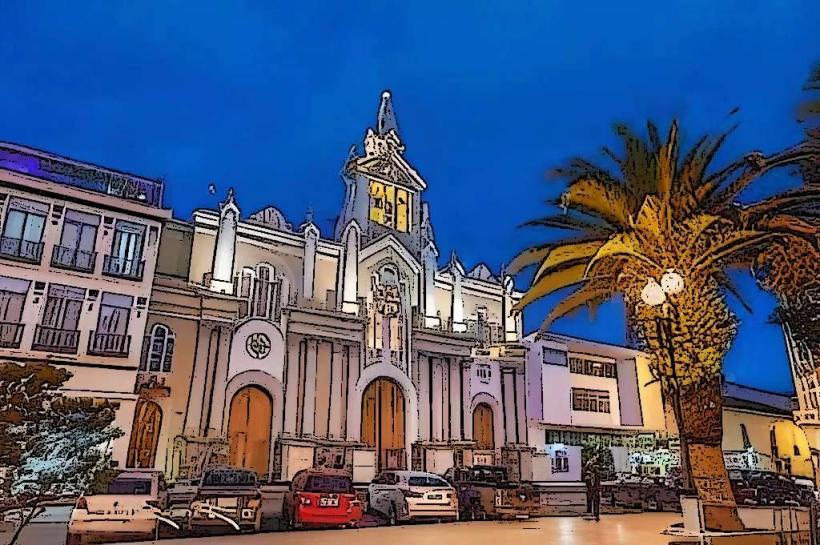
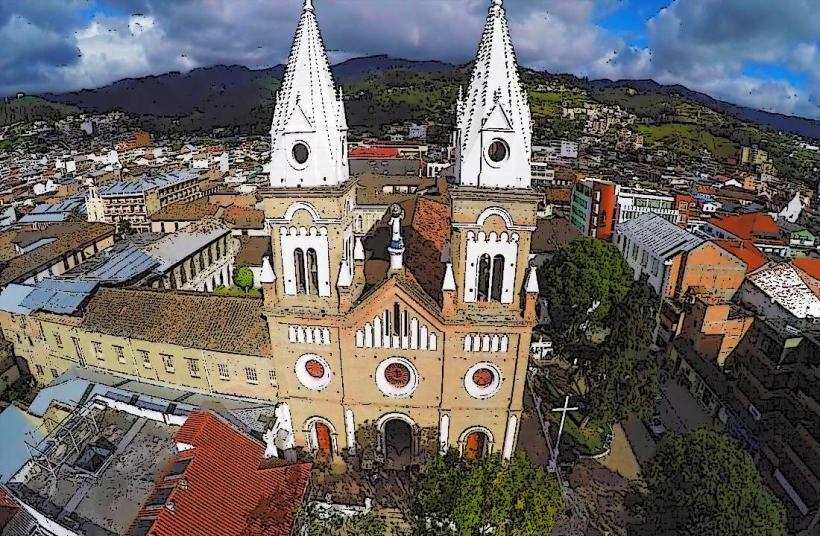
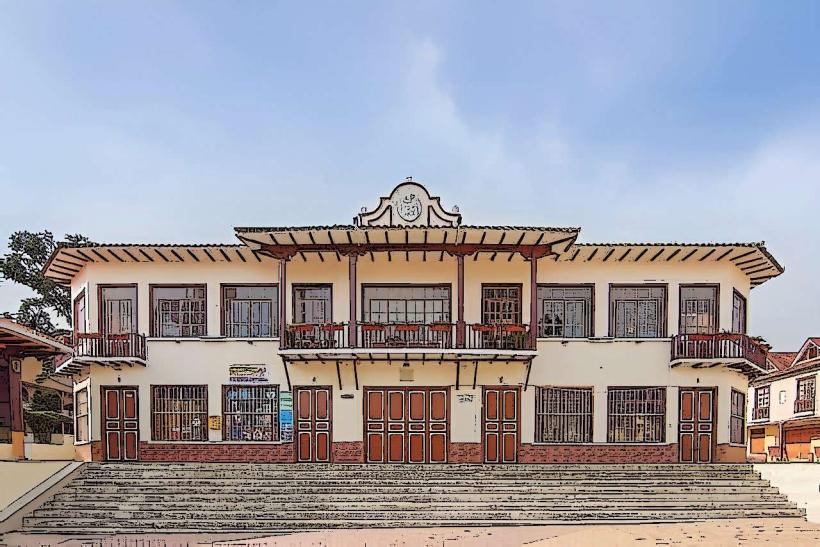
- The church is a beautiful example of colonial architecture, combining elements of Spanish Baroque and Neoclassical styles. Its whitewashed exterior, with intricate stonework and ornate details, stands out as a landmark in the city’s historic center.
- The church’s facade is characterized by its simple yet elegant design, with a central entrance flanked by twin bell towers. The towers are topped with small domes, which are typical of the colonial-era churches in the region.
- Inside, the church boasts a beautiful altar, adorned with gold leaf, and intricately carved wooden pews. The interior design reflects the religious importance of the site and offers a peaceful space for reflection and prayer.
3. Cultural and Religious Role
- The church is not just a religious site; it is also a place where locals gather to celebrate important religious festivals. The Feast of Saint Sebastian, celebrated on January 20th, is one of the major events in Loja, with vibrant processions, music, and traditional activities. This festival honors Saint Sebastian and marks a key moment in Loja’s cultural calendar.
- As one of the oldest churches in the area, the Iglesia de San Sebastián continues to serve as an active place of worship and is a center for the Catholic community in Loja. The church's role as a community hub adds to its cultural and spiritual significance.
4. Location and Surroundings
- Iglesia de San Sebastián is located in the historic center of Loja, making it easily accessible for both locals and tourists. Its proximity to other key historical landmarks in the city, such as Plaza de San Sebastián and the Municipal Palace, makes it a popular destination for those exploring Loja’s colonial past.
- The church is surrounded by charming streets lined with colonial-era buildings, making the entire area rich in history and a great place for a leisurely walk through Loja’s historical district.
5. Nearby Attractions
- Plaza de San Sebastián: This picturesque square is adjacent to the church and is one of Loja's main gathering places. The plaza is surrounded by colonial buildings, and visitors can enjoy a relaxing time in its peaceful atmosphere.
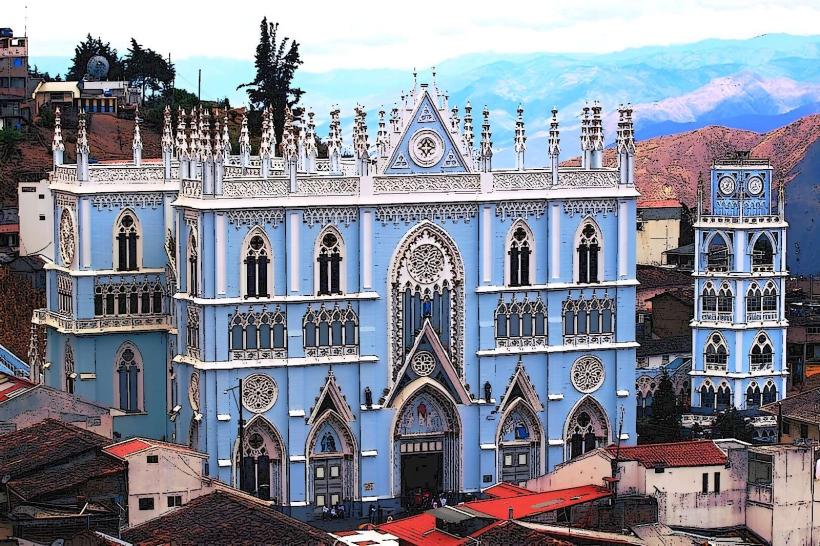
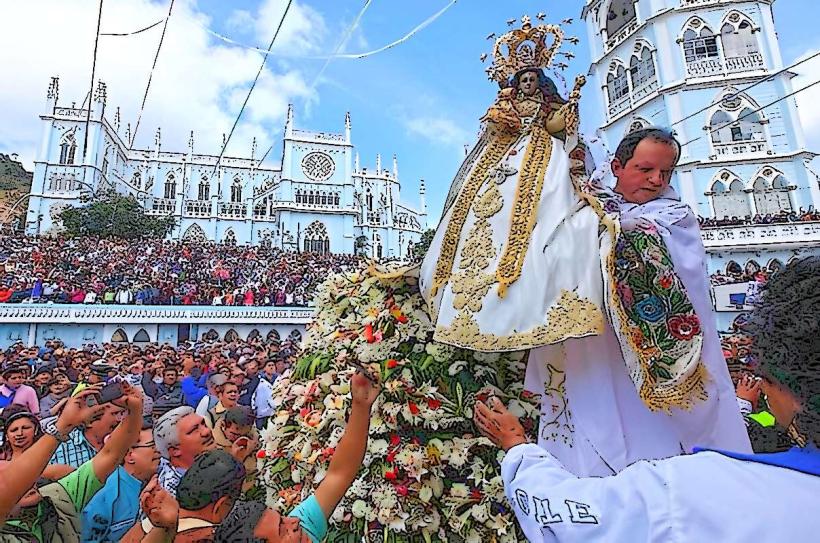
- Iglesia de la Virgen del Cisne: Another important religious site in Loja, this church houses the Virgen del Cisne (Virgin of the Swan), a revered statue that attracts thousands of pilgrims each year.
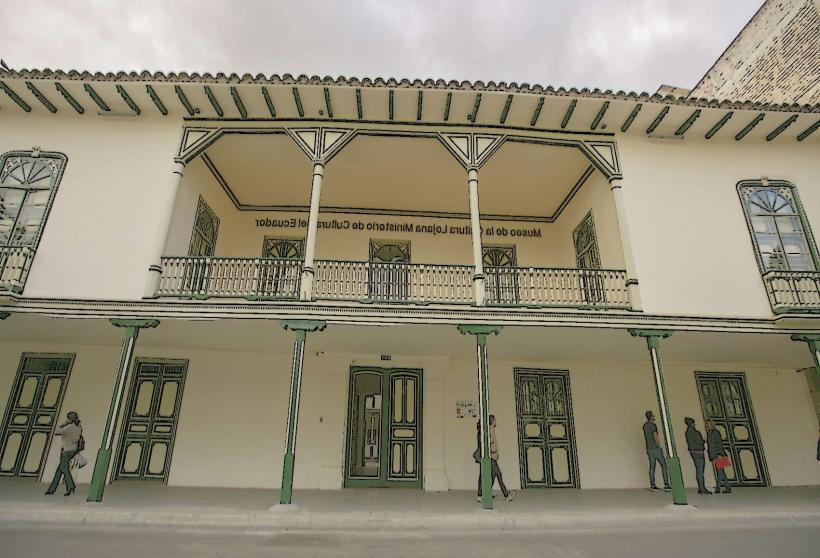
- Museo de la Cultura Lojana: A museum showcasing the history and culture of Loja, located not far from the church.
Visiting the Iglesia de San Sebastián
- Hours of Operation: The church is typically open for visits during the day, with specific hours for Mass and religious services. Visitors can attend the Mass or simply admire the church’s architecture and history during non-service hours.
- Accessibility: The church is located in the city center, easily accessible by foot or taxi. Its central location makes it a convenient stop for those exploring Loja.
- Cultural Experience: While visiting, tourists can enjoy the cultural vibrancy of Loja, taking in both the historical significance of the church and the surrounding area's blend of old-world charm and modern life.
Conclusion
The Iglesia de San Sebastián is a testament to the rich cultural, religious, and architectural heritage of Loja, Ecuador. Its colonial design, historical significance, and role in the community make it an essential stop for anyone visiting the city. Whether you’re interested in history, architecture, or simply experiencing the spiritual atmosphere, this church offers a meaningful glimpse into Loja’s past and present.