Information
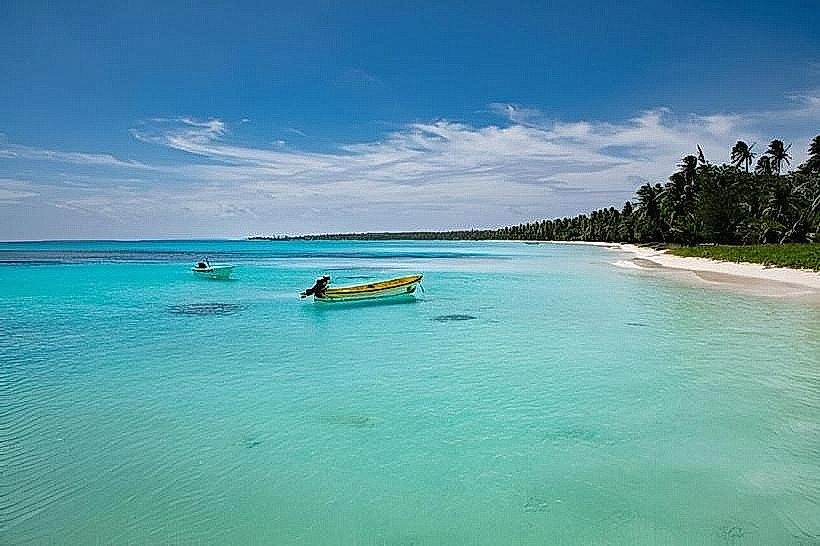
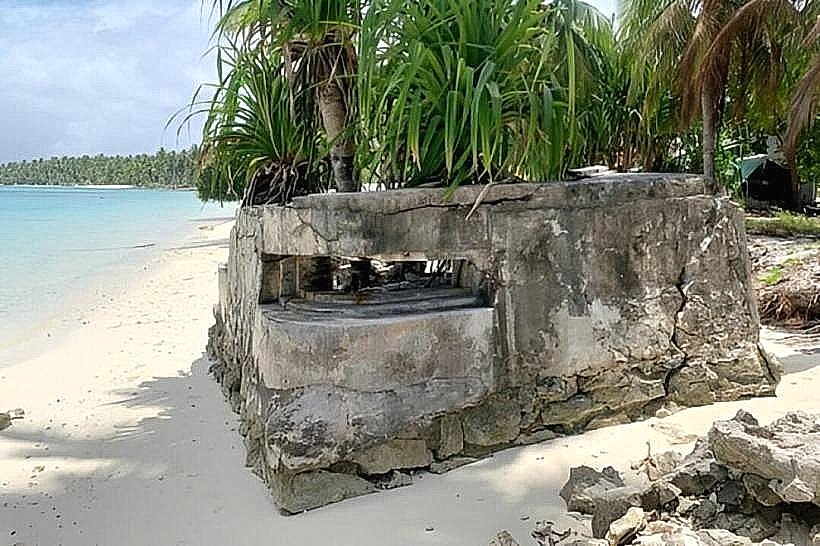
Landmark: Island Radio Station RuinsCity: Wotje Atoll
Country: Marshall Islands
Continent: Australia
Island Radio Station Ruins, Wotje Atoll, Marshall Islands, Australia
The Chiesa di San Moisè is a Roman Catholic church located in the San Marco sestiere of Venice, Italy.
Visual Characteristics
The church's facade is constructed from white Istrian stone and features a Baroque design characterized by numerous statues and elaborate carvings. It stands three stories high, with a prominent central pediment and flanking volutes. The interior is a single nave with side chapels.
Location & Access Logistics
The Chiesa di San Moisè is situated approximately 200 meters south of St. Mark's Square. Access is on foot via the Calle del Traghetto o Ca' Garzon. There is no dedicated parking; visitors must use public parking garages such as Garage San Marco or Autorimessa Comunale, both located at Piazzale Roma, a 15-minute walk away. The nearest Vaporetto stop is San Marco Vallaresso (Lines 1, 2, N).
Historical & Ecological Origin
The original church on this site was founded in the 7th century and dedicated to Saint Moses. It was rebuilt in the 10th century and subsequently underwent significant Baroque reconstruction between 1663 and 1678, largely funded by the Mocenigo family. The architect for the Baroque facade is believed to be Alessandro Tremignon.
Key Highlights & Activities
Visitors can observe the Baroque facade and its sculptural elements. Inside, the church contains several notable artworks, including a "Last Supper" by Tintoretto and a "Nativity" by Veronese. The tomb of Doge Alvise Mocenigo IV is also located here.
Infrastructure & Amenities
Restrooms are not typically available within the church. There is limited natural shade directly around the church entrance. Cell phone signal (4G/5G) is generally available in this central Venice location. Food vendors and cafes are abundant in the surrounding area, particularly near St. Mark's Square.
Best Time to Visit
The church is generally open during daylight hours, with specific times varying. Mid-morning or late afternoon offers softer light for viewing the facade. The best months for visiting Venice are April-May and September-October, avoiding peak summer heat and crowds.
Facts & Legends
The church is known for its exceptionally ornate Baroque facade, which some critics have described as overly theatrical. A local anecdote suggests the sheer number of statues was intended to impress and perhaps intimidate visitors approaching St. Mark's Square.
Nearby Landmarks
- St. Mark's Square (Piazza San Marco) - 0.2km North
- Doge's Palace (Palazzo Ducale) - 0.4km Northeast
- Bridge of Sighs (Ponte dei Sospiri) - 0.5km East
- St. Mark's Basilica (Basilica di San Marco) - 0.3km Northeast
- Correr Museum (Museo Correr) - 0.3km North