Information
Landmark: Junín National Reserve (Reserva Nacional Junín)City: Junin
Country: Peru
Continent: South America
Junín National Reserve (Reserva Nacional Junín), Junin, Peru, South America
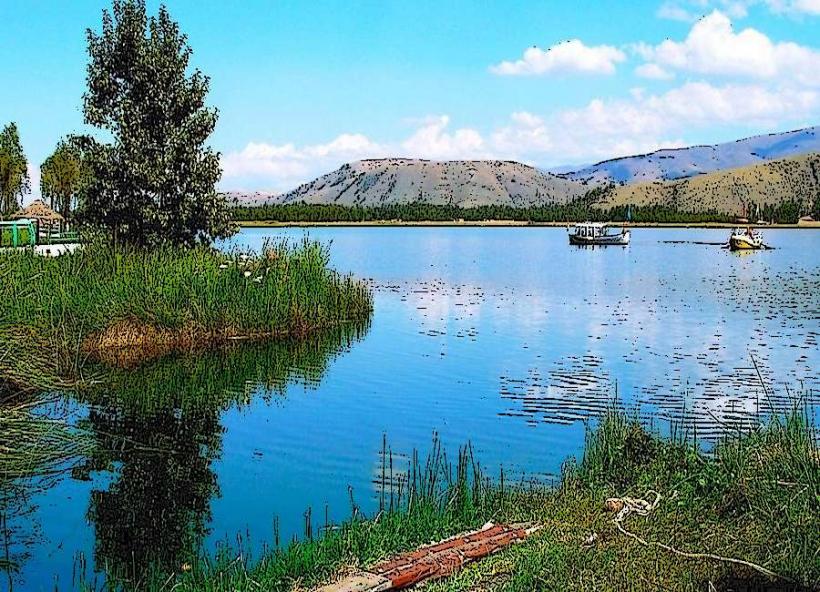
Junín National Reserve (Spanish: Reserva Nacional Junín) is a protected area located in the Junín region of central Peru. It is one of the most significant natural reserves in the Andean highlands and is vital for the conservation of local biodiversity, particularly the unique ecosystems surrounding Lake Junín (Chinchaycocha). The reserve covers approximately 500 square kilometers (193 square miles) and was created to protect the aquatic ecosystems, wetlands, and highland species that thrive in the region.
Overview of Junín National Reserve
- Location: The Junín National Reserve is located primarily around Lake Junín (Chinchaycocha), in the central Andean region of Peru. It lies in the Junín province, within the Junín region, about 50 kilometers (31 miles) west of Huancayo, the regional capital.
- Established: The reserve was created in 1974 to protect the unique wetlands and the biodiversity of the area, particularly the endangered species of the Junín grebe (Podiceps taczanowskii), an endemic bird species that is only found in the waters of Lake Junín.
Ecology and Biodiversity
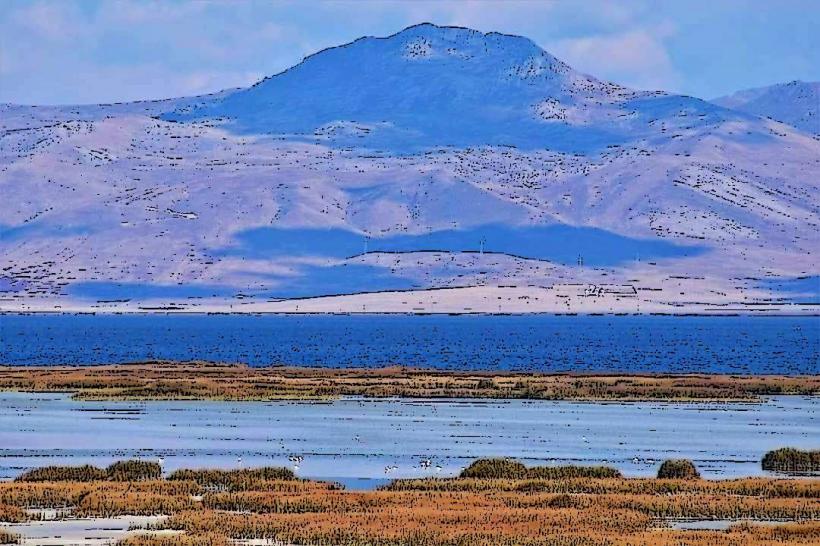
Ecosystem Diversity: The reserve encompasses a variety of ecosystems, ranging from wetlands and peat bogs to high-altitude grasslands and alpine forests. The high-altitude wetlands around the lake are particularly important, serving as crucial habitats for both migratory and resident species.
Flora: The vegetation in the reserve is adapted to the high-altitude conditions, with wetland plants, alpine grasses, and reeds being common. The surrounding hillsides are home to a variety of highland shrubs and forest remnants, with peat bogs also playing an important role in the local ecosystem.
Fauna: The Junín National Reserve is a haven for wildlife, particularly bird species. The Junín grebe is the most famous and emblematic species of the reserve. It is endemic to the area and considered endangered. Other bird species commonly found in the reserve include flamingos, ducks, herons, and geese. The wetlands also support a variety of fish species and provide food for various mammals, such as coyotes, viscachas (a type of rodent), and Andean foxes.
Waterfowl and Migratory Birds: The reserve plays an essential role in the conservation of migratory bird species that use the lake and wetland areas as resting and feeding grounds during their annual migrations. Flamingos, in particular, are a common sight around the lake during the migratory season.
Importance of Conservation
Endangered Species Protection: The Junín grebe is one of the primary reasons for the establishment of the reserve. This species is unique to the lake and faces significant threats due to habitat loss, pollution, and invasive species. The reserve plays a crucial role in providing a safe haven for this bird, as well as other endangered species found in the region.
Water Resource Protection: The reserve helps protect the water resources of the Lake Junín basin, which is an important source of freshwater for the surrounding communities. The wetland areas surrounding the lake act as natural filters, helping to maintain water quality by absorbing excess nutrients and pollutants.
Biodiversity Hotspot: The reserve is considered an important biodiversity hotspot for highland ecosystems. It provides sanctuary for numerous species of plants, birds, mammals, and aquatic life that rely on the unique conditions of the lake and its surroundings. It is also vital for scientific research into high-altitude ecosystems, conservation, and climate change impacts.
Tourism and Activities
Ecotourism and Birdwatching: Junín National Reserve is an excellent destination for ecotourism, especially for birdwatching. The reserve is home to a wide variety of bird species, making it a popular spot for nature enthusiasts and photographers. Visitors can observe the endangered Junín grebe, flamingos, and other waterfowl that inhabit the wetlands around the lake.
Boat Tours on Lake Junín: Visitors can explore Lake Junín through boat tours that provide a unique opportunity to observe the wildlife and learn about the reserve's ecology. These tours offer a closer look at the Junín grebe and other bird species and provide an opportunity to appreciate the natural beauty of the lake and its surroundings.
Hiking and Photography: The surrounding areas of the reserve are great for hiking and nature walks. The high-altitude terrain offers stunning views of the lake, the surrounding mountains, and the wetland ecosystems. Photography enthusiasts can capture breathtaking landscapes and the rich biodiversity of the reserve.
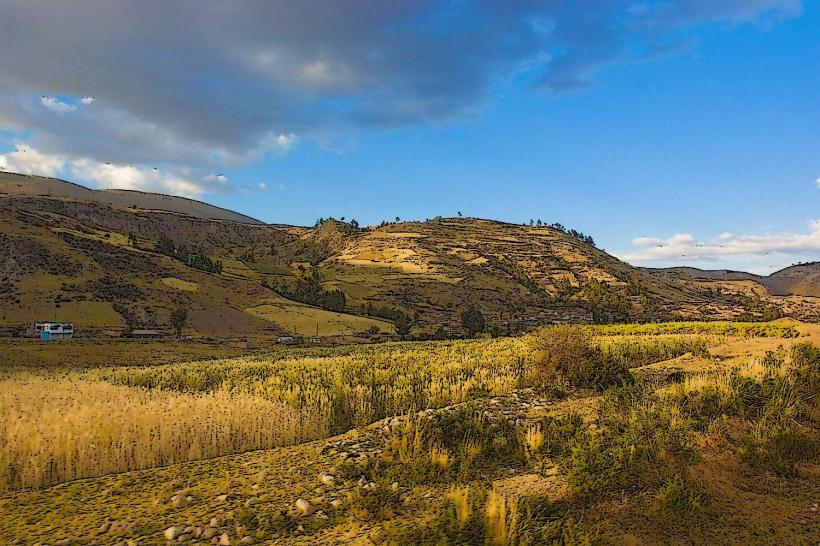
Cultural Visits: Visitors can also learn about the cultural traditions of the local Quechua communities who live near the reserve. These communities have a long-standing connection to the land and are involved in the preservation of the natural environment. Cultural visits may include learning about traditional agricultural practices, local handicrafts, and festivals.
Visitor Information
Best Time to Visit: The best time to visit the Junín National Reserve is during the dry season (from May to October), when the weather is stable and outdoor activities such as birdwatching and hiking are more enjoyable. The wet season (from November to April) can bring heavy rainfall, which can make travel and activities more difficult, though the region is lush and green during this time.
How to Get There: The reserve is accessible by road from Huancayo, which is about 50 kilometers (31 miles) away. Visitors can take a private vehicle, taxi, or guided tour to the lake and the surrounding reserve. It is recommended to hire a local guide or join an organized ecotourism tour to fully appreciate the reserve’s natural and cultural significance.
Accommodations: There are a variety of accommodations available in Huancayo, ranging from budget to mid-range hotels. For those looking for a more immersive experience, eco-lodges near the reserve offer a chance to stay close to nature. Camping options may also be available for those seeking a more adventurous experience.
Conclusion
Junín National Reserve is an invaluable natural area in central Peru, offering rich biodiversity, breathtaking landscapes, and cultural significance. As a sanctuary for the endangered Junín grebe and a critical water resource, the reserve plays a vital role in conservation efforts for both wildlife and local communities. Visitors to the reserve can enjoy a range of activities such as birdwatching, hiking, boat tours, and cultural experiences, all while contributing to the protection and appreciation of this unique highland ecosystem. Whether you're interested in nature, conservation, or Andean culture, the reserve offers a rewarding and memorable experience for all.