Information
Landmark: Jwaneng Nature ReserveCity: Jwaneng
Country: Botswana
Continent: Africa
Jwaneng Nature Reserve, Jwaneng, Botswana, Africa
Jwaneng Nature Reserve is a protected area situated near the town of Jwaneng in Botswana's Southern District.
This reserve encompasses a significant tract of semi-arid savanna landscape.
Visual Characteristics
The terrain is characterized by flat to gently undulating plains covered in sparse, dry grasses and scattered acacia trees. The soil is predominantly sandy, with occasional rocky outcrops. The vegetation density varies seasonally, being more pronounced after rainfall. The dominant tree species include various types of Acacia (e.g., Acacia erioloba, Acacia tortilis) and Terminalia sericea. The reserve's coloration shifts from muted greens and browns during the dry season to richer greens following precipitation.
Location & Access Logistics
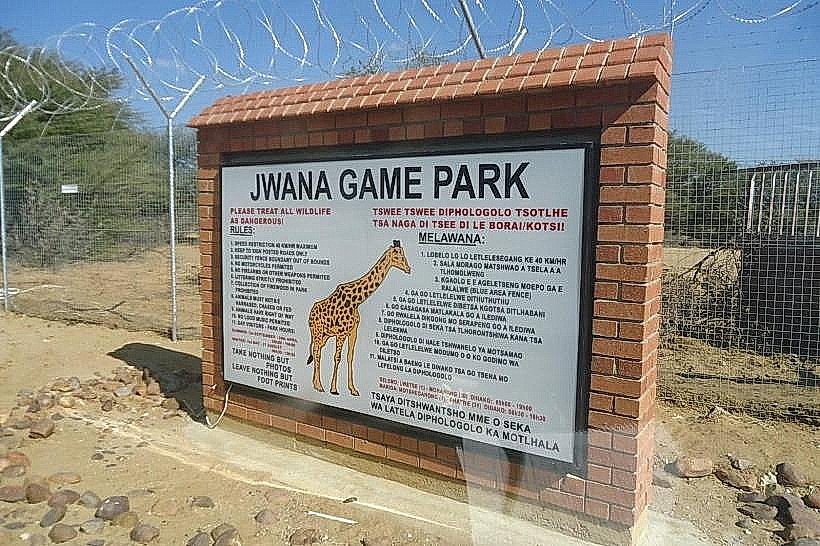
Jwaneng Nature Reserve is located approximately 10 kilometers west of Jwaneng town. Access is via the unpaved road leading from Jwaneng towards the Moshupa road, with a clearly marked turn-off for the reserve entrance. The distance from Jwaneng town center to the reserve entrance is roughly 10km. Parking is available at the main entrance gate and designated picnic areas within the reserve. No public transport directly serves the reserve; visitors typically arrive by private vehicle.
Historical & Ecological Origin
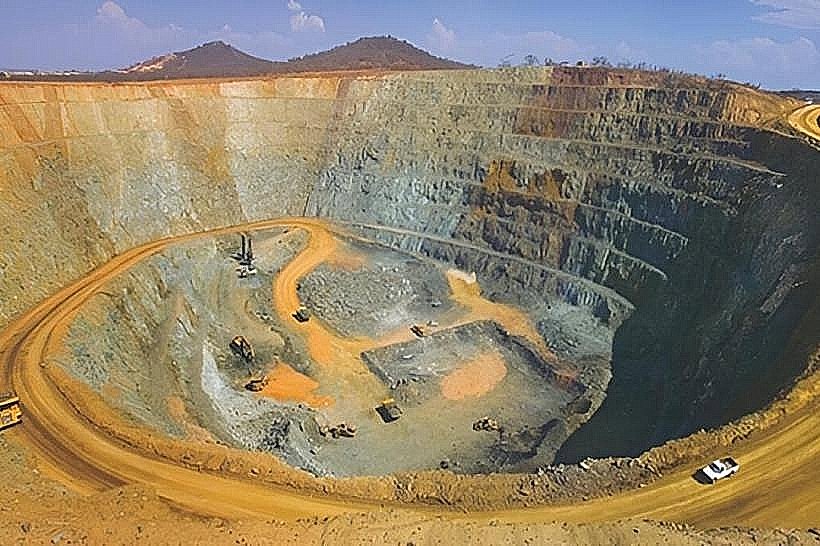
The reserve was established to protect the natural savanna ecosystem and its associated wildlife, which were impacted by human activities and the expansion of the nearby diamond mine. Ecologically, it represents a typical example of the Kalahari thornveld biome, adapted to low rainfall and high temperatures. The geological substrate is primarily Kalahari sand, overlying older basement rocks.
Key Highlights & Activities
Self-drive game viewing is the primary activity. Designated game viewing tracks allow visitors to observe local fauna. Birdwatching is also a significant activity. Designated picnic sites are available for day visitors. Hiking is not formally permitted on designated trails, but walking within sight of vehicle tracks is possible.
Infrastructure & Amenities
Basic infrastructure includes a main entrance gate with a ranger station. Several designated picnic sites are equipped with basic ablution facilities (pit latrines). Shade is provided by natural tree cover at picnic sites. Cell phone signal is intermittent and generally unreliable within the reserve.
Best Time to Visit
The best time for wildlife viewing is during the dry season, from May to October, when water sources are limited and animals congregate. The cooler months of June, July, and August offer more comfortable temperatures for daytime activities. Early morning and late afternoon provide optimal lighting conditions for photography due to softer light and increased animal activity.
Facts & Legends
The reserve is home to a population of Gemsbok (Oryx gazella), which are well-adapted to arid conditions and can survive for extended periods without drinking water. A specific tip for visitors is to carry sufficient water and fuel, as services are non-existent within the reserve boundaries.
Nearby Landmarks
- Jwaneng Diamond Mine (5km East)
- Jwaneng Town Center (10km East)
- Moshupa Village (Approx. 40km Northeast)