Information
Country: BotswanaContinent: Africa
Botswana, Africa
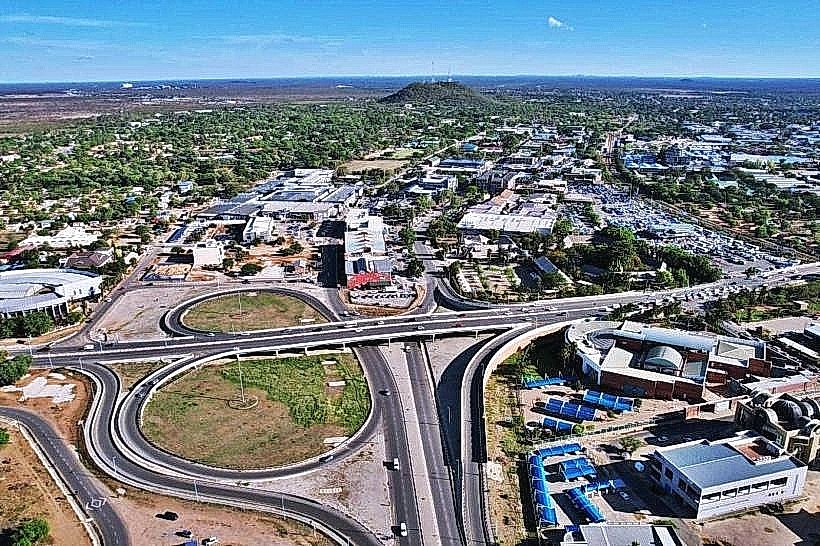
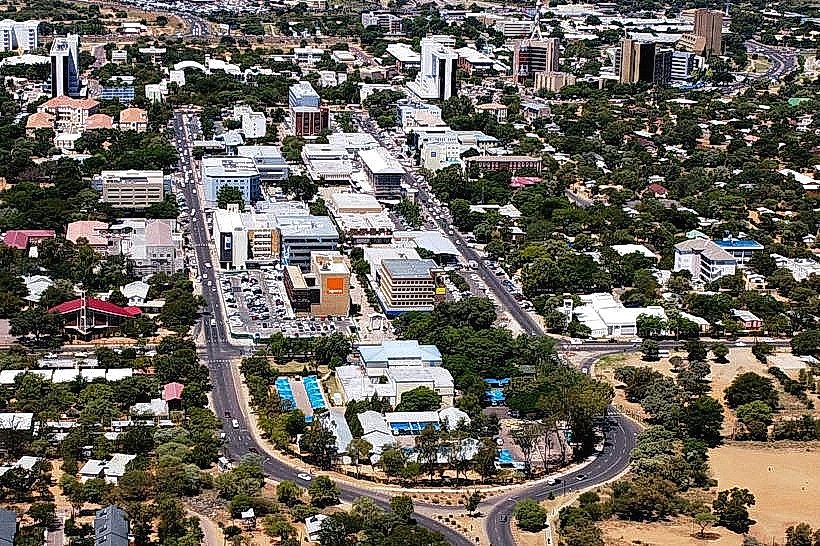
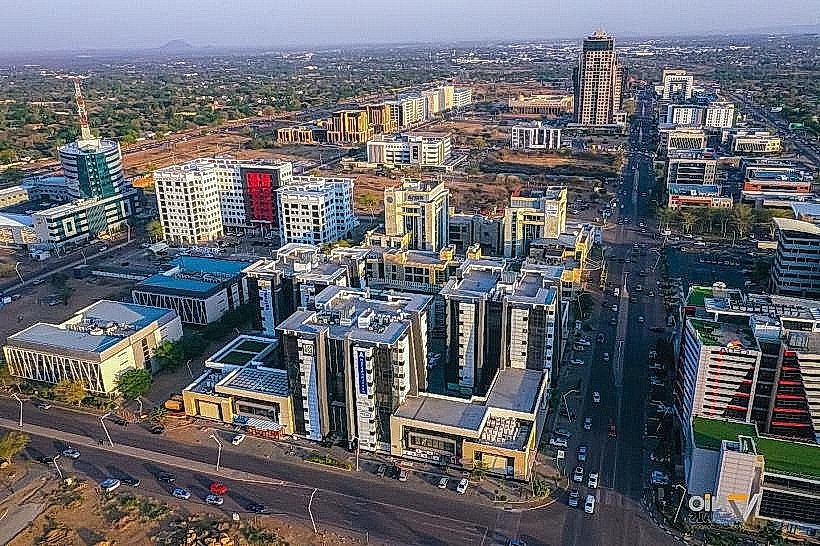
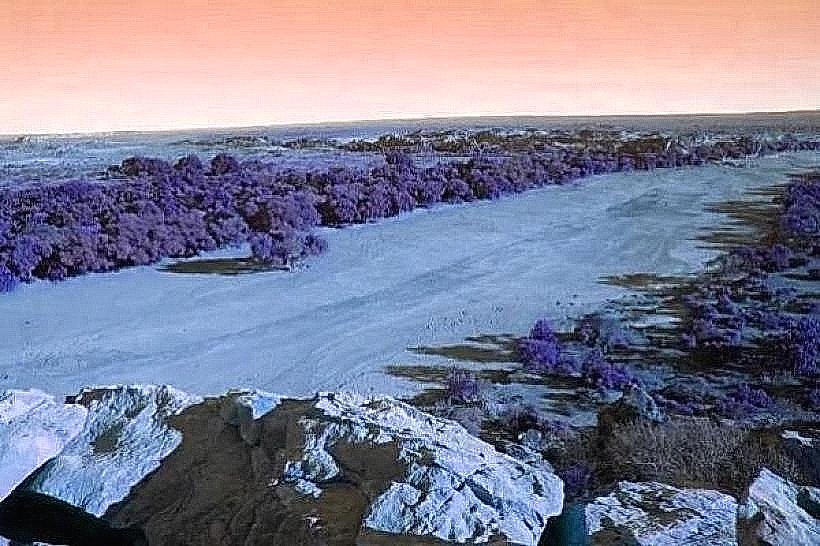
Botswana is a landlocked nation in Southern Africa, bordered by South Africa to the south and southeast, Namibia to the west and north, Zambia to the north, and Zimbabwe to the northeast. It is defined by the Kalahari Desert, which covers 70% of its territory, and its status as one of the world's leading diamond producers, with Gaborone serving as the capital city.
History & Culture
Botswana achieved independence from the United Kingdom on September 30, 1966. Its political history is marked by uninterrupted multi-party democracy, dominated by the Botswana Democratic Party (BDP) since independence. Approximately 79% of the population is Christian, though traditional beliefs remain influential. The primary national holiday is Botswana Day (September 30). Social etiquette emphasizes formal greetings, the use of both hands when giving or receiving objects, and the kgotla system of communal decision-making.
Language & Communication
English is the official language and the medium of instruction and government. English proficiency is High in urban areas and the tourism sector. Setswana is the national language, spoken by the majority of the population. Significant regional dialects include Sekalanga and Shekgalagadi.
Population & Economy
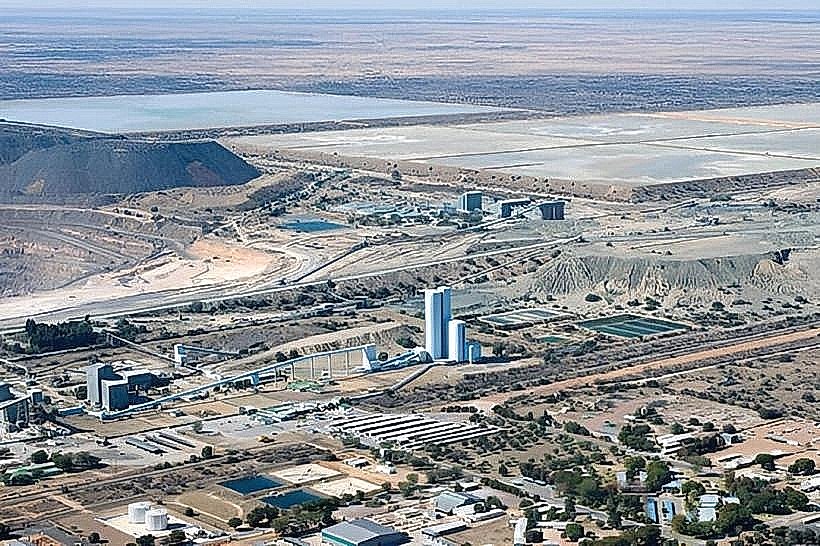
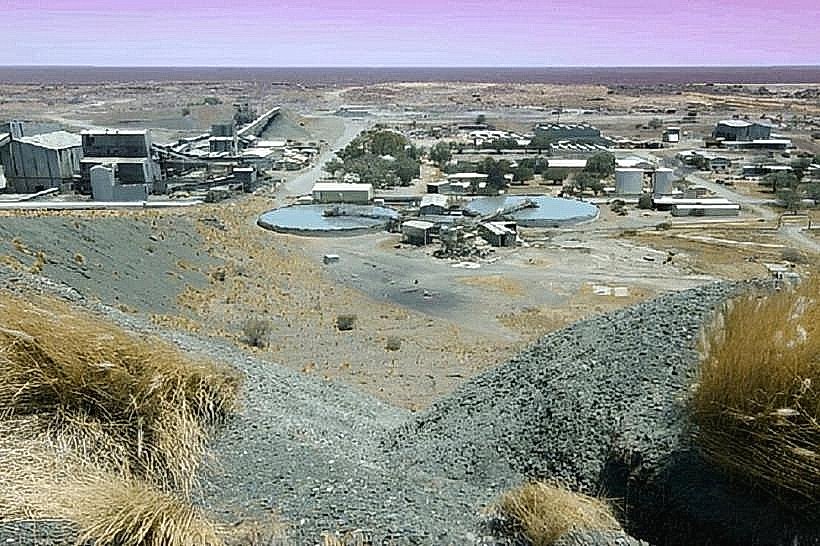
The population is approximately 2.6 million, with 72% residing in urban areas. Top export commodities are diamonds, copper-nickel ores, and beef. GDP per capita is approximately $7,250 USD ($19,000+ in PPP terms). The economy is driven by diamond mining, which accounts for roughly one-third of GDP and the majority of export earnings, followed by high-end tourism.
Visa & Entry Policy
Citizens of the US, UK, and most EU countries do not require a visa for stays up to 90 days. Travelers from these regions receive an entry permit at the border. There is no widespread E-Visa system for these nationalities, as they are visa-exempt. Passports must be valid for at least six months beyond the date of entry.
Currency & Payment Systems
The currency is the Botswana Pula (BWP). Cash is essential for transactions in rural areas and small markets. Credit cards (Visa and Mastercard) are widely accepted in urban centers, hotels, and safari lodges. ATMs are available in major towns like Gaborone, Maun, and Kasane, but are scarce in remote desert regions.
National Transport Grid
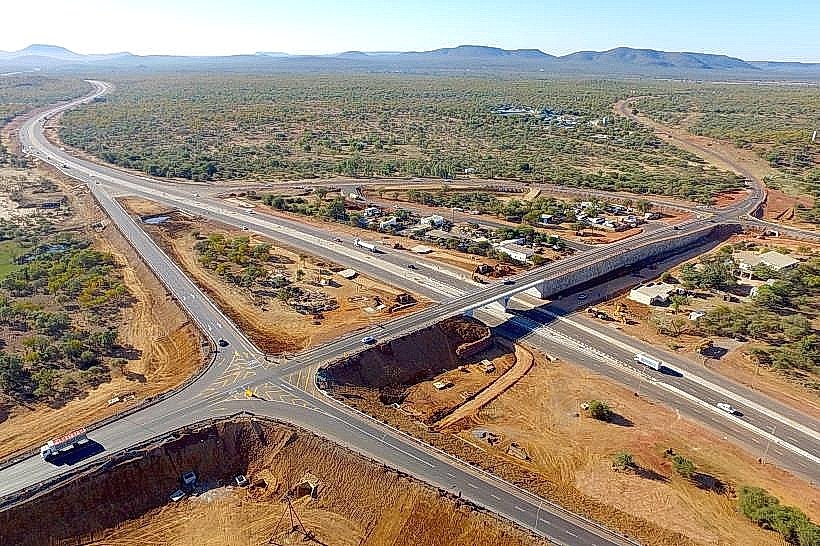
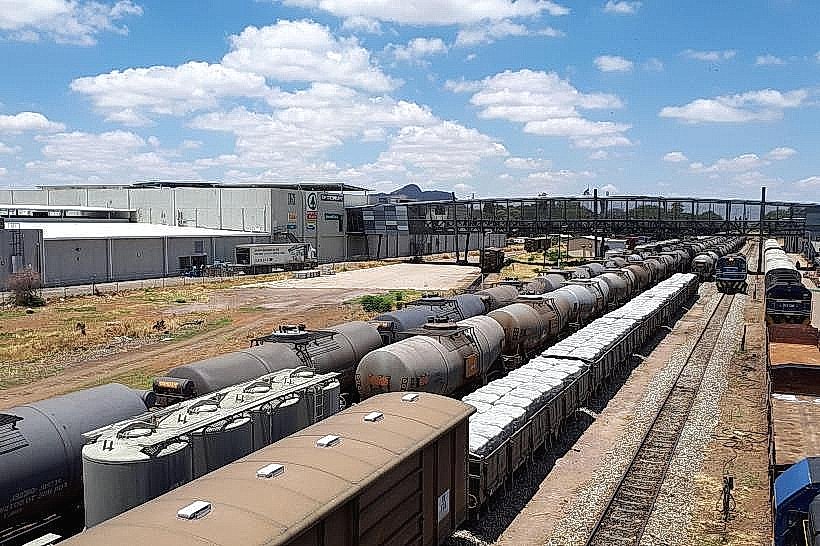
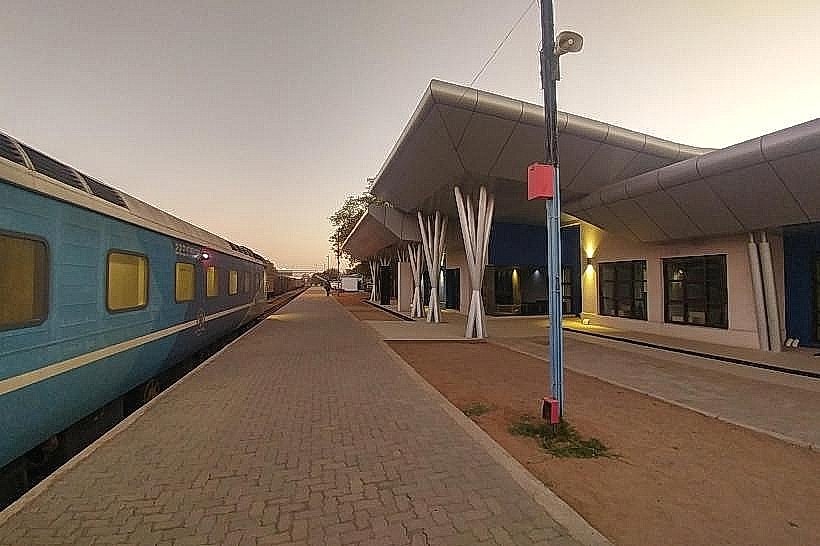
Between cities, travel is primarily conducted via a network of paved "A-roads" using long-distance buses and luxury coaches. Botswana Railways operates a limited passenger service (BR Express) between Lobatse and Francistown via Gaborone. Domestic flights connect Gaborone to Maun and Kasane. Bush planes (light aircraft) are the standard for reaching remote safari camps.
Digital Infrastructure
The primary mobile network providers are Mascom, Orange, and BTC. 4G coverage is reliable in urban centers and along major transit corridors. 5G is available in select parts of Gaborone and Maun. Signal reliability is non-existent in deep wilderness areas and large sections of the Kalahari.
Climate & Seasonality
Botswana has a semi-arid climate. The Dry season (May to October) features warm days and cold nights, with virtually no rainfall. The Wet season (November to April) is characterized by high humidity and afternoon thunderstorms. Peak wildlife viewing coincides with the dry winter months when animals congregate at permanent water sources.
Health & Safety
A Yellow Fever vaccination certificate is required if arriving from an infected area. Malaria is endemic in the northern regions (Okavango and Chobe); prophylaxis is recommended. The universal emergency number for Police is 999, Ambulance is 997, and Fire is 998.
Top 3 Major Regions & Cities
Okavango Delta: Hub: Maun.
Chobe National Park: Hub: Kasane.
Central District: Hub: Francistown.
Local Cost Index
1L Water: 10.50 BWP ($0.77 USD)
1 Domestic Beer (0.5L): 25.00 BWP ($1.84 USD)
1 Sim Card (10GB Data Plan): 150.00 BWP ($11.05 USD)
Facts & Legends
The currency name "Pula" literally translates to "rain" in Setswana, reflecting the extreme value placed on water in this desert-dominated nation; it is used both as a monetary unit and a traditional greeting or blessing. Local legend in the Savuti region tells of the "Elephant Hunters," a specific pride of lions that has uniquely adapted to hunt full-grown African elephants.