Information
City: MaunCountry: Botswana
Continent: Africa
Maun, Botswana, Africa
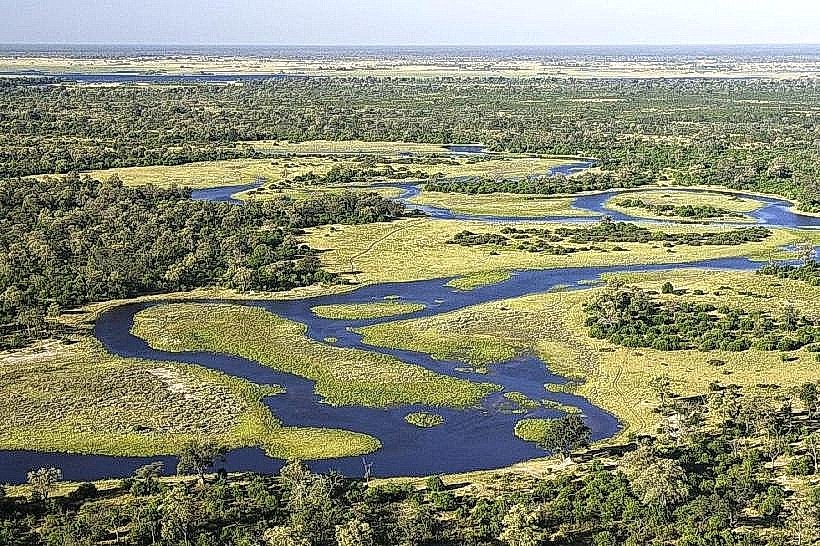
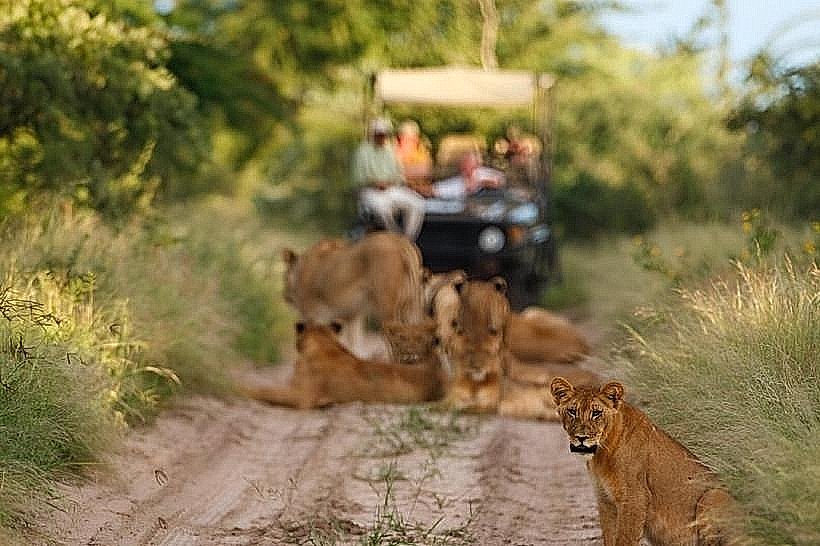
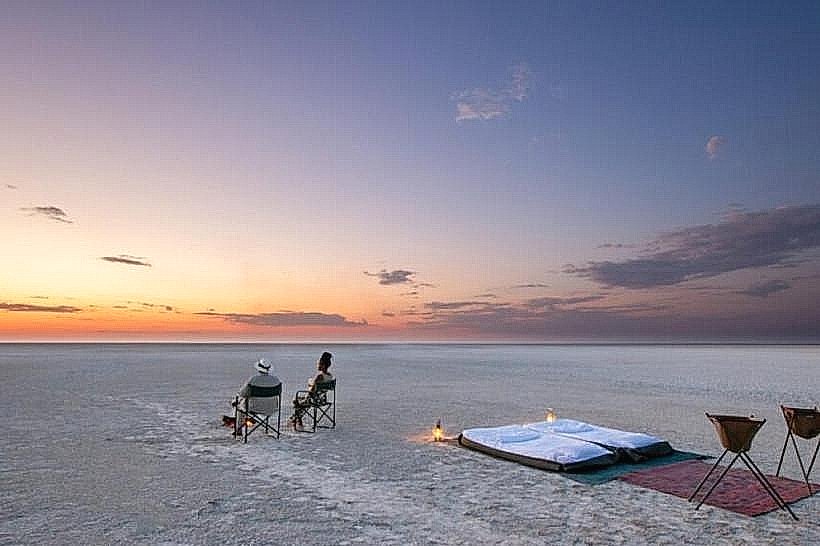
Maun is the administrative center of the North-West District and is recognized as the "Tourism Capital of Botswana." Situated at the southeastern edge of the Okavango Delta, it serves as the primary logistical base for nearly all air and land-based safaris into the northern wilderness.
Historical Timeline
Founded in 1915 as the tribal capital of the Batawana people, Maun was for decades a rugged "Wild West" outpost for cattle ranching and big-game hunting. Its name is derived from the San word Maung, meaning "place of short reeds." The town’s modern transformation began in the 1990s following the completion of the tarred road from Nata, which integrated Maun into the regional tourism circuit and accelerated its development into a busy commercial hub.
Demographics & Population
The 2026 projected population for the Maun urban area is approximately 65,000–70,000, continuing its trend as one of Botswana's fastest-growing towns. The demographic is predominantly Batawana, with significant populations of Bayei, Bambukushu, and Basarwa (San). As a global safari hub, it also hosts a large, transient expatriate community of bush pilots, conservationists, and tour operators. The median age is approximately 24 years.
Urban Layout & Key Districts
Airport Zone: The functional heart of the city; contains the highest density of tour operator offices, banks, and specialized travel services.
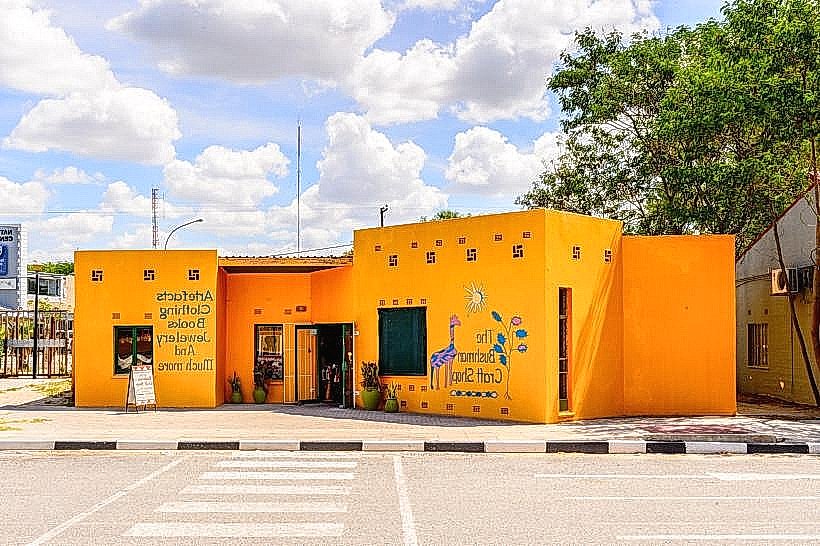
Old Mall: The traditional commercial center featuring local markets, clothing shops, and street food vendors.
New Mall: A modern retail expansion with supermarkets (Spar, Woolworths) and contemporary shopping amenities.
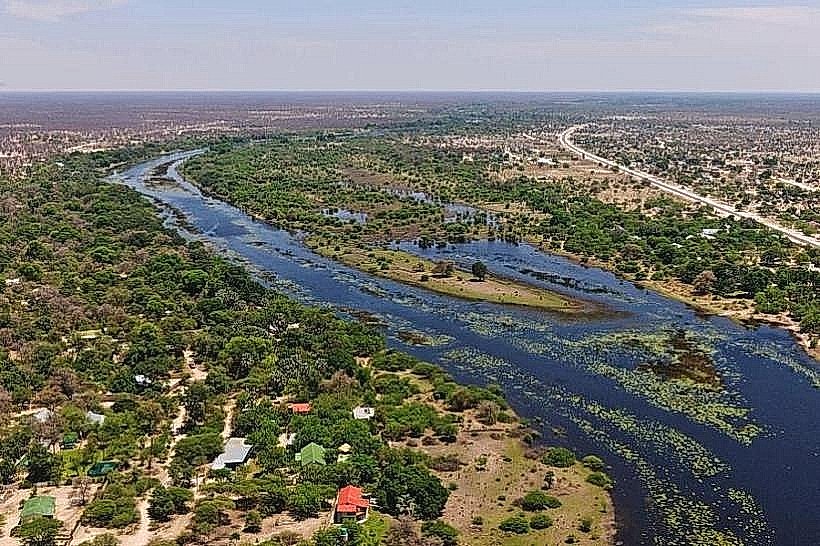
The Riverfront: Stretches along the Thamalakane River; home to many of the town's premier lodges, campsites, and riverside bars.
Top City Landmarks
Maun Airport (MUB): One of the busiest airports in Southern Africa by aircraft movements, constantly buzzing with light aircraft (Cessna 206/208) heading to delta camps.
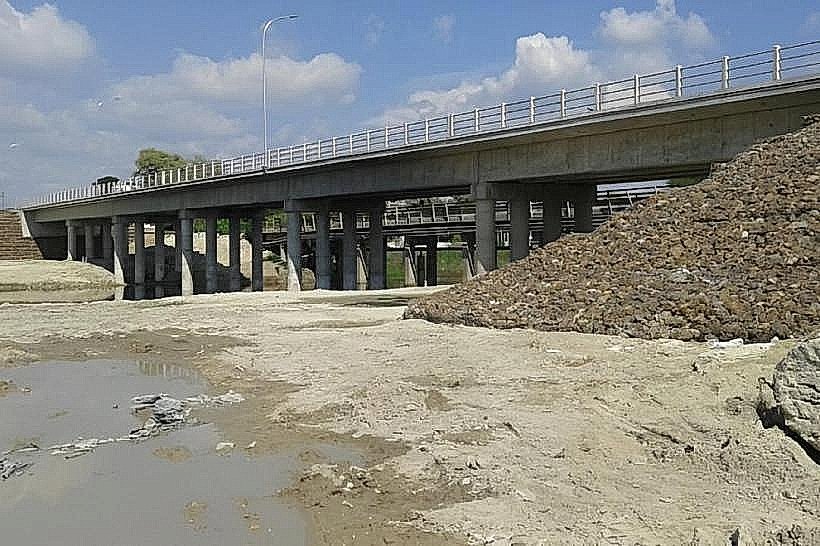
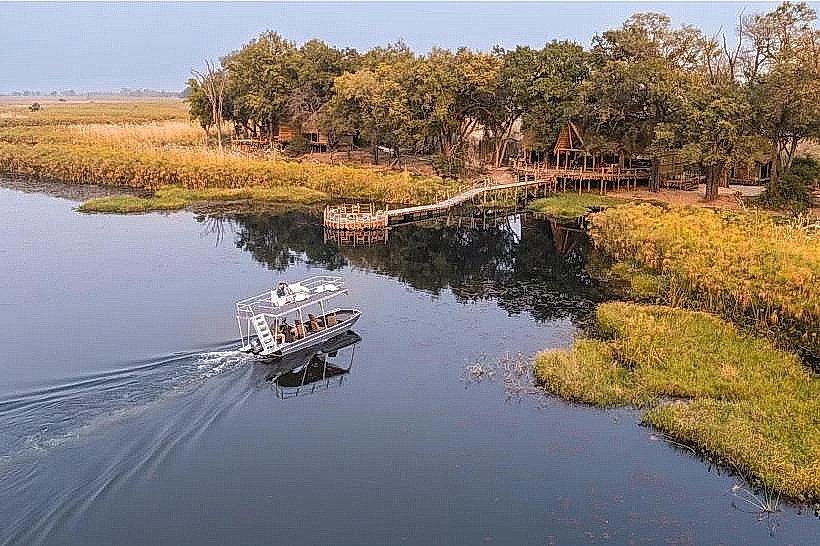
Thamalakane River: The town's lifeline, providing a scenic backdrop for dining and the primary route for boat-based excursions.
Nhabe Museum: Located in a historic colonial building; it documents the environmental and cultural history of the Okavango region.
Maun Wildlife Educational Park: A small reserve on the edge of town where visitors can see giraffes, zebras, and lechwe on foot.
Mokoro Stations: Specialized launch points (such as Boro or Daunara) where travelers transition from 4WDs to traditional dugout canoes.
Transportation Network
Movement is facilitated by a mix of tarred main roads and sandy side tracks. Public transport consists of white Combis and blue-plated taxis. Maun International Airport serves as the primary gateway for regional and domestic flights. For travel into the Okavango Delta or Moremi, 4WD vehicles are mandatory; most tourists utilize chartered light aircraft or guided safari vehicles.
Safety & "Red Zones"
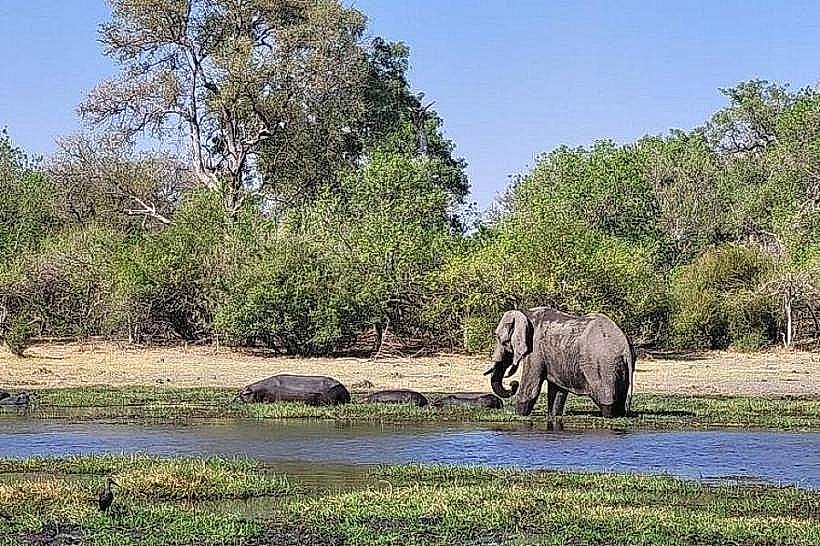
The general safety level is high, though petty crime (pickpocketing) occurs in the Old Mall and around bus terminals. There are no "red zones," but walking along the Thamalakane River or in outskirts at night is discouraged due to both crime and the presence of wildlife, including hippos and crocodiles. On highways, the primary risk is livestock (donkeys and cattle) wandering into the road, which is fatal at night.
Digital & Financial Infrastructure
Average internet speed is 30–60 Mbps, with 4G universal and 5G available in the Airport and Mall districts as of 2026. Mobile penetration is high via Mascom and Orange. Card acceptance is standard in hotels, supermarkets, and major tour offices. However, cash (Pula) is required for mokoro polers, local markets, and small-scale craft vendors. ATMs are numerous in both the Old and New Malls.
Climate & Air Quality
Temperatures range from 6°C to 25°C in winter (June/July) and 20°C to 35°C in summer (October/January). The air quality is generally "Excellent," though localized dust is prevalent during the dry winter months. Seasonal smoke from "controlled burns" or bushfires in the Delta can occasionally affect visibility.
Culture & Social Norms
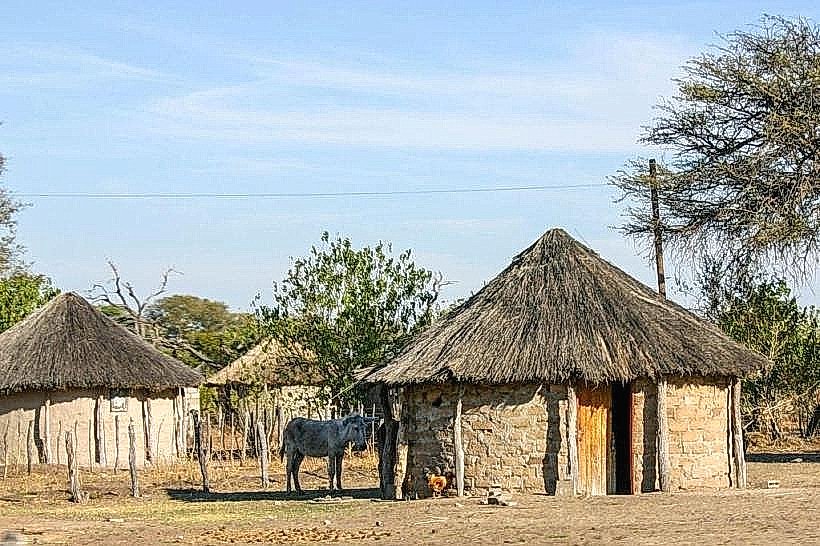
The standard tipping rate for safari guides and mokoro polers is approximately $10–$20 USD per day. Maun has a "bush-casual" culture; practical, neutral-colored clothing is the norm. While the town is laid-back, the local Kgotla (traditional court) system remains a respected pillar of social order. It is customary to ask permission before taking photographs of local residents or their homesteads.
Accommodation Zones
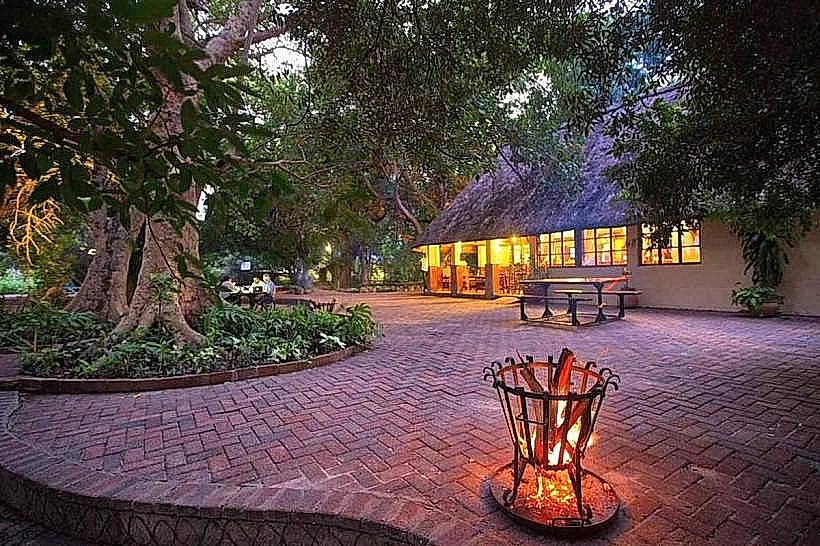
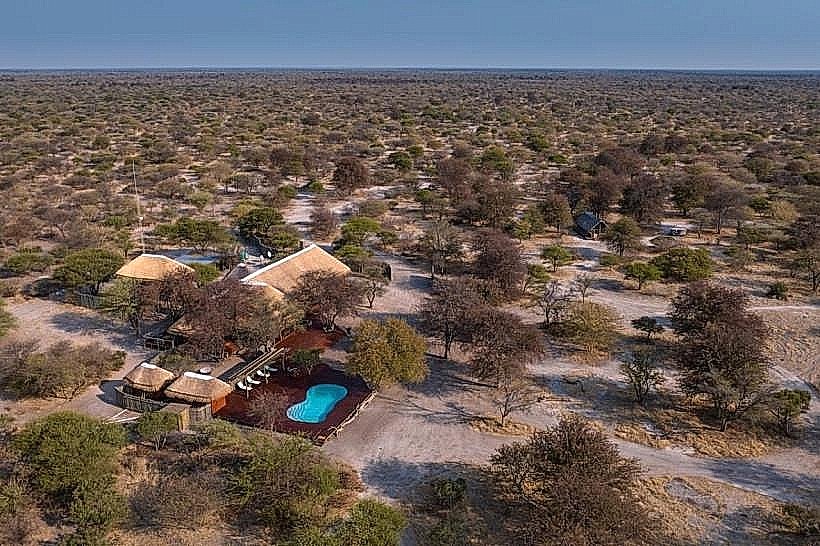
Thamalakane Riverfront: Best for mid-range and luxury lodges (e.g., Maun Lodge, Thamalakane River Lodge).
Matlapaneng: An upscale area north of the town center with several high-end boutique options and garden lodges.
Local Cost Index
1 Espresso: 32 BWP ($2.40)
1 Standard Lunch: 115 BWP ($8.60)
1 Day Mokoro Trip: 1,800–2,500 BWP ($135–$185)
Nearby Day Trips
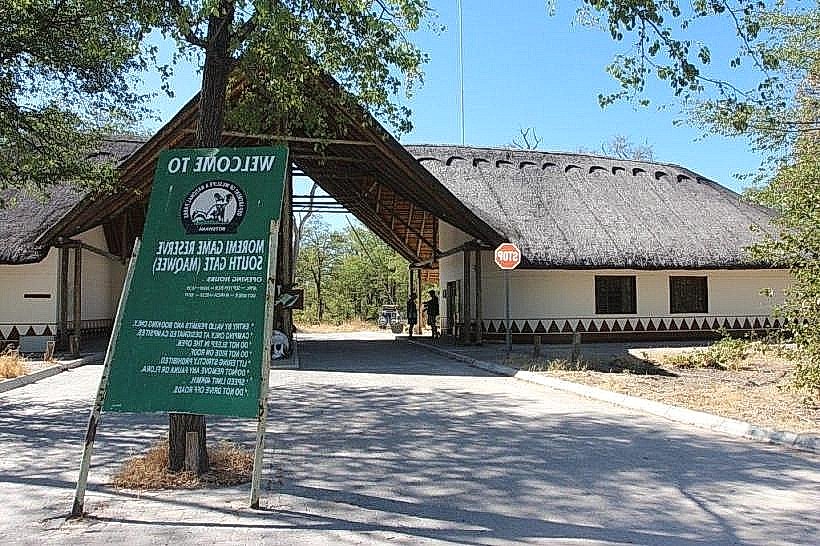
Moremi Game Reserve: (90 km - The first reserve in Africa established by local residents)
Okavango Delta (Mokoro Trip): (Daily departures from various stations near town)
Lake Ngami: (70 km - A seasonal lake famous for massive bird migrations, including flamingos)
Facts & Legends
Maun was once so remote that it was known for having more pilots than paved roads. A local legend involves the "River God" of the Okavango, whom polers must appease for safe passage through hippo-infested waters. A verified historical oddity is Riley’s Hotel, established in the 1920s; it was the first place in the region to have a motorized vehicle, which had to be stripped down and transported across the river by boat.