Information
Landmark: Okavango Delta Island CampsCity: Maun
Country: Botswana
Continent: Africa
Okavango Delta Island Camps, Maun, Botswana, Africa
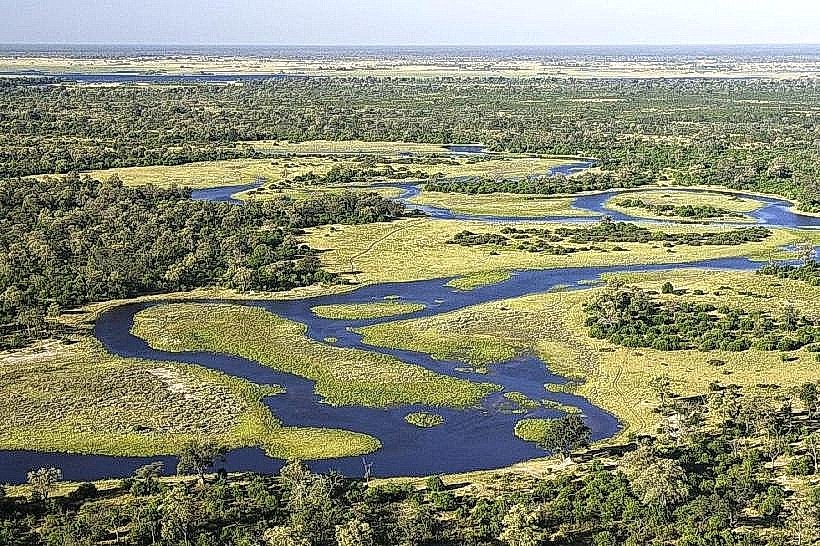
The Okavango Delta Island Camps are a collection of permanent and semi-permanent accommodations situated on islands within the Okavango Delta, a vast inland delta system in Botswana.
Visual Characteristics
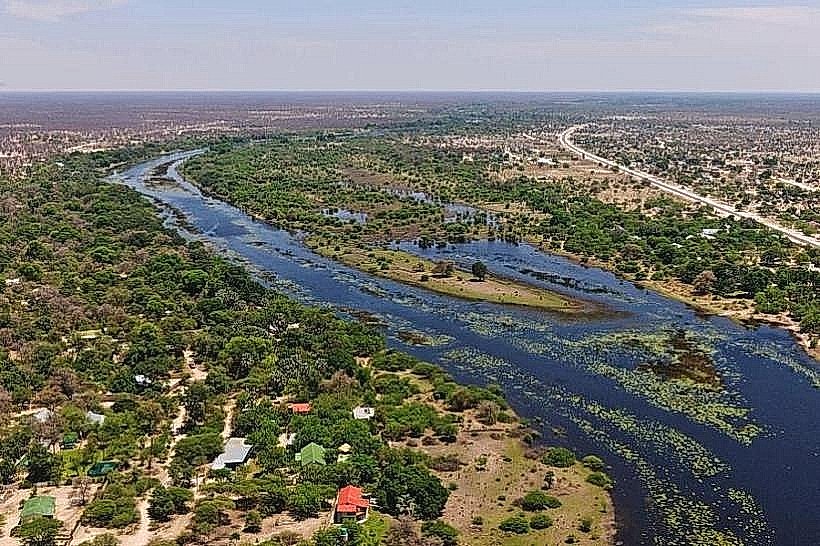
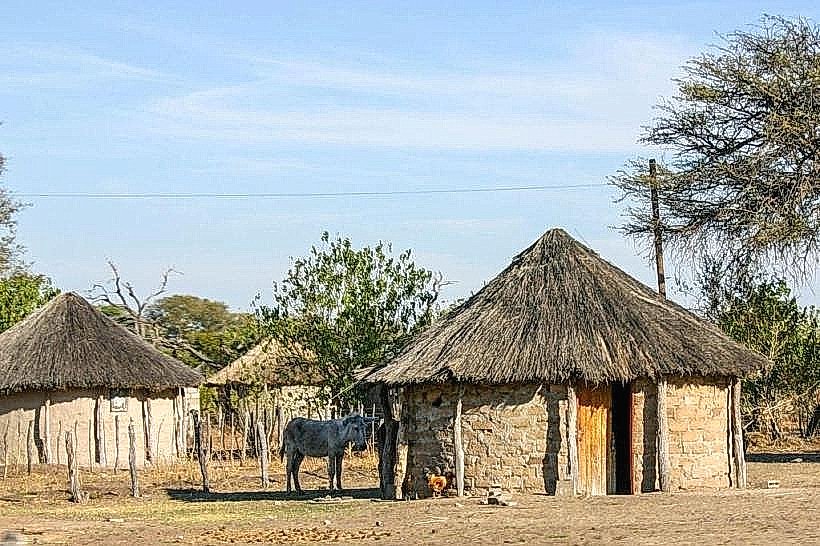
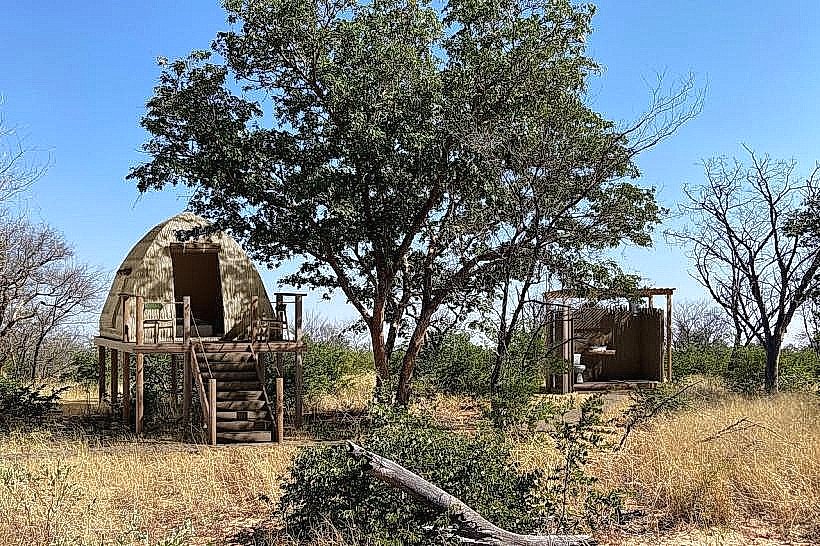
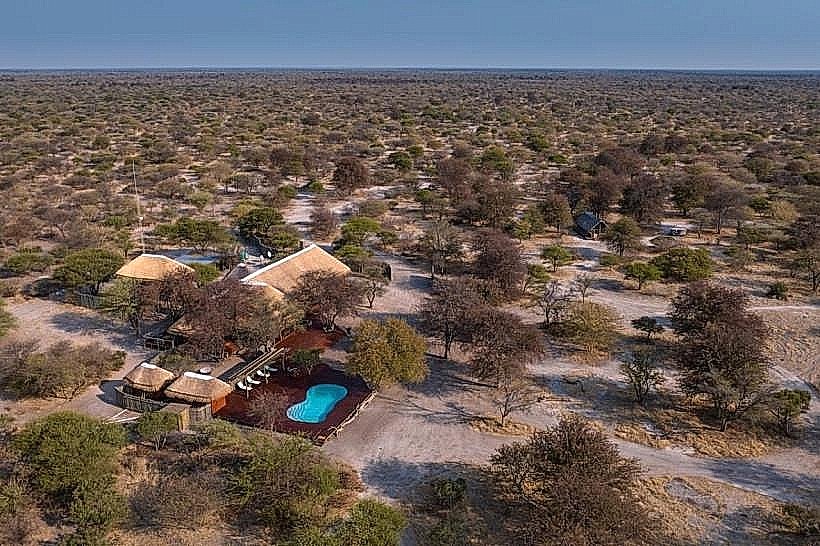
These camps are characterized by their integration with the natural environment. Structures are typically constructed from local materials such as thatch, wood, and canvas. Elevated wooden walkways often connect different areas of the camp. Vegetation density varies by island, with some featuring dense acacia and palm trees, while others are more open grassland. Water channels surrounding the islands exhibit varying shades of brown and green depending on sediment load and aquatic vegetation.
Location & Access Logistics
Access to the Okavango Delta Island Camps is primarily via light aircraft from Maun International Airport (MUB). Flight times range from 20 minutes to over an hour, depending on the specific camp's location. There are no direct road connections to the islands. Some camps may be accessible by mokoro (traditional dugout canoe) or motorboat from specific mainland points or other delta camps, but this is typically part of a guided safari package and not a standalone transport option.
Historical & Ecological Origin
The Okavango Delta is an endorheic basin, meaning it does not flow into the sea. Its formation is a result of tectonic activity and the resulting fault lines that channel floodwaters from the Angolan highlands. The islands themselves are often termite mounds or areas of higher ground that remain above the floodwaters. The camps are modern constructions, established to facilitate tourism and wildlife viewing within this unique ecosystem.
Key Highlights & Activities
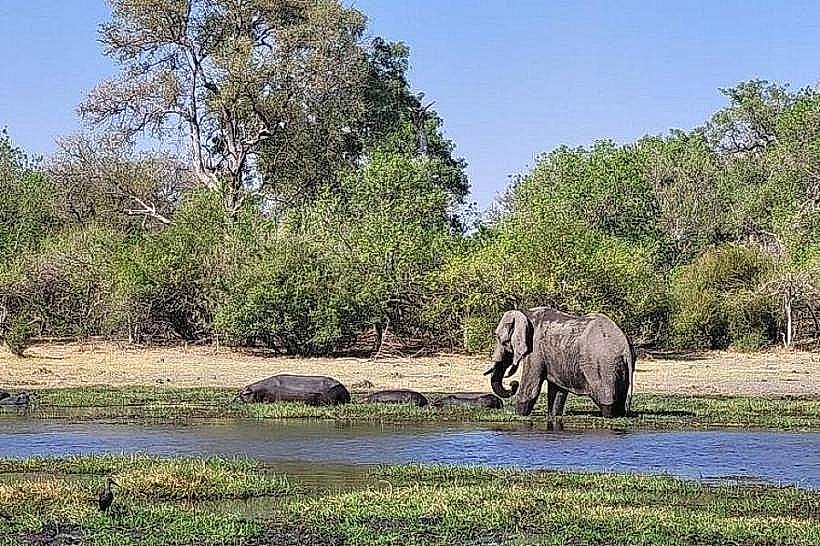
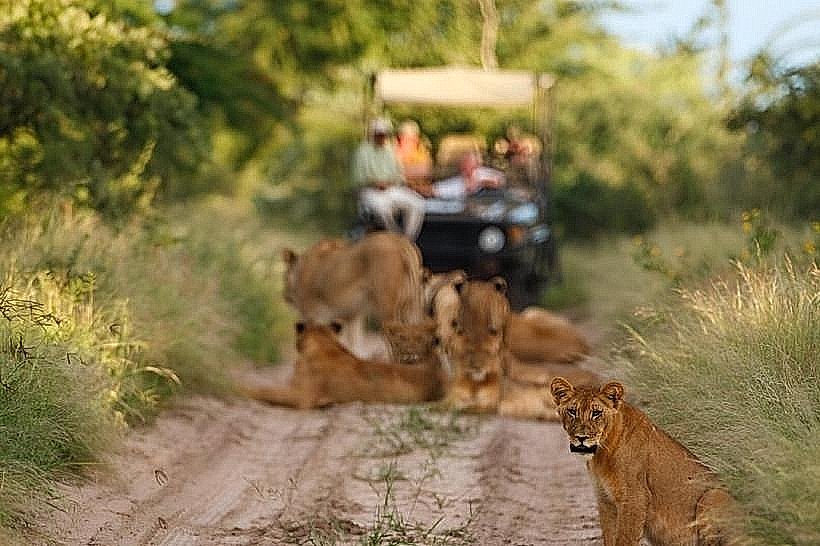
Activities include guided mokoro excursions through the delta's waterways, game drives on the mainland or larger islands (where permitted), walking safaris, bird watching, and fishing (seasonal and regulated). Wildlife viewing focuses on species adapted to the wetland environment, such as hippopotamuses, crocodiles, elephants, and a diverse array of birdlife.
Infrastructure & Amenities
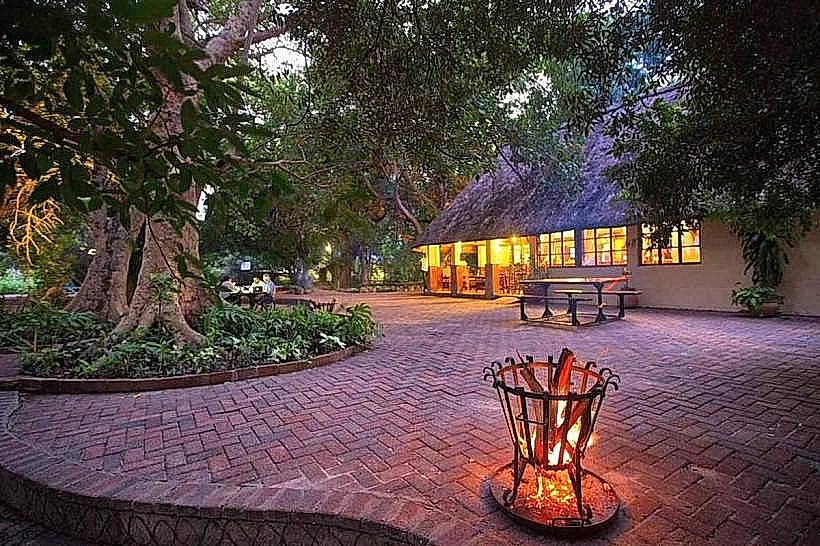
Amenities vary significantly by camp. Most offer en-suite bathrooms with bucket showers or flush toilets, communal dining areas, and lounge spaces. Power is typically generated by solar or generator, with limited hours. Cell phone signal is generally absent or extremely weak. Food is prepared on-site by camp staff. Shade is provided by natural tree cover and thatched roofing.
Best Time to Visit
The best time for wildlife viewing is during the dry season (May to October) when water levels are lower, concentrating animals around remaining water sources. The floodwaters typically arrive between June and August, transforming the landscape. For birdwatching, the wet season (November to April) is optimal, with migratory birds present. Photography is best in the early morning and late afternoon for optimal light conditions.
Facts & Legends
A unique aspect of the Okavango Delta is its seasonal flooding. The water that arrives in Botswana originates from rainfall in Angola months prior, creating a complex hydrological system. Some islands are temporary, appearing and disappearing with the fluctuating water levels.
Nearby Landmarks
- Chief's Island (approx. 10km North-West)
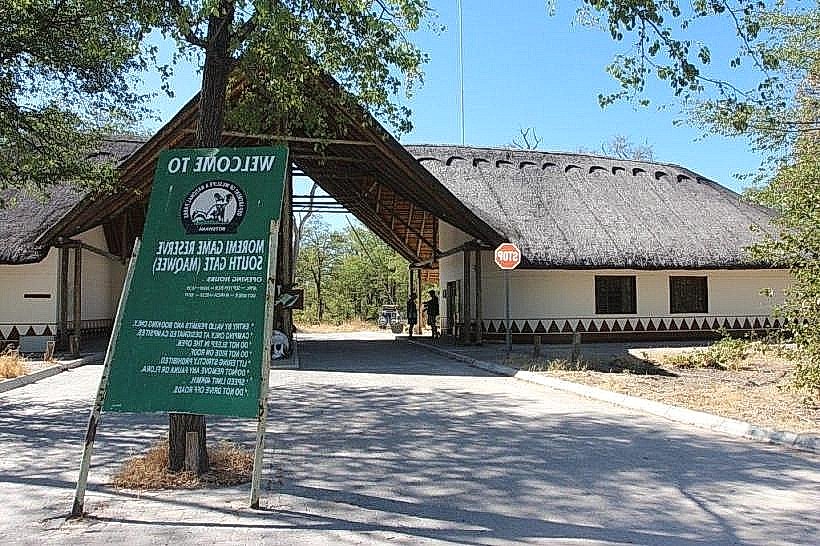
- Moremi Game Reserve (various points within 5km to 30km)
- Xakanaxa Camp (approx. 15km South-East)
- Khwai River (approx. 20km East)