Information
Landmark: Khwai River ConcessionCity: Maun
Country: Botswana
Continent: Africa
Khwai River Concession, Maun, Botswana, Africa
The Khwai River Concession is a protected wildlife area situated in the northern Okavango Delta region of Botswana. It is managed by the Khwai Development Trust.
Visual Characteristics
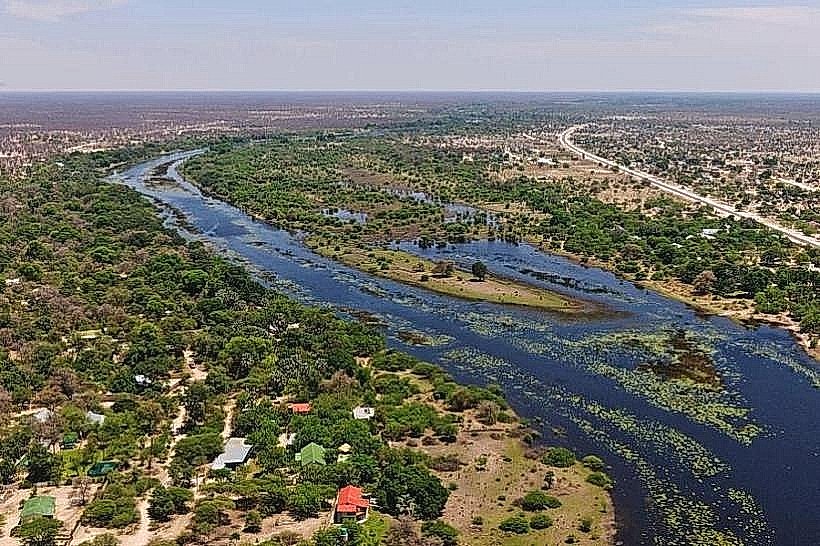
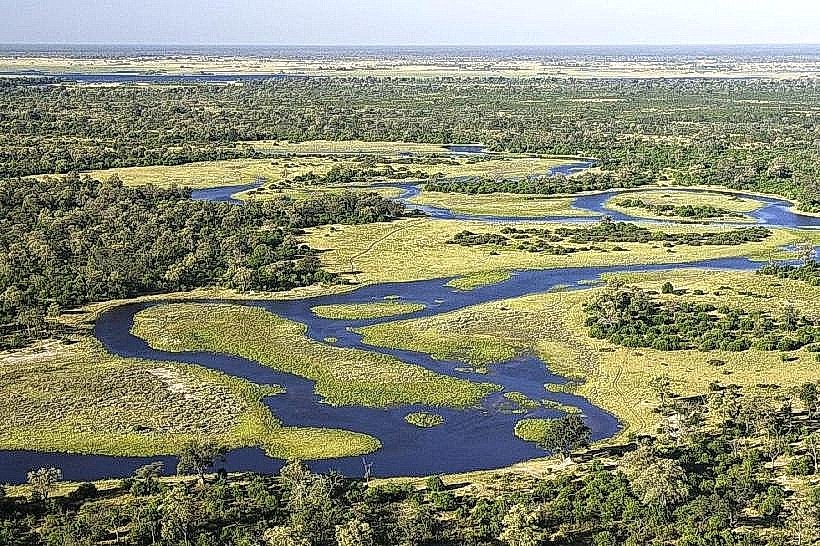
The concession is characterized by a mosaic of diverse habitats. These include permanent swamps, seasonal floodplains, mopane woodlands, and acacia forests. The Khwai River itself is a prominent feature, with its waters varying in clarity depending on the season and sediment load. Wildlife is a primary visual element, with large herds of elephants, buffalo, and various antelope species frequently observed along the riverbanks and in the open plains. Birdlife is abundant, with numerous species inhabiting the riparian zones and woodlands.
Location & Access Logistics
The Khwai River Concession is located approximately 150 kilometers northwest of Maun. Access is primarily via unpaved tracks and sand roads, requiring a 4x4 vehicle. The journey from Maun typically takes 3-4 hours, depending on road conditions. There are no public transport options directly to the concession. Self-drive visitors must obtain permits from the Khwai Development Trust office in the nearby village of Khwai. No formal parking facilities are available; vehicles are parked at designated campsites or lodges.
Historical & Ecological Origin
The Khwai River is a distributary of the Okavango Delta, originating from the Okavango River system. Its ecological significance lies in its role as a vital water source and corridor for wildlife, particularly during the dry season when other water sources diminish. The concession was established as a community-run wildlife management area, aiming to balance conservation efforts with sustainable tourism and local community benefit. This model of community-based natural resource management is a key aspect of its origin.
Key Highlights & Activities
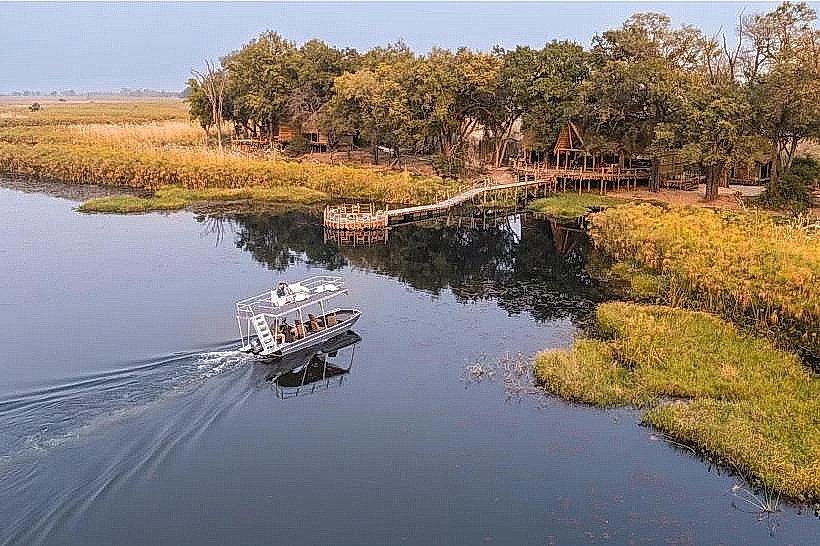
Activities within the Khwai River Concession are centered on wildlife viewing. These include guided game drives in open 4x4 vehicles, conducted by experienced local guides. Mokoro (traditional dugout canoe) excursions are offered on the Khwai River and its associated channels, providing a silent perspective for observing wildlife and birdlife. Walking safaris are also permitted in certain areas, allowing for a more intimate encounter with the bush. Night drives are available, offering opportunities to spot nocturnal animals.
Infrastructure & Amenities
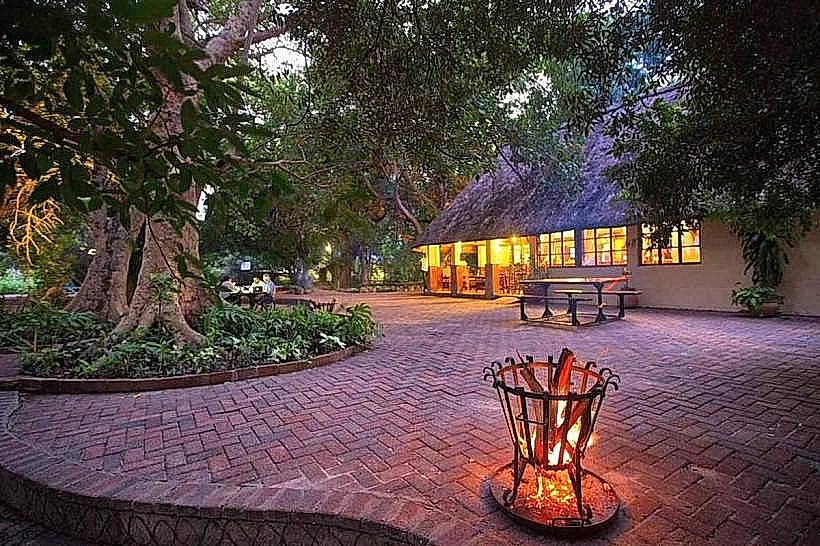
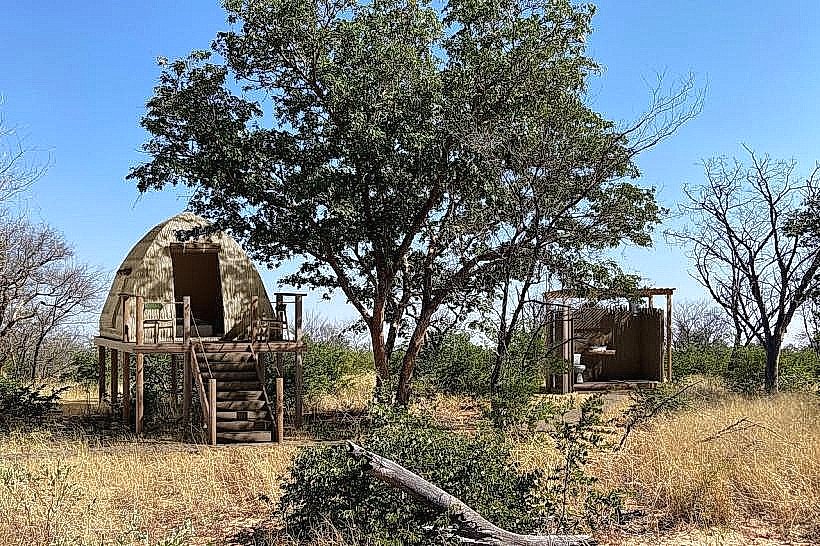
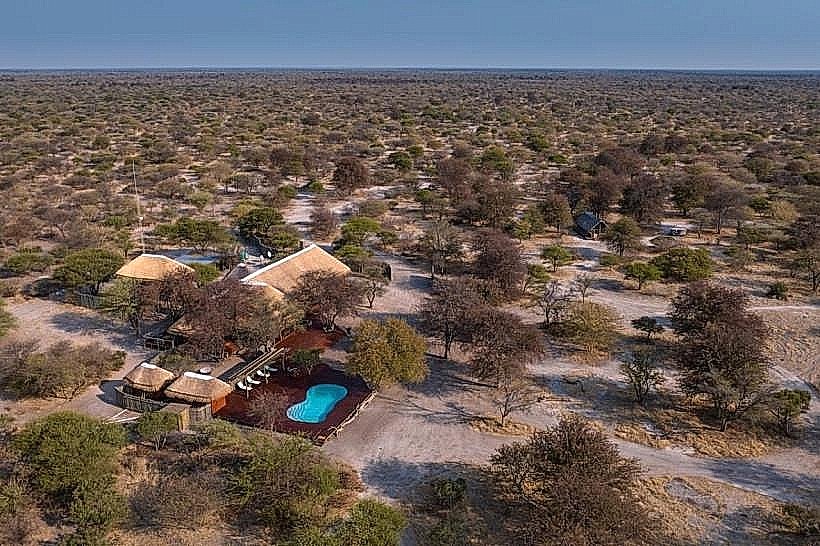
The concession features several permanent and mobile safari camps, offering various levels of accommodation. Basic campsite facilities are available for self-drive visitors, typically including designated fire pits and sometimes rudimentary ablution blocks. There are no public restrooms outside of the camps. Cell phone signal is generally absent within the concession. Limited food and beverage services are available at the safari lodges and camps; self-catering is common for campsite users.
Best Time to Visit
The best time for wildlife viewing is during the dry season, from May to October. During these months, water levels in the river are stable, and animals congregate around permanent water sources. The cooler temperatures are also more conducive to game drives. For mokoro excursions, the period when floodwaters are present (typically June to September) is ideal, allowing access to flooded plains. The shoulder months of April and November can offer good wildlife viewing with fewer visitors.
Facts & Legends
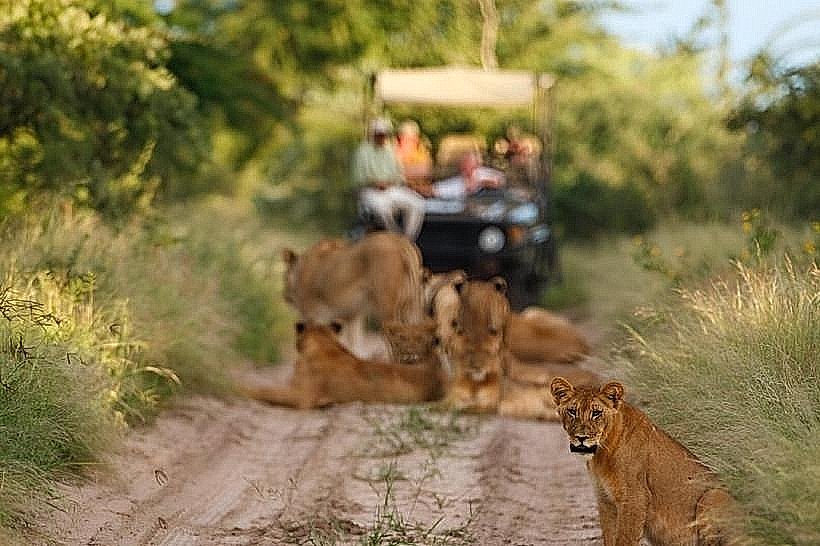
A notable aspect of the Khwai River Concession is its high density of predators, including lions, leopards, and wild dogs, making it a prime location for observing these animals. Local folklore speaks of the river as a living entity, with spirits guarding its waters and the creatures that depend on them. A specific tip for visitors is to be aware of the territorial nature of elephants; always maintain a safe distance and follow guide instructions.
Nearby Landmarks
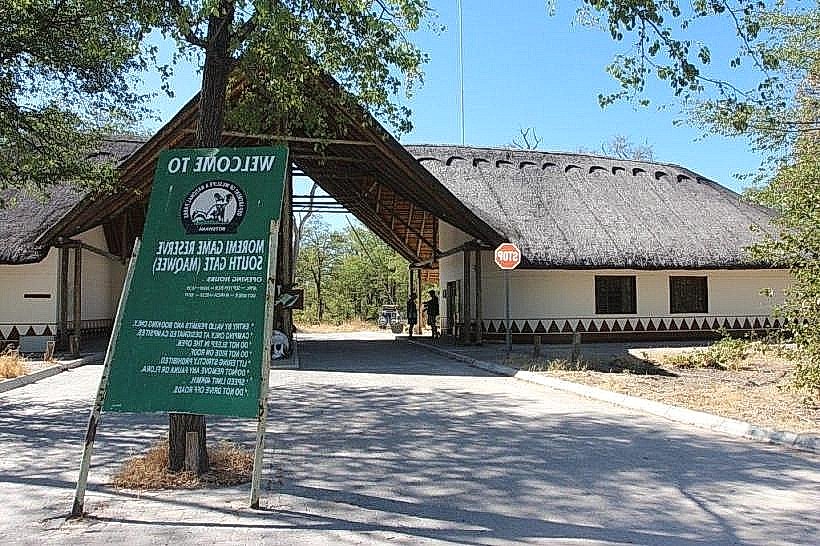
- Moremi Game Reserve (0.1km West)
- Chobe National Park (50km Northeast)
- Savuti Marsh (70km Northeast)
- Okavango Delta Panhandle (100km West)