Information
Landmark: Moremi Game ReserveCity: Maun
Country: Botswana
Continent: Africa
Moremi Game Reserve, Maun, Botswana, Africa
Moremi Game Reserve is a protected area located in the Okavango Delta region of Botswana, near the town of Maun.
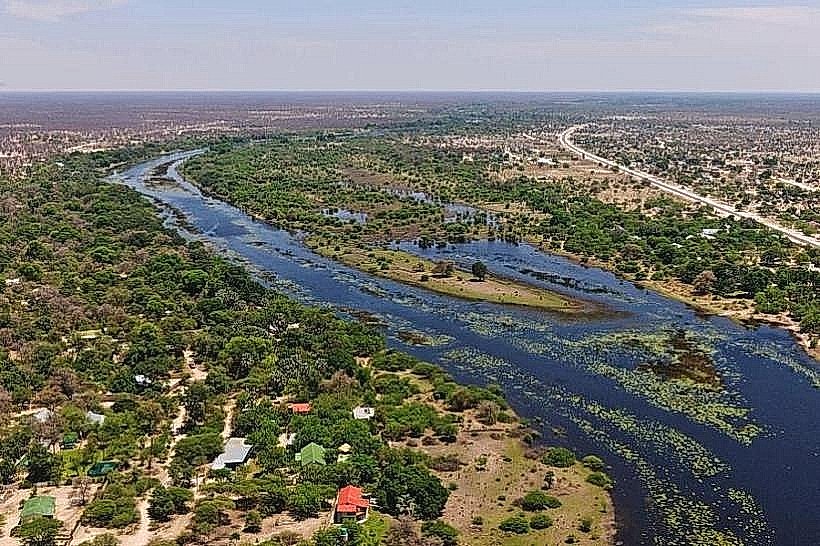
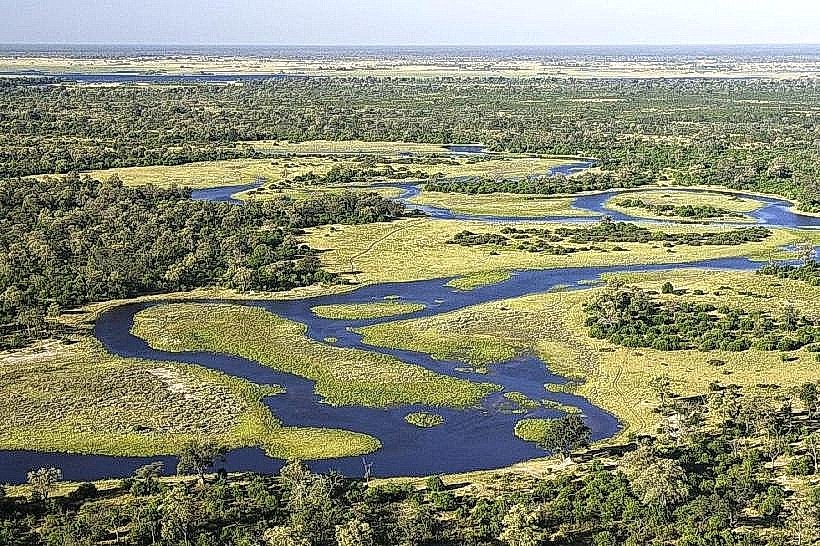
This reserve encompasses a significant portion of the Okavango Delta, a unique inland delta system.
Visual Characteristics
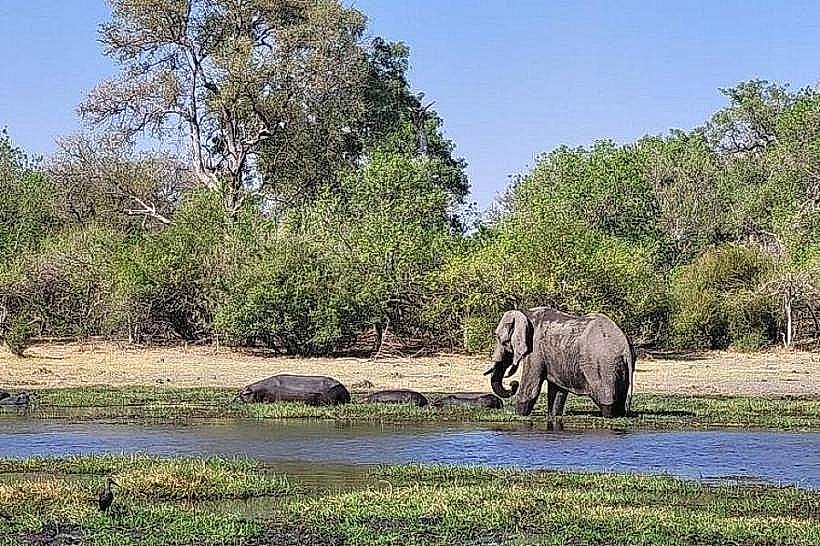
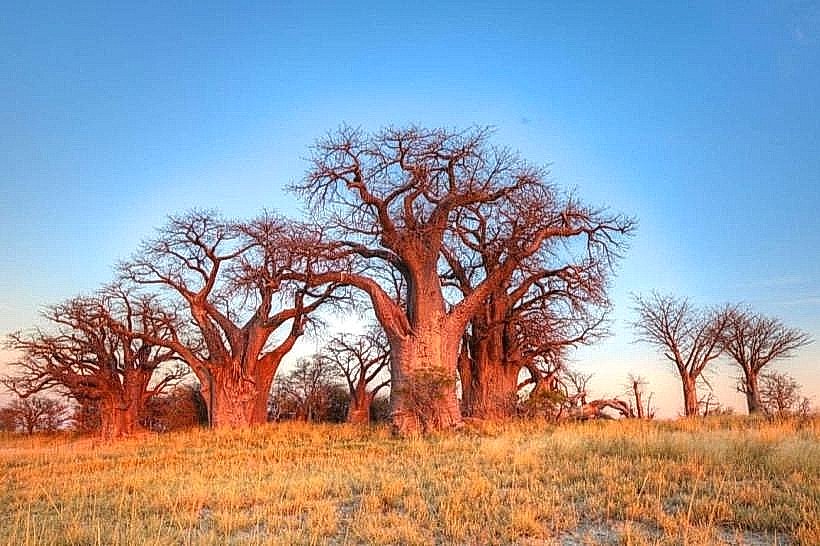
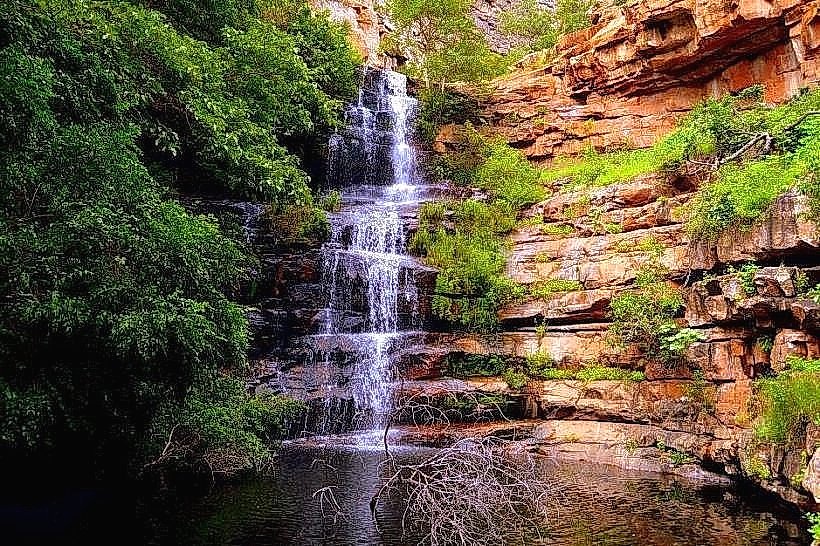
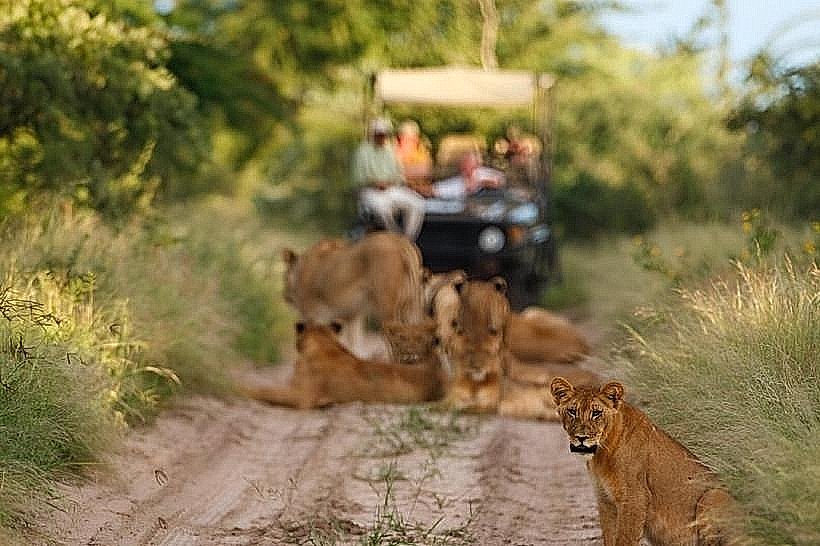
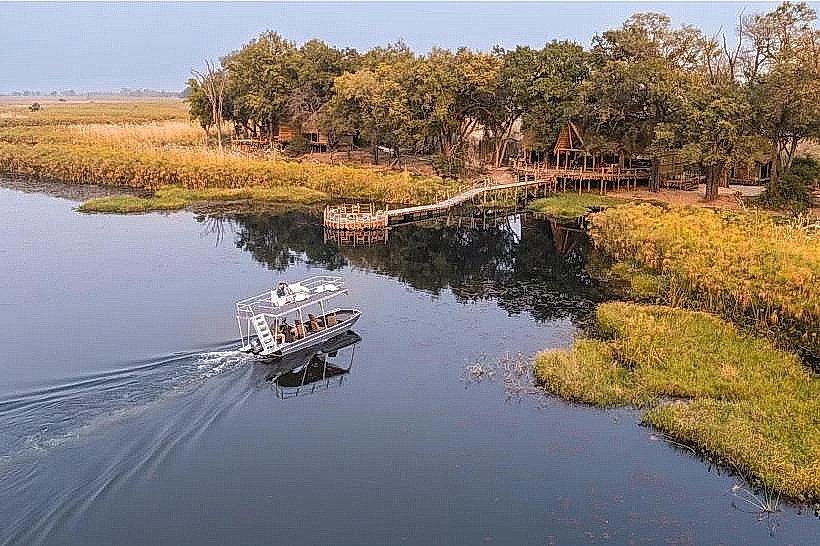
The landscape is characterized by a mosaic of permanent wetlands, seasonal floodplains, mopane woodlands, and acacia forests. Water channels vary in width and depth, supporting diverse aquatic vegetation. The soil composition ranges from sandy to alluvial. Wildlife sightings are a primary visual element, with large herds of herbivores and various predator species.
Location & Access Logistics
Moremi Game Reserve is situated approximately 100 kilometers east of Maun. Access is primarily via unpaved roads. The main entrance, South Gate, is accessible from Maun via the A3 highway for about 70 kilometers, then turning onto a gravel road for an additional 30 kilometers. North Gate is accessible from the north. Self-drive vehicles require high clearance and often 4x4 capability, especially during the wet season. Organized safari operators provide transport, typically in open-sided 4x4 vehicles. There are no public transport services directly into the reserve.
Historical & Ecological Origin
Moremi Game Reserve was established in 1963, initially as a wildlife sanctuary proclaimed by the BaTawana people. It was later expanded and designated as a game reserve. Ecologically, it is part of the Okavango Delta, a Ramsar site and UNESCO World Heritage Site, formed by the Okavango River's inland drainage into the Kalahari Desert. The delta's existence is a result of tectonic activity and the river's natural flood patterns.
Key Highlights & Activities
Game drives are the primary activity, offering opportunities to observe the Big Five (lion, leopard, elephant, rhinoceros, buffalo) and numerous other mammal and bird species. Mokoro (dugout canoe) excursions are available in waterlogged areas, providing a silent, low-impact way to view wildlife and the delta's flora. Guided walking safaris are also offered in specific zones. Birdwatching is exceptional, with over 400 recorded species.
Infrastructure & Amenities
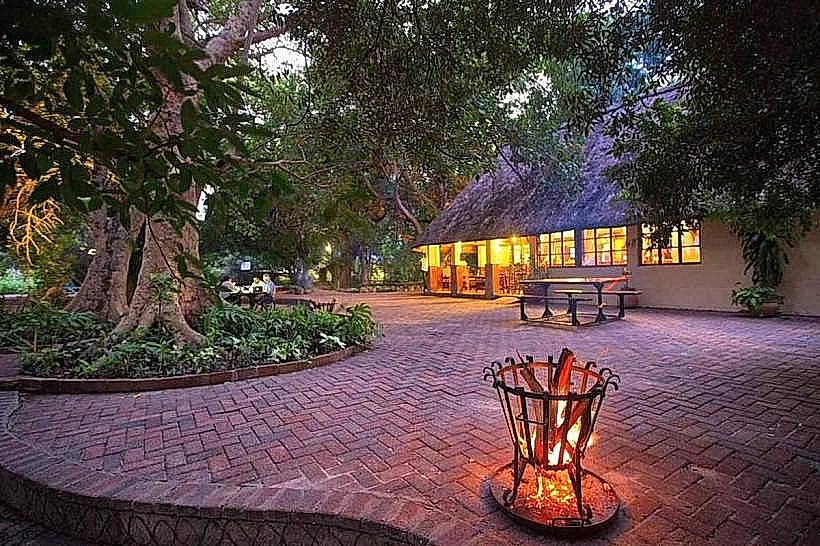
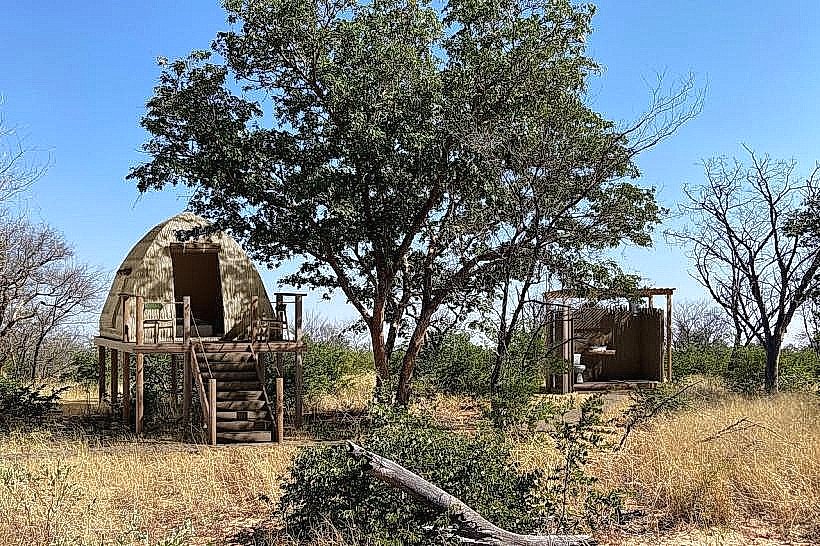
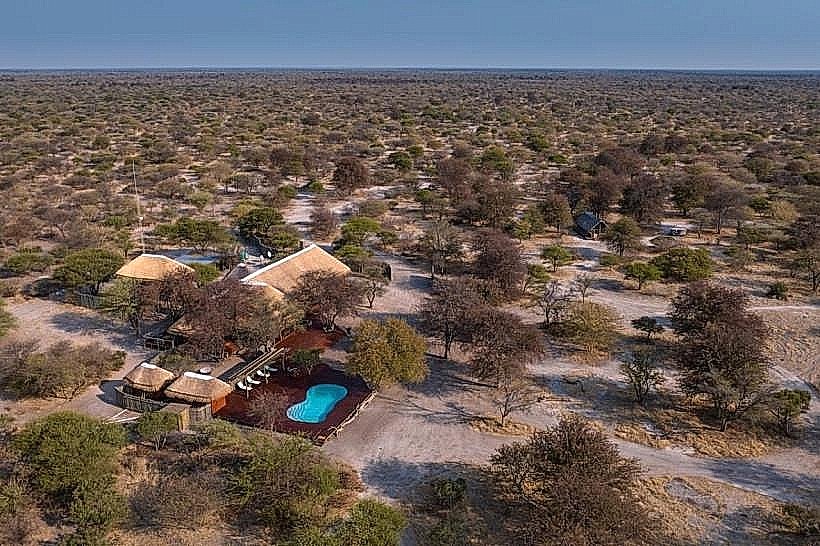
Within the reserve, there are several designated campsites, some with basic ablution facilities. Lodges and tented camps offer more comprehensive amenities. There are no public restrooms outside of campsites and lodges. Cell phone signal is generally absent within the reserve, though some lodges may offer satellite communication. Limited food and drink supplies may be available at some lodges, but visitors are advised to carry their own provisions.
Best Time to Visit
The dry season, from May to October, is generally considered the best time for wildlife viewing as animals congregate around permanent water sources. The shoulder months of April and November can offer a transition with fewer crowds. For mokoro excursions, water levels are crucial; the high-water season (typically June to September) is ideal. Photography is best in the early morning and late afternoon for optimal lighting conditions.
Facts & Legends
Moremi Game Reserve is one of the few protected areas in Africa that is managed by the local community. A unique aspect of the reserve is its dynamic landscape, which changes significantly with the annual floodwaters of the Okavango Delta, creating and altering habitats.
Nearby Landmarks
- Chobe National Park (150km Northeast)
- Kalahari Desert (Variable distances South)
- Okavango Delta Panhandle (50km West)
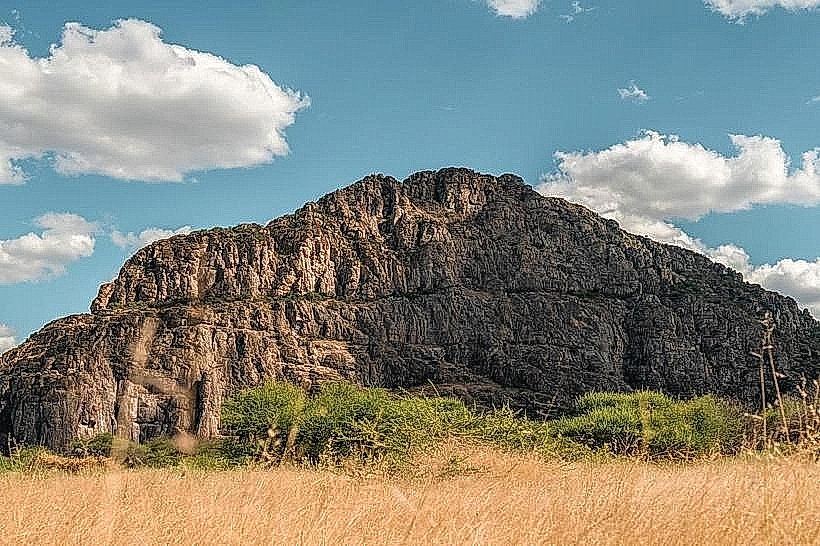
- Tsodilo Hills (200km Northwest)