Information
Landmark: Thamalakane BridgeCity: Maun
Country: Botswana
Continent: Africa
Thamalakane Bridge, Maun, Botswana, Africa
The Thamalakane Bridge is a concrete structure spanning the Thamalakane River in Maun, Botswana.
It serves as a critical transportation link for the town and surrounding areas.
Visual Characteristics
The bridge is a single-span concrete beam bridge. Its deck is approximately 10 meters wide, accommodating two lanes of vehicular traffic and pedestrian walkways on either side. The concrete structure exhibits a utilitarian design, with visible support piers and railings.
Location & Access Logistics
The Thamalakane Bridge is located in the center of Maun, crossing the Thamalakane River. It is accessible via the main road, Airport Road, which connects to the town center. Parking is available in designated areas on both sides of the river, though it can be limited during peak hours. Public transport, primarily combi-vans, frequently crosses the bridge, providing access to various parts of Maun.
Historical & Ecological Origin
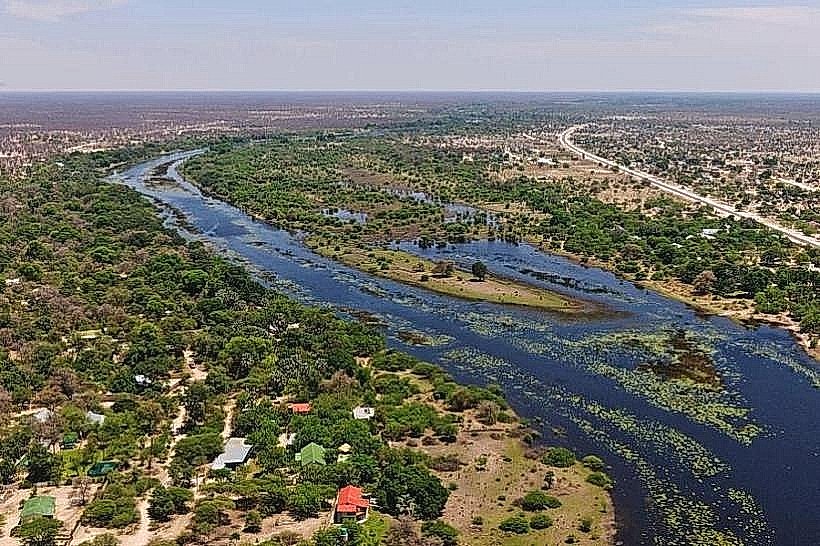
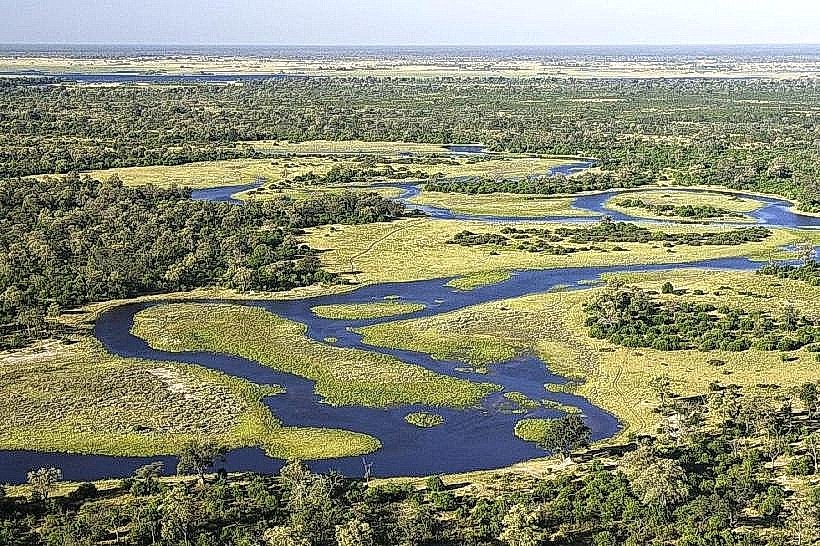
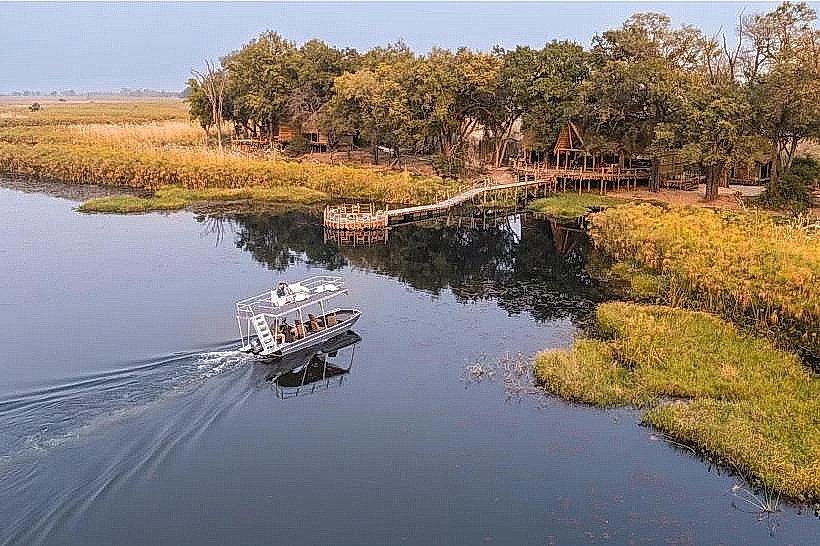
The Thamalakane Bridge was constructed in the late 20th century to replace an older, less reliable crossing. Its purpose was to improve connectivity and facilitate trade and movement within Maun, particularly during the seasonal flooding of the Thamalakane River. The river itself is an inland delta system, fed by the Okavango River, and its water levels fluctuate significantly throughout the year.
Key Highlights & Activities
Observation of river activity during flood seasons. Pedestrian access for crossing the river. Vehicular transit to and from different parts of Maun.
Infrastructure & Amenities
The bridge itself has no dedicated amenities. Restrooms and food vendors are located in the commercial areas on either side of the river in Maun. Cell phone signal (4G/5G) is generally available in the vicinity of the bridge.
Best Time to Visit
The bridge is accessible year-round. For observing the river's flow, the period following the rainy season (approximately March to June) offers the highest water levels. During the dry season, the riverbed may be exposed.
Facts & Legends
During severe flood events, the Thamalakane River can rise to levels that inundate the bridge deck, temporarily cutting off access. Local lore sometimes speaks of large fish being caught from the bridge during high water periods.
Nearby Landmarks
- Maun Airport (0.8km Southwest)
- Okavango Delta Welcome Centre (1.2km Northwest)
- Thamalakane Riverfront Market (0.3km East)
- Maun General Hospital (1.5km West)