Information
Landmark: Nxai Pan National ParkCity: Maun
Country: Botswana
Continent: Africa
Nxai Pan National Park, Maun, Botswana, Africa
Nxai Pan National Park is a protected area located in the Central District of Botswana. It is situated north of the Makgadikgadi Pans.
Visual Characteristics
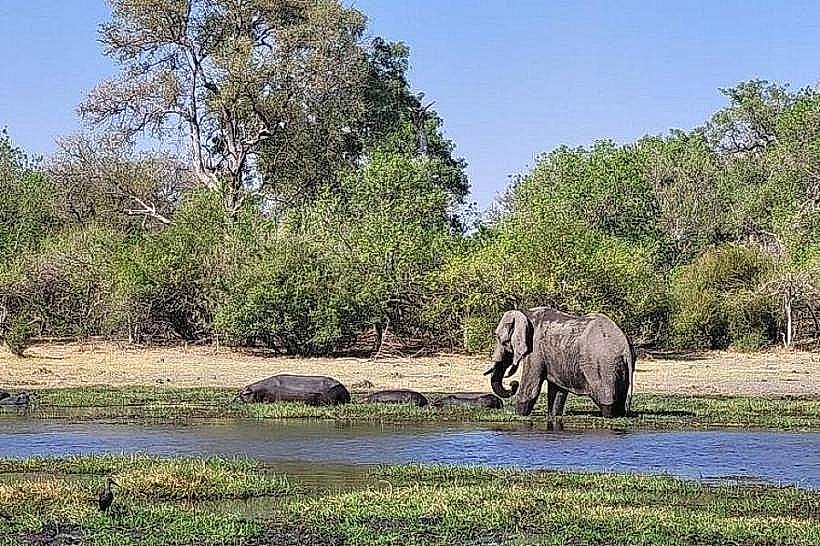
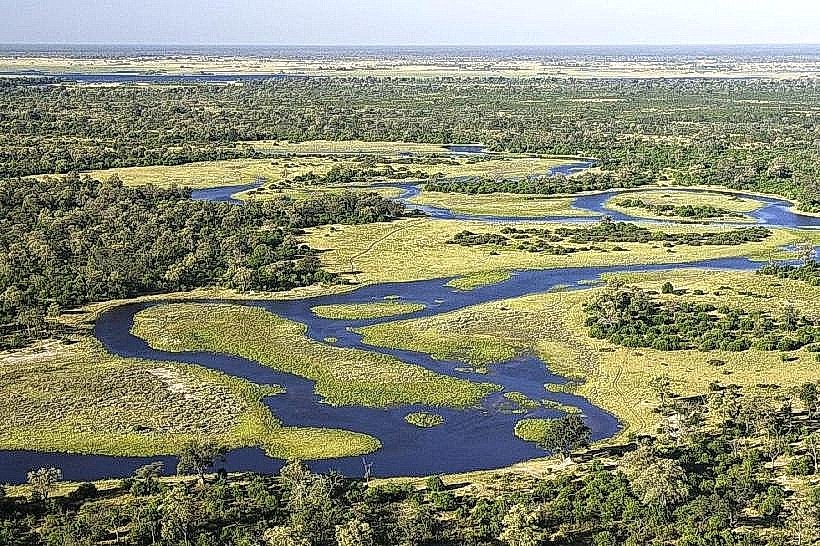
The park consists primarily of flat, sandy plains interspersed with acacia trees and camel thorn trees. During the dry season, the landscape appears arid with sparse vegetation. Following rainfall, the pans transform into shallow water bodies, and the vegetation becomes greener and more dense.
Location & Access Logistics
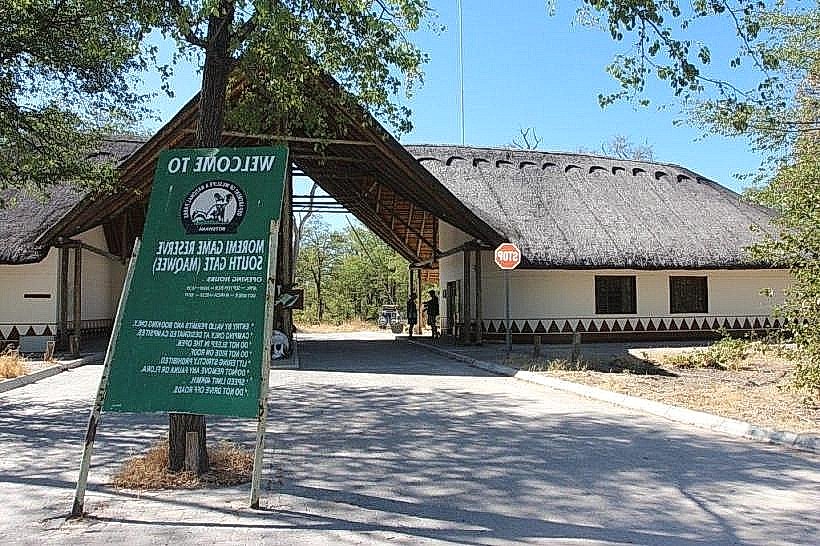
Nxai Pan National Park is approximately 150 kilometers north of Maun. Access is via a gravel road, the A3 highway, turning off onto a track leading to the park entrance. The park is accessible by 4x4 vehicles, especially during the wet season. There is a main campsite within the park, and no public transport services operate directly to the park.
Historical & Ecological Origin
Nxai Pan is part of the larger Makgadikgadi ecosystem, which is a remnant of a prehistoric super-lake. The pans themselves are salt pans formed by the evaporation of this ancient lake. The area is ecologically significant for its seasonal wetlands and the migratory patterns of wildlife.
Key Highlights & Activities
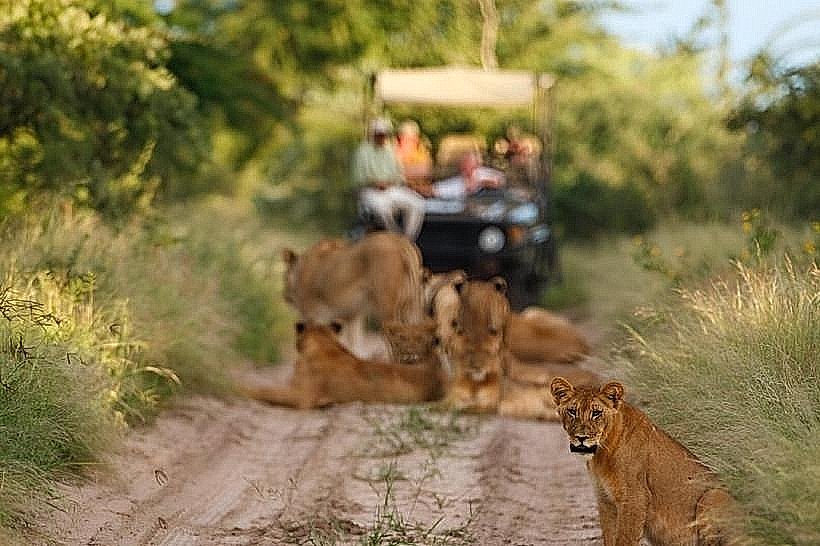
Wildlife viewing is the primary activity. Specific areas of interest include Baines' Baobabs, a cluster of seven large baobab trees. Game drives are conducted on designated tracks. Birdwatching is also a significant activity, particularly during the wet season when migratory birds are present.
Infrastructure & Amenities
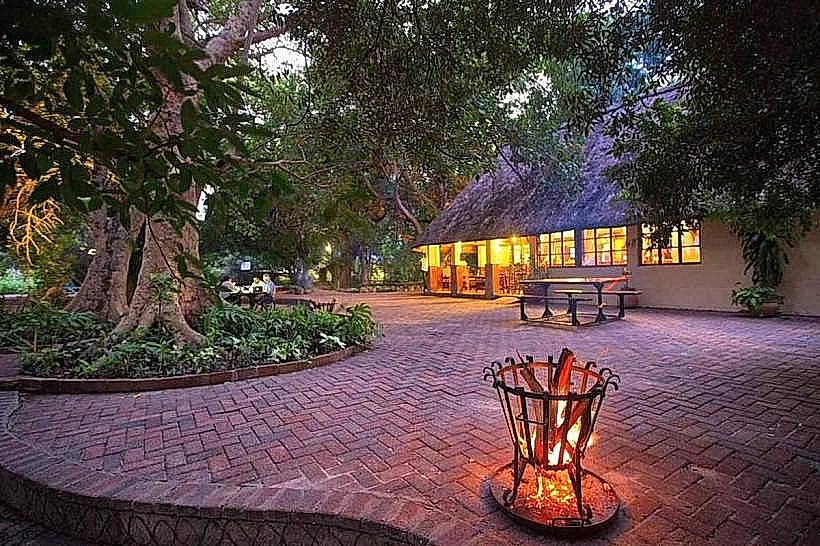
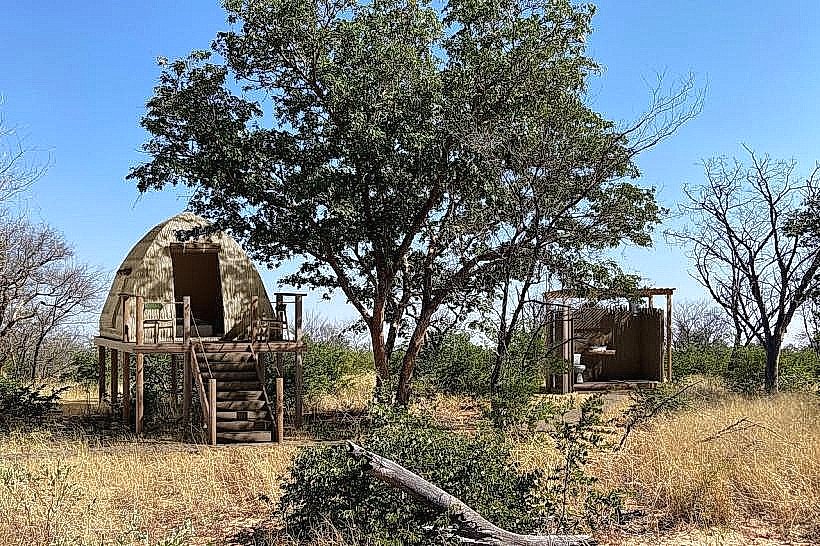
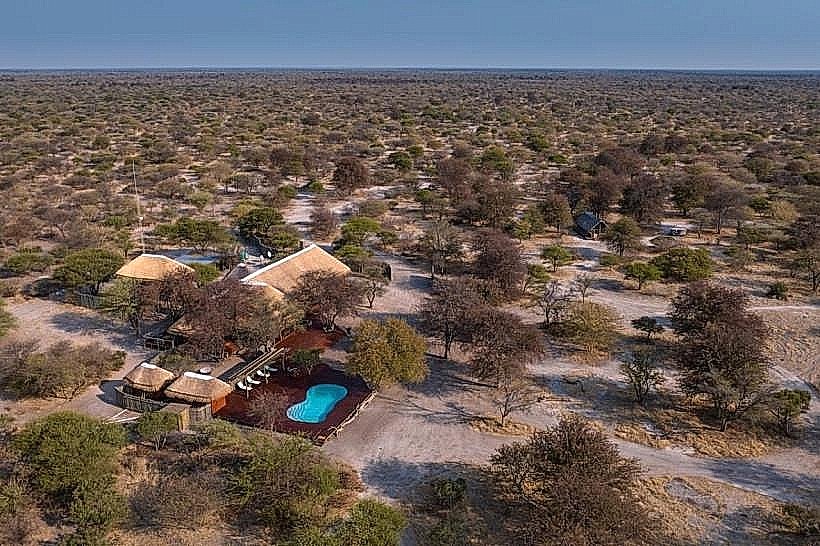
The park has a designated campsite with basic facilities, including pit toilets and braai (barbecue) stands. There are no permanent food vendors within the park. Cell phone signal is generally unreliable and limited to specific elevated points, if available at all.
Best Time to Visit
The best time for wildlife viewing is during the dry season, from May to October, when animals congregate around water sources. The wet season, from November to April, is ideal for birdwatching and experiencing the pans filled with water, though access can be challenging.
Facts & Legends
The Baines' Baobabs are named after the artist Thomas Baines, who sketched them in 1862. A local legend suggests that the trees are spirits of ancient warriors.
Nearby Landmarks
- Makgadikgadi Pans National Park (10km South-East)
- Kubu Island (45km South-West)
- Central Kalahari Game Reserve (120km South)