Information
Landmark: Savuti MarshCity: Maun
Country: Botswana
Continent: Africa
Savuti Marsh, Maun, Botswana, Africa
Savuti Marsh is a large, seasonal grassland located within Chobe National Park in Botswana. It is known for its significant wildlife concentrations, particularly during the dry season.
Visual Characteristics
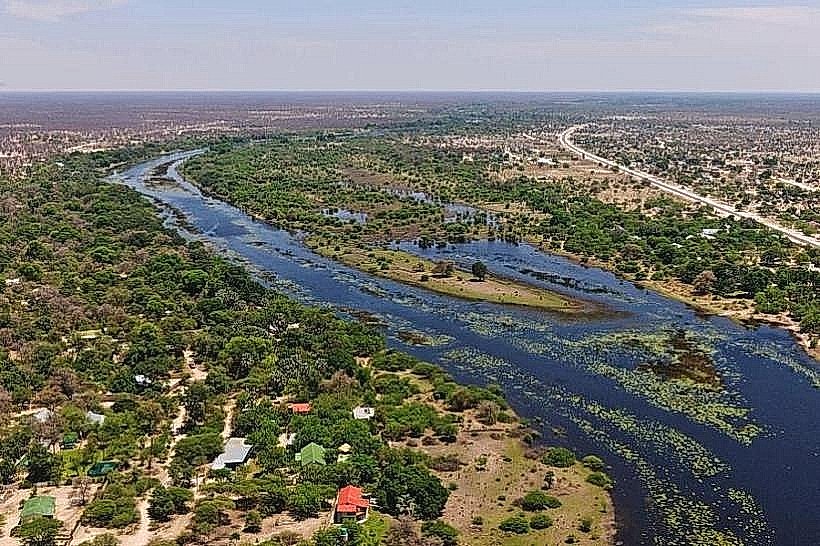
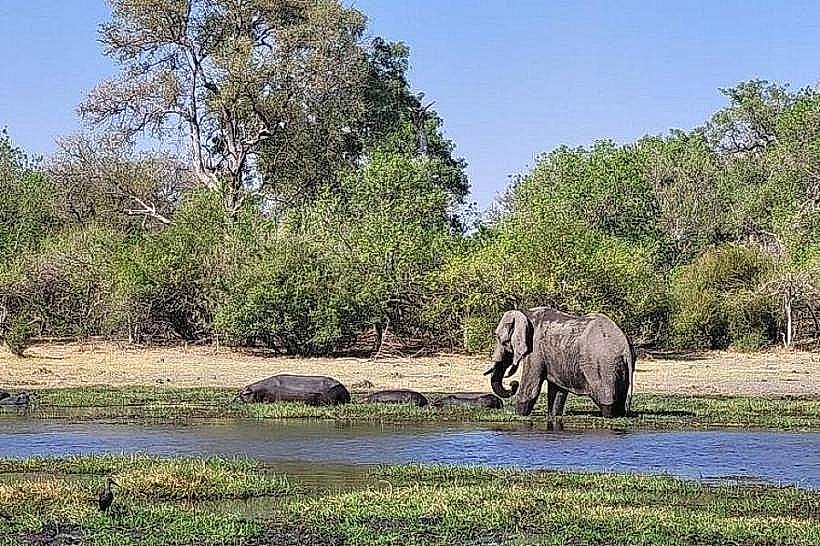
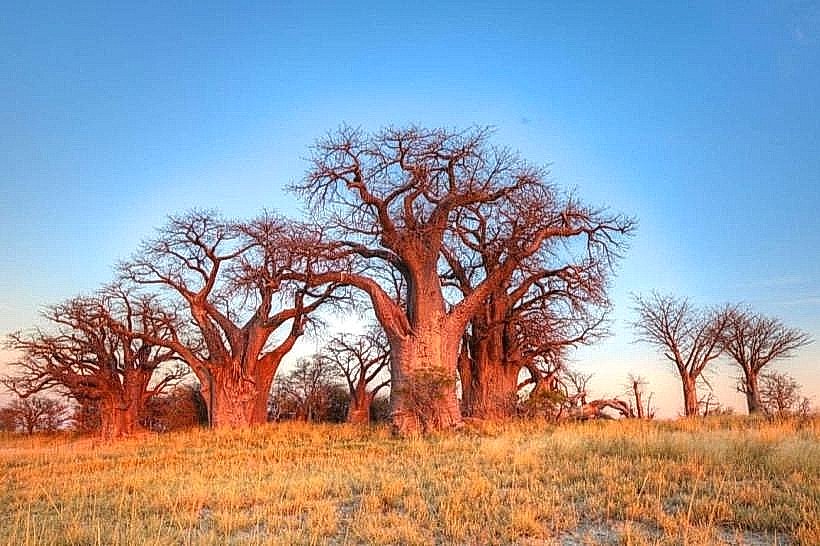
The marsh is characterized by a flat, open expanse of grassland that floods seasonally, creating shallow water bodies. During the dry season, the area transforms into dry, dusty plains with scattered acacia trees and scrub vegetation. The soil is predominantly sandy and clay-based.
Location & Access Logistics
Savuti Marsh is situated in the southwestern sector of Chobe National Park. Access is primarily via 4x4 vehicles from the park's main gates. The nearest major town is Kasane, approximately 150km to the northeast, requiring a full day's drive on unpaved park roads. Self-drive access is possible but requires careful planning and appropriate vehicle. Organized safari tours from Maun (approximately 200km south) or Kasane are also common, often utilizing chartered flights to a nearby airstrip followed by ground transfers.
Historical & Ecological Origin
The marsh is a remnant of a large ancient lake that once covered much of the Kalahari Desert. Its current form is a result of complex geological and hydrological processes, including tectonic activity and fluctuating river systems. The marsh's existence is dependent on the Savuti Channel, which historically flowed intermittently, bringing water from the Linyanti River system. The channel's flow has been unpredictable, impacting the marsh's water levels and ecological state.
Key Highlights & Activities
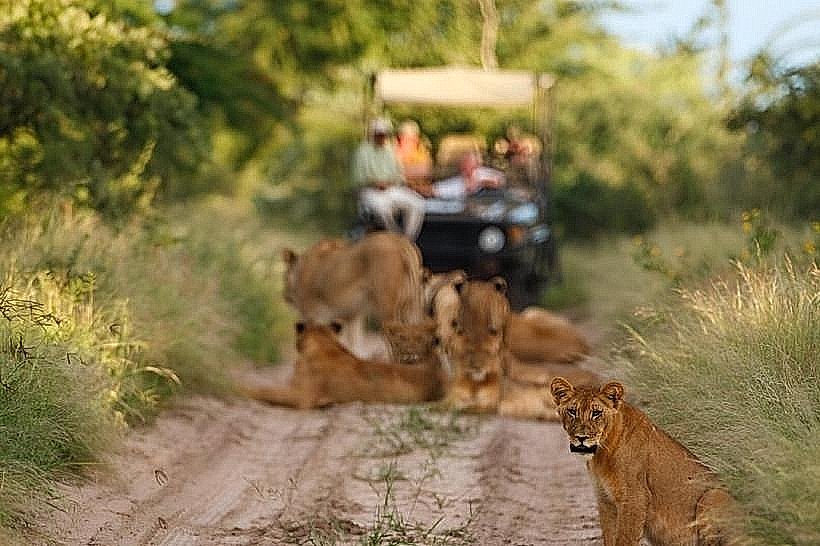
Wildlife viewing is the primary activity. Specific opportunities include observing large herds of elephants, zebras, and wildebeest, especially during the dry season when they congregate around water sources. Predatory animals such as lions, hyenas, and wild dogs are frequently sighted. Birdwatching is also significant, with numerous resident and migratory species present. Game drives are the standard method of exploration.
Infrastructure & Amenities
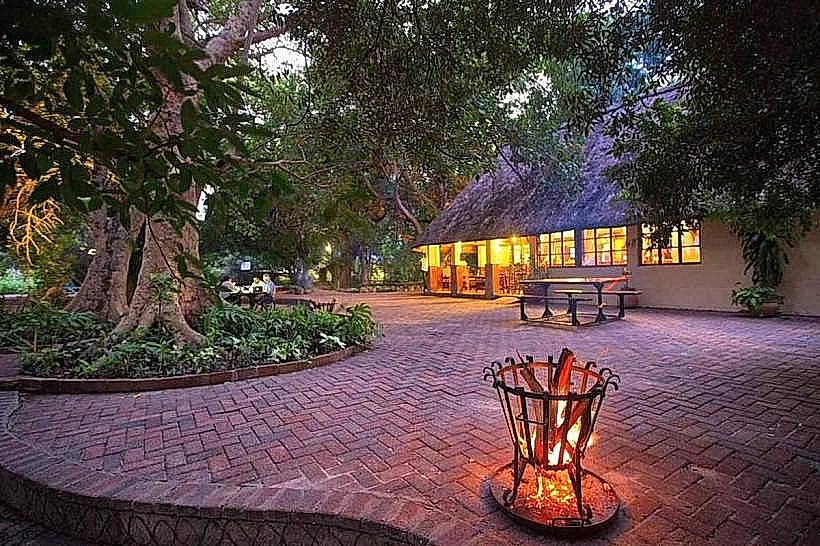
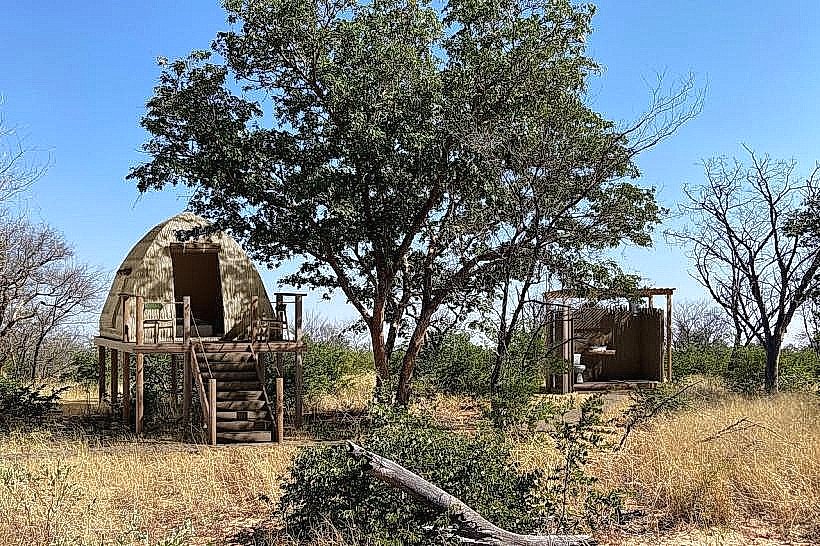
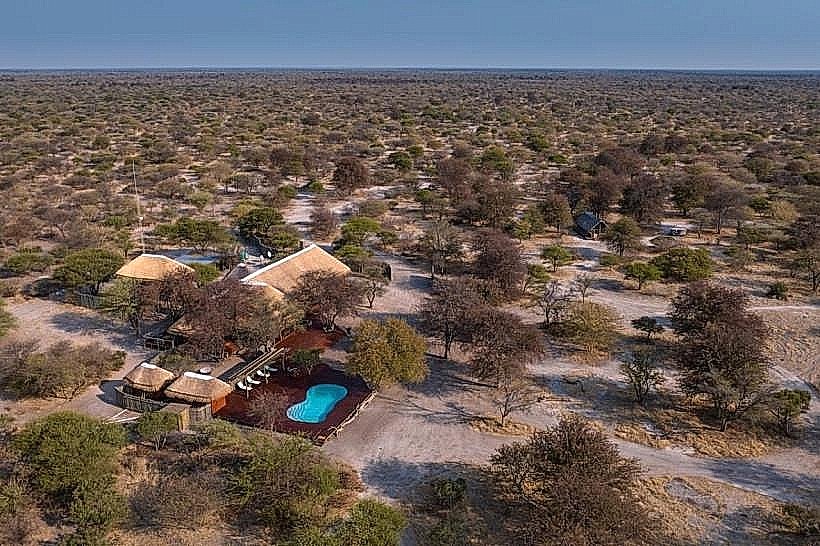
Within the immediate vicinity of the marsh, infrastructure is limited to basic safari camps and lodges. Public restrooms are typically found at designated campsites or lodges. Shade is provided by acacia trees and lodge structures. Cell phone signal is generally absent or unreliable. Food vendors are not present; visitors rely on provisions from their accommodation or self-catering arrangements.
Best Time to Visit
The optimal period for visiting Savuti Marsh is during the dry season, from May to October. During these months, wildlife congregates around the remaining waterholes, increasing viewing opportunities. The best time of day for photography is typically early morning and late afternoon, when the light is softer and animal activity is higher. High tide is not a relevant factor for this grassland environment.
Facts & Legends
A notable phenomenon is the Savuti Channel's unpredictable flow. For decades, it remained dry, leading to speculation about its cause. In recent years, it has begun to flow again, a development attributed by some to seismic activity and by others to natural hydrological cycles. This intermittent water source significantly influences the marsh's ecosystem and the behavior of its wildlife.
Nearby Landmarks
- Chobe Riverfront (approx. 150km Northeast)
- Linyanti Wetlands (approx. 50km Northwest)
- Okavango Delta (approx. 100km Southwest)
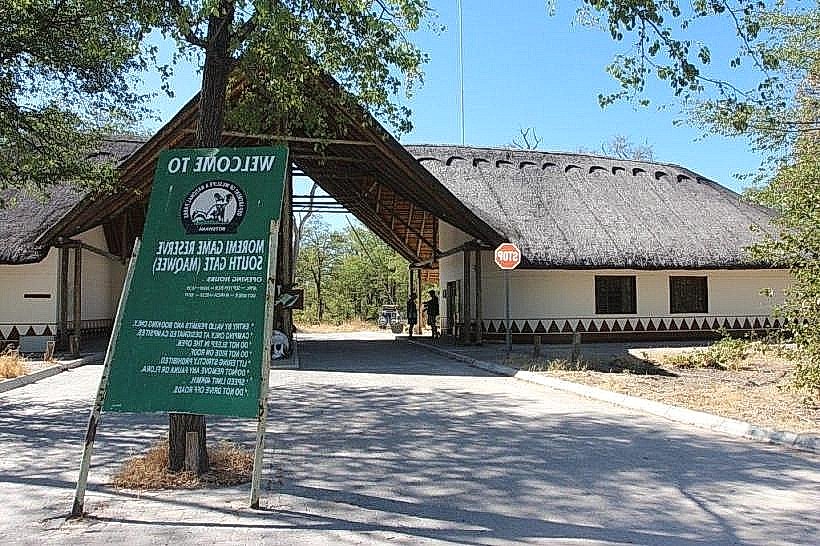
- Moremi Game Reserve (approx. 120km Southwest)