Information
Landmark: Motswiri Cultural VillageCity: Maun
Country: Botswana
Continent: Africa
Motswiri Cultural Village, Maun, Botswana, Africa
Motswiri Cultural Village is a living museum located near Maun, Botswana, dedicated to showcasing traditional Setswana life.
It offers a direct experience of the heritage and customs of the Batswana people.
Visual Characteristics
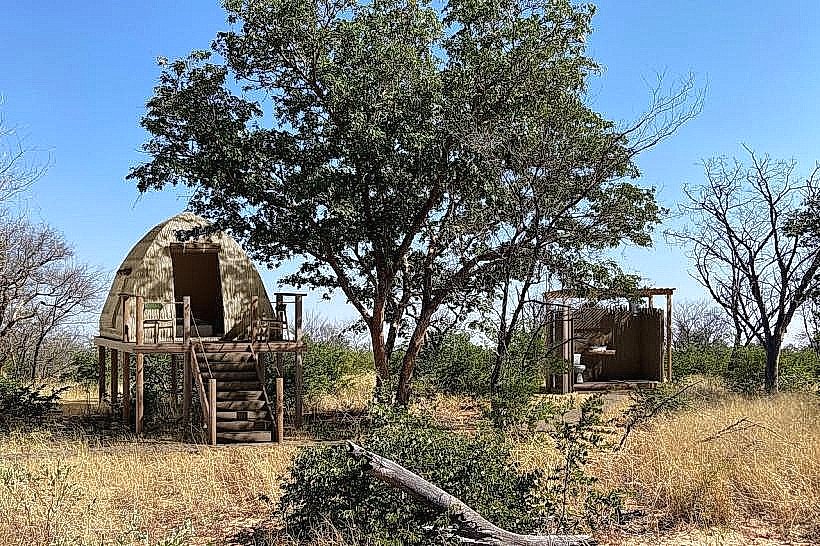
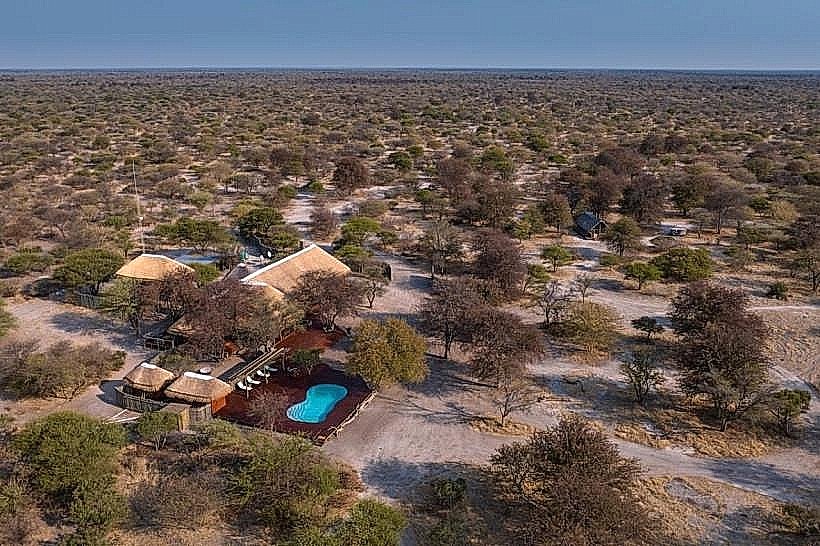
The village comprises traditional Tswana huts constructed from mud, thatch, and wood. Structures are circular with conical roofs. The central area features an open space for communal activities. Surrounding vegetation is typical of the Kalahari, with acacia trees and scrubland.
Location & Access Logistics
Motswiri Cultural Village is situated approximately 15 kilometers west of Maun. Access is via the A3 highway towards Ghanzi. Turn off at the clearly marked sign for Motswiri Cultural Village. The final 2 kilometers are on a graded dirt road. Parking is available on-site in a designated open area. Public transport options directly to the village are limited; a private vehicle or pre-arranged taxi from Maun is recommended.
Historical & Ecological Origin
Motswiri Cultural Village is a contemporary reconstruction designed to preserve and present traditional Setswana architectural and social practices. It is not an ancient site but a functional educational facility. The surrounding environment is part of the semi-arid Kalahari Desert ecosystem.
Key Highlights & Activities
Visitors can observe traditional cooking methods, pottery making, and beadwork demonstrations. Scheduled performances of traditional music and dance occur daily. Participants can engage in learning basic Setswana phrases and understanding social customs. Guided walks around the village perimeter are available.
Infrastructure & Amenities
Basic restroom facilities are provided. Limited shaded areas are available under thatched shelters. Cell phone signal (4G) is generally available. No on-site food vendors are present; visitors are advised to bring their own refreshments. Water is available from a central borehole.
Best Time to Visit
The best time of day for photography is late morning or late afternoon when the sun angle provides optimal lighting on the structures. The dry season, from May to October, offers the most comfortable weather conditions with lower humidity and cooler temperatures. Mid-day can be very hot.
Facts & Legends
A specific tradition observed is the preparation of 'bogobe', a staple porridge made from sorghum or maize, cooked over an open fire. The village aims to educate visitors on the historical significance of communal living and the resourcefulness required in traditional Tswana society.
Nearby Landmarks
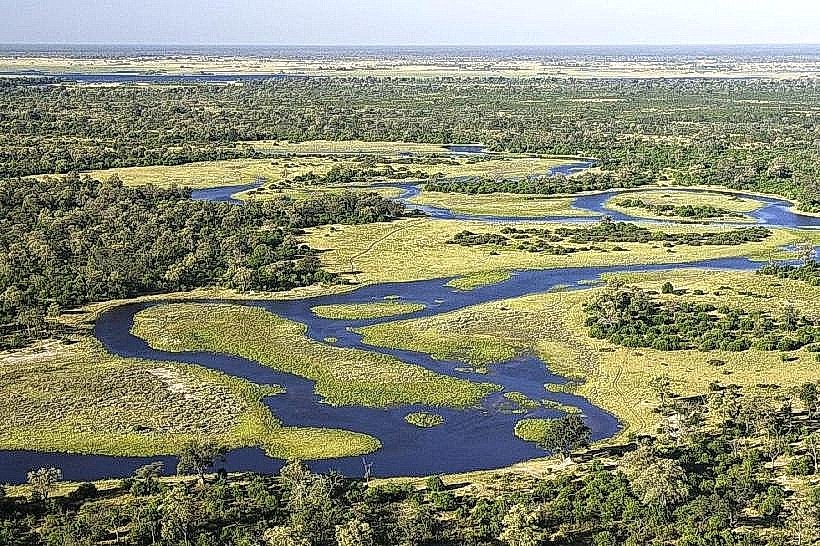
- Okavango Delta (approx. 10km Northeast)
- Maun Game Sanctuary (approx. 12km East)
- Thamalakane River (approx. 14km East)
- Botswana Craft (approx. 15km East)