Information
Landmark: Central Kalahari Game ReserveCity: Maun
Country: Botswana
Continent: Africa
Central Kalahari Game Reserve, Maun, Botswana, Africa
Overview
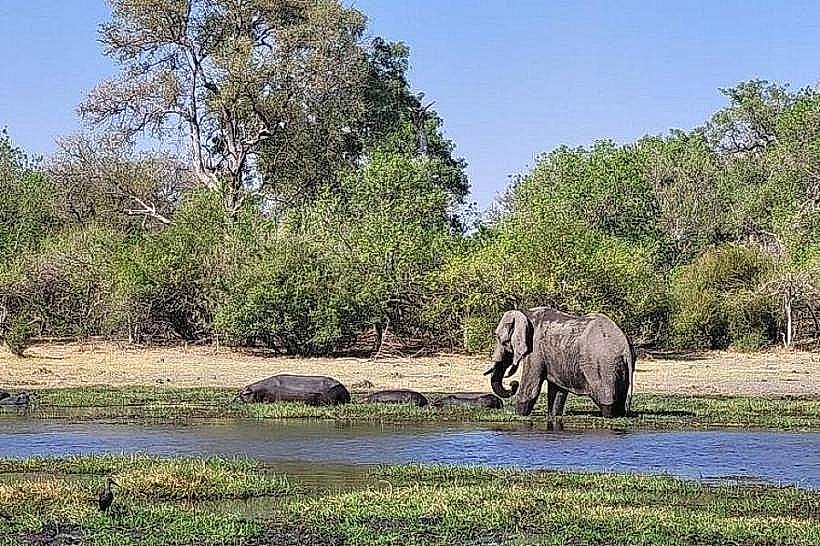
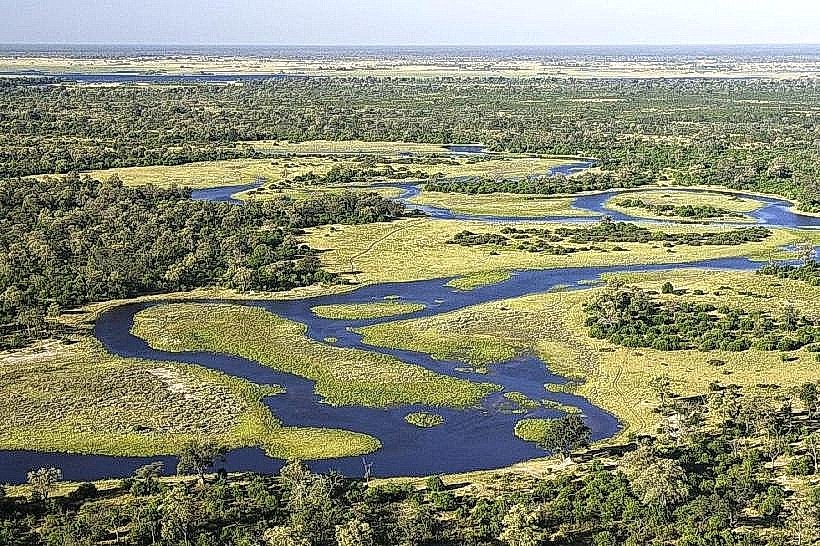
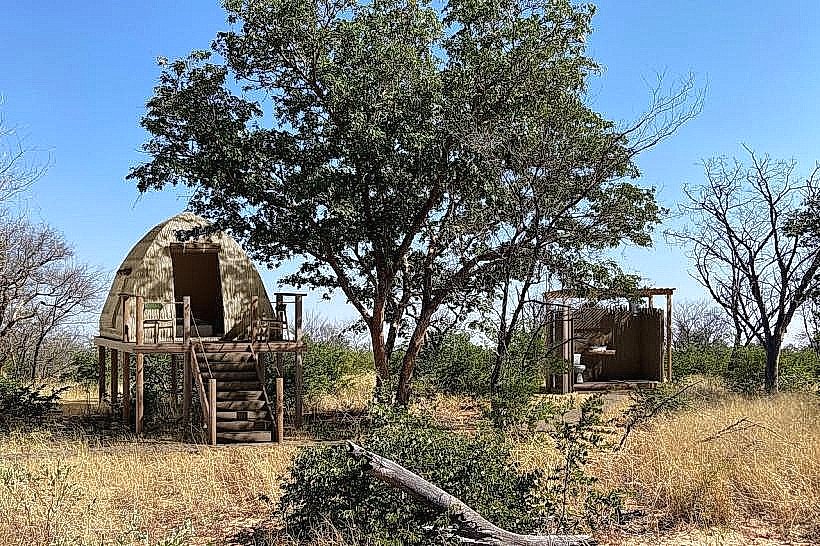
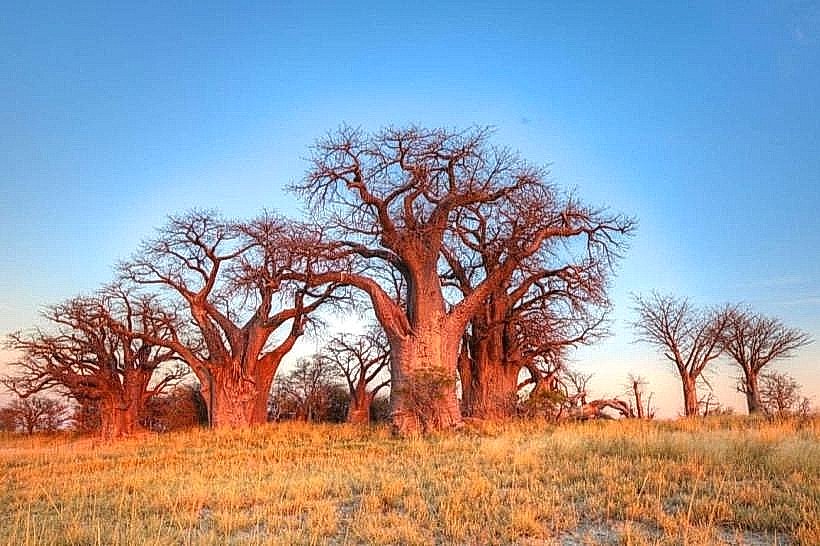
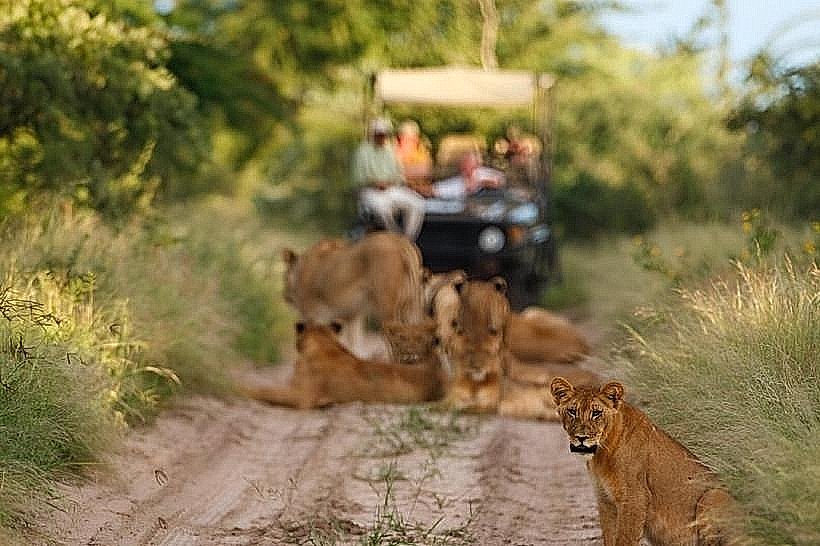
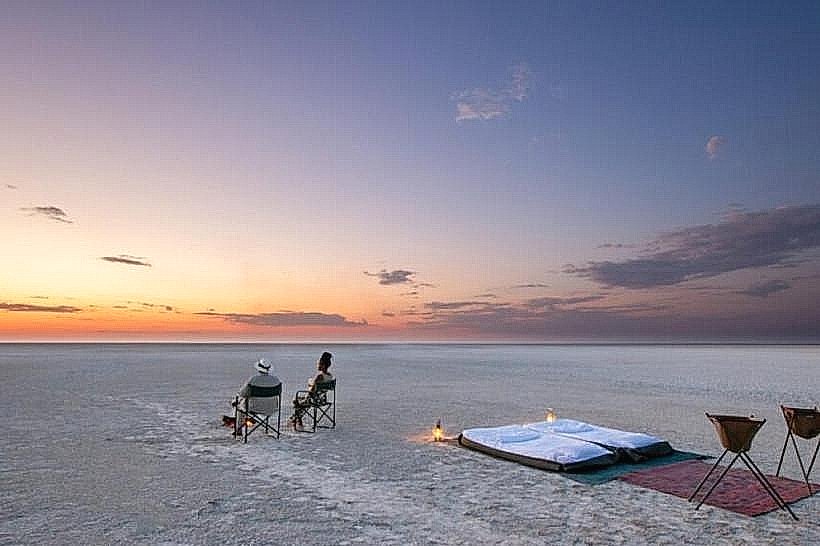
The Central Kalahari Game Reserve-known simply as CKGR-sprawls across the heart of Botswana’s endless desert, a vast protected wilderness where wind sweeps over golden grass and antelope drift like ghosts, what’s more spreading across miles of wild, open land, it delivers a fierce, unforgettable safari-one marked by vast silence, raw space, and the steady pulse of untamed life.This isn’t a spot for crowds or glossy tourism-it’s where nature still rules, wild and untouched, with wind whispering through tall grass, as a result the reserve unfolds across ancient fossil riverbeds, wide grass plains, and low dunes brushed with scrub that rustles softly in the wind.Broad valleys like Deception Valley, Passarge Valley, and Piper Pan carve the land’s backbone, their pale floors stretching out under the sharp midday sun, at the same time in the dry season, the land turns pale and dusty, looking almost lifeless-just wavering horizons and a few gloomy trees shimmering in the heat.After the rains, everything shifts-the plains turn into a soft green carpet, wildflowers splash color across the valleys, and the whole reserve exhales, alive again, after that the land stretches out in every direction, so flat you can spot a fence post miles away, and the sheer openness makes everything feel immense.Soft gold and dusty pink spill across the land as the sun rises, lighting the fields like brushed silk; by evening, deep reds and purples stretch over the sky and fade away, deliberate and silent, not only that though it looks harsh and empty, the Central Kalahari teems with life-springboks kicking up dust, jackals darting through the grass, and countless other creatures thriving in the heat.The black-maned Kalahari lions stand out as the desert’s true icons-powerful, solitary hunters built for the shimmering heat and endless open sand, and cheetahs flourish here too, sprinting across the open plains in long, dust-kicking chases.Leopards prowl, brown hyenas skulk, and African wildcats slip through the grass, all adding to the land’s tense mix of predators, furthermore after a stretch of good rain, herds of springbok, gemsbok, eland, wildebeest, giraffe, and kudu swell across the grassland, their coats glinting in the sun.During the wet season, the air fills with wings-korhaans, bustards, raptors, and flocks of waterbirds crowd the shimmering temporary pans, then life in the Kalahari swings between dry stretches and bursts of plenty, that uneasy rhythm shaping everything from the scent of dust to the paths animals carve through the sand.To be honest, The reserve transforms with each season-spring hums with shining green leaves and buzzing bees, while winter hushes everything under a thin sheet of frost, not only that during the dry season, days blaze with heat while nights turn sharply crisp; surface water vanishes, and animals crowd the last muddy pans.The land feels bare and still, mile after mile with only a lone fence post breaking the view, alternatively when the rains arrive, grass shoots up rapid and flowers burst open; antelope calves stumble through the fresh green, predators stir, and flocks of birds wheel south under a silver sky.The roads can get rough, but the view-mist curling over the hills-is stunning, along with the shifting seasons lend the Central Kalahari a restless, living character-more a landscape of moving light and dust than a fixed postcard safari scene.As it happens, Human history ties closely to the San, or Bushman, people-among the oldest living cultures in southern Africa-and the Central Kalahari still carries their footprints in its pale sand, what’s more for countless generations, they moved in step with the harsh land-following animal tracks through soft sand, picking edible roots, and finding their way by faint signs no stranger could discover.The land still bears their mark in heritage hearth circles, chipped stone blades, and faint carvings cut into the rock, alternatively even now, their ancient knowledge shapes how we observe the Kalahari-a venue alive with shifting sand, whispering grass, and quiet resilience.In the Central Kalahari, a safari feels less like a tour and more like an expedition-dust rising behind the jeep as the horizon stretches endlessly ahead, after that the distances stretch for miles, the roads drag with loose sand beneath your tires, and help feels a long way off.Game drives move at their own leisurely pace-miles of stillness, the hum of tires on dust, then sudden bursts of life: a lion padding across a dry pan, cheetahs poised on a termite mound, a lone giraffe etched murky against the pale sky, and the camps sit far apart, with no fences in sight, so zebras and antelope wander through as they please.At night, darkness swallows everything; stars cut the sky like glass, and the wind carries faint lion calls and the hush of unseen creatures brushing past the sand, on top of that reaching the heart of the Central Kalahari takes real planning-maps spread out on the dash, water jugs lined up for the long, remote drive.As it happens, You usually reach the area by driving hours over rough tracks in a 4x4 or flying in on a petite plane that bumps down onto a dirt airstrip, then visitors need to be completely self-reliant, hauling their own water, fuel, and gear-even a spare jug sloshing in the back of the truck, perhaps This tough bit of logistics keeps visitor numbers low, letting the reserve hold onto its quiet, untouched feel-like the hush that settles after a bird takes flight, moreover in the end, the Central Kalahari Game Reserve isn’t about comfort, convenience, or spotting animals on cue-it’s about vast silence and wind brushing over red sand.It’s about losing yourself in real wilderness-standing in the heart of an ancient land where the wind hums through the pines and you feel fleeting, almost invisible, also wide plains stretch out under a restless sky, home to tough wildlife and a silence so heavy it hums; together with its rich traditions, they leave travelers marked long after the last dust drifts from their boots., under certain circumstances
Author: Tourist Landmarks
Date: 2025-12-03