Information
Landmark: Okavango DeltaCity: Maun
Country: Botswana
Continent: Africa
Okavango Delta, Maun, Botswana, Africa
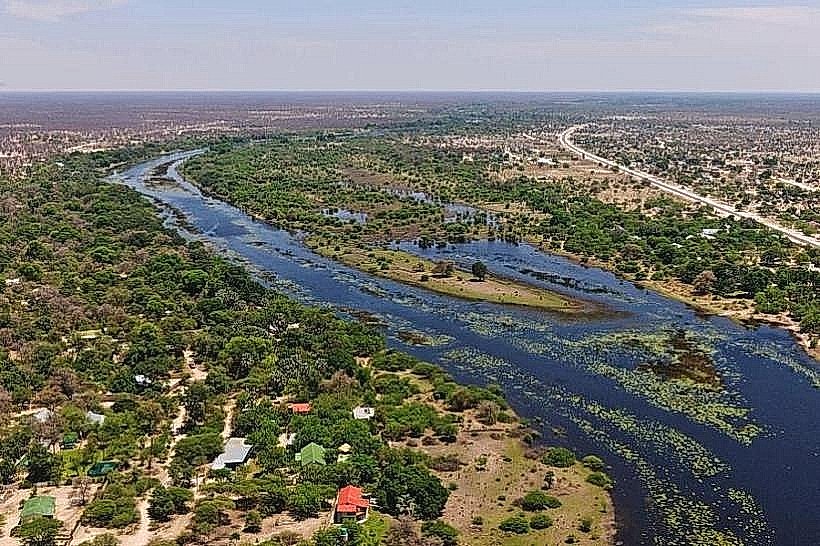
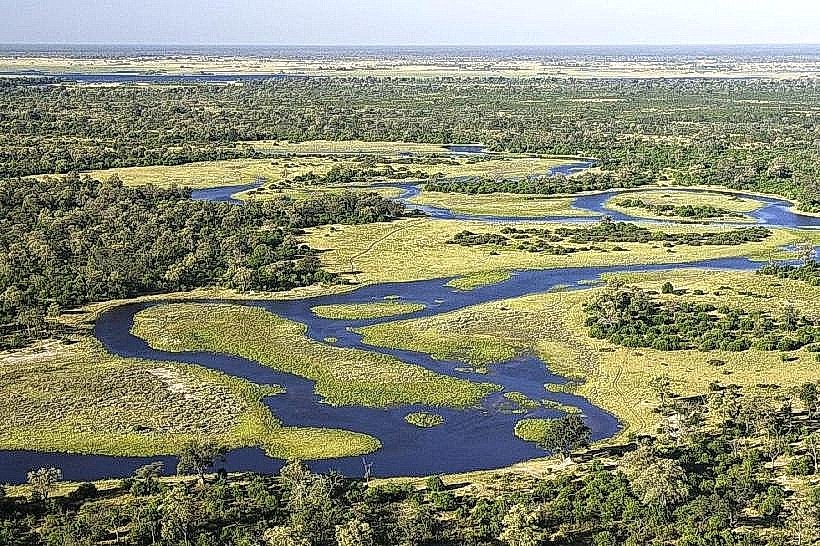
The Okavango Delta is a vast inland river delta located in Botswana. It is a UNESCO World Heritage Site and one of the largest intact inland deltas in the world.
Visual Characteristics
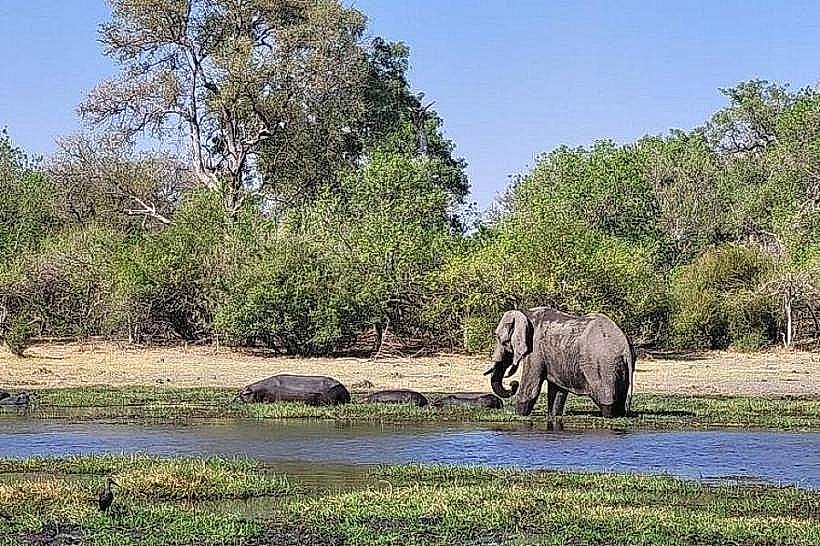
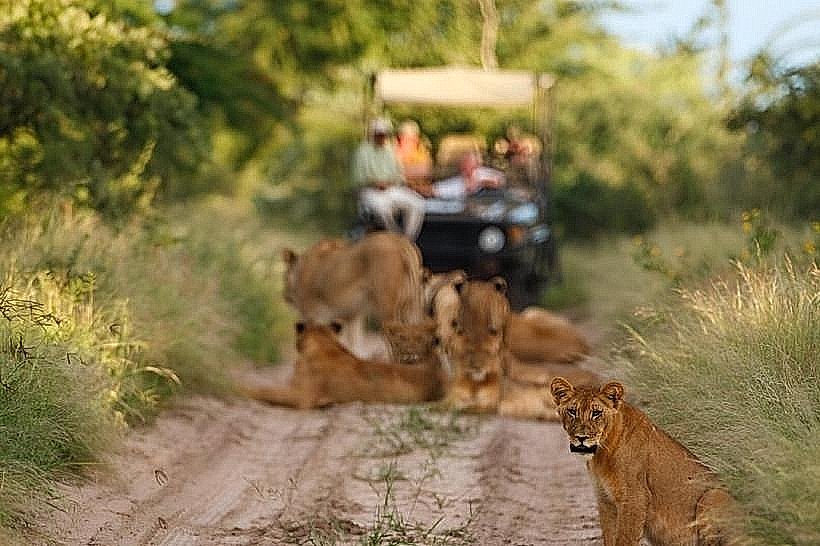
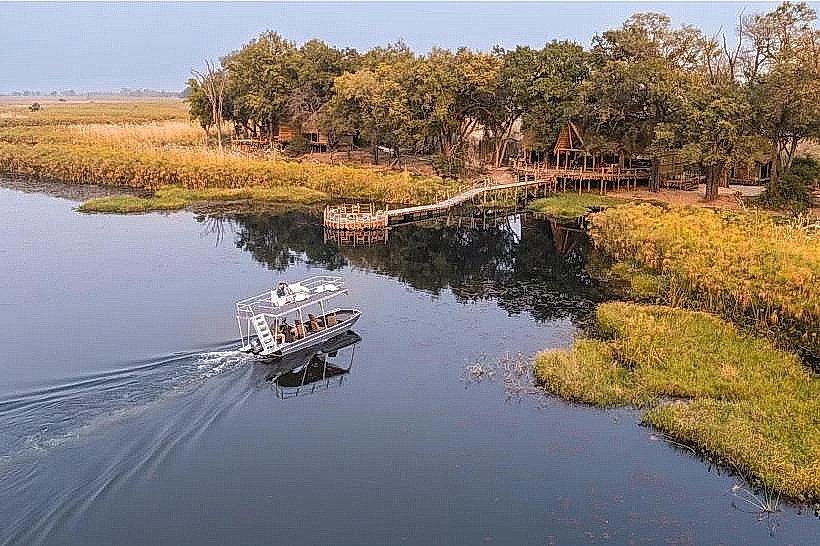
The delta is characterized by a complex network of channels, lagoons, and islands that shift seasonally. Water color ranges from clear to muddy brown depending on sediment load. Vegetation density varies from open grasslands on islands to dense mopane woodlands and papyrus swamps along water channels. Wildlife is a prominent visual element, with large herds of mammals and diverse birdlife.
Location & Access Logistics
The Okavango Delta is situated in the north of Botswana, north of the Kalahari Desert. The primary gateway city is Maun, located approximately 100 kilometers south of the delta's edge. Access into the delta is primarily via light aircraft flights from Maun Airport (MUB) to various airstrips within the delta lodges. Road access to the delta's periphery is limited and often requires 4x4 vehicles; the main routes involve gravel roads from Maun towards areas like Shorobe and then into the delta's western and southern edges. Public transport to Maun is available via bus services from Gaborone and other major towns. Within the delta, transport is by mokoro (traditional dugout canoe), motorboat, or walking safaris.
Historical & Ecological Origin
The Okavango Delta is an endorheic basin, meaning it does not flow into the sea. Its formation is a result of tectonic activity along the Great Rift Valley, which created a fault line that traps the Okavango River's waters. The delta is a geologically active area, with ongoing subsidence and uplift influencing its water distribution. Ecologically, it is a unique freshwater ecosystem that supports a high concentration of wildlife, particularly during the dry season when surrounding areas become arid.
Key Highlights & Activities
Activities include mokoro excursions through shallow channels, motorboat safaris on larger lagoons, guided walking safaris to observe wildlife on foot, and birdwatching. Game drives are conducted in surrounding concessions. Fishing is permitted in designated areas. Photography of wildlife and landscapes is a primary activity.
Infrastructure & Amenities
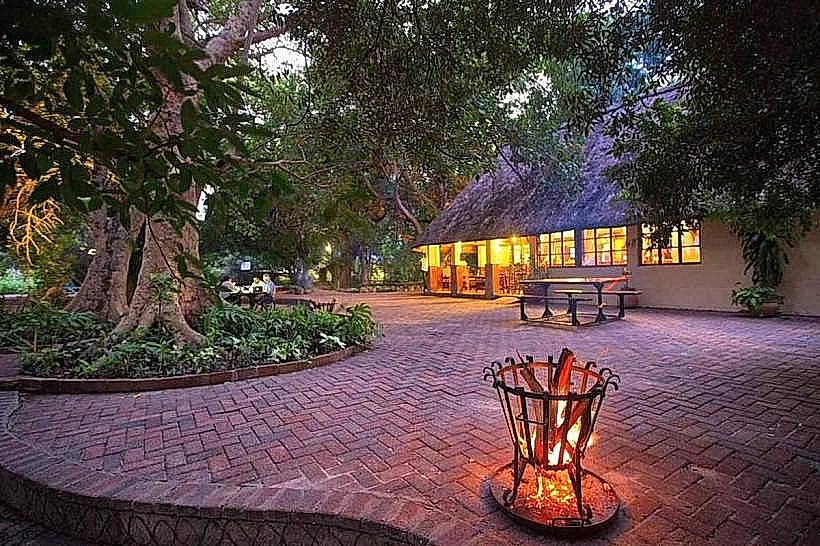
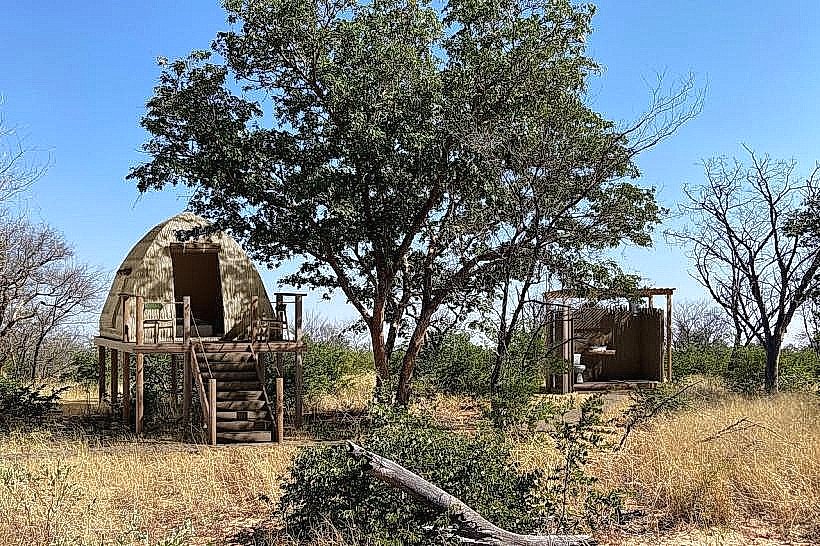
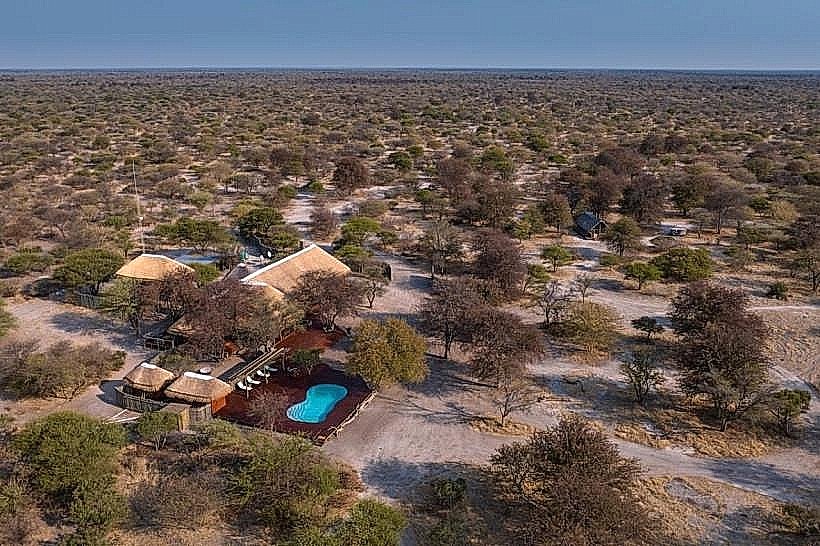
Infrastructure varies significantly by location within the delta. Most tourist camps offer basic amenities such as en-suite bathrooms, dining areas, and common lounges. Cell phone signal is generally absent within the delta itself, though some lodges may offer satellite Wi-Fi. Restrooms are standard in camps. Shade is provided by trees and camp structures. Food vendors are typically located within the lodges and camps, not independently accessible.
Best Time to Visit
The best time to visit for wildlife viewing is during the dry season, from May to October, when water levels are high and animals congregate around remaining water sources. The peak flood season, when water levels are highest, is typically from June to August. For birdwatching, the wet season (November to April) is optimal, with migratory birds present. Photography is best in the early morning and late afternoon for optimal lighting conditions.
Facts & Legends
The Okavango River originates in Angola, over 1,000 kilometers away, and its floodwaters arrive in Botswana months later, creating a seasonal oasis in the desert. A local belief suggests that the delta is a gift from the gods, providing life to the arid landscape.
Nearby Landmarks
- Chief's Island (15km Northwest)
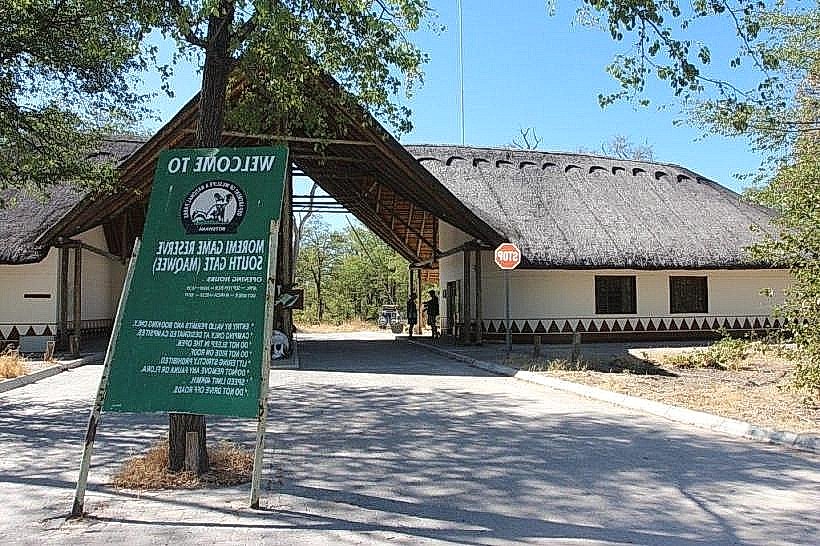
- Moremi Game Reserve (20km Southeast)
- Khwai River (25km East)
- Savuti Marsh (70km Northeast)