Information
Landmark: Makgadikgadi Salt PansCity: Maun
Country: Botswana
Continent: Africa
Makgadikgadi Salt Pans, Maun, Botswana, Africa
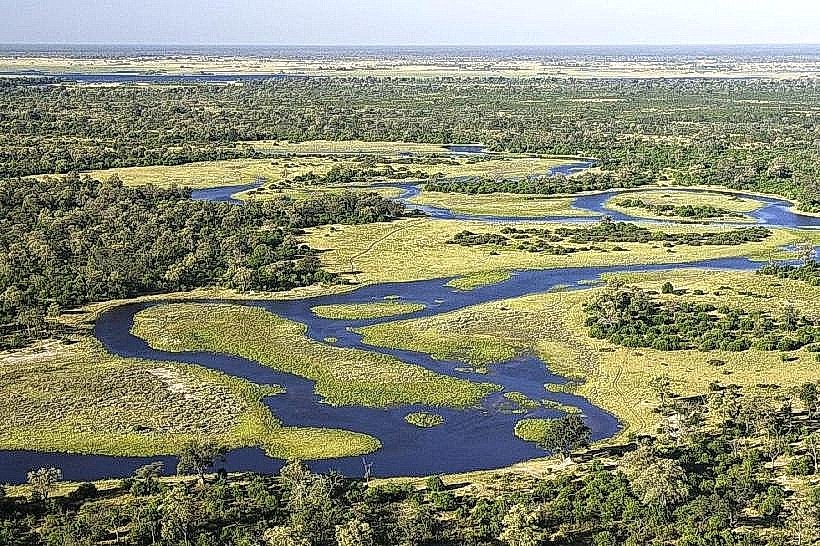
The Makgadikgadi Salt Pans are a large, arid salt desert located in Botswana. They are situated in the Kalahari Desert, north of the Okavango Delta.
Visual Characteristics
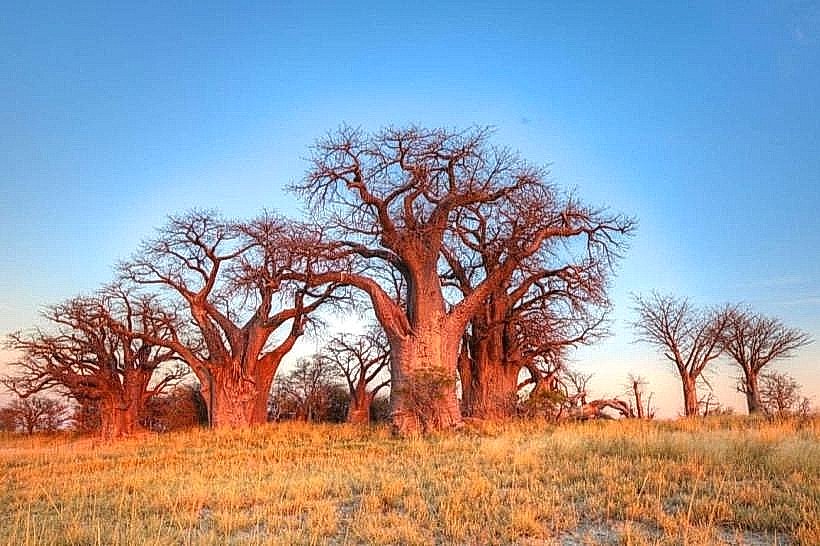
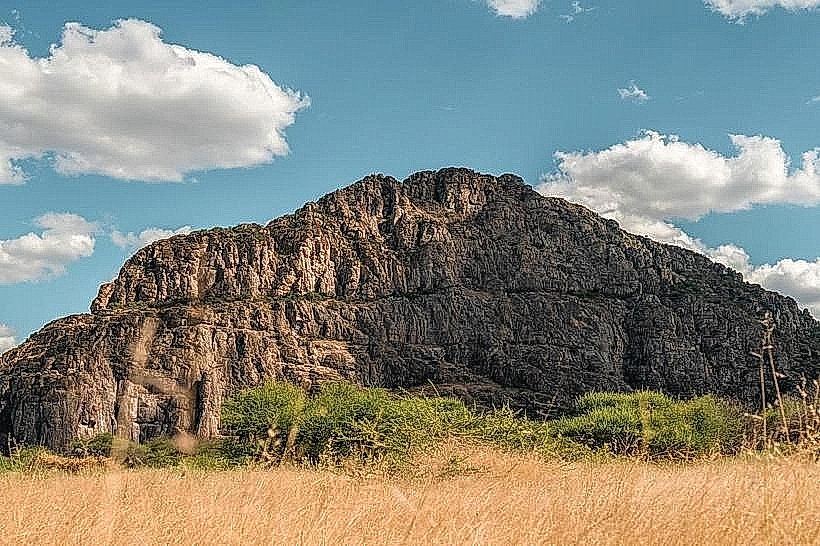
The pans consist of vast, flat expanses of salt crust, often appearing white or pale grey. During the dry season, the surface is cracked and dry. After rainfall, shallow water can cover sections, reflecting the sky. Vegetation is sparse, primarily consisting of hardy grasses and acacia trees around the periphery.
Location & Access Logistics
The Makgadikgadi Salt Pans are accessible from Maun, Botswana. The primary access route is via the A3 highway heading east. From the highway, unpaved tracks lead into the pans. Driving directly onto the pans requires a 4x4 vehicle, especially after rain. No public transport services operate directly to the pans. Parking is generally not designated; vehicles are driven onto the pans where permitted.
Historical & Ecological Origin
The Makgadikgadi Salt Pans are the remnants of a prehistoric super-lake that once covered much of northern Botswana. This lake, known as Lake Makgadikgadi, existed for millions of years before drying up due to tectonic activity and climate change. The current pans are a result of evaporation and salt accumulation over millennia.
Key Highlights & Activities
Activities include driving across the flat salt crust in a 4x4 vehicle. Quad biking is also possible in designated areas. Stargazing is a notable activity due to the lack of light pollution. During the wet season, birdwatching, particularly for flamingos, is possible in the shallow water. Camping is permitted in certain areas.
Infrastructure & Amenities
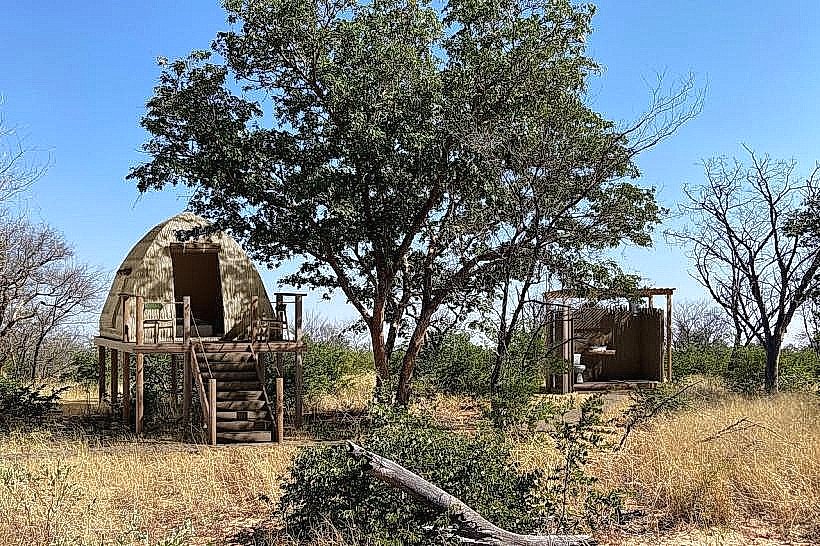
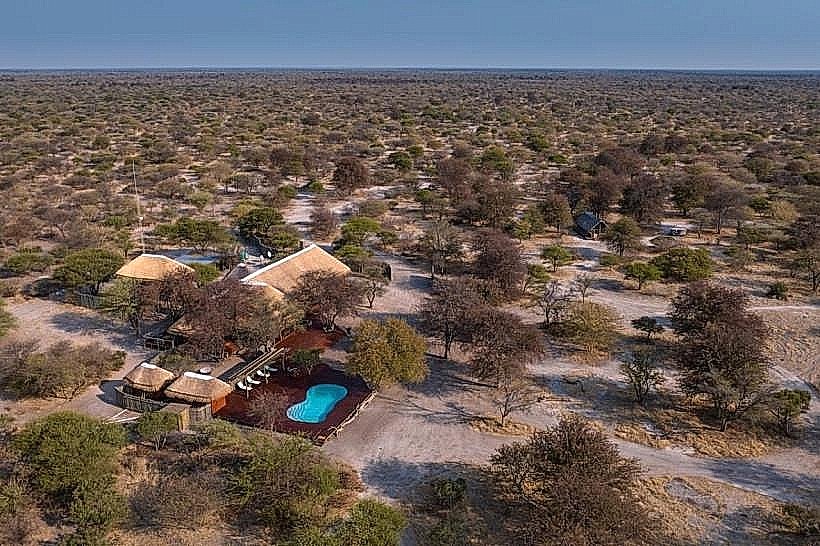
There are no permanent infrastructure or amenities directly on the salt pans. Basic facilities such as restrooms and food vendors are not available. Cell phone signal is generally absent. Visitors should carry all necessary supplies, including water, food, and fuel. Some lodges and campsites are located on the periphery of the pans.
Best Time to Visit
The dry season, from May to October, offers the most accessible conditions for driving on the pans. The wet season, typically from November to April, can bring shallow water, creating reflective surfaces and attracting wildlife, but can make access difficult. The best time of day for photography is during sunrise and sunset for low-angle light.
Facts & Legends
The Makgadikgadi Pans are one of the largest salt pans in the world. A unique phenomenon is the "singing dunes" that can sometimes be heard in the surrounding desert areas, a low humming sound attributed to the movement of sand grains.
Nearby Landmarks
- Nxai Pan National Park (15km Northwest)
- Central Kalahari Game Reserve (50km Southwest)
- Okavango Delta (100km West)
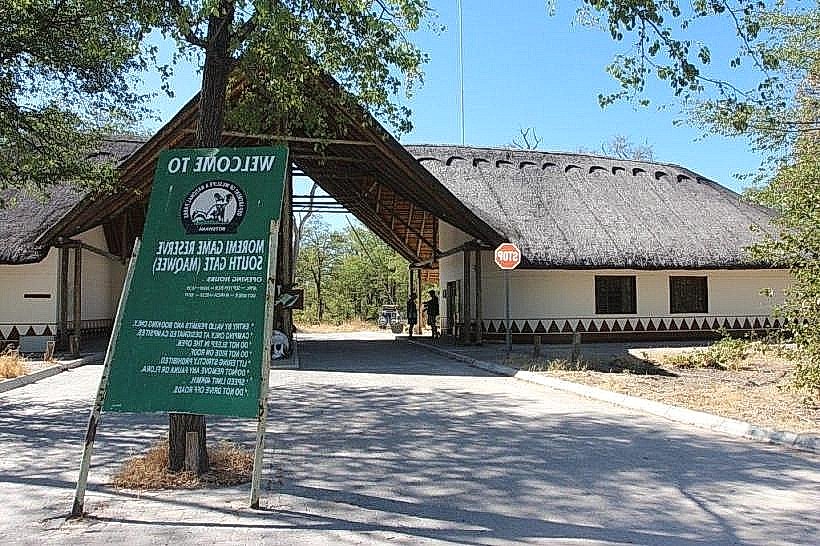
- Moremi Game Reserve (120km West)