Information
City: GaboroneCountry: Botswana
Continent: Africa
Gaborone, Botswana, Africa
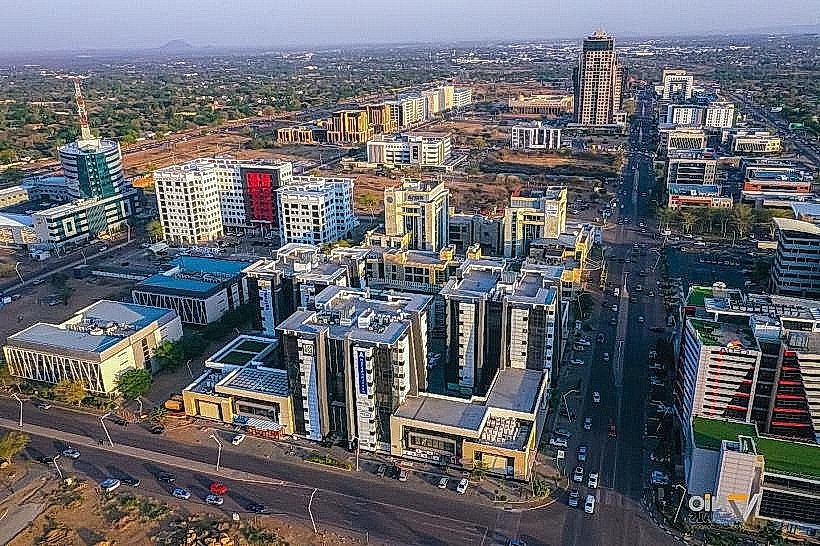
Gaborone is the capital and largest city of Botswana, situated in the southeastern corner of the country at an elevation of 1,010 meters. Developed from a small village of 1,000 inhabitants in 1966 to a cosmopolitan urban center, it is now one of the fastest-growing cities in Africa, serving as the nation's administrative, financial, and logistics hub.
Historical Timeline
The city is named after Kgosi (Chief) Gaborone of the Batlokwa people, who settled in the area (now Tlokweng) in the 1880s. In 1965, the capital of the Bechuanaland Protectorate moved from Mafeking to "Gaberones." Upon independence in 1966, the site was chosen for its neutral tribal demographics and proximity to the Notwane River. Most of the early town was purpose-built in just three years to accommodate 20,000 people; by 2026, it has far exceeded those original plans.
Demographics & Population
The 2026 projected population for the Gaborone urban area is approximately 254,500, with a metropolitan population exceeding 540,000. The demographic is primarily Tswana (79%), with significant minorities of Kalanga and expatriate communities from India, China, and Europe. The median age is roughly 24 years.
Urban Layout & Key Districts
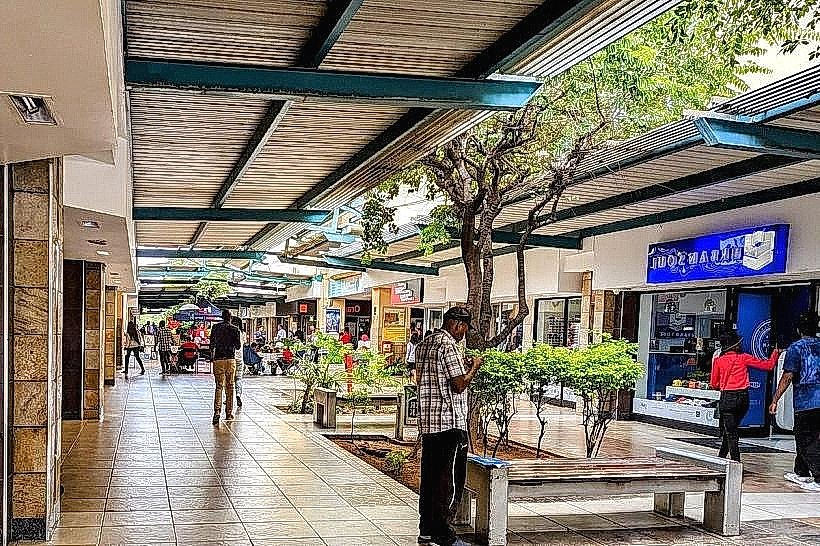
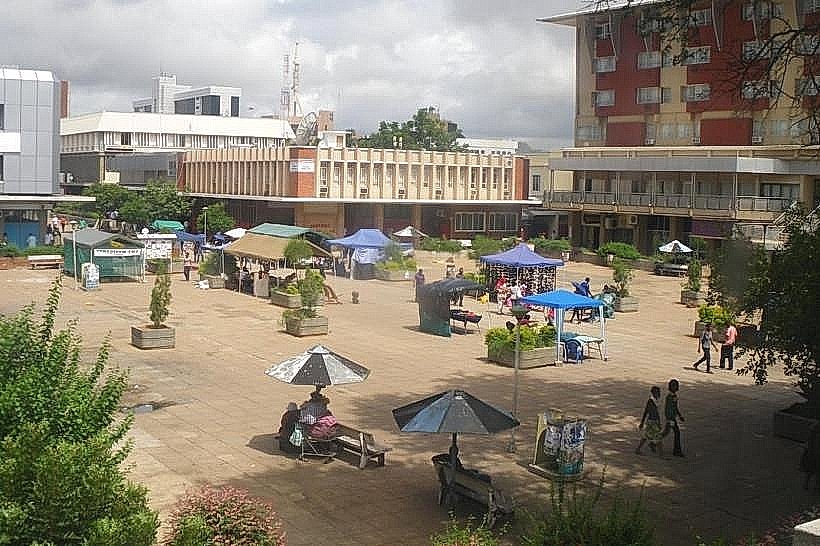
Main Mall (Old Mall): The historic commercial strip and pedestrian heart of the city.
New Central Business District (CBD): A 97-hectare modern expansion featuring high-rise glass towers (e.g., iTowers), the High Court, and SADC Headquarters.
Government Enclave: A concentrated district of administrative buildings, the National Assembly, and the Office of the President.
Broadhurst & Gaborone West: Significant residential and commercial extensions of the city core.
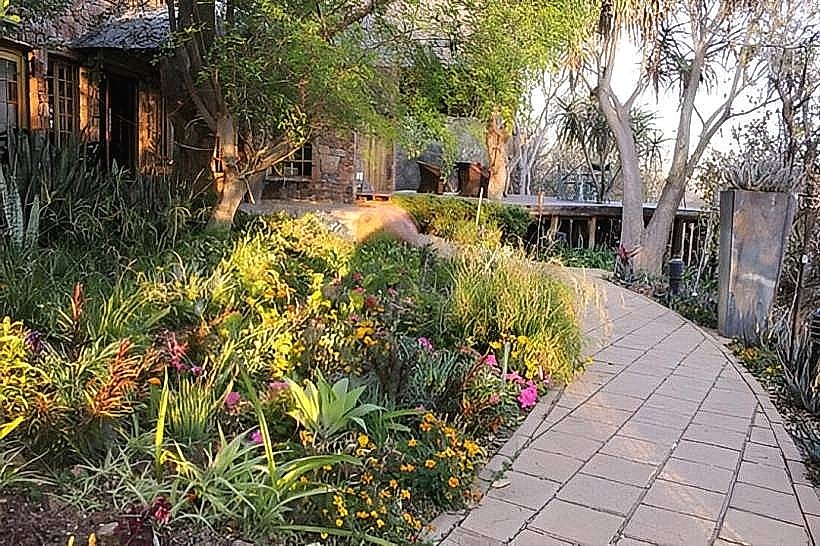
Village District: One of the oldest residential sectors, housing the National Botanical Garden.
Top City Landmarks
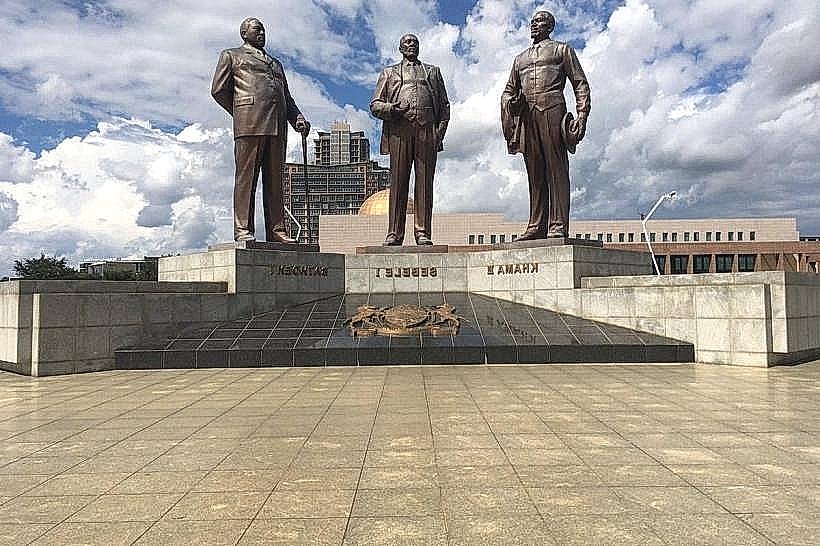
Three Dikgosi Monument: Massive bronze statues of Chiefs Khama III, Sebele I, and Bathoen I, who secured British protection for Botswana in 1895.
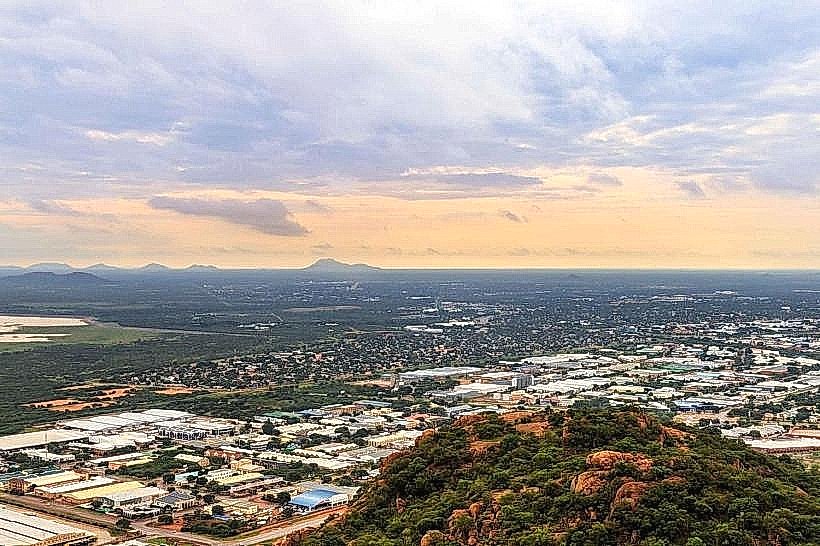
Kgale Hill: A prominent 1,287-meter peak providing the city's best panoramic views and sunset spotting.
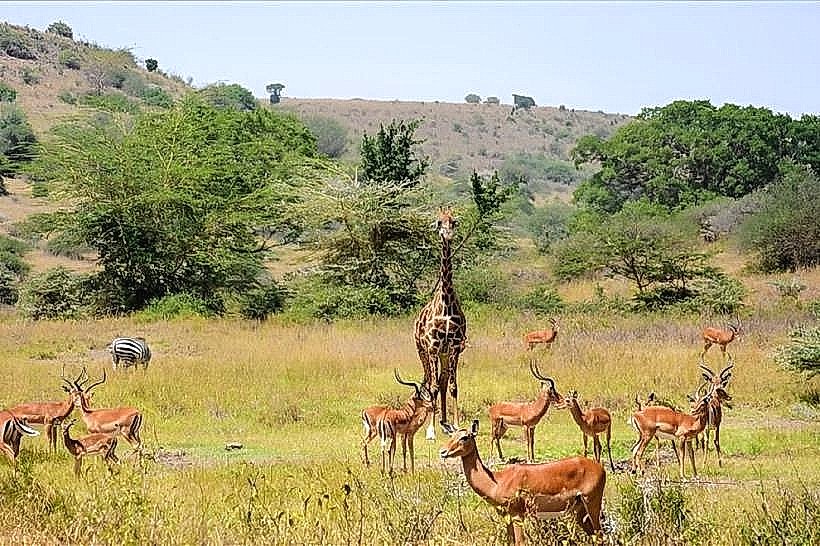
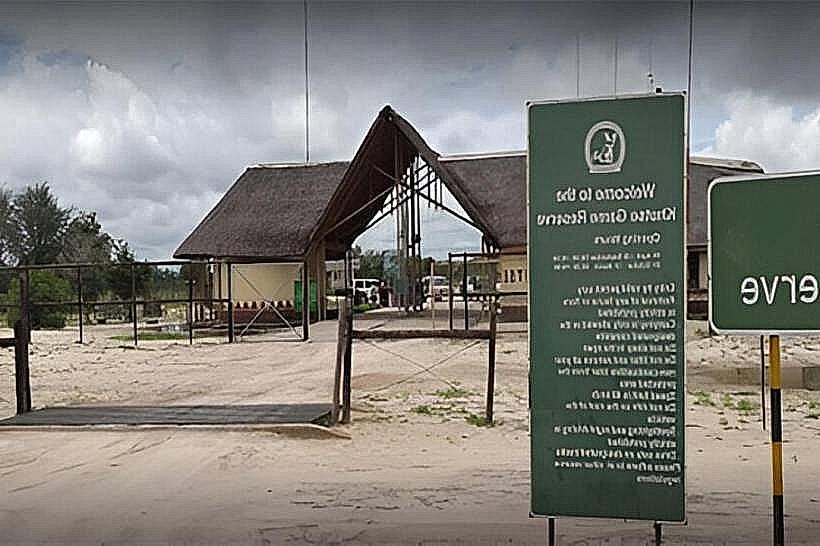
Gaborone Game Reserve: A 5-square-kilometer urban reserve featuring zebras, wildebeest, and ostriches.
Mokolodi Nature Reserve: Located 10 km south; a private reserve famous for its cheetah conservation and rhino tracking.
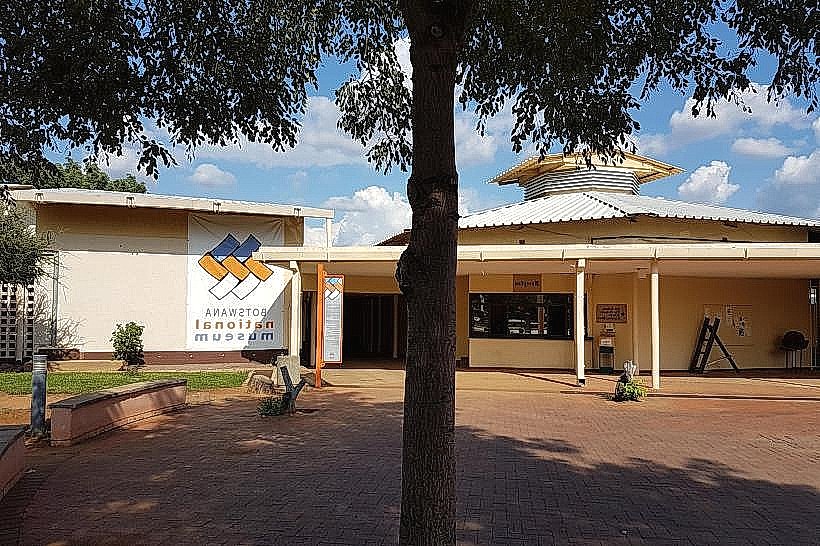
National Museum and Art Gallery: Houses Botswana's cultural artifacts and traditional Tswana crafts.
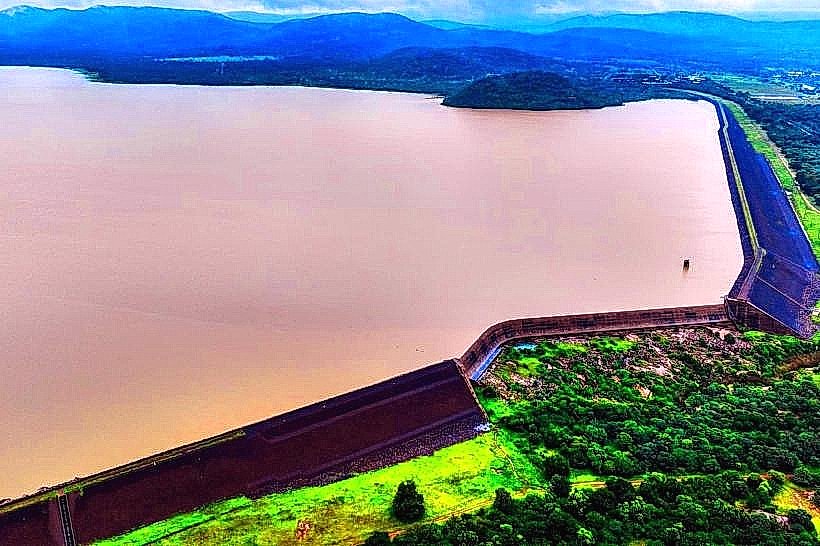
Gaborone Dam: The city’s primary water source and a major recreational site for yachting and birdwatching.
Transportation Network
Movement is facilitated by a grid of well-maintained tarred roads. Public transport is dominated by "Combis" (minibuses) and licensed taxis (identifiable by blue plates). Sir Seretse Khama International Airport (GBE), located 15 km north, is the primary air gateway. The A1 Highway connects Gaborone to Francistown and South Africa. There is no metro, and while Botswana Railways exists, passenger services are limited.
Safety & "Red Zones"
The general safety level is high by regional standards. However, Kgale Hill and the Gaborone Dam areas are designated "high-caution" zones due to reports of muggings; hikers are advised to only visit in groups during peak hours (4 PM – 6 PM). Petty theft and "smash-and-grab" incidents occur at traffic lights; keep windows closed and valuables out of sight.
Digital & Financial Infrastructure
Average internet speed is 50–100 Mbps, with 5G coverage widely available in the CBD and Main Mall as of 2026. Botswana is a leader in regional fintech; mobile payments are common, and card acceptance is universal in malls and hotels. ATMs are frequent in commercial districts.
Climate & Air Quality
Temperatures range from 5°C to 23°C in winter (June/July) and 20°C to 33°C in summer (January). The climate is hot and semi-arid. Air quality is generally "Good," though dust levels rise during the dry winter months.
Culture & Social Norms
The standard tipping rate is 10%. Cultural norms are conservative; dress modestly when visiting government offices or rural villages (dikgotla). English is the official language for business and government, while Setswana is the national language spoken by nearly all residents. Smoking is restricted in public buildings.
Accommodation Zones
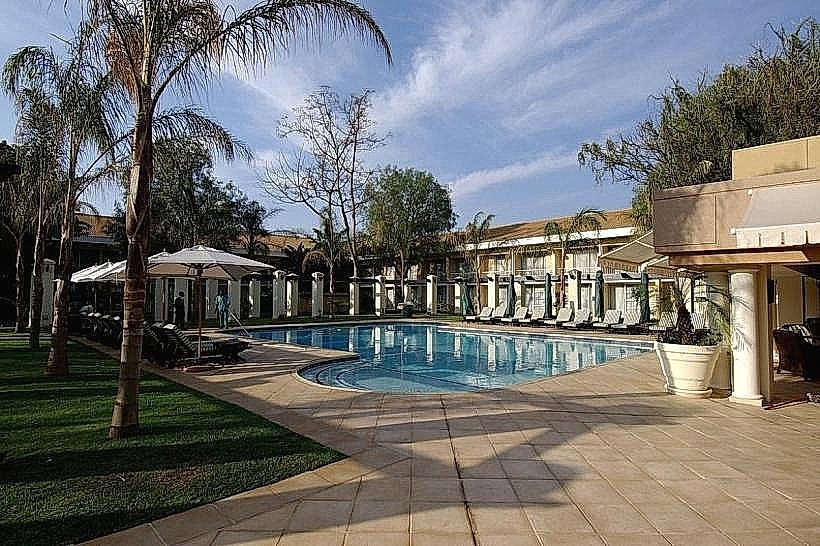
New CBD: Stay here (e.g., Protea by Marriott, Masa Square) for modern amenities and business access.
The Village/Phakalane: For quieter, upscale residential environments and golf estates.
Local Cost Index
1 Espresso: 35 BWP ($2.60)
1 Standard Lunch: 120 BWP ($9.00)
1 Combi Ride: 8 BWP ($0.60)
Nearby Day Trips
Manyana Rock Paintings: (50 km - Ancient San rock art and a David Livingstone tree)
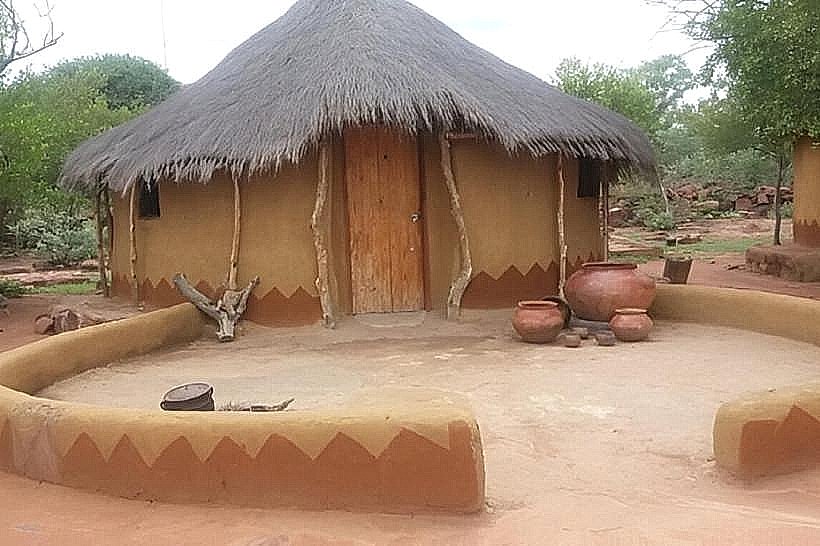
Bahurutshe Cultural Village: (40 km - Traditional Tswana heritage experience)
Lobatse: (70 km - Historic town known for the High Court and meat industry)
Facts & Legends
A local legend surrounds the "Gaborone Dam Monster," though in reality, the danger comes from actual crocodiles that inhabit the reservoir. A verified historical oddity is that Gaborone was one of the world's few capital cities planned and built from scratch on greenfield land in the 1960s. By 2026, the city is a primary center for global diamond trading through the De Beers/Debswana partnerships.