Information
City: LetlhakaneCountry: Botswana
Continent: Africa
Letlhakane, Botswana, Africa
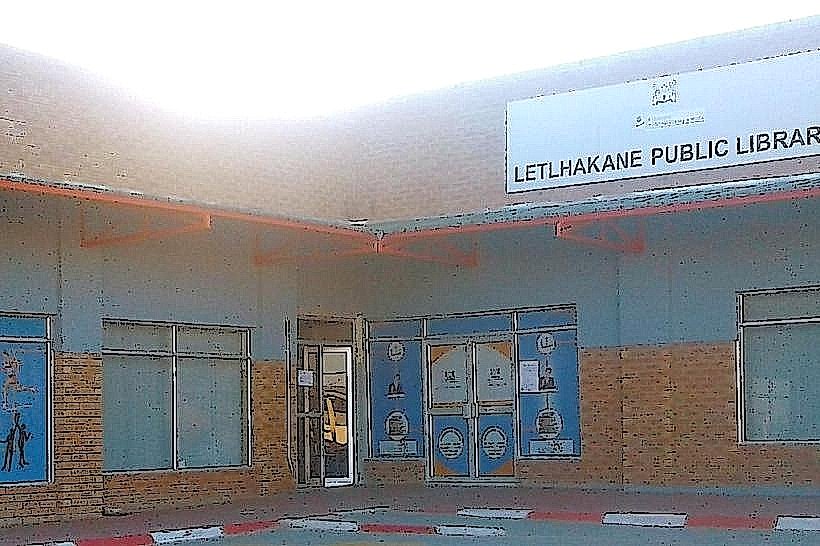
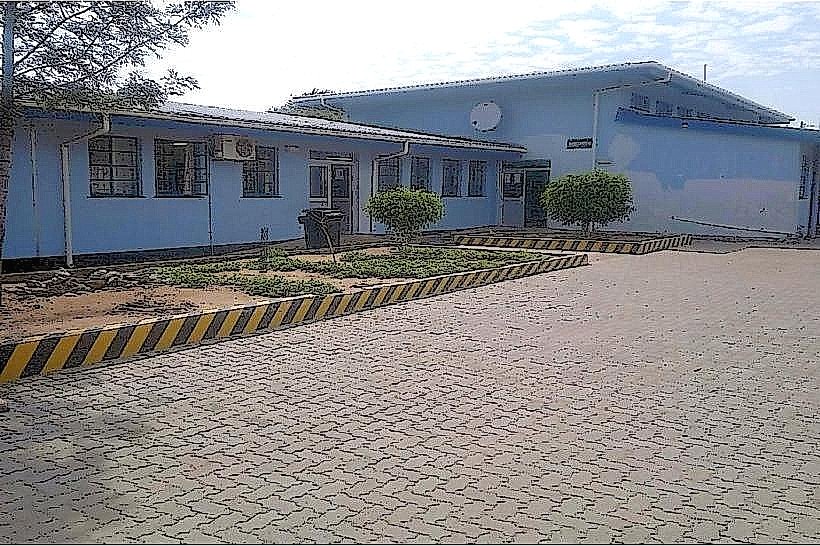
Letlhakane is a key mining village in the Central District of Botswana, serving as the administrative headquarters of the Boteti sub-district. Located approximately 190 km west of Francistown and 25 km south of the mining town of Orapa, it is a primary economic engine for the country due to its surrounding diamond resources.
Historical Timeline
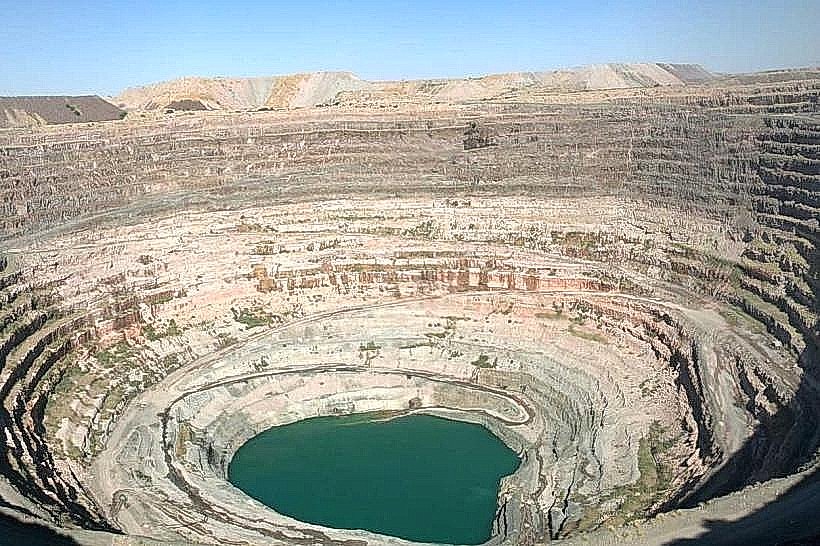
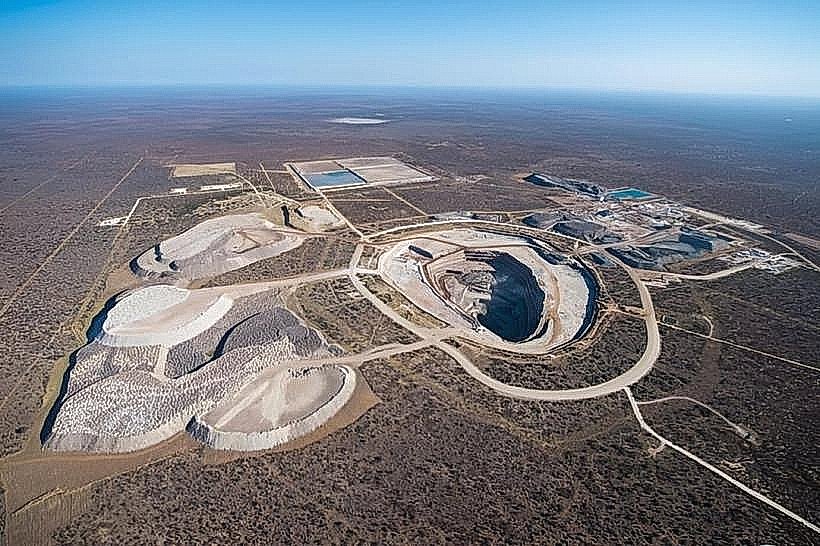
The village's modern identity was forged in the early 1970s following the discovery of diamonds in the region. The Letlhakane Diamond Mine, the second oldest operated by Debswana, began operations in 1975. Historically, the area was a crossroad for various tribal groups, which is reflected in its name (meaning "little reeds" in Setswana). In 2017, open-pit mining at the main Letlhakane site ceased, transitioning to a major tailings processing operation that has extended the economic life of the site through 2043.
Demographics & Population
The 2026 projected population for the Letlhakane urban area is approximately 24,800, reflecting steady growth from 20,841 in 2011. The community is ethnically diverse, primarily composed of the Bakhurutshe (whose totem is the Phofu or Eland), alongside Bangwato, Bakalanga, Basarwa, and Baherero. The median age is approximately 23.7 years, aligning with the national trend.
Urban Layout & Key Districts
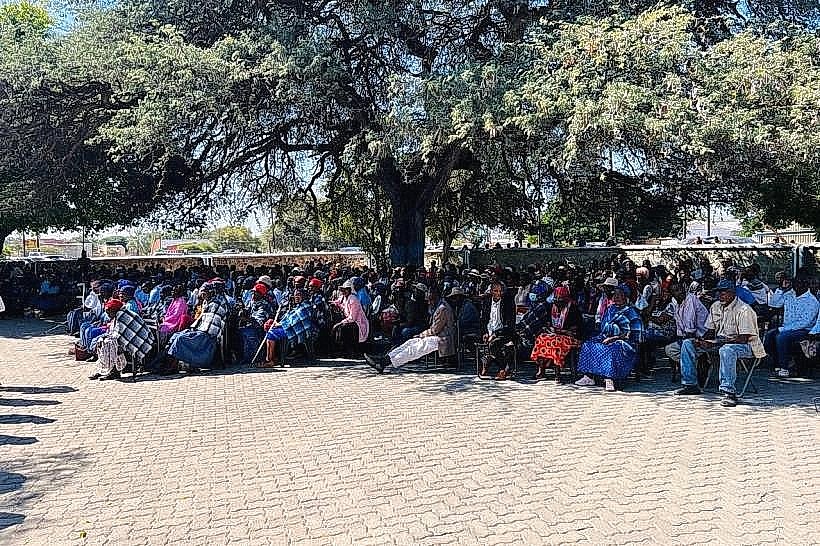
Village Center: A compact core containing the "Old Mall" area, traditional kgotla, and local government offices.
The Township: Residential areas characterized by "Debswana-era" architecture, built to house employees of the nearby mines.
Mining Perimeter: A high-security zone surrounding the village, encompassing four major diamond mines (Letlhakane, Orapa, Damtshaa, and Karowe).
Industrial Zone: Located on the outskirts, housing logistics firms and engineering contractors supporting the mining sector.
Top City Landmarks
Letlhakane Diamond Mine: The town’s economic anchor; while the pit is no longer active, the massive tailings processing plant is a dominant feature of the landscape.
Orapa Game Park: Located 25 km north; a well-managed conservation area containing rhinos, giraffes, and various antelope species (requires advance permits via Debswana).
Letlhakane Market: A lively central hub for local produce, traditional crafts, and street food.
Adrian Gale Diamond Museum (Orapa): (23 km away) Provides a technical and historical overview of the region's diamond extraction.
Karowe Mine (Lucara): Located southwest; famous for producing some of the world's largest high-quality Type IIa diamonds, including the Lesedi La Rona.
Transportation Network
Letlhakane is a strategic junction on the road between Francistown and Maun. Public transport relies on white Combis and blue-plated taxis. Daily bus services connect the village to Serowe, Orapa, and Francistown. While there is a private airstrip in Orapa for mine-related travel, the nearest commercial flights are in Francistown (190 km). A major focus in 2026 is the maintenance of the heavy-haulage roads used by mining convoys.
Safety & "Red Zones"
The general safety level is high. There are no political "red zones." The primary risks are industrial and environmental: unauthorized entry into mining lease areas is a serious offense and poses physical danger. Drivers must be extremely cautious of heavy mining machinery and wandering livestock (donkeys and cattle) on the main roads, particularly at night.
Digital & Financial Infrastructure
Average internet speed is 30–55 Mbps, with 4G coverage universal in the village. As of 2026, 5G deployment has reached the central commercial and mining administrative zones. The village has a robust financial presence with branches and ATMs for FNB, Absa, and Stanbic. Card acceptance is standard in supermarkets and petrol stations, though cash (Pula) is required for local markets.
Climate & Air Quality
Temperatures range from 5°C to 24°C in winter (July) and 20°C to 35°C in summer (January). The area is semi-arid and prone to dust. Air quality is generally "Good," but localized particulate levels can rise due to mining activity and seasonal bush clearing.
Culture & Social Norms
The standard tipping rate is 10%. The culture is a unique "Mining-Traditional Hybrid," where high-tech industrial shifts coexist with customary Tswana social structures. Dress code is "Industrial Casual." It is customary to use formal greetings when entering shops or the kgotla. As the headquarters of the Boteti sub-district, the village hosts significant traditional festivals and agricultural shows.
Accommodation Zones
Village Core: Home to several guesthouses and mid-range lodges catering to business travelers and mine contractors.
Lethakane–Orapa Road: Features larger resort-style lodges (e.g., Thakadu Hotel) with conference facilities.
Local Cost Index
1 Espresso: 30 BWP ($2.25)
1 Standard Lunch: 110 BWP ($8.25)
1 Combi Ride (Local): 8 BWP ($0.60)
Nearby Day Trips
Makgadikgadi Salt Pans: (70 km - One of the largest salt flats in the world)
Kubu Island: (100 km - A mystical granite outcrop with ancient baobabs in the salt pans)
Mmatshumo Village: (Gateway to the northern pans and traditional culture)
Facts & Legends
A local legend (Zowa) refers to the village as a place of hidden wealth long before the mines were officially discovered. A verified historical oddity is that the Letlhakane mine was discovered only during the evaluation of the Orapa pipe; it turned out to be one of the most profitable satellite pipes in history. By 2026, Letlhakane is a pioneer in "Mining 4.0," utilizing AI and drones for 95% of its tailings monitoring and resource management.