Information
City: KasaneCountry: Botswana
Continent: Africa
Kasane, Botswana, Africa
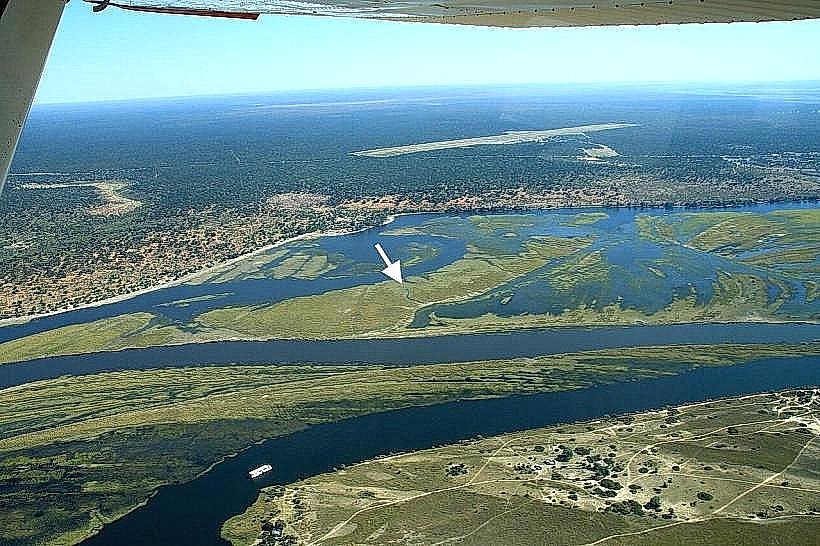
Kasane is the administrative seat of the Chobe District and serves as the primary "Gateway to Chobe National Park." Located at the "Four Corners" of Africa-where Botswana, Namibia, Zambia, and Zimbabwe nearly meet-it is a critical regional hub for eco-tourism and cross-border logistics.
Historical Timeline
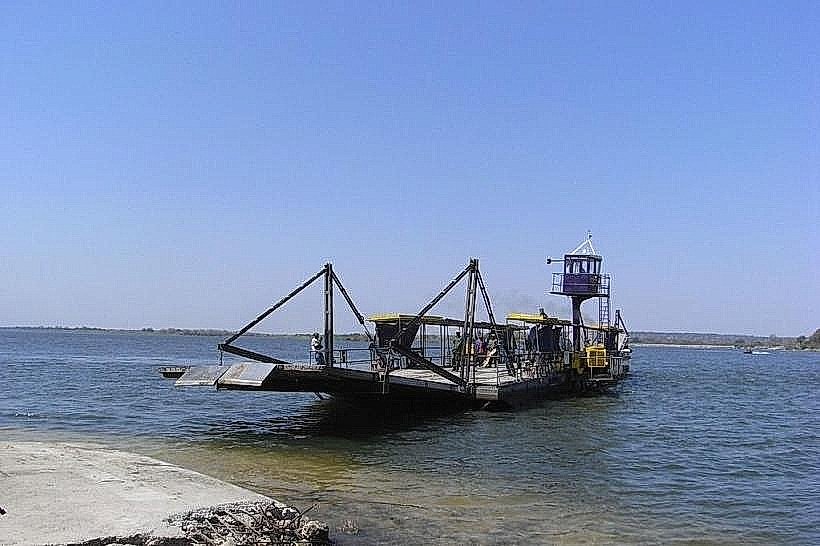
Kasane has served as a district administrative center since 1921. Its name is derived from the Subiya word masane, referring to the waterberry tree. Historically, it was a vital node for the Witwatersrand Native Labour Association (WNLA), which operated barges from the current Chobe Marina Lodge site to collect labor recruits. In 1968, the town’s strategic importance grew significantly with the gazetting of Chobe National Park, leading to the relocation of residents from within the park to the current township area.
Demographics & Population
The 2026 projected population for the Kasane-Kazungula urban area is approximately 10,200. The demographic is a mix of Subiya, Tawana, and Kalanga people, alongside a significant community of tourism professionals and expatriates. The median age is roughly 24.5 years. The town experiences a high "floating population" of over 100,000 tourists annually.
Urban Layout & Key Districts
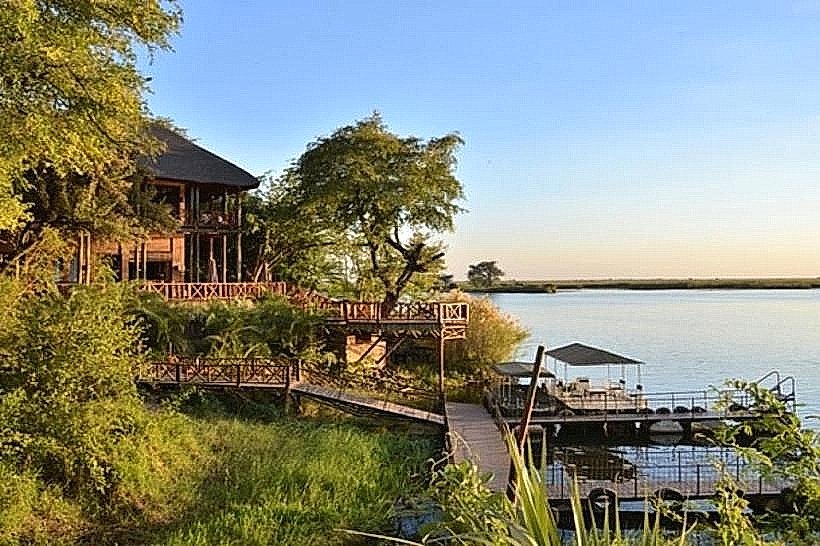
The Riverfront: A high-value strip along the Chobe River occupied by luxury lodges and the primary boat launch sites.
Kazungula: Located 10 km east, it is the site of the Kazungula Bridge (the rail/road link to Zambia) and the primary border post.
Kgaphamadi: A high-density residential township established during the 1960s relocations.
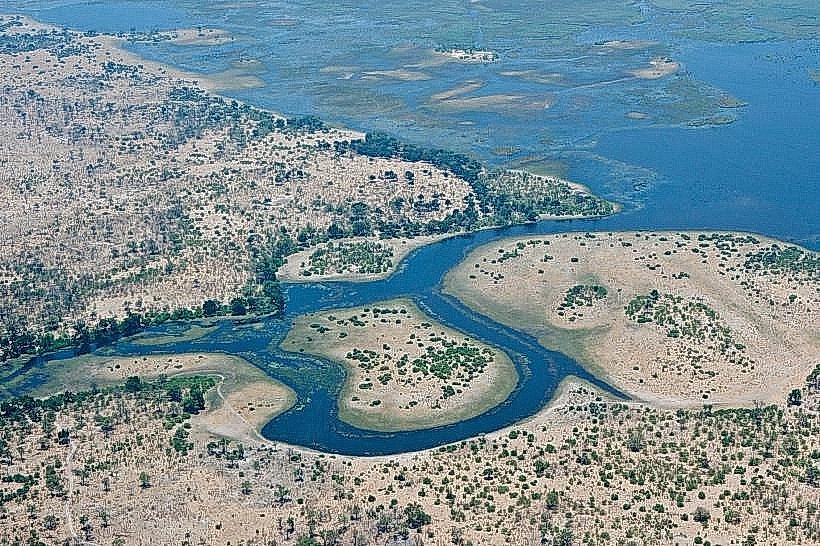
The Plateau: An elevated residential and commercial area offering views of the Caprivi Floodplains in Namibia.
Top City Landmarks
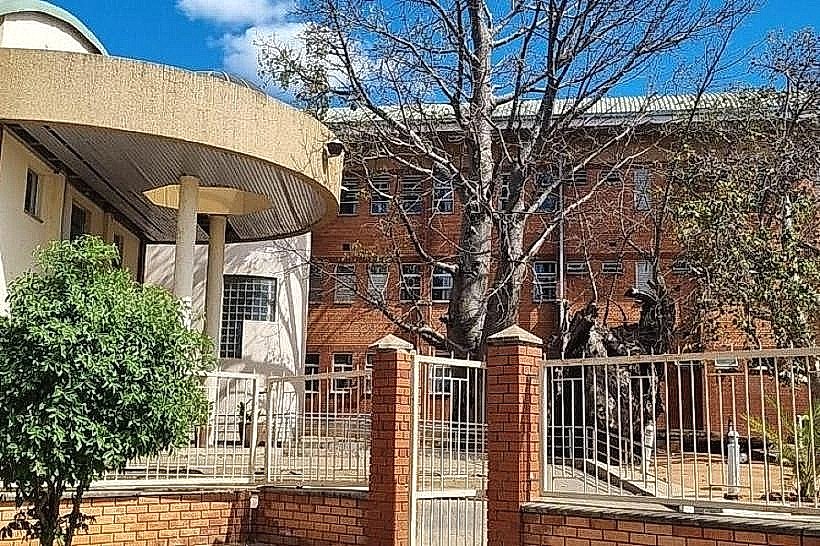
The Old Baobab Prison: A historic hollowed-out baobab tree at the Kasane Police Station that once served as a temporary holding cell.
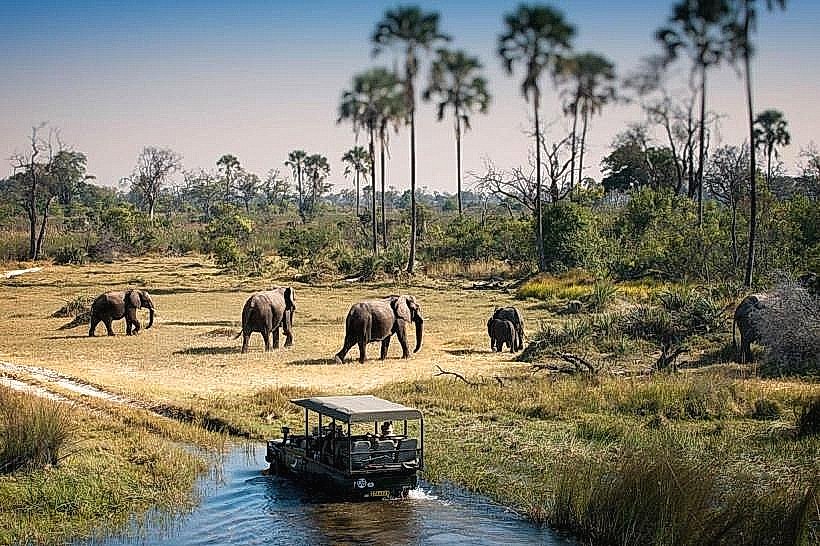
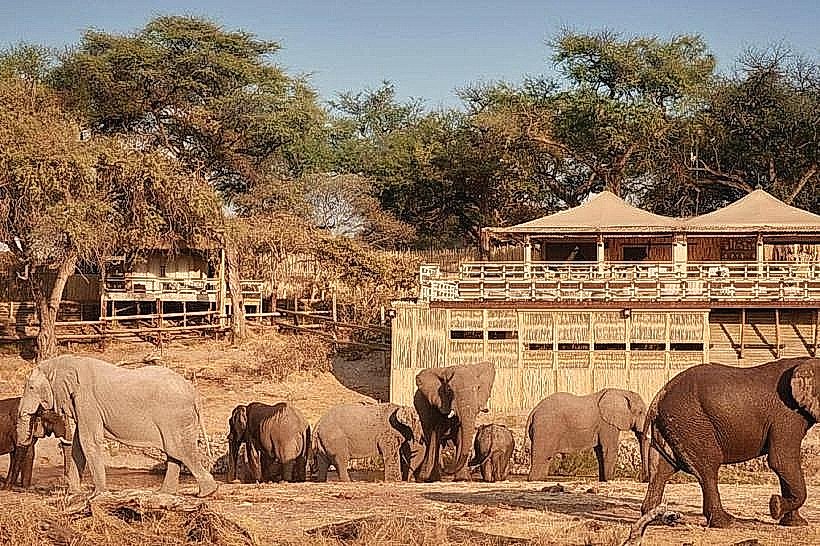
Chobe Riverfront: The primary wildlife viewing area, famous for the highest concentration of elephants in the world.
Kasane Hot Springs: A natural site with salty waters reaching 50°C, believed by locals to possess medicinal properties.
Seboba Nature & Recreational Park: A community-run park featuring riverine forest walks, birdwatching, and traditional cultural displays.
CARACAL Biodiversity Center: A rescue and education center for injured wildlife, specializing in snakes and birds of prey.
Transportation Network
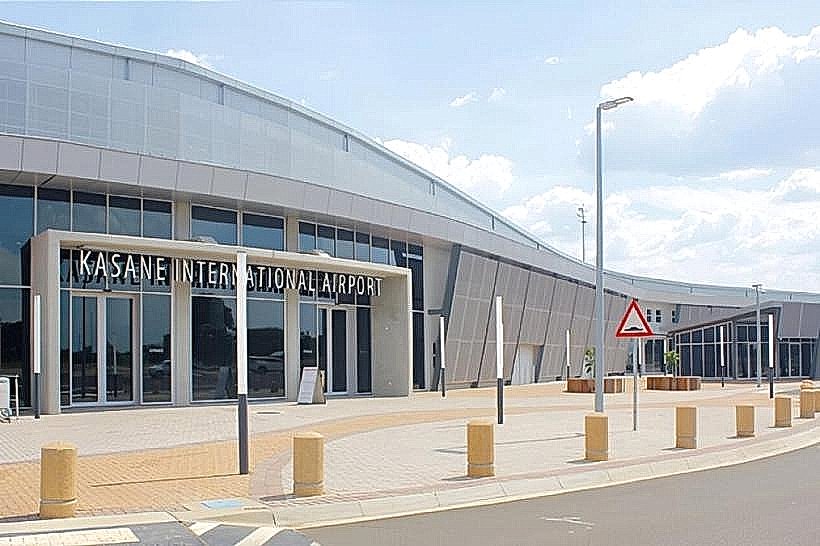
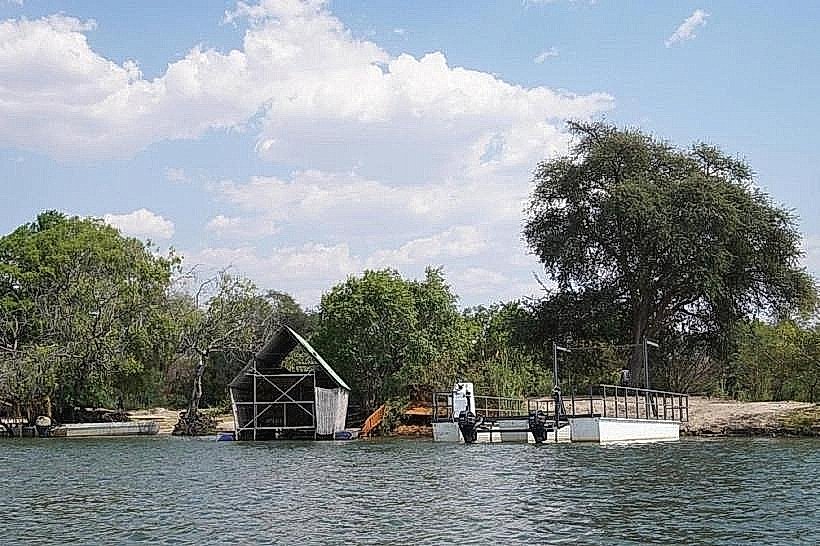
Kasane is a major transit junction. Kasane International Airport (BBK) provides direct links to Gaborone, Maun, and Johannesburg. The Kazungula Bridge (opened in 2021) has replaced the ferry system, facilitating heavy truck traffic between Botswana and Zambia. Within town, transportation is provided by blue-plated taxis and hotel-shuttles. The town is the northern terminus of the A1 Highway via Nata.
Safety & "Red Zones"
The general safety level is high. However, Kasane is a "wildlife corridor." Elephant and hippo encounters are common on residential streets after dark; walking at night is strictly discouraged for safety. There are no political red zones, but the Chobe River is a "high-risk" zone for crocodiles and hippos; swimming is prohibited. Standard precautions against petty theft apply in the shopping malls.
Digital & Financial Infrastructure
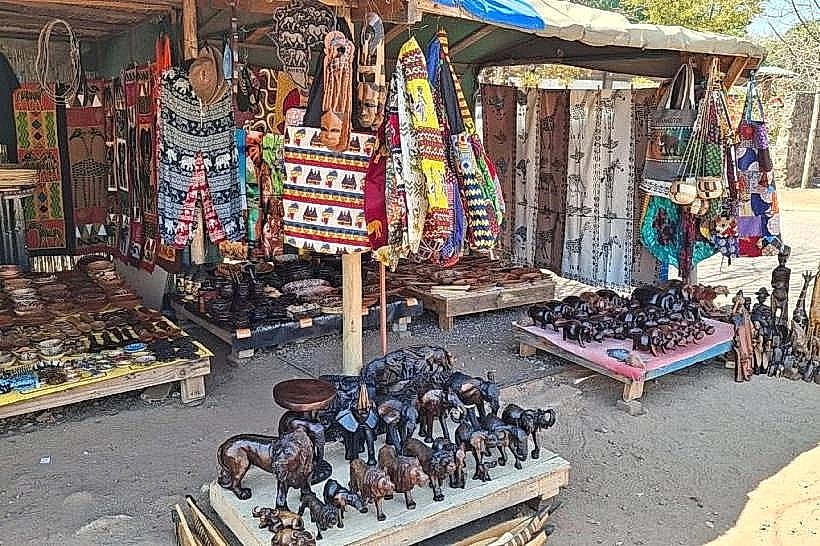
Average internet speed is 30–50 Mbps, with 4G universal and 5G available in the central lodge and airport zones as of 2026. Mobile services are dominated by Mascom and Orange. Card acceptance is universal in lodges and the Choppies/Spar supermarkets. Cash (Pula) is necessary for small craft markets and tipping. ATMs are concentrated in the New Mall.
Climate & Air Quality
Temperatures range from 10°C to 28°C in winter (June/July) and 22°C to 38°C in summer (October). The air quality is "Excellent" (AQI < 20), though visibility can be reduced by dust and seasonal "bush clearing" smoke during the dry season. Malaria is prevalent in this region; prophylaxis is recommended year-round.
Culture & Social Norms
The standard tipping rate for safari guides and boat captains is $10–$20 USD per day. Cultural etiquette emphasizes formal greetings; in Northern Botswana, it is customary for younger people to use the plural form (Dumelang) when addressing elders. Modest dress is preferred in town. A unique local custom: Batswana generally do not wash others' underwear; guests in lodges are often provided with laundry soap for personal items.
Accommodation Zones
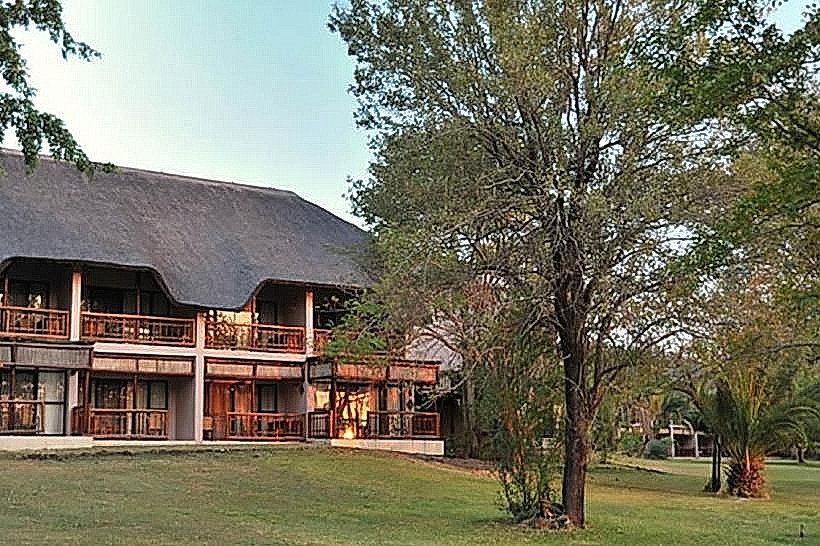
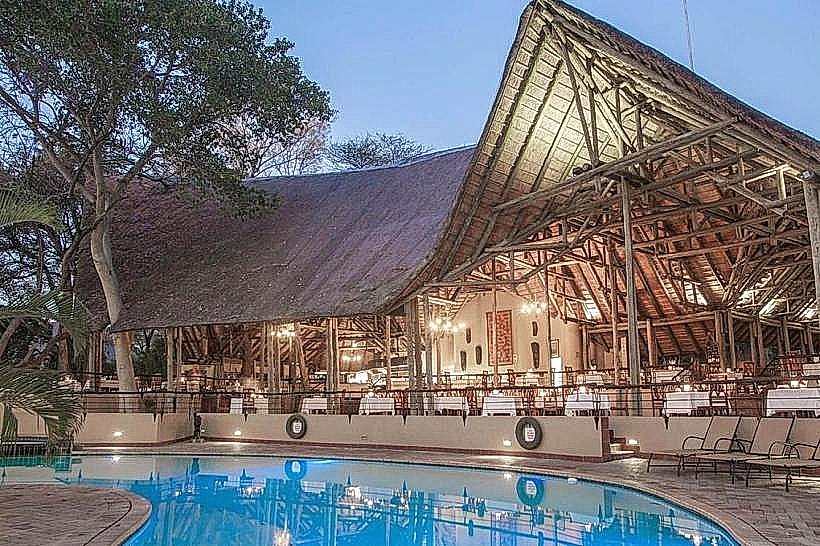
Riverfront East: Best for luxury (Chobe Game Lodge, Chobe Marina).
The Plateau: Best for mid-range guest houses and self-catering options.
Kazungula Road: Best for large-scale resorts and easy access to the Zimbabwe border.
Local Cost Index
1 Espresso: 35 BWP ($2.60)
1 Standard Lunch: 130 BWP ($9.70)
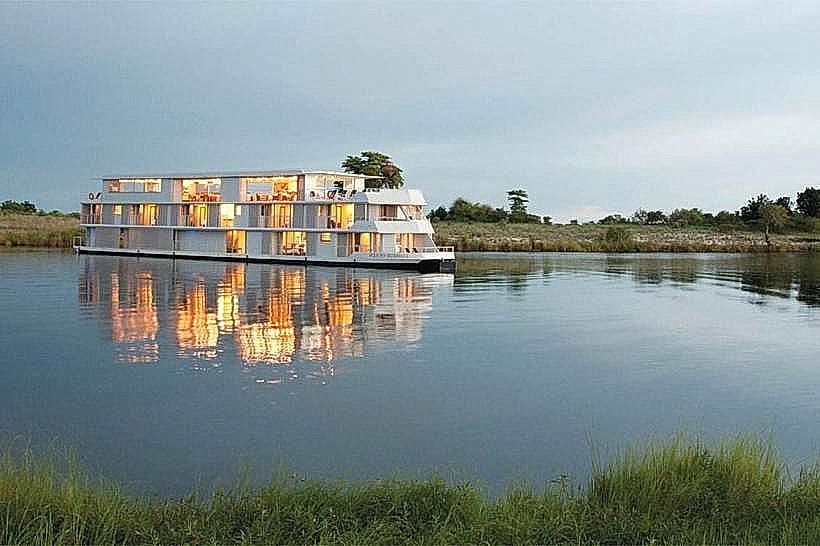
1 Sunset Boat Cruise: 450–700 BWP ($33–$52)
Nearby Day Trips
Victoria Falls (Zimbabwe/Zambia): (70 km - Approx. 1.5 hours including border crossing)
Impalila Island (Namibia): (Accessible by boat from the Kasane border post)
Pandamatenga: (100 km - Botswana's commercial farming hub)
Facts & Legends
Kasane is where Elizabeth Taylor and Richard Burton famously remarried in 1975 (at Chobe Game Lodge). A local legend claims the Chobe River has "no bottom" in certain loops, home to a giant water serpent. A verified historical oddity is that for a brief period in the 1920s, the Resident Magistrate in Kasane was also responsible for administering the entire Eastern Caprivi Strip for the British Empire.