Information
Landmark: Sedudu Island (Kasikili Island)City: Kasane
Country: Botswana
Continent: Africa
Sedudu Island (Kasikili Island), Kasane, Botswana, Africa
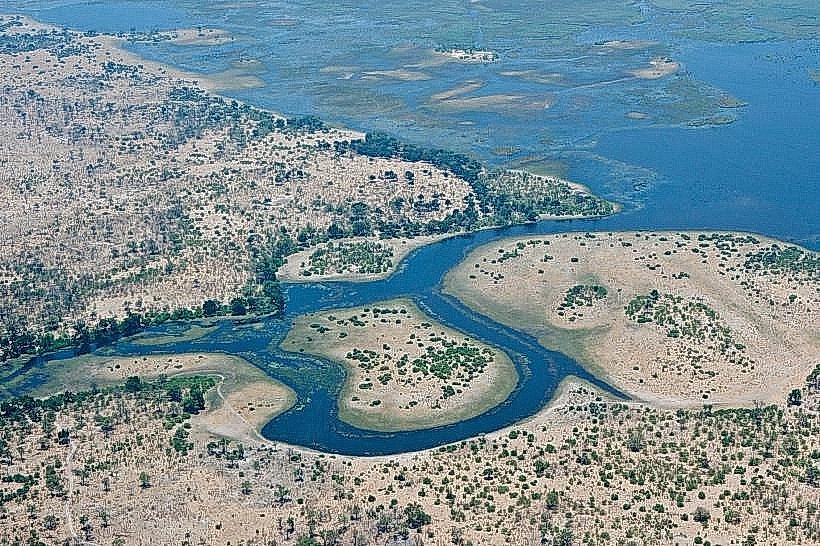
Sedudu Island is a riverine island located in the Chobe River, bordering Botswana and Namibia. It is a designated wildlife sanctuary.
Visual Characteristics
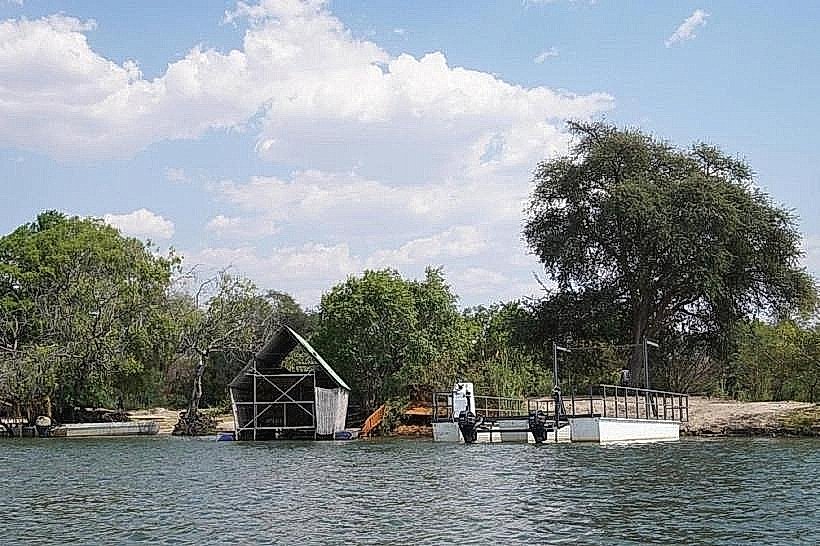
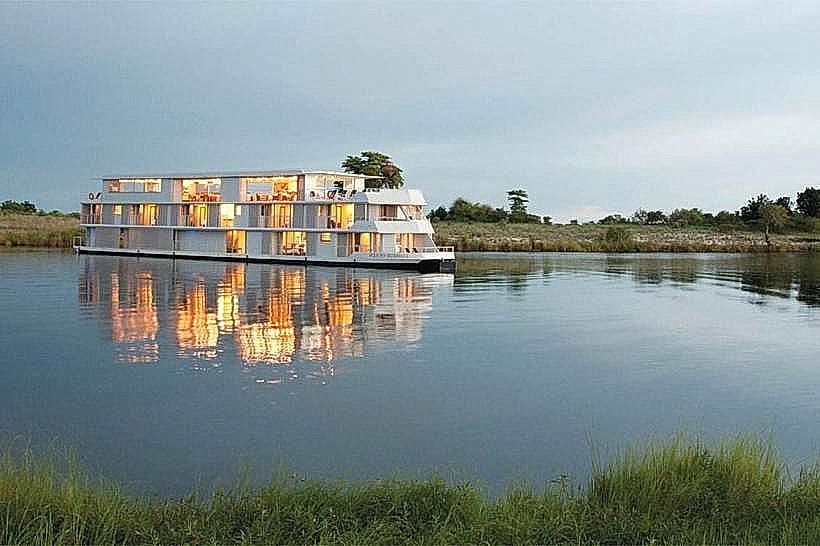
The island is characterized by dense riverine vegetation, primarily acacia and palm trees, interspersed with open grassy areas. Its topography is relatively flat, with a muddy shoreline that varies with river levels. During the dry season, sandbanks become exposed around the island.
Location & Access Logistics
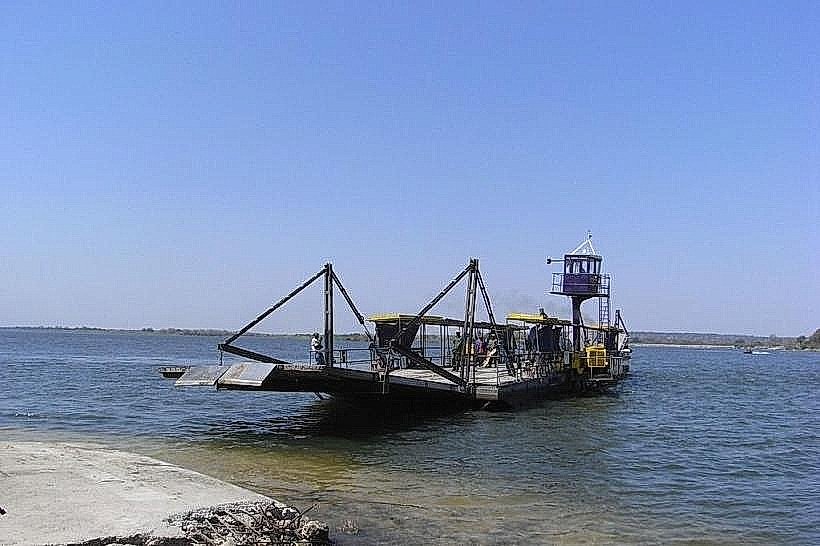
Sedudu Island is situated approximately 5 kilometers west of Kasane, Botswana. Access is primarily by boat from Kasane. Several tour operators in Kasane offer boat excursions to the island. There is no direct road access, and no public transport to the island itself. Parking is available at the boat launch sites in Kasane.
Historical & Ecological Origin
Sedudu Island's geological origin is a fluvial depositional feature, formed by the accumulation of sediment carried by the Chobe River over millennia. Historically, it has been a point of contention between Botswana and Namibia due to its strategic location and wildlife resources, with the International Court of Justice ruling in 1999 that it belongs to Botswana.
Key Highlights & Activities
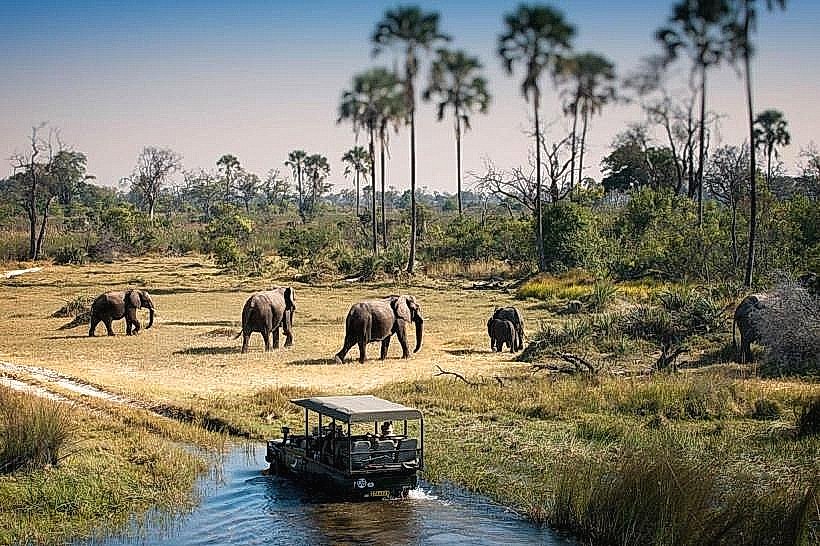
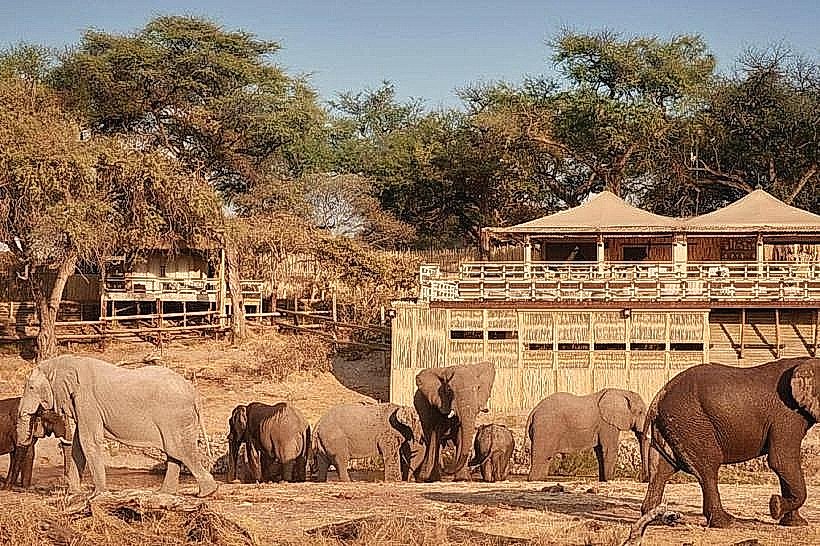
Boat-based game viewing is the primary activity. Visitors can observe a high concentration of wildlife, including elephants, hippos, crocodiles, and a variety of bird species. Birdwatching is particularly productive during the migratory season. Fishing is permitted in designated areas around the island, subject to local regulations.
Infrastructure & Amenities
There are no permanent structures or amenities on Sedudu Island itself. Visitors rely on the facilities provided by their tour operators, which may include shaded viewing areas on boats. Cell phone signal is generally unreliable on the island and surrounding river.
Best Time to Visit
The best time for wildlife viewing is during the dry season, from May to October, when animals congregate at the river for water. The early morning and late afternoon offer optimal lighting conditions for photography. High river levels can restrict access to certain areas of the island.
Facts & Legends
Sedudu Island is a critical breeding ground for hippos and crocodiles. A unique aspect of its ecology is the seasonal inundation, which shapes the vegetation and animal behavior. Local folklore sometimes refers to the island as a place where river spirits reside.
Nearby Landmarks
- Chobe National Park (Kasane Gate) - 4km East
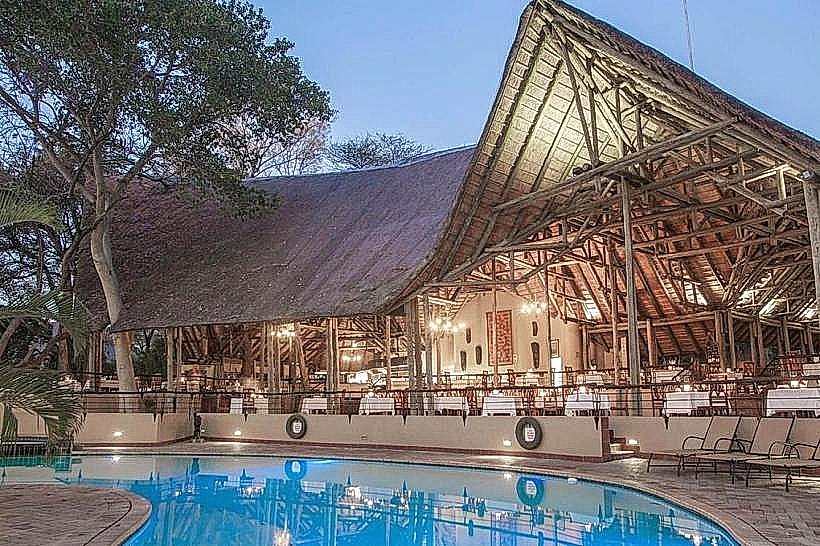
- Chobe Safari Lodge - 5km East
- Impala Island - 2km West
- Namibia (Serondela area) - Adjacent across the river