Information
Landmark: Chobe National ParkCity: Kasane
Country: Botswana
Continent: Africa
Chobe National Park, Kasane, Botswana, Africa
Chobe National Park is a protected area located in northern Botswana, bordering the Zambezi Region of Namibia, the Northern Province of Zambia, and Victoria Falls National Park in Zimbabwe.
Visual Characteristics
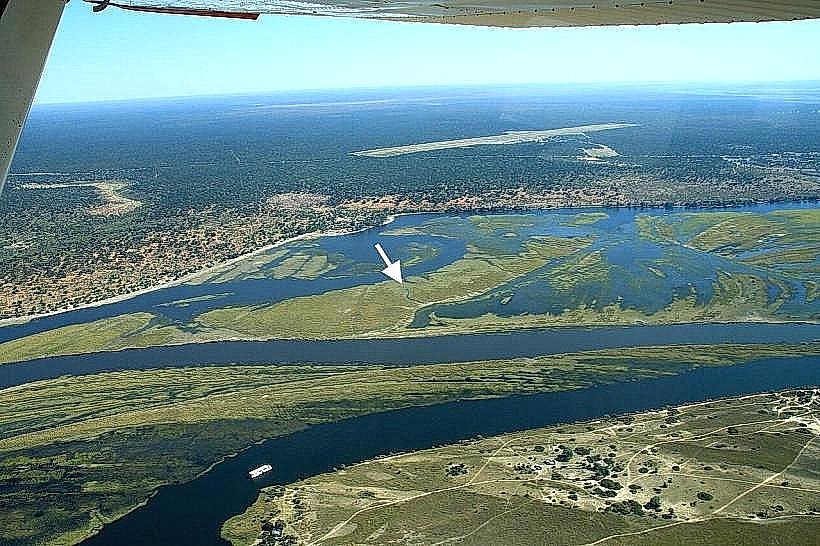
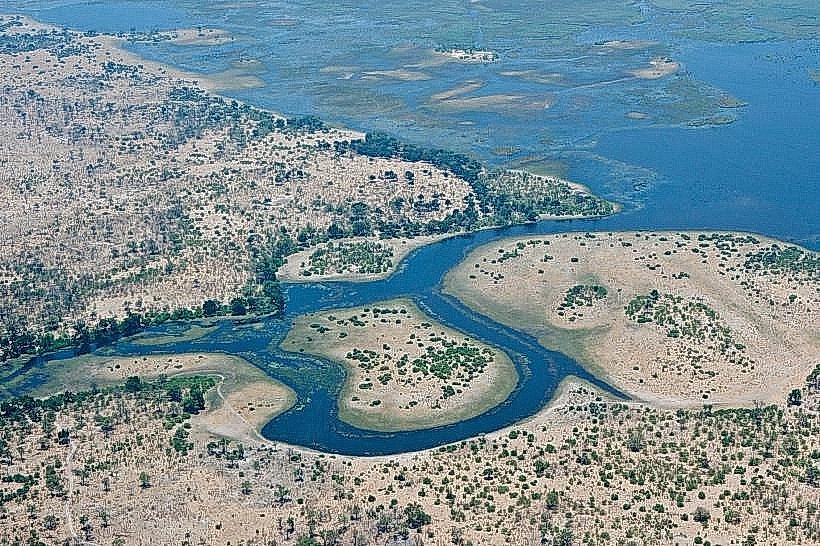
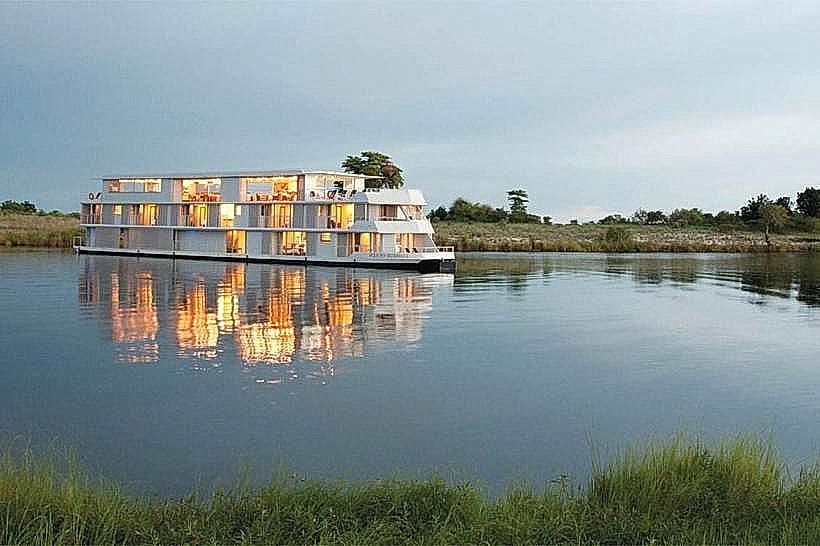
The park encompasses diverse habitats including the Chobe Riverfront, the Linyanti Wetlands, and the Savuti Marsh. The Chobe Riverfront features a wide, slow-moving river with extensive floodplains and acacia woodlands. The Linyanti Wetlands are characterized by papyrus swamps and reed beds. The Savuti Marsh is a large, ancient lakebed that periodically fills with water, supporting grasslands and mopane woodlands.
Location & Access Logistics
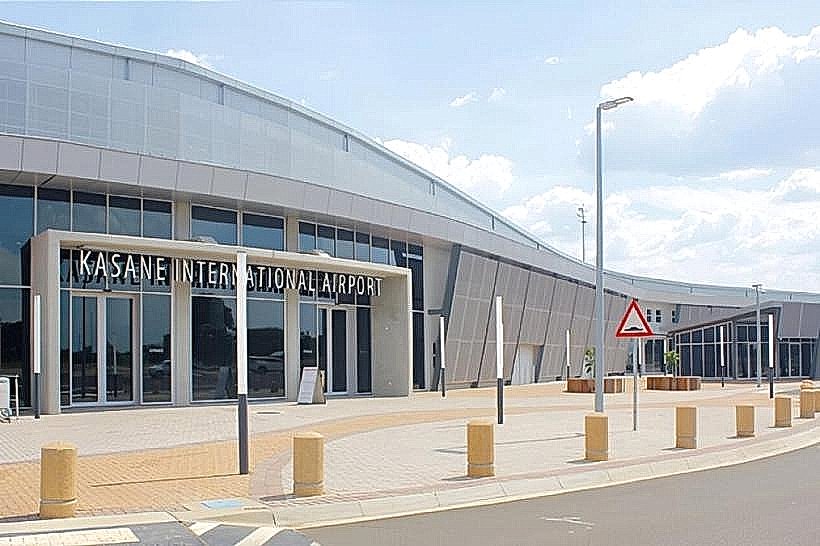
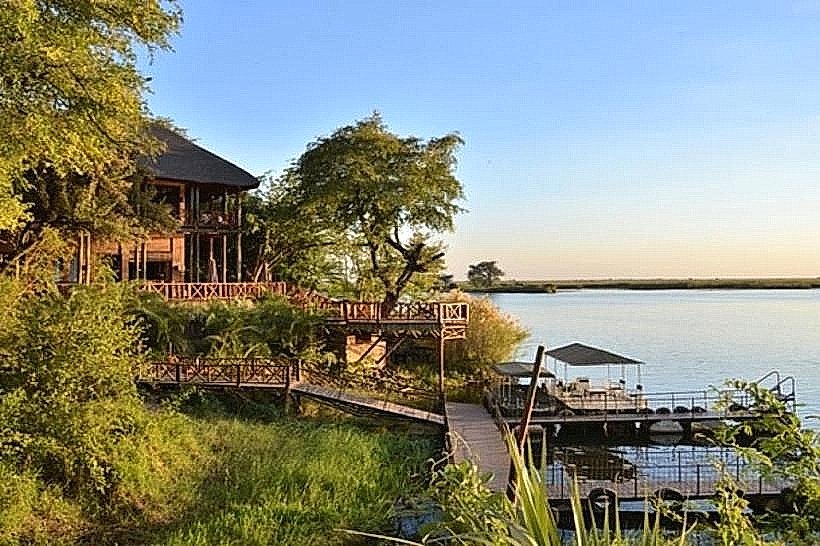
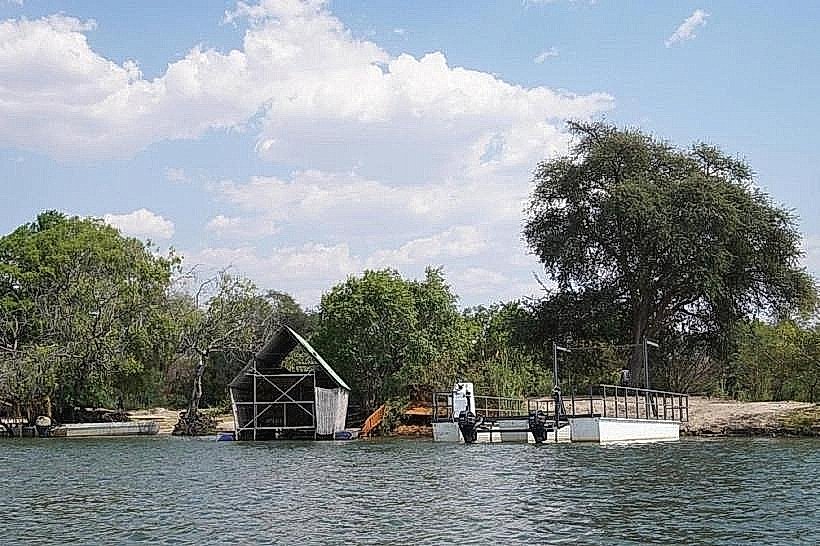
Chobe National Park is accessible via Kasane, a town located approximately 1.5 kilometers from the park's main entrance. Kasane is served by Kasane International Airport (BBK), with scheduled flights from Maun and Johannesburg. Road access from Kasane involves driving west on the A33 highway for approximately 1.5 kilometers to the park gate. Self-drive is permitted, and 4x4 vehicles are recommended for certain areas. Boat transfers are available from Kasane to lodges on the Chobe River. Parking is available at the park gates and designated rest areas.
Historical & Ecological Origin
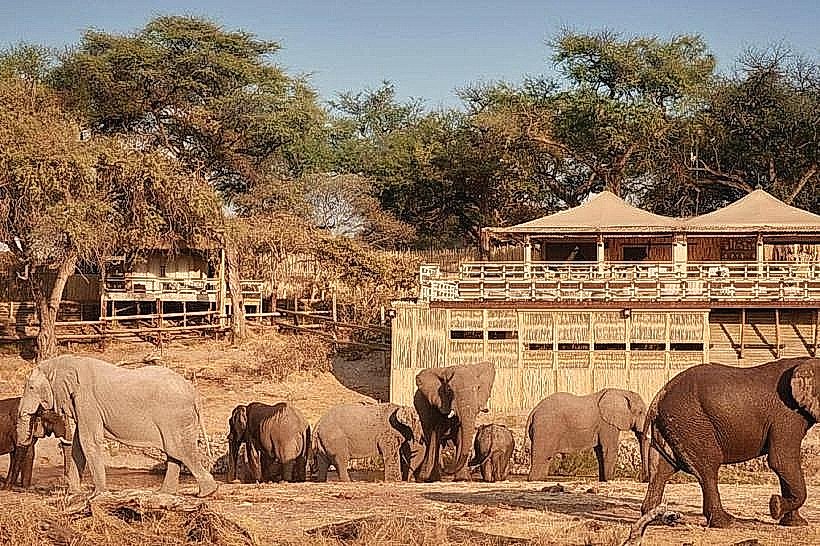
Chobe National Park was established in 1967. Its ecological significance lies in its role as a critical wildlife corridor and its large elephant population, estimated to be the highest concentration in Africa. The park's diverse ecosystems support a wide array of mammal and bird species.
Key Highlights & Activities
Activities include game drives within the park, focusing on wildlife viewing along the Chobe Riverfront, Linyanti Wetlands, and Savuti Marsh. Boat safaris on the Chobe River offer opportunities to observe hippos, crocodiles, and a variety of birdlife. Birdwatching is a significant activity, particularly during the migratory season. Walking safaris are offered in specific zones with armed guides.
Infrastructure & Amenities
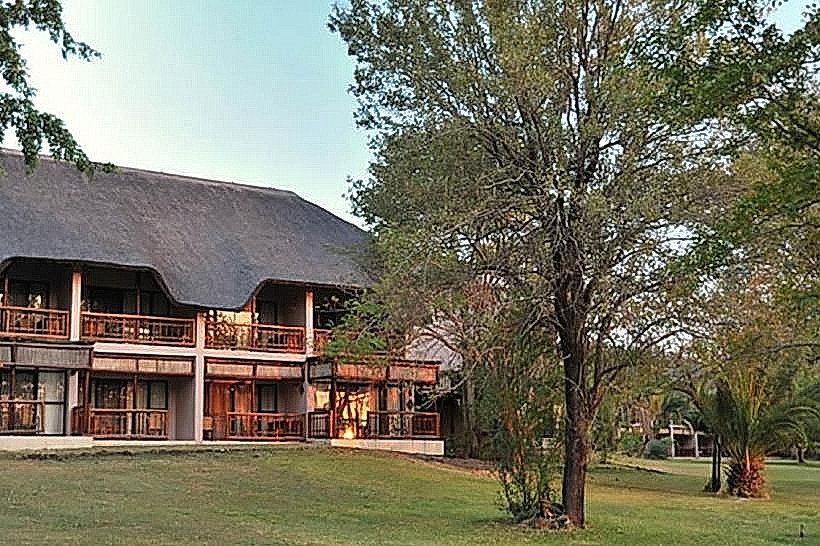
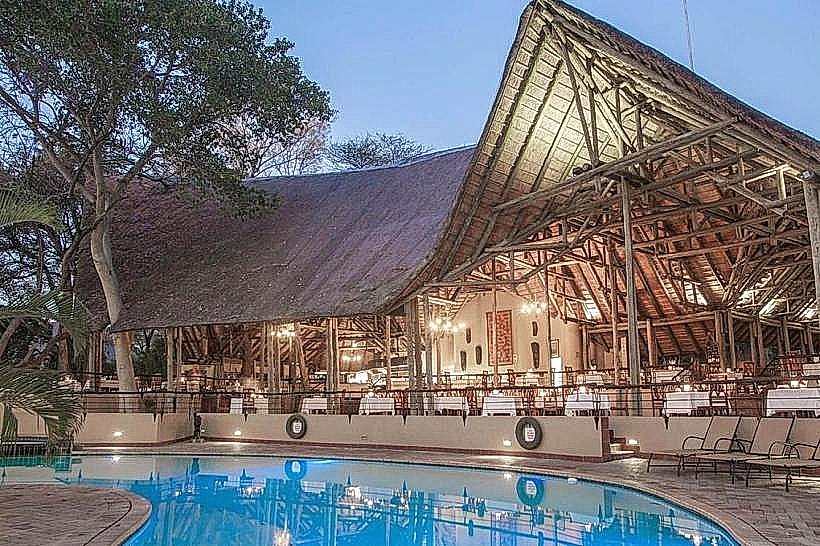
Within the park, there are designated picnic sites and rest camps with basic facilities. Lodges and safari camps located both inside and outside the park boundaries offer accommodation, dining, and guided activity services. Cell phone signal is intermittent and generally unavailable in remote areas of the park. Restrooms are available at main rest camps and lodges.
Best Time to Visit
The dry season, from May to October, is generally considered the best time for wildlife viewing as animals congregate around water sources. The period from July to September offers the lowest rainfall and highest concentrations of game. The wet season, from November to April, is ideal for birdwatching and viewing newborn animals. The best time of day for photography is typically early morning and late afternoon due to optimal lighting conditions.
Facts & Legends
Chobe National Park is home to one of the largest elephant populations in Africa, with estimates suggesting over 100,000 individuals. During the dry season, these elephants can be observed in large herds along the Chobe River. A specific tip for visitors is to utilize the boat-based game viewing on the Chobe River, as it provides a unique perspective on wildlife not accessible by vehicle.
Nearby Landmarks
- Victoria Falls (Zimbabwe/Zambia) - 11km East
- Mosi-oa-Tunya National Park (Zambia) - 12km East
- Caprivi Strip (Namibia) - Adjacent to the North
- Hwange National Park (Zimbabwe) - 200km Southeast