Information
Landmark: Kamping Puoy LakeCity: Battambang
Country: Cambodia
Continent: Asia
Kamping Puoy Lake, Battambang, Cambodia, Asia
Kamping Puoy Lake is a large man-made reservoir located in the Battambang Province in the western part of Cambodia, close to the town of Battambang itself. The lake is a result of one of the most ambitious projects undertaken during the Khmer Rouge era, which aimed to improve irrigation and agricultural production in the area.
History and Origins
The lake was created during the 1970s under the Khmer Rouge regime. In an effort to promote agricultural self-sufficiency and support the country’s rural development, the regime constructed a dam on the Sangke River, which diverted water to create the reservoir. The purpose of the project was to provide irrigation for the rice fields in the region, as Battambang is one of Cambodia’s most important rice-producing areas.
However, the project came with a tragic history. The construction of the lake was carried out under forced labor, with many people being subjected to extremely harsh conditions. Thousands of laborers, mostly villagers, were forced to work on the dam and surrounding areas, which contributed to the immense suffering and loss of life during that time. Despite these dark origins, the lake has since become an essential resource for local communities and a peaceful natural feature.
Geography and Features
Kamping Puoy Lake spans a significant area, stretching over approximately 6 square kilometers in size. It sits nestled between the Phnom Sampov Mountain and the nearby foothills, offering stunning views of the surrounding landscape. The lake is situated at an elevation of about 20 meters above sea level, and it is fed primarily by the Sangke River. The reservoir is particularly important for the area’s agriculture, as it helps maintain a consistent water supply for the rice fields and farms.
The water level of the lake fluctuates depending on the season, with levels rising significantly during the rainy season and receding during the dry months. During the wet season, the lake can expand considerably, turning parts of the surrounding land into lush wetlands. The dry season, on the other hand, sees the lake's water levels drop, which can reveal areas that are otherwise submerged.
Economic Importance
Kamping Puoy Lake continues to serve as an irrigation source for the rice fields in the Battambang region. Agriculture is the backbone of the local economy, and rice farming is the primary agricultural activity in the area. The lake’s water helps ensure that the crops are irrigated during the dry season, which is crucial for maintaining productivity and food security in the region.
In addition to irrigation, the lake plays a vital role in supporting the livelihoods of the local people. Fishing is a common activity around the lake, with the residents relying on it as a source of both food and income. Local fishermen catch a variety of species, and fishing has become a sustainable practice, benefiting the community as a whole.
Environmental Aspects
Kamping Puoy Lake and its surroundings support a diverse ecosystem. The lake is home to several species of fish, and the surrounding wetlands provide a habitat for a variety of bird species, especially during the migratory seasons. The natural beauty of the area also attracts a number of visitors, both local and international, who come to enjoy the peaceful environment and observe the flora and fauna.
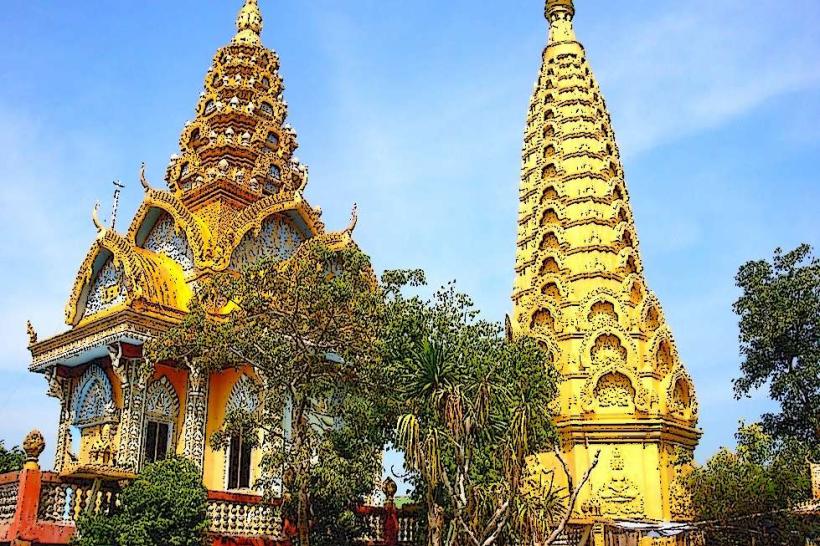
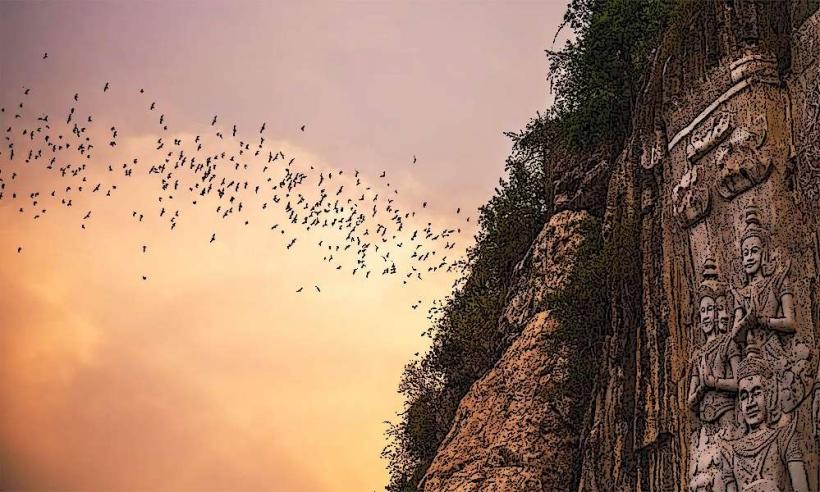
The area around the lake is rich in vegetation, with various types of aquatic plants, reeds, and trees growing along its banks. The proximity of Phnom Sampov Mountain adds to the scenic beauty of the region, offering a backdrop of rocky hills and caves. This mountainous area is also home to several Buddhist shrines and temples, which have cultural and historical significance.
Tourism and Recreation
While Kamping Puoy Lake may not be as famous as some of Cambodia’s other tourist destinations, it is a growing spot for eco-tourism and offers visitors a serene, off-the-beaten-path experience. Tourists often visit the lake to enjoy boat rides, which provide opportunities to take in the surrounding landscape and see local life up close.
The lake offers a variety of recreational activities such as fishing, kayaking, and even cycling around the lake. The tranquility of the area makes it an ideal location for relaxation, picnicking, and enjoying nature. Some visitors also take advantage of the proximity to Phnom Sampov, where they can explore caves, see ancient pagodas, and learn about the history of the region.
Challenges and Preservation Efforts
Despite its importance, Kamping Puoy Lake faces some challenges. Over the years, there has been a growing concern about water pollution, sedimentation, and the effects of climate change on the lake's water levels. The government and local communities have taken steps to monitor and preserve the lake, as its ecological and economic importance is vital for the region.
Efforts to maintain the lake’s water quality and ensure that it continues to serve as a resource for local agriculture are ongoing. Sustainable farming practices, responsible fishing, and eco-tourism initiatives are all part of the efforts to protect Kamping Puoy Lake for future generations.
In conclusion, Kamping Puoy Lake is not just an important natural feature of Cambodia, but also a site with deep historical, economic, and cultural significance. Its role in the region’s agriculture, its serene beauty, and its potential for eco-tourism make it a unique and valuable asset. Though its creation came at a cost, today the lake stands as a symbol of both Cambodia's past struggles and its resilience and growth.