Information
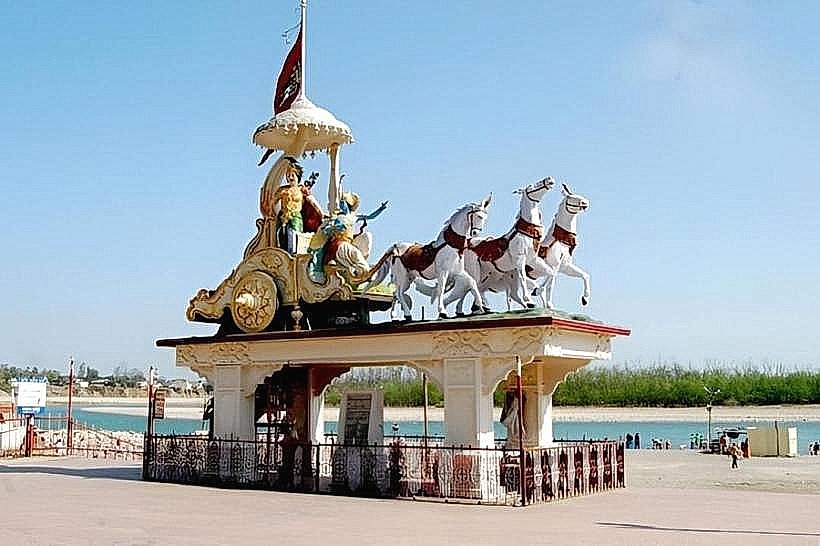
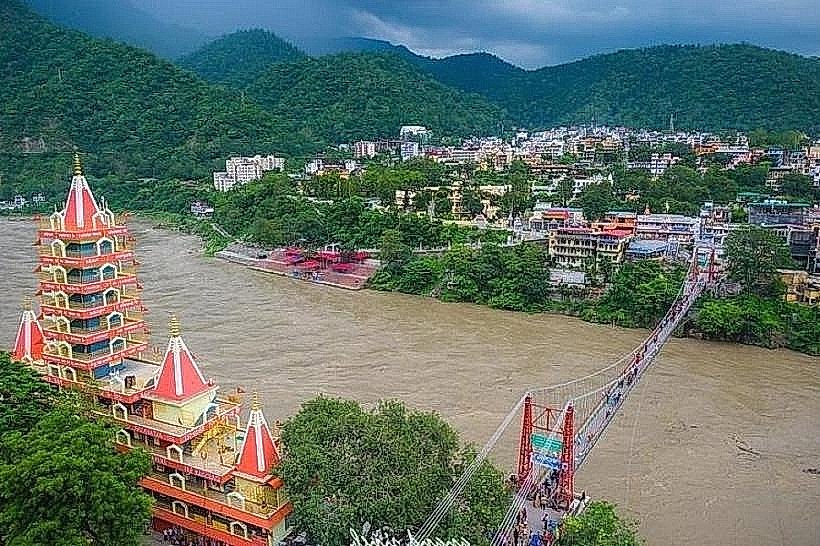
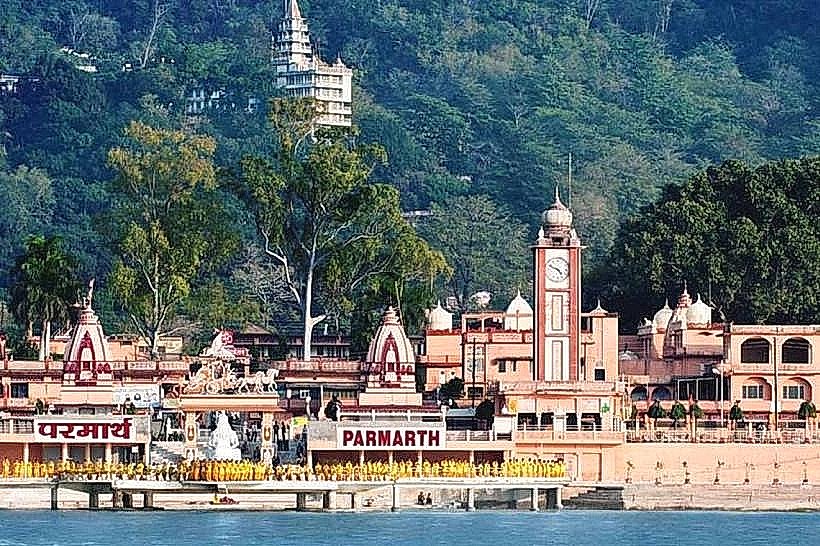
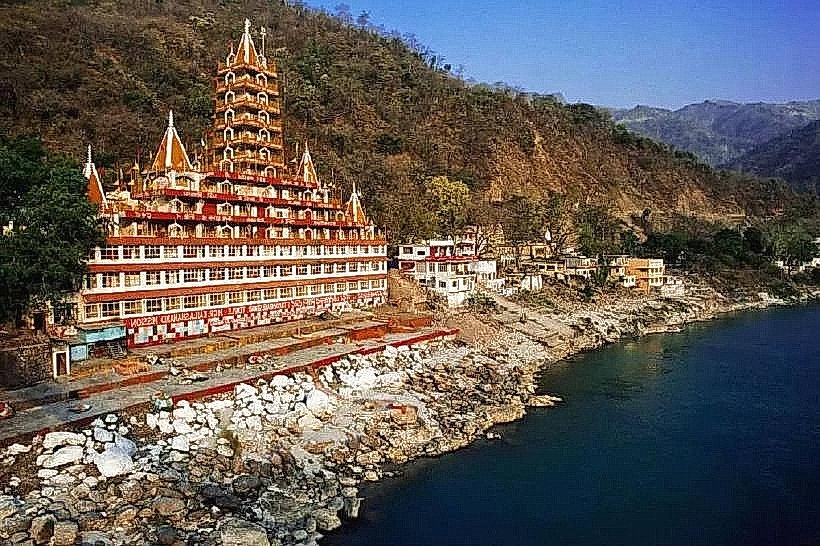
Landmark: Kankhal Temple ComplexCity: Rishikesh
Country: India
Continent: Asia
Kankhal Temple Complex, Rishikesh, India, Asia
The Park-McCullough Historic House is a preserved Victorian-era mansion located in North Bennington, Vermont.
This 35-room estate offers a detailed look into the life of a prominent industrialist family during the late 19th and early 20th centuries.
Visual Characteristics
The house is constructed primarily of local granite and red brick. It features a complex roofline with multiple gables, dormers, and a prominent tower. Architectural elements include decorative shingling, elaborate gingerbread trim, and a wraparound porch. The interior retains much of its original woodwork, stained glass, and period furnishings.
Location & Access Logistics
The Park-McCullough Historic House is situated at 314 Park Street in North Bennington, Vermont. It is approximately 5 kilometers west of the Bennington town center. Access is via Park Street, which connects to Route 67A. Ample on-site parking is available for visitors. Public transport options are limited; the nearest bus stop is several kilometers away in Bennington.
Historical & Ecological Origin
Construction of the house began in 1864 and was completed in 1867, designed by architect William T. Miller for Trenor W. Park, a successful businessman involved in mining and railroads. The estate was later owned by the McCullough family. The property encompasses approximately 10 acres of landscaped grounds and woodland.
Key Highlights & Activities
Guided tours of the house are available, focusing on the architecture, furnishings, and family history. Visitors can explore the formal gardens and grounds. Special events and educational programs are held throughout the year.
Infrastructure & Amenities
Restrooms are available on-site. Limited shaded areas are present on the grounds. Cell phone signal (4G/5G) is generally available. No on-site food vendors are present; however, dining options are available in nearby Bennington.
Best Time to Visit
The house is typically open from May through October. For photography, morning light offers good illumination of the exterior facade. The months of September and October provide pleasant weather and autumn foliage on the grounds.
Facts & Legends
A notable feature of the house is its original gas lighting system, which has been converted to electric but retains its historical appearance. The estate was one of the first in the region to have indoor plumbing and a central heating system.
Nearby Landmarks
- Bennington Museum (4.8km East)
- Old First Church (5.0km East)
- Bennington Battle Monument (5.2km East)
- Hildene, The Lincoln Family Home (15.0km South)