Information
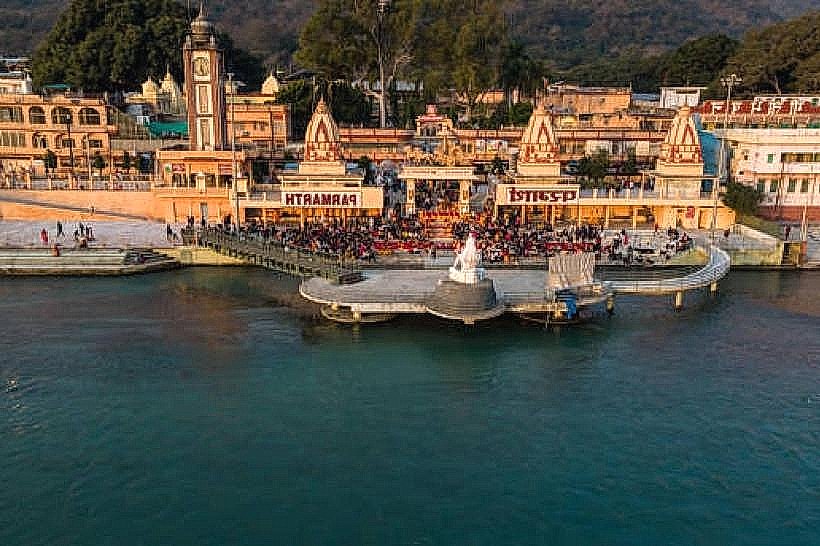
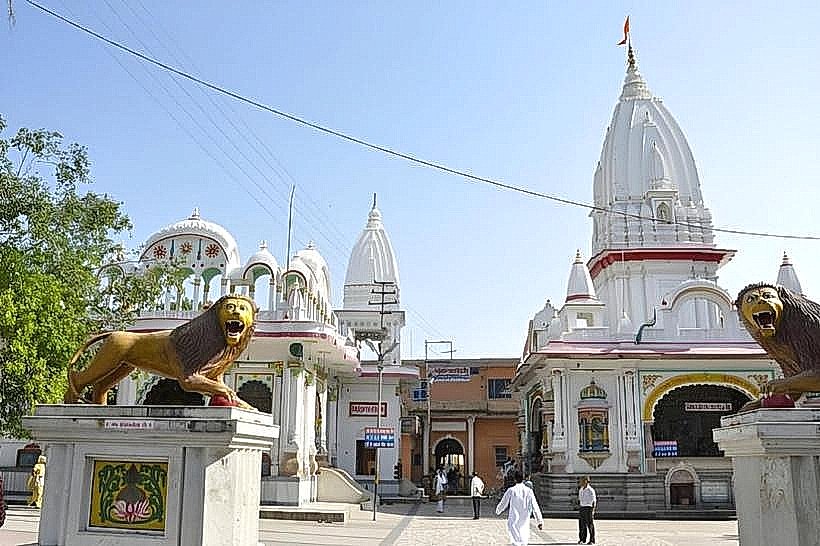
Landmark: Neelkanth Mahadev TempleCity: Rishikesh
Country: India
Continent: Asia
Neelkanth Mahadev Temple, Rishikesh, India, Asia
The Union Arena Community Center is a multi-purpose facility located in Woodstock, Vermont, USA.
Visual Characteristics
The structure is a single-story building with a predominantly rectangular footprint. Its exterior is clad in a combination of light-colored metal siding and dark-colored wood accents. The roofline is a series of pitched sections. Large windows are present on multiple facades, providing natural light to the interior spaces. The building sits on a paved lot.
Location & Access Logistics
The Union Arena Community Center is situated at 035 South St, Woodstock, VT 05091. It is approximately 0.5km south of the Woodstock town center. Access is via South Street, which connects directly to US Route 4. Ample paved parking is available on-site, directly adjacent to the building. Public transport options are limited; the closest bus stop for the Green Mountain Transit (GMT) route is located within the town center, requiring a walk of approximately 0.5km.
Historical & Ecological Origin
The Union Arena Community Center was constructed in 1974. Its original purpose was to provide a dedicated indoor space for recreational activities, including ice skating and community events, serving the town of Woodstock and surrounding areas. The site itself is part of the rolling terrain characteristic of the Green Mountains region.
Key Highlights & Activities
The primary activity is ice skating on the full-size ice rink, available during scheduled public skating sessions and for organized hockey leagues. The facility also hosts various community events, including concerts, banquets, and private rentals. Locker rooms and changing facilities are accessible to users.
Infrastructure & Amenities
Restrooms are available within the facility. Limited shaded areas are present around the exterior perimeter. Cell phone signal (4G/5G) is generally reliable within the building and immediate vicinity. Food and beverage options are typically limited to vending machines inside the arena; more extensive dining facilities are available in the nearby Woodstock town center.
Best Time to Visit
For ice skating, public skating sessions are most frequent during the fall and winter months (September through March). The best time of day for photography of the exterior is late afternoon, when the sun is lower in the sky, casting longer shadows. Specific event schedules should be consulted for optimal attendance times.
Facts & Legends
The arena's ice surface is maintained year-round, allowing for skating activities even outside the traditional winter season. A local anecdote suggests that the arena was built on land donated by a prominent Woodstock family with the condition that it always serve as a public gathering space.
Nearby Landmarks
- Woodstock Town Green - 0.5km North
- Billings Farm & Museum - 0.8km Northwest
- Marsh-Billings-Rockefeller National Historical Park Visitor Center - 0.9km Northwest
- Ottauquechee River - 0.4km West
- Woodstock Historical Society Museum - 0.6km North