Information
Landmark: Karksi Nature ReserveCity: Viljandi
Country: Estonia
Continent: Europe
Karksi Nature Reserve, Viljandi, Estonia, Europe
Visual Characteristics
The reserve features deep river valleys carved by the Karksi and Halliste rivers, characterized by steep slopes and varied forest types. Dominant vegetation includes old-growth deciduous and coniferous forests, with notable oak and pine stands. The riverbeds contain exposed sandstone formations in some areas.
Location & Access Logistics
The Karksi Nature Reserve is located approximately 30 km south of Viljandi city center. Access is primarily via Road 52 (Viljandi-Karksi-Nuia) or Road 49 (Karksi-Nuia-Valga). From Karksi-Nuia, local roads lead to various entry points. Limited parking is available at designated trailheads, often unpaved. Public transport options are infrequent; local bus lines connect Viljandi to Karksi-Nuia, but further access into the reserve typically requires private vehicle or walking.
Historical & Ecological Origin
The reserve was established to protect the geologically significant ancient valleys of the Karksi and Halliste rivers, which formed during the last glacial period. It is classified as a protected landscape area, safeguarding diverse forest ecosystems, rare plant species, and the unique geomorphology of the river valleys.
Key Highlights & Activities
Hiking is possible on marked trails, including the Karksi-Nuia Hiking Trail. Bird watching opportunities exist, particularly along the river valleys. Photography of geological formations and forest landscapes is common.
Infrastructure & Amenities
Restrooms are limited, typically found near the Karksi-Nuia town center or at specific visitor points outside the core reserve. Shade is abundant due to dense forest cover. Cell phone signal (4G) is generally available but can be intermittent in deeper valleys. Food vendors are not present within the reserve; visitors should plan to bring their own provisions or visit Karksi-Nuia.
Best Time to Visit
The best time to visit for hiking and general exploration is from late spring (May) to early autumn (September) when temperatures are mild. Autumn (October) offers optimal conditions for photography due to fall foliage colors. Winter visits are possible for snowshoeing or cross-country skiing, but trails may be less accessible. No tide requirements apply.
Facts & Legends
A local legend speaks of the Karksi Devil's Stone (Karksi Kuradikivi), a large erratic boulder near the reserve, believed to have been thrown by the devil. A practical tip for visitors is to wear sturdy footwear, as trails can be uneven and muddy, especially after rain.
Nearby Landmarks
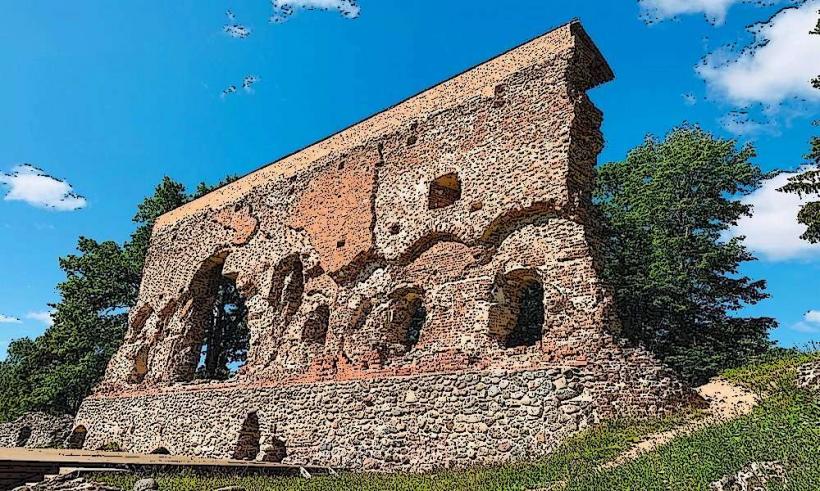
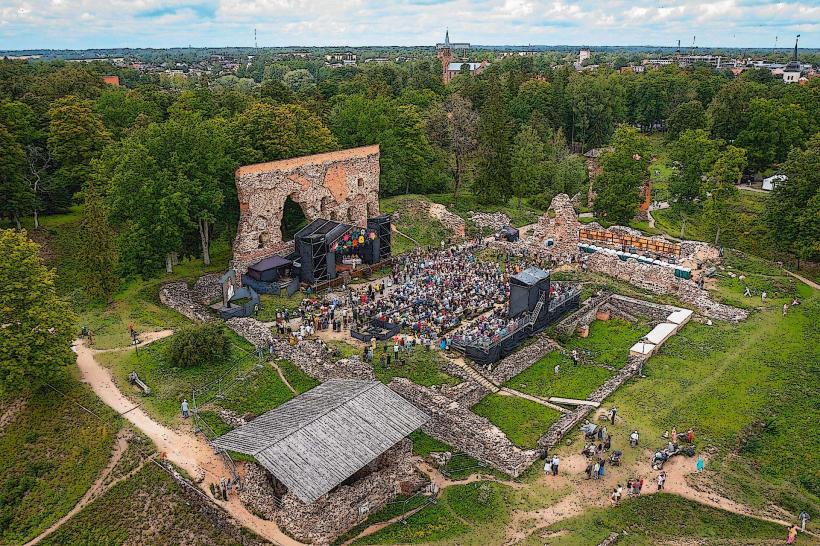
- Karksi Castle Ruins: 1.5km North
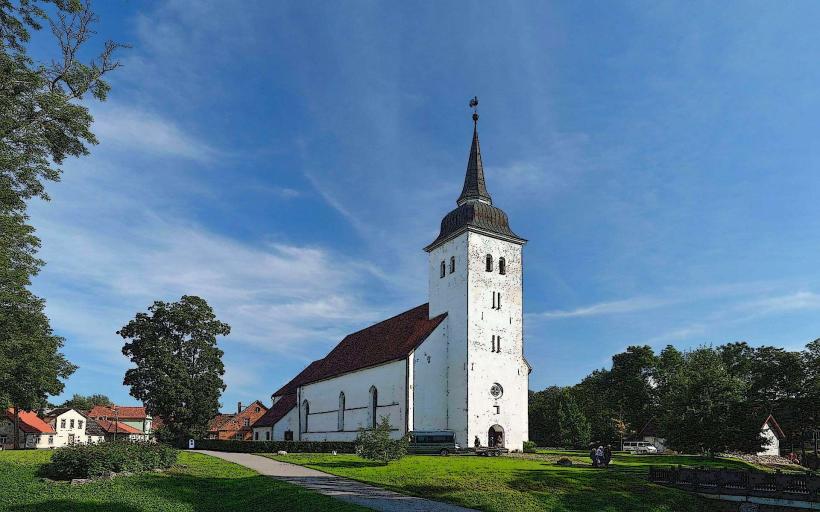
- Karksi-Nuia Church: 2km North-East
- Polli Manor Park: 3km West
- Karksi-Nuia Lake: 1km North-East