Information
Landmark: Viljandi CastleCity: Viljandi
Country: Estonia
Continent: Europe
Viljandi Castle, Viljandi, Estonia, Europe
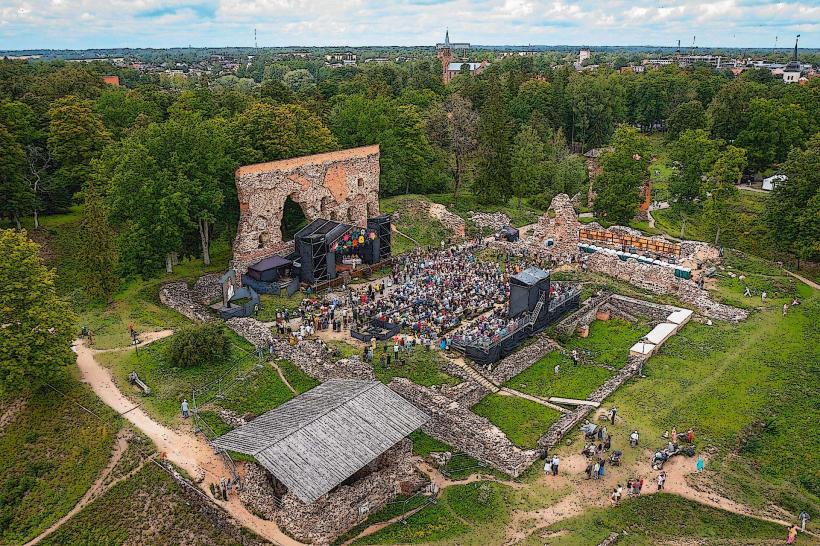
Viljandi Castle is a medieval fortress ruin situated on a prominent hill overlooking Lake Viljandi in Viljandi, Estonia. The site comprises remnants of stone walls, foundations, and defensive structures.
Visual Characteristics
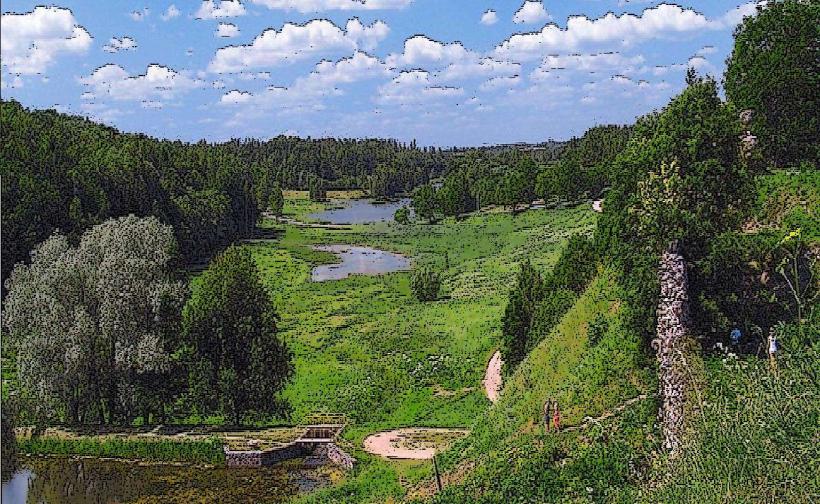
The landmark consists of extensive ruins primarily constructed from local limestone and brick, exhibiting various states of preservation. It occupies a high strategic position, approximately 30 meters above the surrounding landscape. The remaining structures include sections of curtain walls, tower bases, and foundational outlines, indicative of a former convent fortress. The overall appearance is that of weathered grey stone and red brick against a green, forested hill.
Location & Access Logistics
Viljandi Castle is centrally located on Lossimäed (Castle Hills) within Viljandi city. Access is primarily via Lossi tänav, which leads directly to the castle park area. The site is approximately 0.5 kilometers from Viljandi's city center. Limited public parking is available near the entrance to the castle park. The Viljandi Bus Station is situated approximately 1 kilometer north-east of the castle, offering regional bus connections. No specific public transport lines directly serve the immediate castle grounds; pedestrian access from the city center is common.
Historical & Ecological Origin
Construction of Viljandi Castle commenced in the 13th century, initiated by the Livonian Order. Its original purpose was to serve as a powerful convent fortress, strategically positioned to control trade routes and territory. The castle underwent several expansions and modifications over centuries. It was largely destroyed during the Polish-Swedish wars in the 17th century and subsequently fell into ruin.
Key Highlights & Activities
Visitors can explore the extensive castle ruins and walk along the remaining wall sections. Access to the Viljandi Suspension Bridge (rippsild), which connects two of the castle hills, is available. The surrounding castle park is suitable for walking and picnicking. Outdoor cultural events and concerts are occasionally held within the castle park during the summer months.
Infrastructure & Amenities
Public restrooms are available within the broader castle park area, adjacent to the ruins. Natural shade is provided by mature trees surrounding the site. Cell phone signal (4G/5G) is generally strong and reliable across the castle grounds. Direct food vendors are not present on the ruins, but cafes and restaurants are located within 0.5 kilometers in Viljandi's town center.
Best Time to Visit
The summer months, from June to August, offer the most favorable weather conditions for visiting. Early morning or late afternoon provides optimal natural light for photography of the ruins and panoramic views of Lake Viljandi. There are no specific tide requirements for visiting this inland landmark.
Facts & Legends
A local legend suggests the existence of a secret underground tunnel connecting Viljandi Castle to the nearby St. John's Church, though no such passage has been definitively discovered. A verified historical oddity is the discovery of a medieval well within the castle grounds, which was a critical water source during sieges and is now partially visible.
Nearby Landmarks
- Viljandi Suspension Bridge: 0.1km East
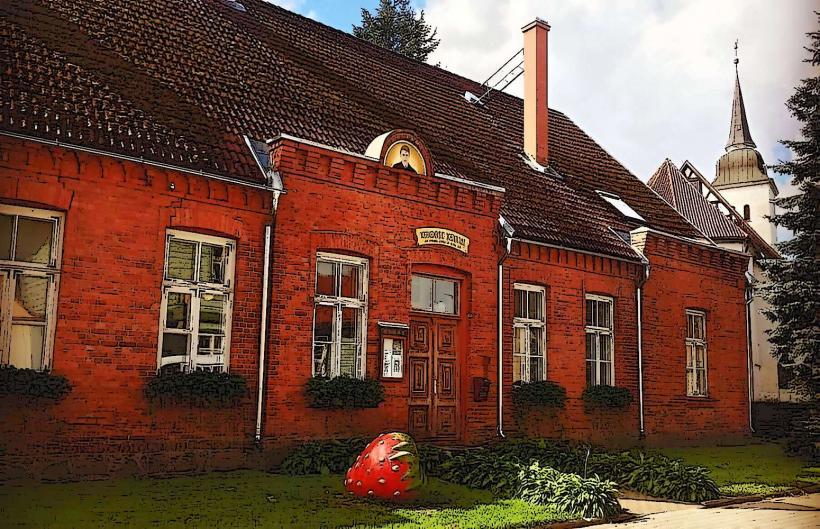
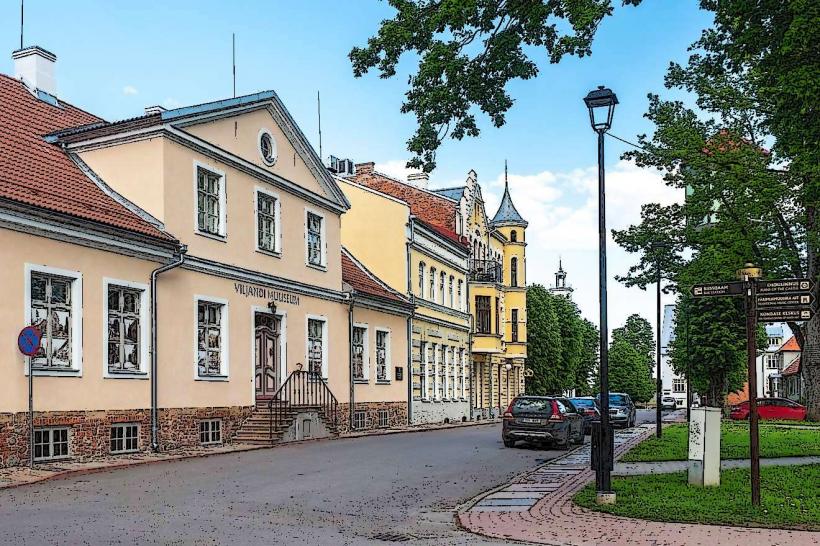
- Viljandi Museum: 0.3km North
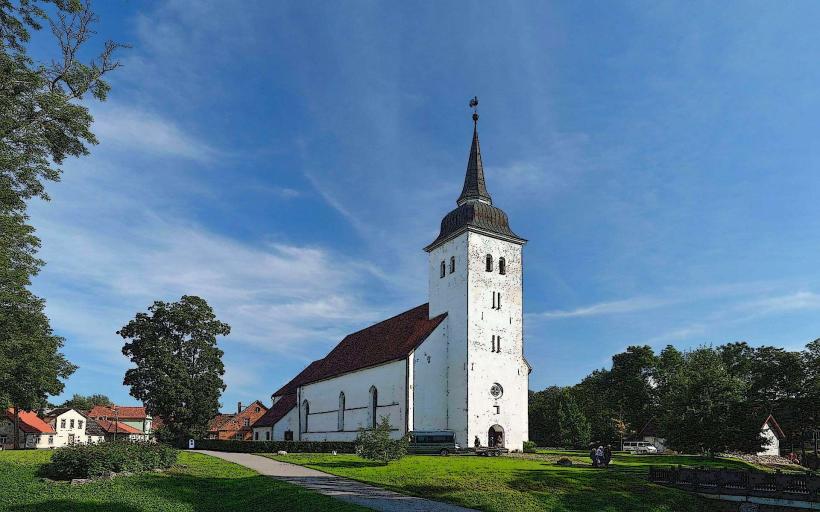
- St. John's Church (Jaani kirik): 0.5km North-East
- Lake Viljandi: 0.2km South-East (accessible from castle hills)
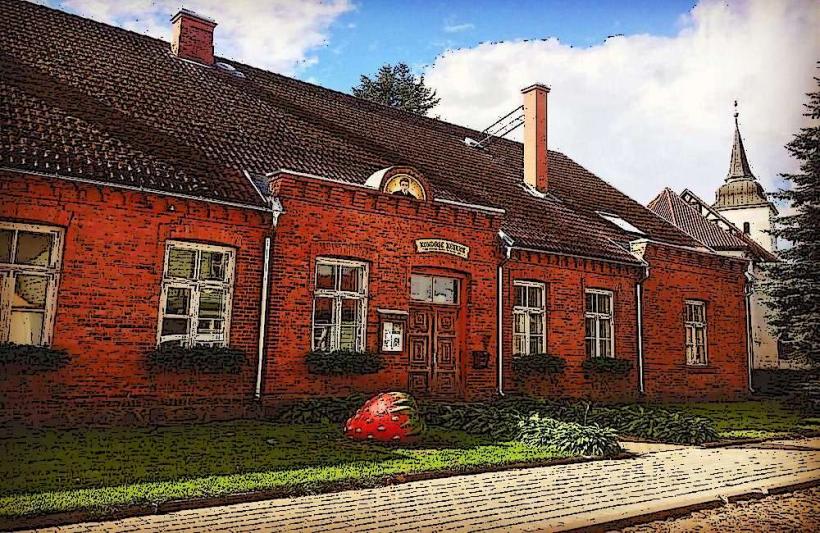
- Kondas Centre: 0.8km North-West