Information
Landmark: Kavala CastleCity: Kavala
Country: Greece
Continent: Europe
Kavala Castle, Kavala, Greece, Europe
Kavala Castle (The Fortress of Kavala) is a medieval fortification situated on the crest of the Panagia peninsula in Kavala, Greece. It serves as the dominant landmark of the old city and offers a strategic vantage point over the Thracian Sea.
Visual Characteristics
The castle is defined by a massive granite and local stone wall that follows the natural contours of the hill. The structure includes a central circular tower (donjon), square bastions, and a long curtain wall. The masonry reflects various historical layers, including Byzantine and Ottoman reconstructions. The interior features an open-air theater and a restored guardhouse.
Location & Access Logistics
The fortress is located at the highest point of the Panagia (Old Town) district.
Access: Visitors typically walk uphill through the cobblestone streets of Panagia from the central harbor. The climb takes approximately 15–20 minutes.
Public Transport: A miniature tourist train operates from the central square to the castle gate during the summer season.
Parking: Extremely limited within the Old Town; visitors are advised to park near the harbor and ascend on foot.
Historical & Ecological Origin
The current fortress was built in 1425 by the Ottomans on the foundations of a previous Byzantine fortification (dating to the 10th century). It was designed as a defensive outpost to control the maritime route of the northern Aegean and the Via Egnatia. The site is positioned on a rocky granite promontory that has been fortified since the 5th century BCE when the city was known as Neapolis.
Key Highlights & Activities
The Central Tower: Visitors can climb the steep interior staircase of the circular tower for a 360-degree view of the city, the port, and the island of Thasos.
The Armoury: A large vaulted chamber near the entrance used for storage and munitions.
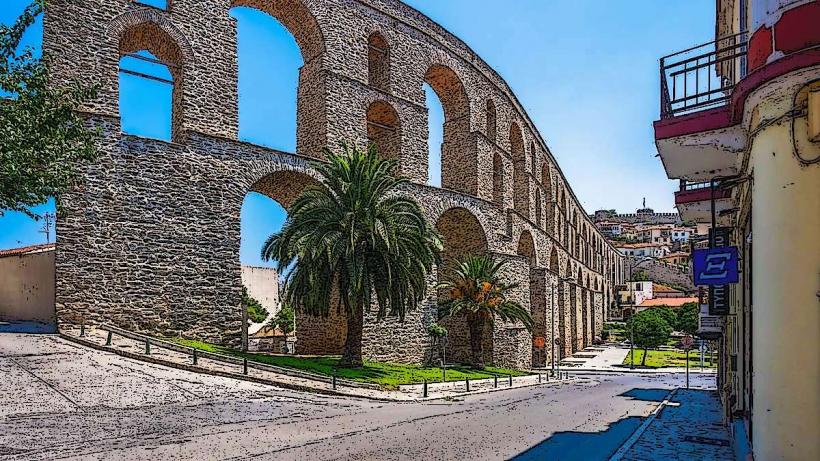
The Battlements: A walkable path along the western walls provides views of the Kavala Aqueduct (Kamares).
Open-air Theater: Hosts cultural events and concerts during the Kavala Festival in the summer.
Infrastructure & Amenities
The castle is an organized archaeological site with a ticket office at the entrance.
Facilities: Basic restrooms and a small refreshment stand are located within the courtyard.
Information: Signage in Greek and English provides historical context.
Connectivity: 5G cellular signal is excellent due to the elevation.
Note: The terrain is uneven and steep; it is not suitable for individuals with significant mobility issues.
Best Time to Visit
Late afternoon is the optimal time for visiting to observe the sunset over the Gulf of Kavala. The castle is typically open daily from 08:00 to 20:00 during the summer and until 16:00 during the winter.
Facts & Legends
The castle was a critical part of the city's defense when Kavala was a major tobacco trading hub. Local history notes that the fortress never fell to a direct naval assault but changed hands through land sieges and political treaties.
Nearby Landmarks
Imaret: 0.3km South
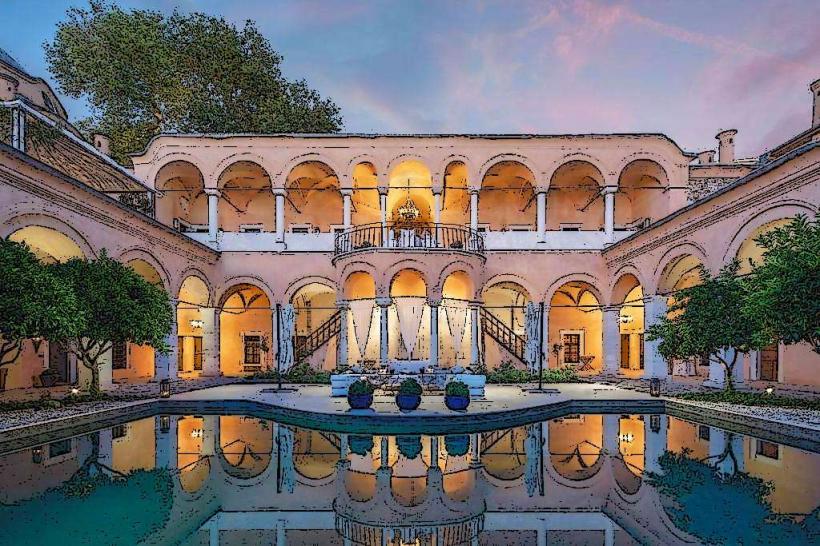
House of Mehmet Ali: 0.4km South
Kavala Aqueduct (Kamares): 0.5km West (visible from the walls)
Halil Bey Mosque: 0.2km Southwest
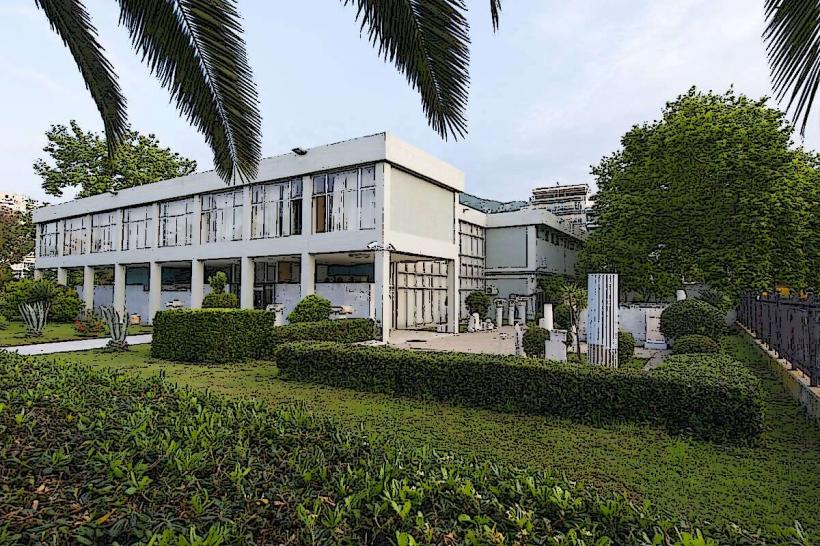
Archaeological Museum of Kavala: 1.5km West