Information
Landmark: Kejetia MarketCity: Kumasi
Country: Ghana
Continent: Africa
Kejetia Market, Kumasi, Ghana, Africa
Kejetia Market, also known as Kumasi Central Market, is a massive commercial hub in the heart of Kumasi. It is recognized as the largest single open-air and semi-covered marketplace in West Africa, serving as a primary economic engine for the Ashanti Region and neighboring countries.
Visual Characteristics
The market presents a stark contrast between its traditional and modern sectors. From an aerial perspective, the old section appears as a sprawling, dense cluster of rusting corrugated tin roofs. In contrast, the newly redeveloped Phase 1 section (often locally called "Kejetia Dubai") is a massive, multi-level circular concrete structure with a distinctive colorful roof. Inside, the market is a maze of narrow aisles packed with goods, from vibrant textiles and fresh produce to hardware and glass beads.
Location & Access Logistics
The market is situated on Kejetia Road, serving as the focal point of Kumasi's Central Business District. It is the primary node for the city's transport network, integrated with the Kejetia Lorry Park, which serves as a major terminal for "tro-tro" minibuses and long-distance buses. Visitors typically arrive via public transport or taxi. Due to extreme congestion, private vehicle parking is difficult; however, the new redevelopment includes dedicated parking facilities and multiple wheelchair-accessible entrances.
Historical & Ecological Origin
Established in 1924 during the colonial era, the market was originally modeled after British trading centers. It has historically been prone to overcrowding and fires, which necessitated the major multi-phase redevelopment project launched in 2015. The first phase, costing approximately US$259 million, was completed in 2018. The site occupies roughly 12 hectares (equivalent to 20 football fields) in Kumasi's semi-deciduous forest zone, characterized by high humidity and tropical temperatures.
Key Highlights & Activities
The market is divided into functional levels. The ground floor is dominated by the sale of livestock, fresh meat, fish, and heavy food items like yams and spices. Upper levels focus on "dry goods" including high-end Kente cloth, cosmetics, electronics, and imported apparel. It is a critical retail point for traditional Ashanti sandals and glass beads. Visitors can engage in high-intensity bargaining, observe the "Market Queens" who govern specific trade sectors, and visit the on-site clinic or banks.
Infrastructure & Amenities
The modern redevelopment includes a police station, a hospital, a mosque, and a centralized fire station. The new hall is equipped with electricity, water systems, and public restrooms. Unlike the old open-air sections, the new facility has wide internal walkways and a cafeteria. 4G/5G cell phone signal is robust, although the dense concrete structure of the new phase can occasionally cause signal drops in the deep interior of the ground floor.
Best Time to Visit
The market technically operates 24 hours for wholesalers, but general retail activity peaks between 07:00 and 18:00. The optimal time for visitors is early morning (07:00–09:00) to avoid the mid-day heat and extreme pedestrian congestion. Sundays often see limited operations in certain non-perishable sectors.
Facts & Legends
Kejetia Market is often described as an "alien mothership" due to the scale of its new redevelopment sitting amidst the older city fabric. A verified logistical detail is that the market serves an estimated 50,000 visitors daily. Local tradition maintains that "if it exists in West Africa, you can find it at Kejetia," reflecting the market’s status as a total consumer ecosystem.
Nearby Landmarks
Kumasi Central Lorry Park – Adjacent South
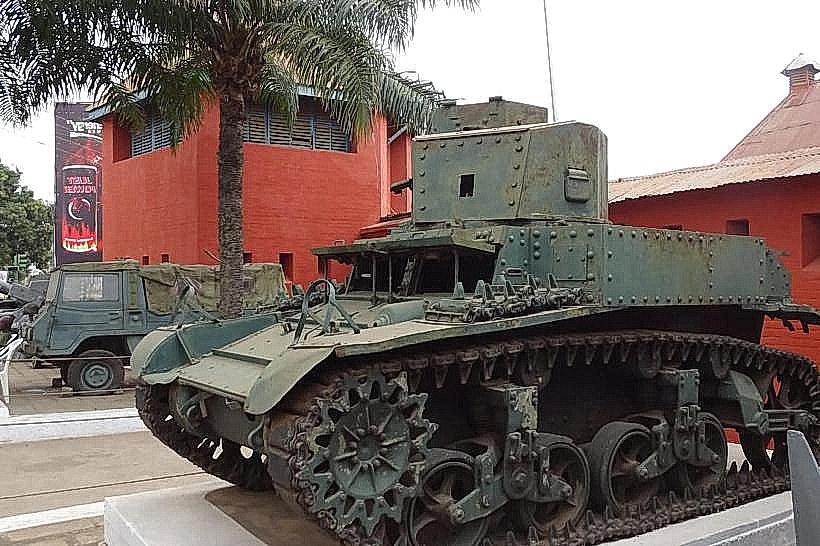
Kumasi Fort and Military Museum – 0.6km South
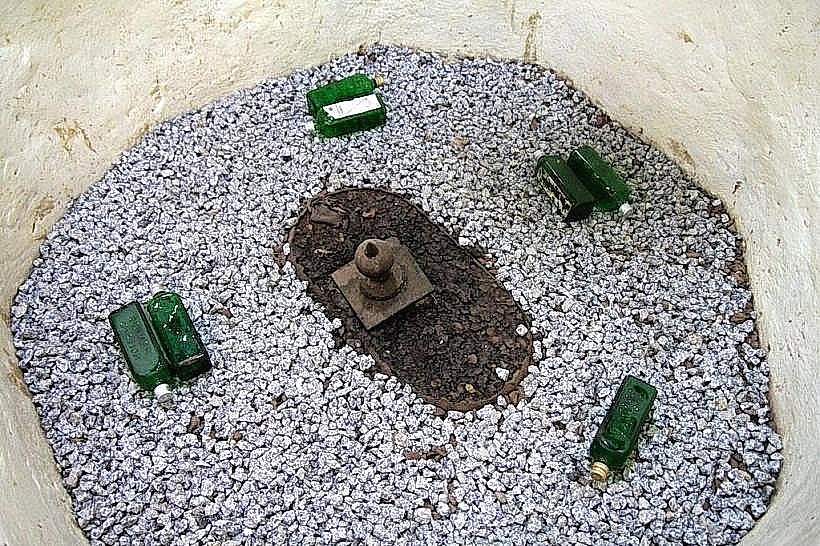
Okomfo Anokye Sword Site – 0.5km Northwest
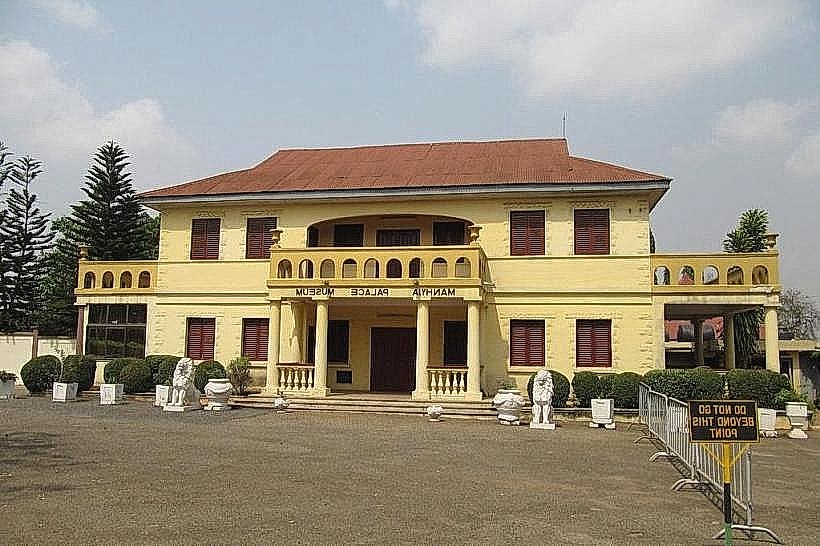
Manhyia Palace Museum – 2.0km Northeast
Saint Peter's Cathedral – 0.8km East