Information
Landmark: Komárno MuseumCity: Komarno
Country: Slovakia
Continent: Europe
Komárno Museum, Komarno, Slovakia, Europe
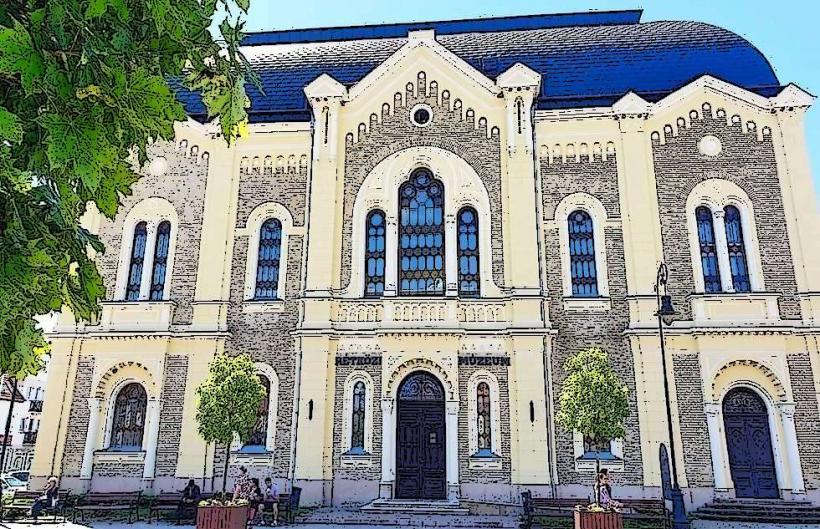
The Podunajské múzeum (Danube Museum) is a regional cultural and historical institution located in Komárno, Slovakia, near the confluence of the Váh and Danube rivers. It is housed primarily in the Palace of Culture, a Neo-Renaissance building completed in 1913 to preserve the archaeological and ethnographic heritage of the Roman and Hungarian periods.
Visual Characteristics
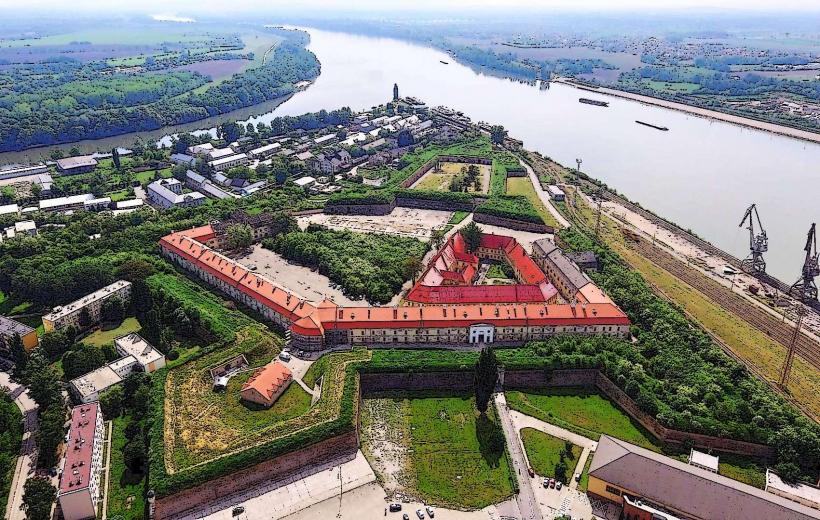
The main building features a symmetrical Neo-Renaissance facade with a central portico, decorative cornices, and a red-tiled roof. The interior consists of high-ceilinged exhibition halls with parquet flooring and ornate plasterwork. The nearby Roman Lapidarium, situated within the VI. Bastion of the Komarno-fortress_komarno" class="underline">Komárno Fortress system, utilizes heavy limestone and basalt blocks within thick, vaulted brick fortifications characteristic of 19th-century military architecture.
Location & Access Logistics
The museum is located at Letná 2, approximately 0.5 kilometers south of the Komárno town center. It is accessible via the I/64 and I/63 roadways. The Komárno railway station is 1.5 kilometers North, providing connections to Bratislava and Budapest. Limited street parking is available on Letná and Palatínova streets; public transit access is via local bus lines stopping at the "Vnútorný okružný rad" station.
Historical & Ecological Origin
The institution was established in 1886 as the Archaeological and Historical Society of the Komárno County and Town. The current main administrative building was designed by architect Dezső Hültl and opened in 1913. It was founded to house artifacts from the nearby Roman military camp, Brigetio, and to document the maritime history of the Danube region.
Key Highlights & Activities
The primary permanent exhibition covers the history of Komárno from the Bronze Age through the 20th century. Visitors can view the Roman Lapidarium, which contains one of the most significant collections of Roman stone monuments in Slovakia. Specialized guided tours focus on the life of local writer Mór Jókai and composer Franz Lehár.
Infrastructure & Amenities
The museum provides indoor restrooms and a small ticket counter with informational brochures. The main building lacks central air conditioning, and shade is provided by the surrounding urban structure. 4G and 5G cellular signals are stable throughout the premises. No food vendors are located inside the museum, but several restaurants operate within a 200-meter radius in the pedestrian zone.
Best Time to Visit
The museum is best visited during the morning hours (09:00–12:00) for natural light in the main gallery spaces. May through September provides the most reliable weather for visiting the detached Roman Lapidarium in the fortress. The site is closed on Sundays and Mondays.
Facts & Legends
The museum houses a rare, well-preserved Egyptian mummy brought to the city by a local traveler in the 19th century, which remains an anomaly among the predominantly Roman and Austro-Hungarian collections. A local tip for visitors is that the Roman Lapidarium in Bastion VI requires a separate entrance fee and is a 15-minute walk from the main building.
Nearby Landmarks
Courtyard of Europe – 0.3km North
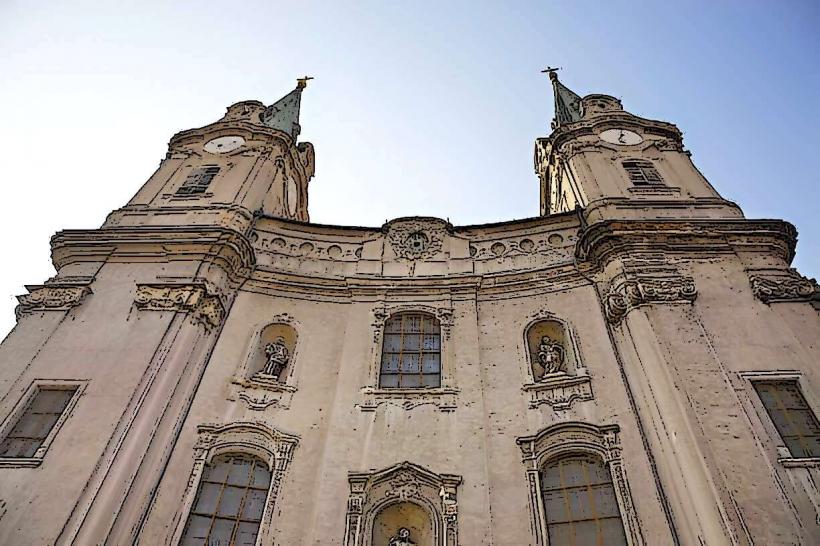
St. Andrew's Basilica – 0.4km Northwest
Old Fortress (Stará pevnosť) – 0.8km East
Elizabeth Bridge – 0.6km South
Officer’s Pavilion – 0.4km Northeast