Information
Country: SlovakiaContinent: Europe
Slovakia, Europe
Overview
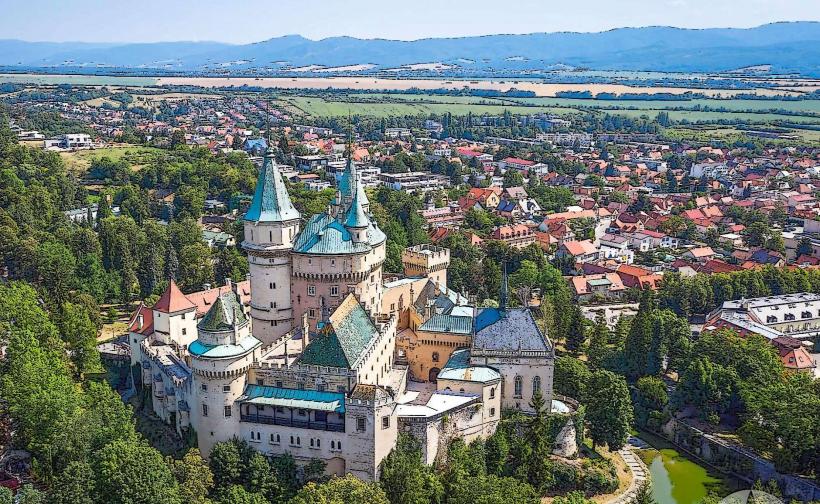
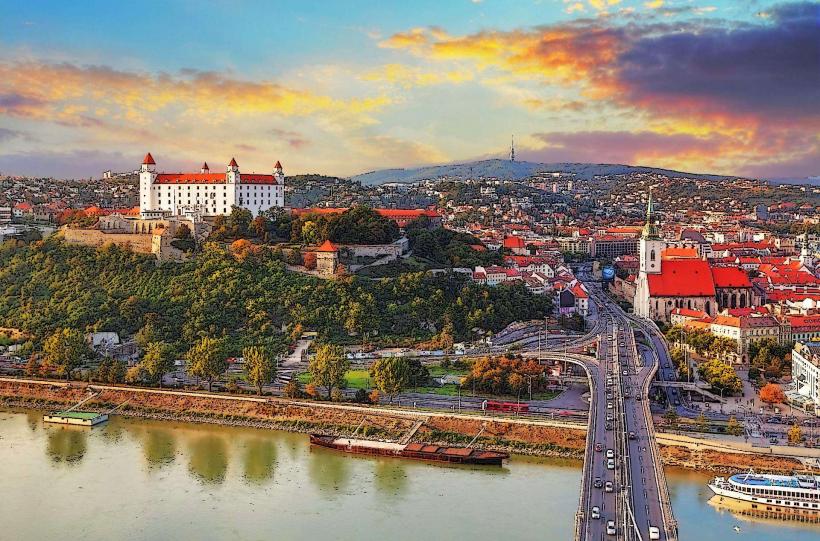
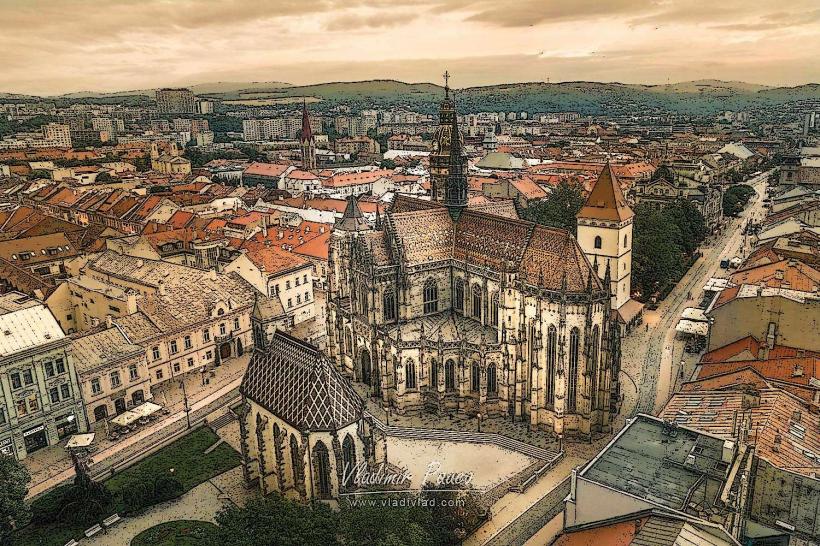
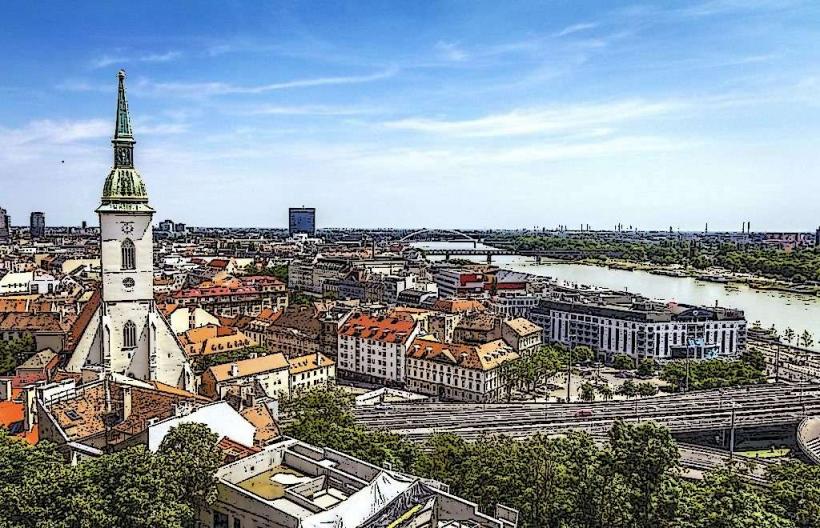
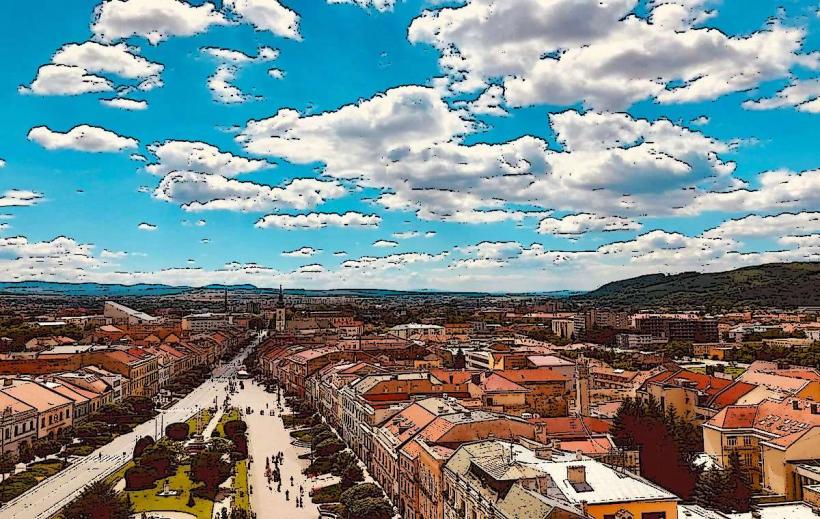
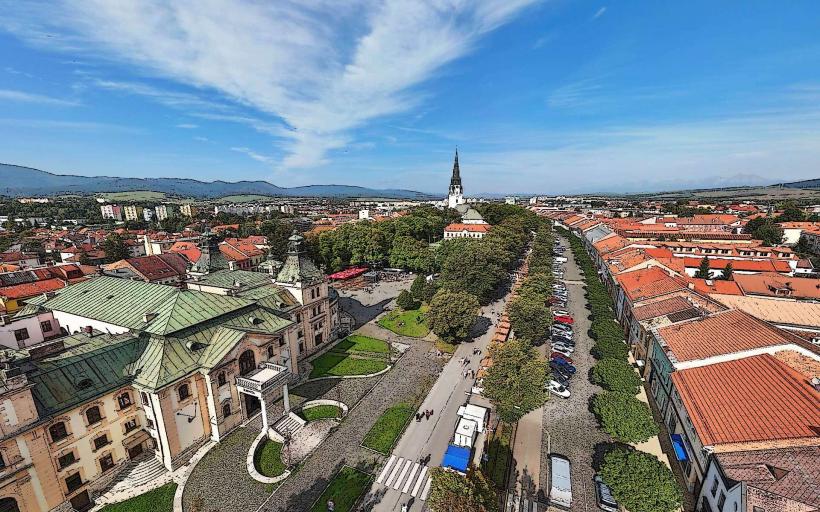
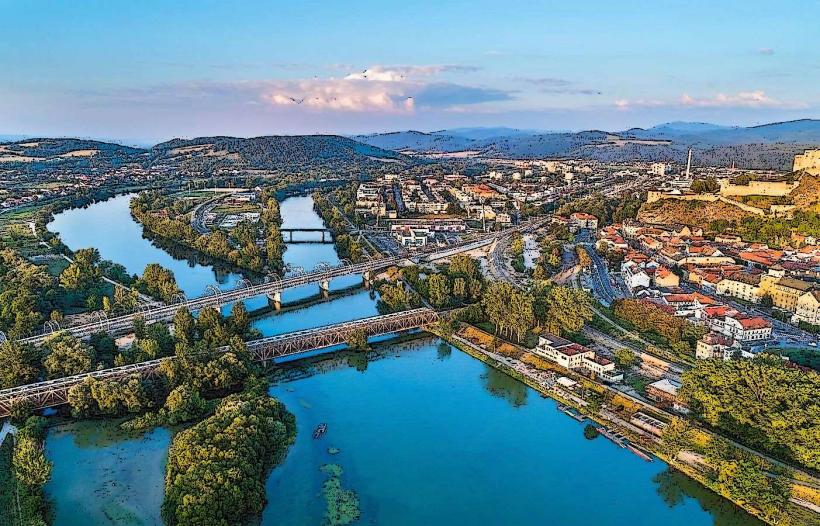
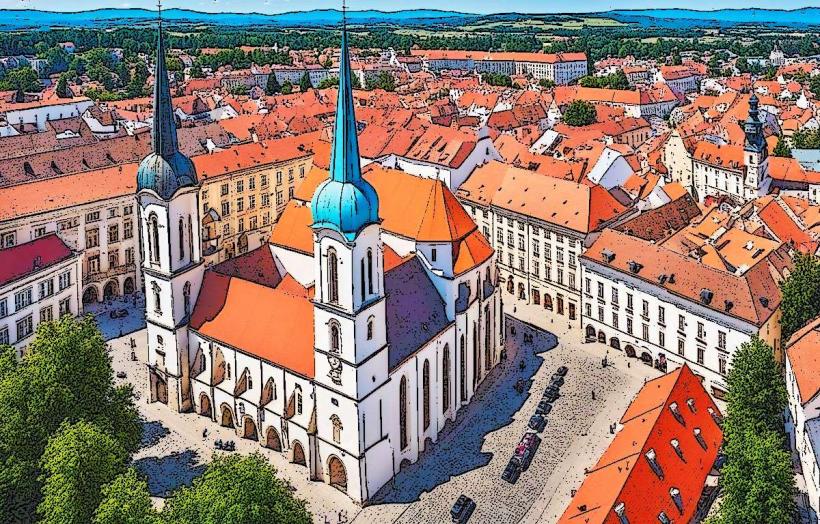
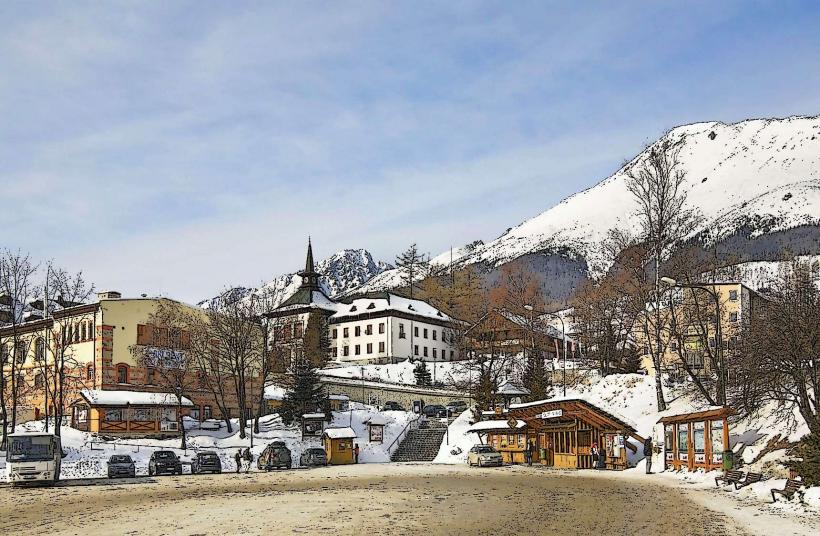
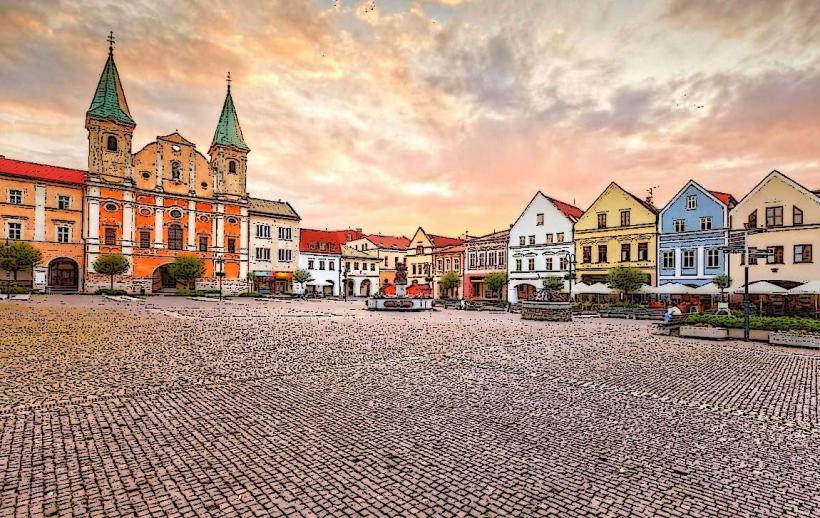
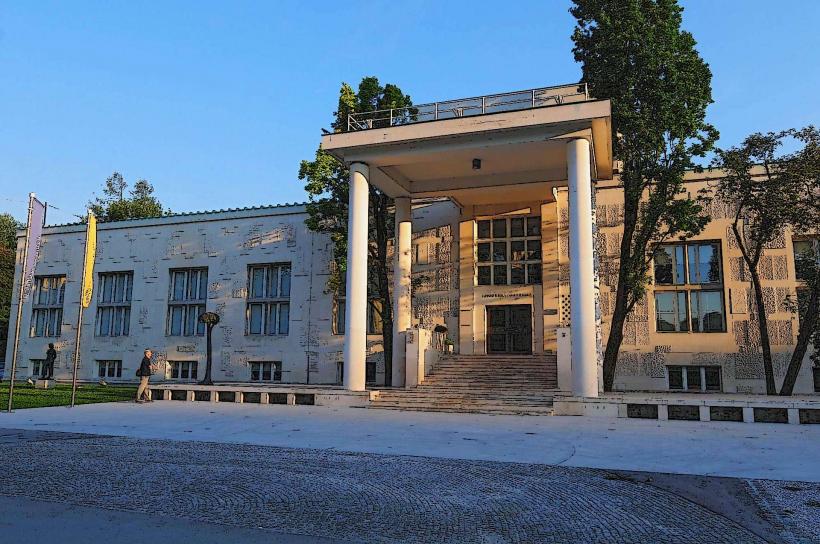
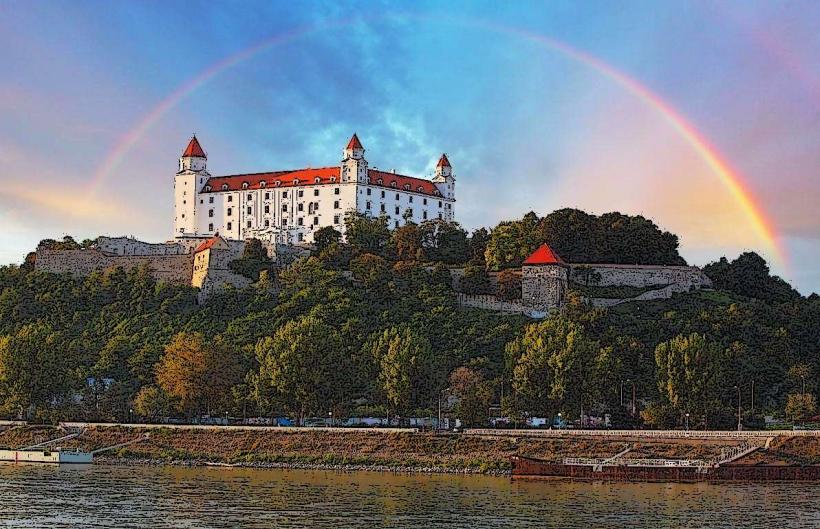
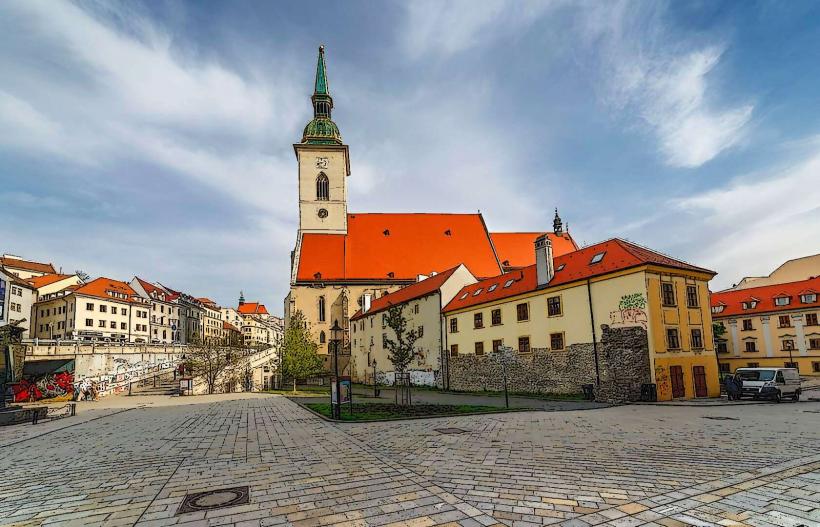
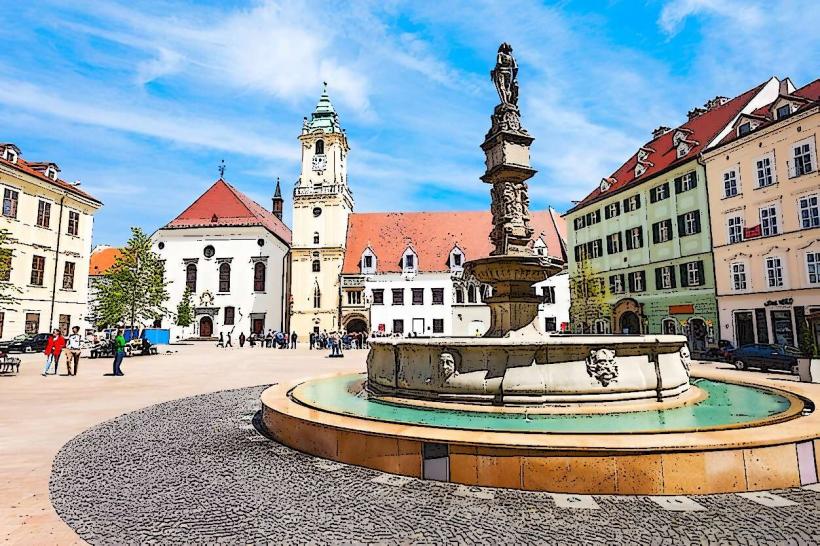
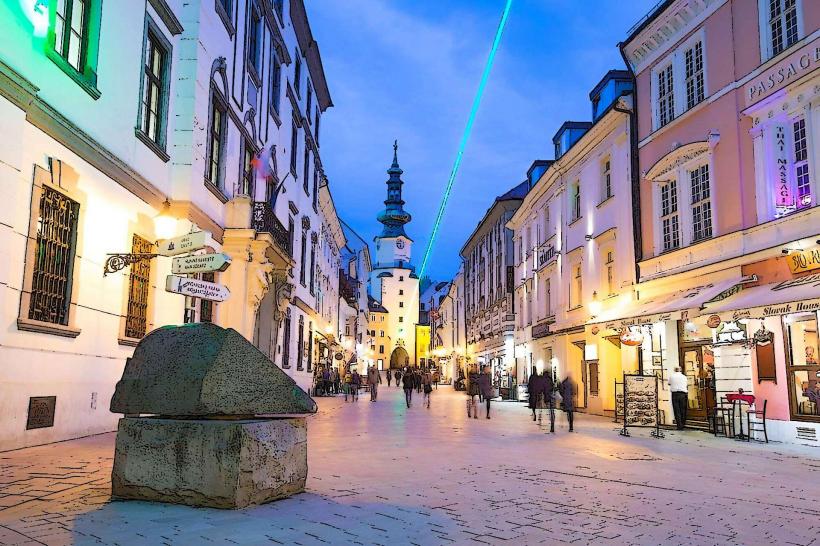
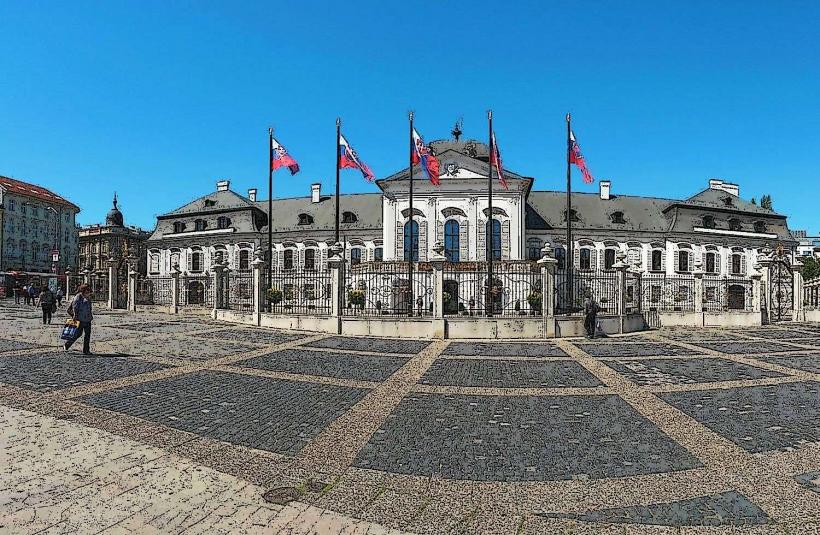
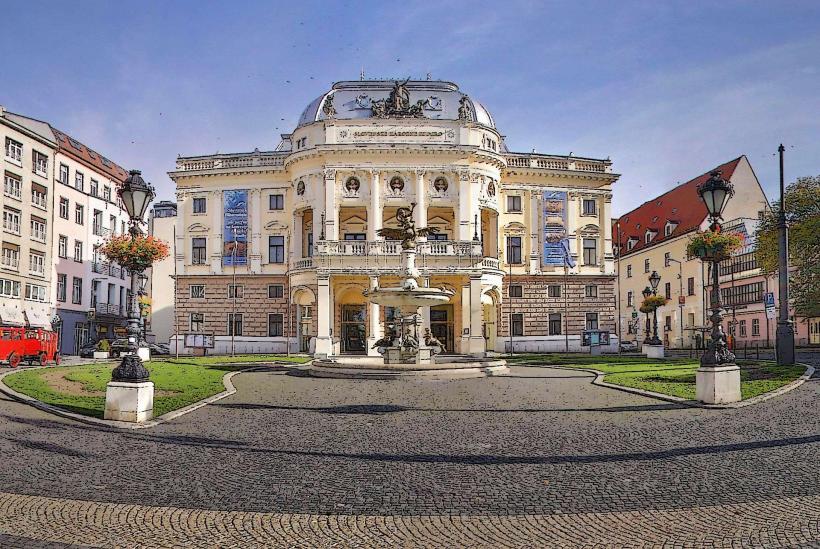
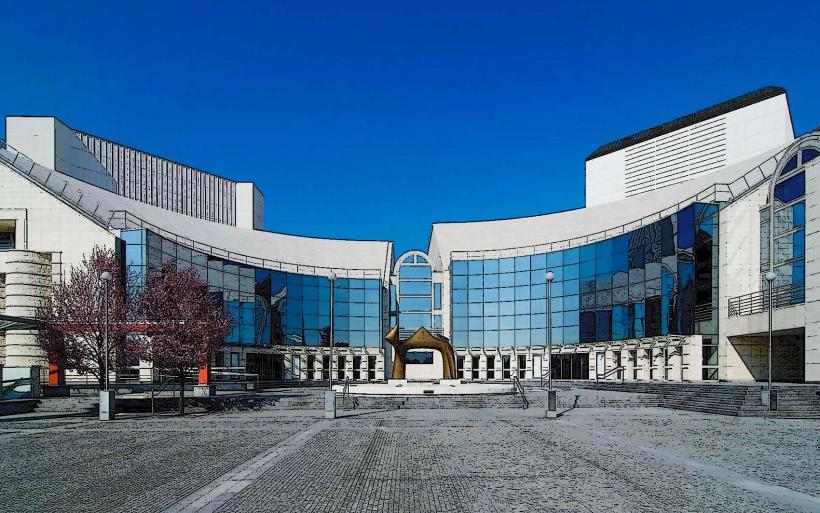
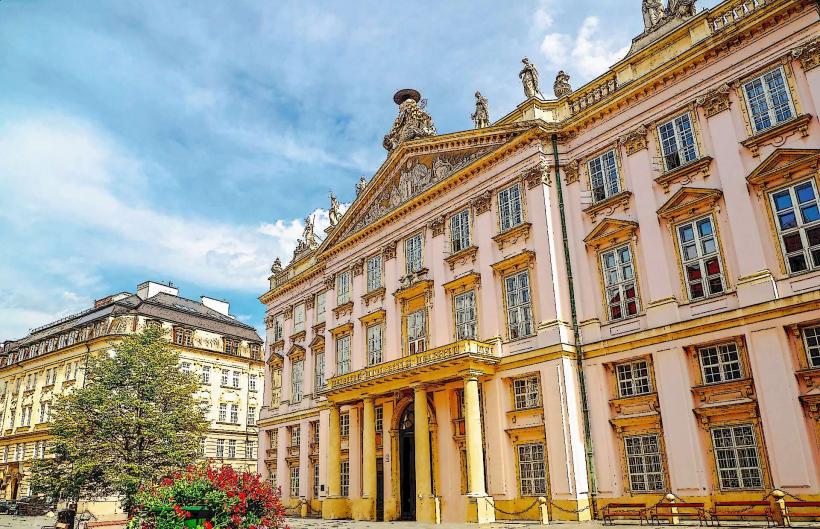
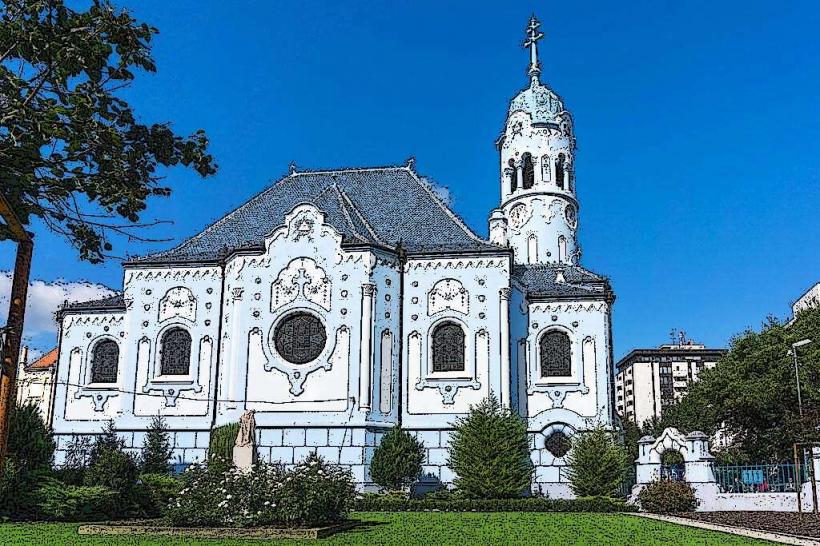
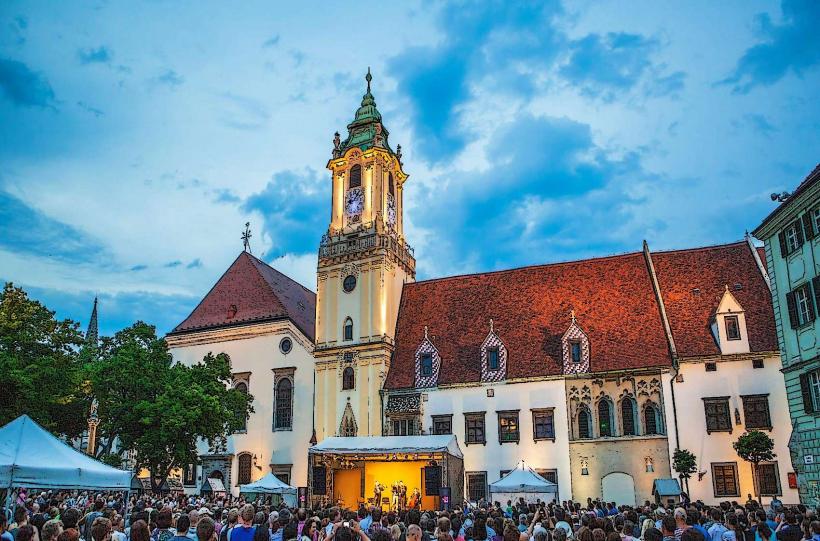
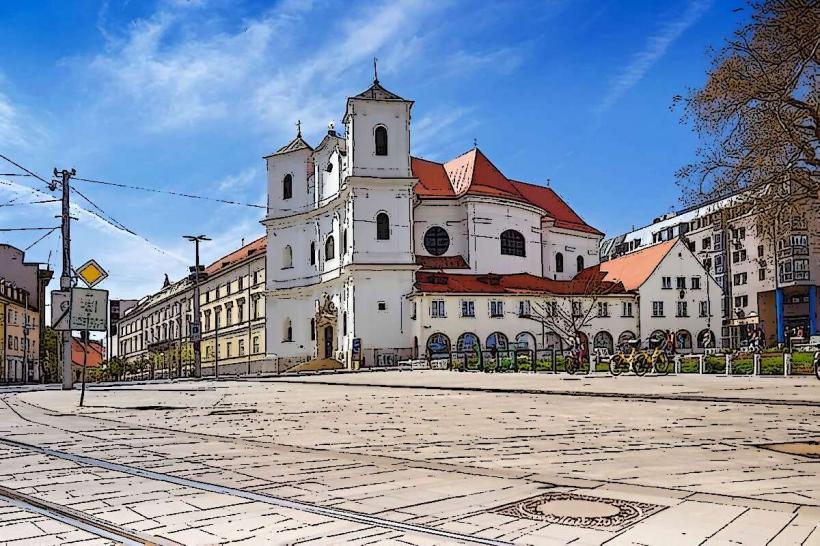
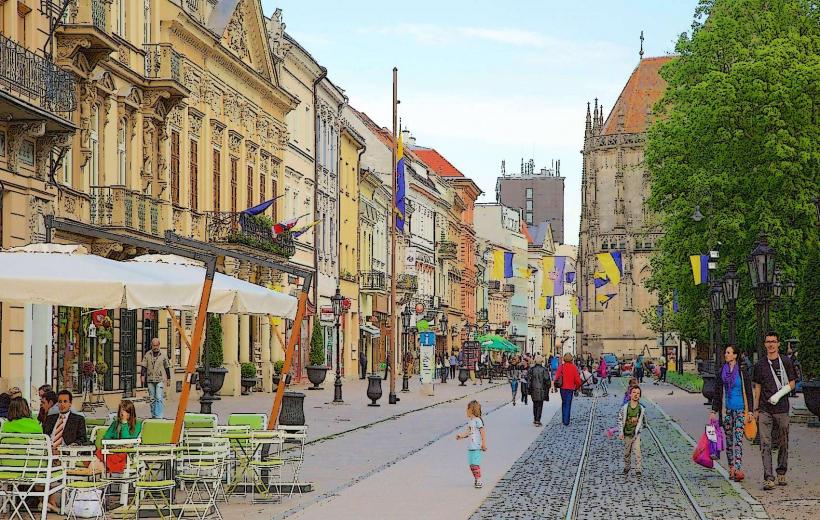
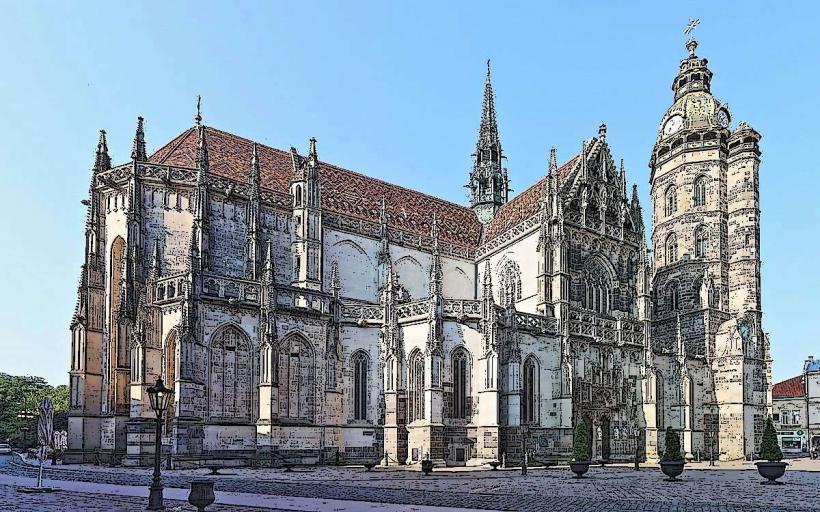
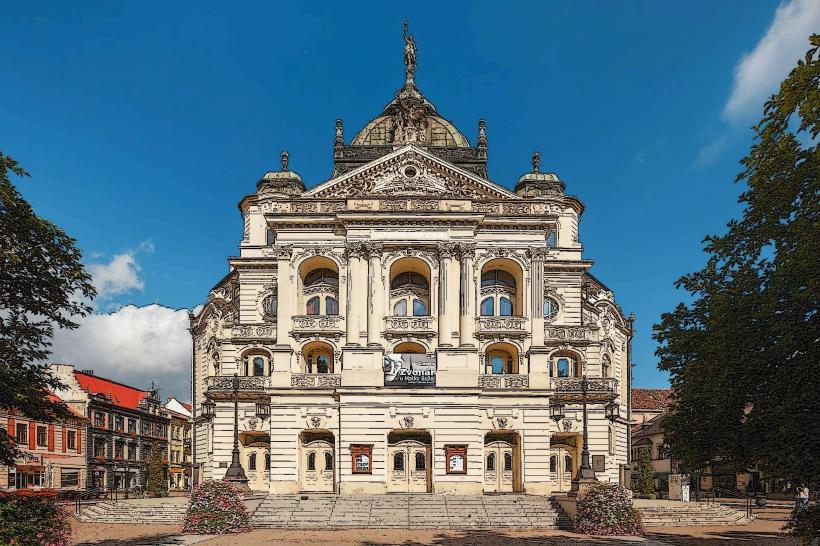
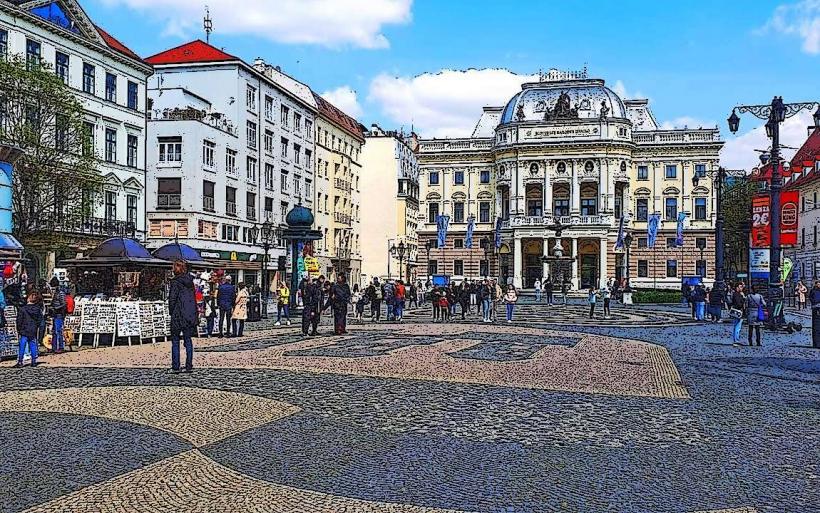
Slovakia sits in the heart of Central Europe, a landlocked nation surrounded by five neighbors: the Czech Republic to the northwest, Poland to the north, Ukraine to the east, Hungary to the south, and Austria to the west, in conjunction with slovakia bursts with history, from ancient castles perched on rocky hills to villages steeped in tradition, and its wild mountains and green valleys promise adventures for every kind of traveler.Here’s a quick glance at Slovakia-its geography, history, culture, and top attractions, what’s more the country spans roughly 49,000 square kilometers, with rugged mountains rising in nearly every direction.The Carpathian Mountains cut across the country’s north, splitting it into Western, Central, and Eastern Slovakia, their ridges often dusted with snow in winter, on top of that gerlachovský štít, or Gerlach Peak, rises above the High Tatras at 2,655 meters, its rocky summit often dusted with snow.In the west, the Little Carpathians rise in a long green sweep, while Slovak Paradise National Park offers deep, winding canyons and shadowy gorges, after that rivers cut across Slovakia, from the broad sweep of the Danube to the winding Váh, Hron, and Nitra, carrying rich silt that feeds the country’s fertile land.The Danube winds through southwestern Slovakia, carrying barges and cargo ships along its wide, steady current-a lifeline for trade and transport, on top of that in Slovakia, the climate’s continental-warm, dry summers that can bake the fields, and winters that bite with sharp, icy winds.Summer days feel warm, usually hovering between 20°C and 30°C, while in the mountains, winter nights can bite, with the air dipping well below freezing, meanwhile in the higher elevations-especially in the Tatras-snow piles up thick and speedy, drawing crowds eager to ski, snowboard, and carve fresh tracks through the powder, loosely History – Early Settlements: People have lived in what’s now Slovakia since prehistoric times, and archaeologists have unearthed Stone Age tools worn smooth by countless hands, to boot in the 9th century, this land belonged to the Great Moravian Empire, a power that planted the first seeds of Slovak identity, much like a banner unfurling in the wind.Interestingly, In the late Middle Ages, Slovakia fell under the rule of the Kingdom of Hungary, its stone towns echoing with the clang of blacksmiths in busy market squares, meanwhile this region shaped Hungary’s history, leaving its mark on both culture and politics-like the folk songs still sung in village squares, in a sense Funny enough, After the Austro-Hungarian Empire fell at the end of World War I, the novel nation of Czechoslovakia brought together Slovakia and the Czech lands, laying the first stone of modern Slovak statehood, likewise in 1939, under heavy Nazi pressure, Slovakia declared its independence-just before German troops marched in and took control.As you can see, When the war ended, the country was folded into the newly formed communist Czechoslovakia, its red flags snapping in the wind, as well as the Velvet Revolution in 1989 ended communist rule, and just four years later, Czechoslovakia quietly parted ways, forming the Czech Republic and Slovakia-each charting its own path as an independent nation, slightly often Slovakia became an EU member in 2004, and five years later, it switched to the euro-innovative coins clinked in pockets across the country, after that slovakia runs as a parliamentary democracy, with the President acting as head of state and the Prime Minister leading the government - think of the President hosting foreign leaders while the Prime Minister handles day‑to‑day politics.The National Council of the Slovak Republic-its parliament-makes the country’s laws, from tax rules to traffic regulations, simultaneously voters choose the President through a popular vote, but the role’s mostly ceremonial-shaking hands, giving speeches, and cutting the occasional ribbon.Slovakia’s political scene runs on a multi-party system, with social-democratic and conservative groups often vying for influence-sometimes in debates that stretch late into the night, equally important the Smer-SD party, long a champion of social programs and workers’ rights, has held a strong hand in Slovak politics, even as the political ground has shifted sharply in recent years, kind of I think, Slovakia boasts a high-income economy, fueled by steady growth in industries like automotive, electronics, and manufacturing-its car plants, for example, hum with activity, therefore major global carmakers call the country home, including Volkswagen, Kia, and PSA Group, whose factories hum with the sound of stamping metal.Just so you know, In Slovakia, industry powers the economy, with the automotive sector leading the charge-factories hum as car frames roll off the line, and electronics, chemical production, and food processing also play a huge role-think of the hum of factory lines or the sharp scent of fresh citrus being packed, in a sense In Slovakia, rolling green hills, ancient castles, and centuries-aged towns draw visitors from around the world, making tourism a vital part of the nation’s economy, simultaneously visitors flock here to hike the rugged trails of the High Tatras, carve down snowy slopes, and wander through centuries-vintage cultural landmarks.The official currency is the Euro (EUR), the same coins and notes you’d find jingling in pockets across much of Europe, besides in Slovakia, people speak Slovak as the official language-a West Slavic tongue closely related to Czech, with soft, rolling sounds that echo through its mountain villages.It draws on historic Church Slavonic and carries a strong Hungarian imprint, a legacy of Slovakia’s long history under the Kingdom of Hungary, besides slovak comes in both literary and regional dialects, and you’ll hear it everywhere-from city streets to quiet mountain villages.Slovak literature boasts a long, vibrant history, shaped by voices like Jozef Gregor-Tajovský and Michal Kováč, whose words still echo like footsteps on antique cobblestones, furthermore in Slovakia, you’ll find art that ranges from centuries-heritage folk paintings to sleek modern sculptures.In Slovakia, folk art still thrives, especially in pottery with its earthy clay tones and in the delicate threads of embroidery, what’s more music and dance thrive in Slovakia, where lively folk tunes-think quick fiddles and rhythmic stomps-play a central role in shaping the nation’s cultural identity.Goral music, the deep, breathy notes of the fujara-a long wooden flute-and the glossy hues of Zsolnay ceramics capture the heart of Slovak tradition in sound and craft, and the Slovak Philharmonic Orchestra stands among the nation’s top cultural treasures, filling its grand hall with music that seems to shimmer in the air.Slovak architecture ranges from sturdy Romanesque stone churches and soaring Gothic spires to ornate Baroque facades and sleek modern designs, as well as bratislava, Košice, and Nitra each show off towering medieval castles, graceful Renaissance townhouses, and sleek glass-fronted buildings that catch the afternoon light.To be honest, Bratislava Castle, Košice Cathedral, and Bojnice Castle all draw crowds, from tourists snapping photos on cobbled streets to locals strolling past in the late afternoon sun, equally important slovak food is hearty and varied, shaped by classical village traditions and the flavors of nearby countries.Actually, You might taste smoky sausage alongside fresh-baked rye bread, simultaneously bryndzové halušky topped with creamy sheep’s cheese, steaming bowls of tangy Kapustnica, and smoky, peppery Klobása are all local favorites.Slovak wines, especially those from the Tokaj hills and the lush Dunaj region, have a well-earned reputation for quality, therefore bratislava, Slovakia’s bustling capital and largest city, sits on the banks of the wide, green Danube, just a short drive from the Austrian and Hungarian borders, maybe Don’t miss Bratislava Castle towering over the city, the cobbled lanes of the vintage Town, and the striking sky‑blue walls of St, along with elizabeth’s, known as the Blue Church.The city blends medieval stone towers with sleek glass high-rises, creating a lively, ever-changing setting to explore, consequently košice, Slovakia’s second-largest city and a lively cultural hub, boasts the soaring spires of St, somewhat Elisabeth Cathedral, the grand State Theatre, and museums like the East Slovak Museum, and in Košice’s timeworn Town, cobblestone streets wind past medieval arches and baroque facades, giving you a vivid glimpse of the city’s long, layered history.Nitra, an ancient city in western Slovakia, is home to the towering Nitra Castle and the striking St, therefore emmeram’s Cathedral, whose bells ring clear across the timeworn town.Its history runs deep, shaped by a blend of Romanesque arches and towering Gothic spires, at the same time trnava, often called the “Little Rome of Slovakia,” greets you with church spires rising above its narrow cobblestone streets.
Author: Tourist Landmarks
Date: 2025-08-28