Information
Landmark: Košice Old TownCity: Kosice
Country: Slovakia
Continent: Europe
Košice Old Town, Kosice, Slovakia, Europe
Overview
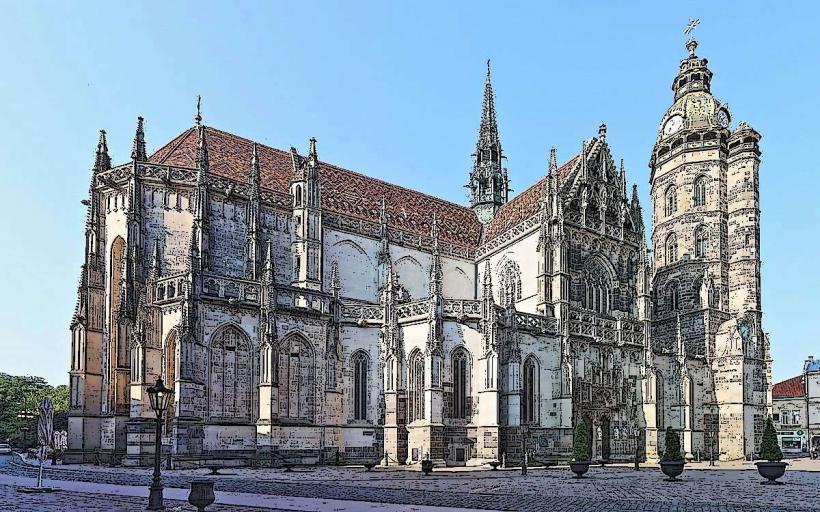
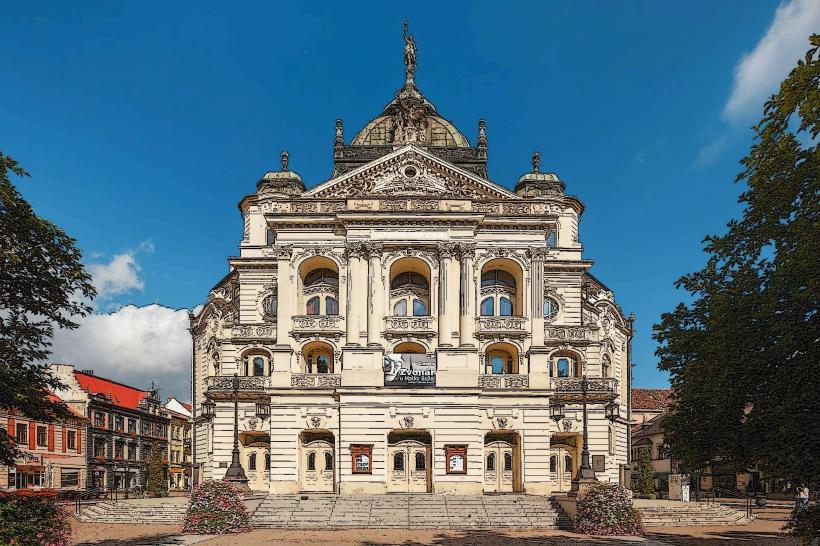
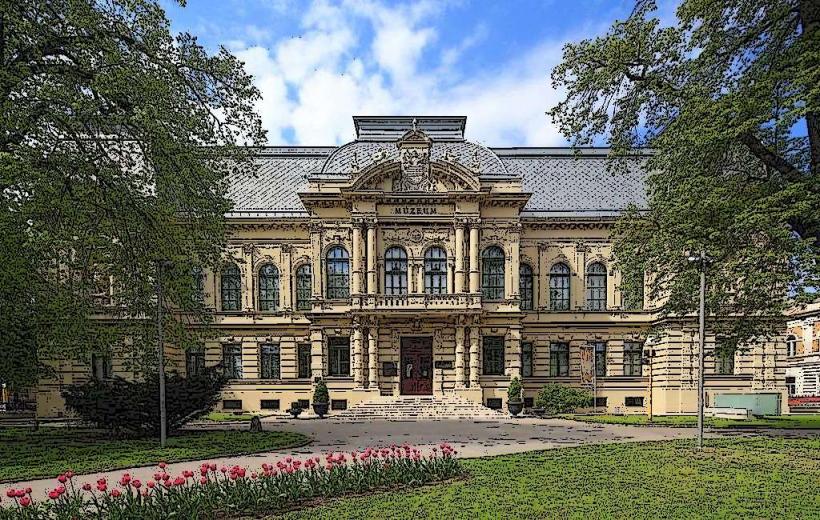
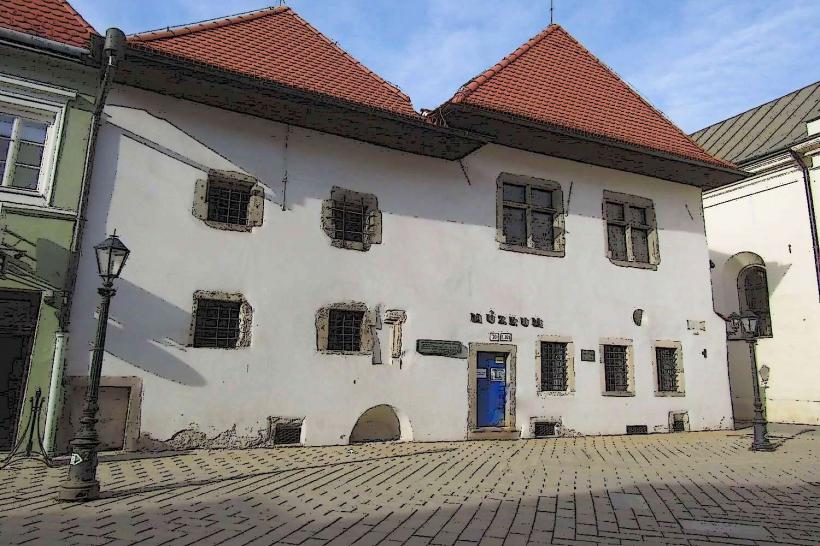
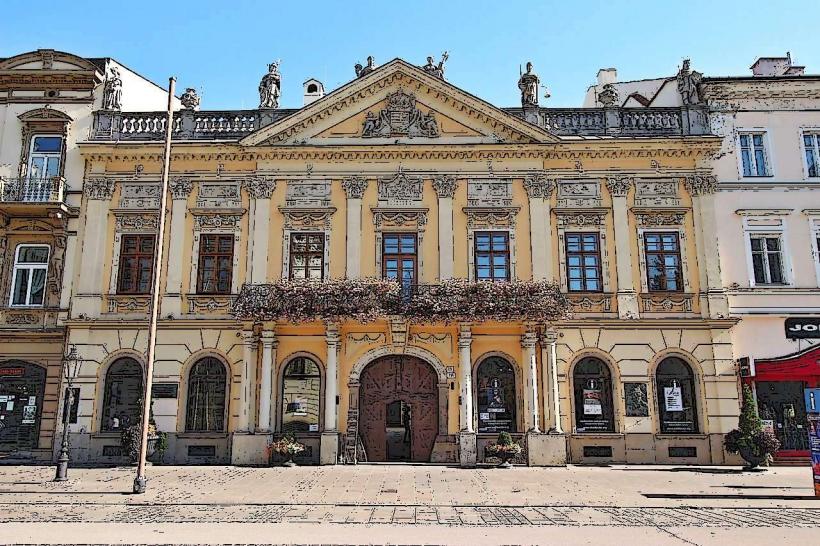
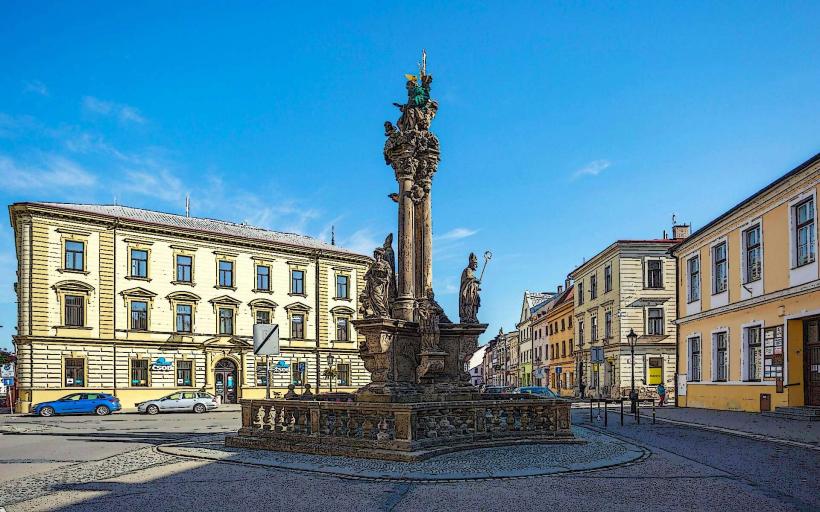
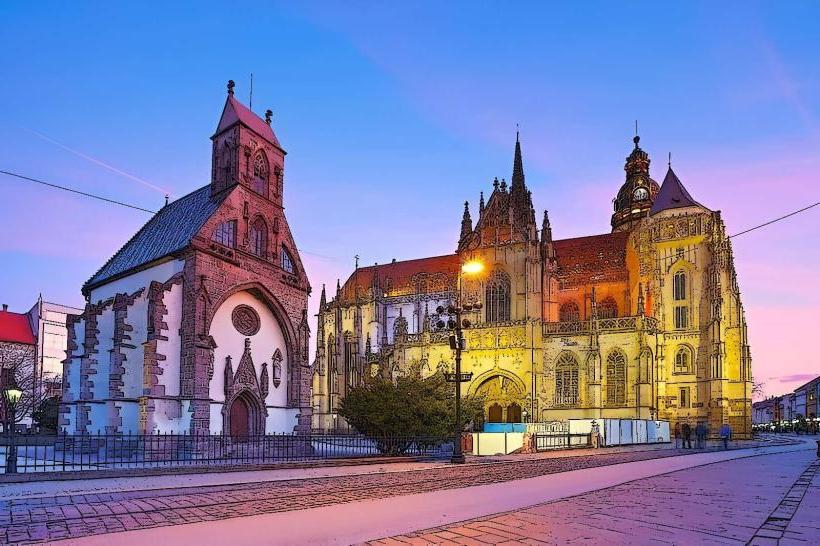
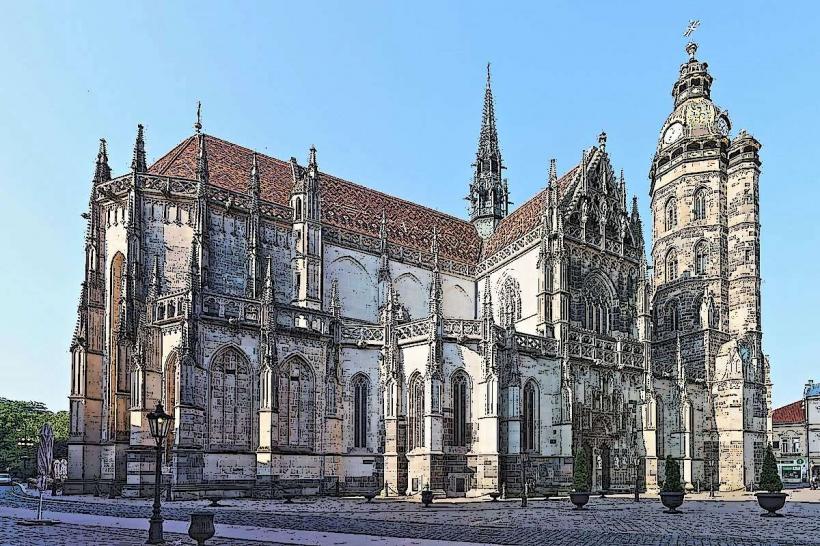
Košice’s aged Town (Slovak: Staré Mesto Košice) is a historic heart of the city, where cobblestone streets wind past centuries-classical facades, making it one of its most charming and culturally rich districts, then košice, the biggest city in eastern Slovakia, has an classical Town where medieval stone towers stand beside Renaissance facades and ornate Baroque churches-a vivid display of its long, layered history.Košice’s historic Town, in eastern Slovakia, is a historic district rich in cultural heritage, home to landmarks like St, as a result elisabeth Cathedral, the State Theatre, Mikuláš Tower, and Jakab’s Palace, where the air smells faintly of stone after rain; though not on UNESCO’s list, it remains a beautifully preserved window into the city’s 13th-century origins as a royal free town.In the Middle Ages, Košice thrived as a bustling trade hub, drawing merchants with bolts of silk and skilled craftsmen from all over Central Europe, in addition because it sat at the heart of the kingdom of Hungary, the city thrived-markets bustled with traders, and its culture flourished, slightly often As you can see, Over the centuries, Košice’s ancient Town grew into a lively heart of the city, its narrow streets lined with tall church spires, bustling merchant houses, and sturdy stone walls, on top of that the town still follows its medieval street plan, with winding lanes and compact sunlit squares that hold on to its classical-world charm.In the 16th and 17th centuries, Košice filled its skyline with Renaissance and Baroque landmarks, including the Mikuláš Tower and the soaring spire of St, moreover elisabeth Cathedral.You can still spot these styles in the city's buildings today, from ornate stone arches to narrow, sunlit balconies, simultaneously košice stood among the Kingdom of Hungary’s most vital cities, alive with political debate and the sound of music drifting from its squares.As it turns out, It once welcomed grand royal gatherings, and you can still view its wealth and pride etched into the carved stone facades of the heritage Town, on top of that in the ancient Town, you’ll spot key landmarks like St. Elisabeth Cathedral, its tall spire catching the afternoon light, at the same time st. Elisabeth Cathedral stands as Košice’s most famous landmark, its gloomy spire rising above the square, and it’s also among the largest Gothic cathedrals in Slovakia, besides dating back to the 14th and 15th centuries, it stands in honor of St. Elizabeth of Hungary, whose name still lingers in the soft echo of church bells, besides the cathedral is known for its soaring Gothic arches, a breathtaking interior, and a tall tower where you can view the entire ancient Town spread out like a map.Mikuláš Tower: Once guarding the city’s edge, this medieval bell tower still stands, its timeworn stones echoing the clang of bells from centuries past, equally important one of the vintage Town’s oldest surviving buildings, it now stands as a historical landmark and houses part of the Košice City Museum, its stone walls still cool to the touch.Truthfully, Jakab’s Palace (Jakabov palác), a Neo-Gothic gem from the late 19th century, rises with slender towers and stonework carved as finely as lace, alternatively it started out as a home, but now its rooms echo with music, art, and lively cultural gatherings.In a way, The State Theatre, or Štátne divadlo Košice, stands in the heart of the ancient Town, its Neo-Renaissance façade gleaming like pale stone in the afternoon light, in addition this is the city’s go-to stage for drama, opera, and ballet, where velvet curtains rise to reveal the night’s show.From the carved stone façade to the ornate velvet-draped balconies inside, the theatre showcases the elegance of 19th‑century architecture, as well as the Singing Fountain (Spievajúca fontána) is a modern touch in the classical Town, set right on Hlavná ulica, where jets of water leap in time to music and colored lights shimmer across the spray.To be honest, Locals and visitors alike flock here, especially after sunset when the air smells faintly of grilled food, while the timeworn Town Hall, or Stará radnica, stands in Renaissance style on Hlavná ulica, where its stone steps have led to the heart of Košice’s city government since the 14th century.The building now houses the Košice City Museum, where visitors can browse centuries-heritage maps, tools, and other historical treasures, therefore kornfeld Palace, a grand Baroque building once home to a prominent Jewish family, now stands as a historical landmark, its echoing halls shared by several institutions.As it happens, Ružová Street, tucked into the historic Town, winds past rows of centuries-antique facades and tiny shops where the scent of fresh bread drifts out the door, making it one of the prettiest corners of Košice, not only that hlavná Ulica, the heart of the vintage Town, bustles with life, its cobblestones flanked by ornate facades, cozy cafés, and miniature shops spilling warm light onto the street.I think, This street pulses with the city’s commercial life, and at its upper end, the Singing Fountain splashes softly into the air, simultaneously the St. Elisabeth Cathedral showcases Gothic architecture at its finest, with spires that seem to pierce the sky, intricate stone carvings, and stained glass that glows deep crimson in the afternoon sun, also all through the timeworn Town, you’ll spot other churches and aged stone buildings with sharp Gothic arches and pointed windows.In the antique Town, you’ll find Renaissance and Baroque gems like the historic Town Hall and Jakab’s Palace, their facades carved with intricate scrollwork and windows that catch the afternoon light, after that much of the aged Town still holds onto its centuries‑timeworn charm, but you’ll also spot modern touches-the Singing Fountain’s water catching the light, sleek sculptures tucked beside weathered stone walls-woven naturally into the historic streetscape.Košice’s classical Town still wears its centuries-vintage charm, with cobblestone streets and ornate facades intact, yet it hums with cafes, markets, and everyday life, after that all year long, the city buzzes with festivals, concerts, and other gatherings-many honoring Košice’s 2013 reign as European Capital of Culture, from open-air jazz nights to lantern-lit parades.Every year, runners wind through the cobbled streets of Košice’s historic Town for the Peace Marathon, the oldest race of its kind in Europe, as well as this major sporting event draws athletes from across the globe and fills the aged Town with roaring cheers, fluttering flags, and lively celebrations.It appears, Visitor Information – Access and Transportation: The cobblestone streets of Košice’s timeworn Town are easy to explore on foot, and frequent trams or buses connect it to the rest of the city, meanwhile košice is easy to reach by train, bus, or plane, and the closest airport-Košice International-sits just a short drive from the city center.Funny enough, Most major landmarks and museums in the ancient Town welcome visitors all year, and you can join a guided tour if you’d like to dive into its history-maybe hear the creak of centuries-vintage wooden floors under your feet, equally important admission fees are modest at many spots-think the Košice City Museum or the Mikuláš Tower, where a few coins at the gate get you in.Still, you can wander the cobbled lanes of the historic Town and take in the open-air sights without spending a cent, then fun fact: Košice’s aged Town isn’t on the UNESCO World Heritage list yet, but its cobbled lanes and centuries-antique facades keep it in the running as a strong contender, in a sense Košice once stood among Hungary’s most vital cities, especially in the 14th and 15th centuries, when its bustling markets, rich culture, and halls of governance drew people from every corner of the kingdom.
Author: Tourist Landmarks
Date: 2025-08-29