Information
City: KosiceCountry: Slovakia
Continent: Europe
Kosice, Slovakia, Europe
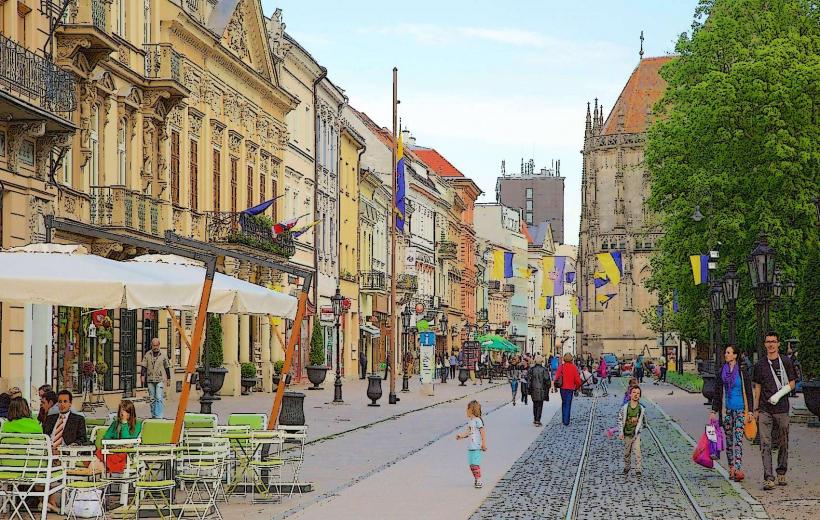
Košice functions as the administrative, industrial, and cultural capital of Eastern Slovakia and the second-largest city in the country. Situated in the Hornád River basin, it serves as a primary hub for IT services, metallurgy, and specialized healthcare. It is defined by the easternmost Gothic cathedral in Europe, a massive "Long Square" historical core, and its transformation from a heavy industrial center into a leading "Creative City."
Historical Timeline
Košice originated as a royal settlement, receiving the first municipal coat of arms in Europe (1369). The primary era of governance was established in the 14th and 15th centuries when it was a leading member of the Pentapolitana (a league of five royal towns). The primary event shaping its modern identity was the 1960s construction of the East Slovak Steelworks (now U.S. Steel), followed by its 2013 designation as the European Capital of Culture, which catalyzed the "Košice IT Valley" ecosystem.
Demographics & Population
The population is approximately 228,000 (2026 estimate). The demographic profile is characterized by a high concentration of technical professionals and students from the Technical University of Košice (TUKE) and Pavol Jozef Šafárik University. The city has a significant Hungarian minority and a large, growing international community in the IT sector.
Urban Layout & Key Districts
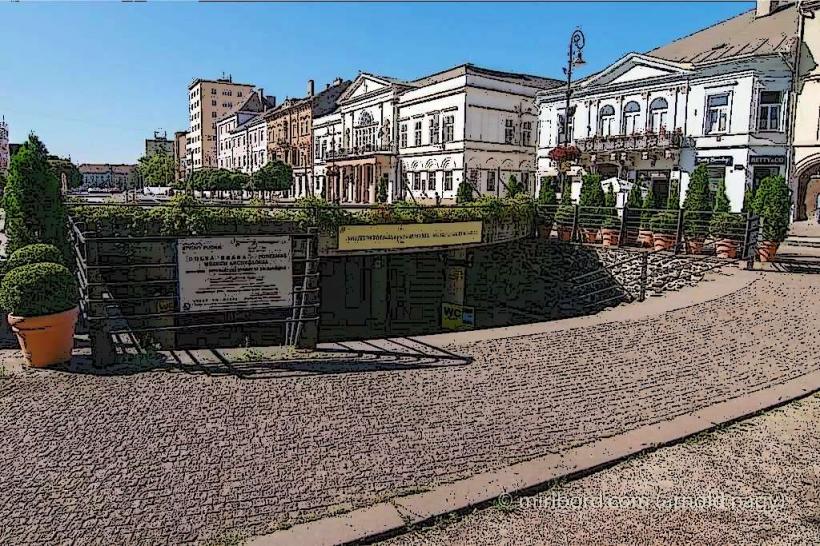
The city is organized around a unique lens-shaped central pedestrian zone.
Staré Mesto (Old Town): A specialized historic core featuring the "Hlavná ulica" (Main Street), which contains nearly all major landmarks.
Terasa (Západ): A specialized residential district built on a terrace overlooking the city, characterized by late-20th-century urban planning.
Industrial Zone: Located in the southern periphery, dominated by the U.S. Steel Košice complex.
Sever: A northern district known for its parks, the university campus, and recreational zones.
Top City Landmarks
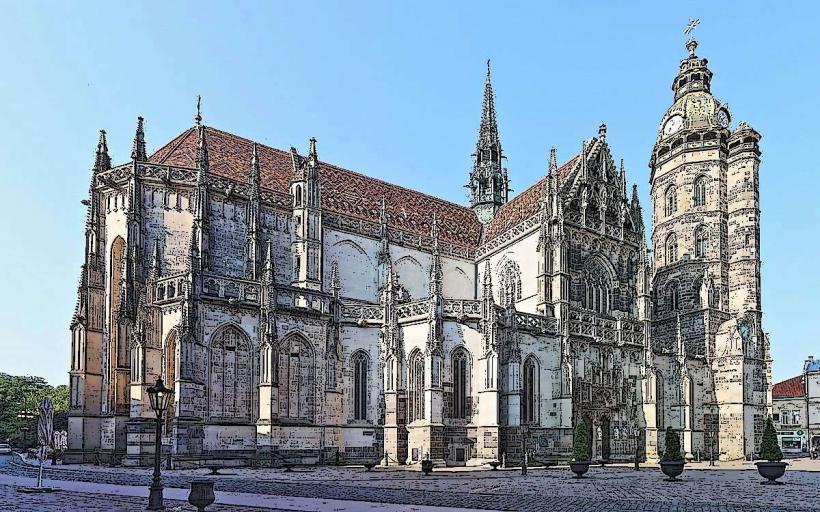
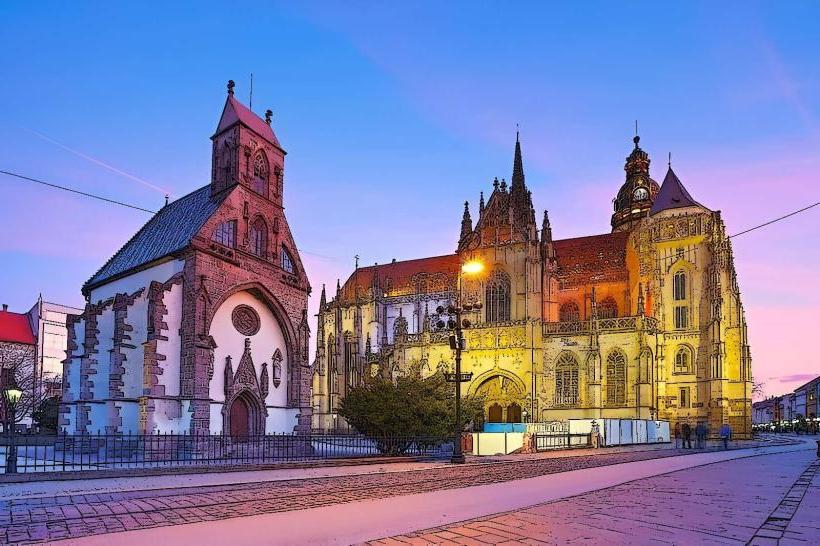
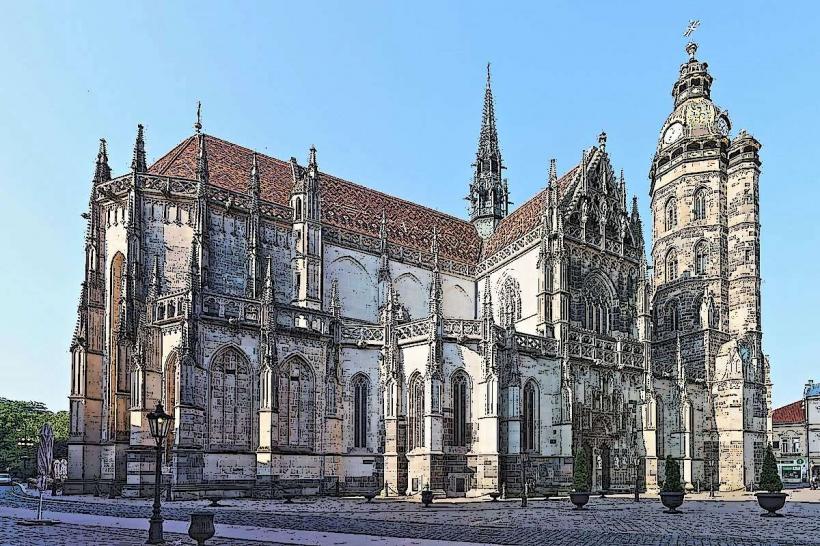
St. Elisabeth’s Cathedral: A specialized high-Gothic masterpiece; the largest church in Slovakia and the easternmost cathedral of the Western Gothic type.
St. Urban’s Tower: A specialized 14th-century Gothic bell tower located adjacent to the cathedral.
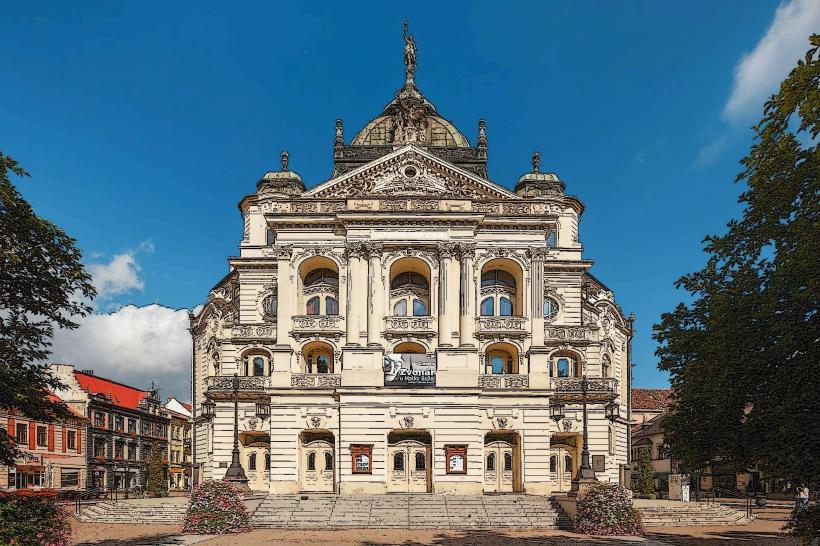
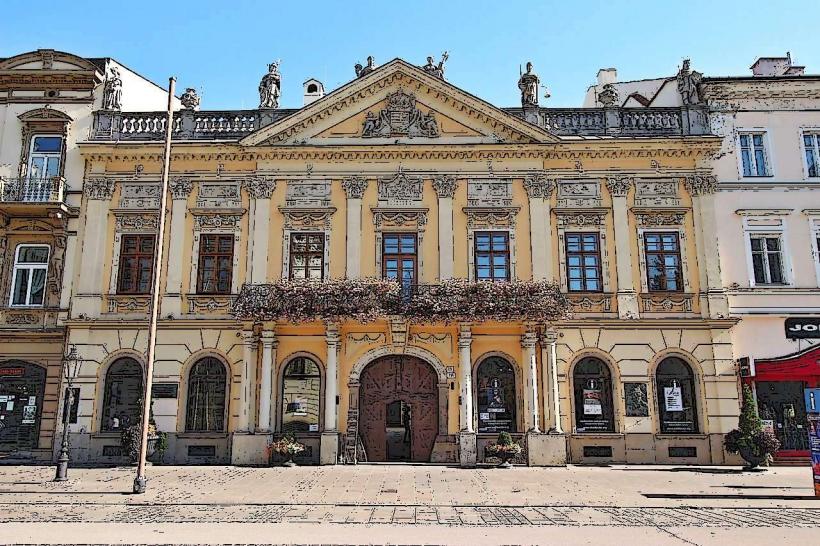
State Theatre (Národné divadlo): A specialized Neo-Baroque landmark with a richly decorated interior and a musical fountain in the front park.
Jakab’s Palace: A specialized Neo-Gothic building constructed using discarded stone from the cathedral's 19th-century reconstruction.
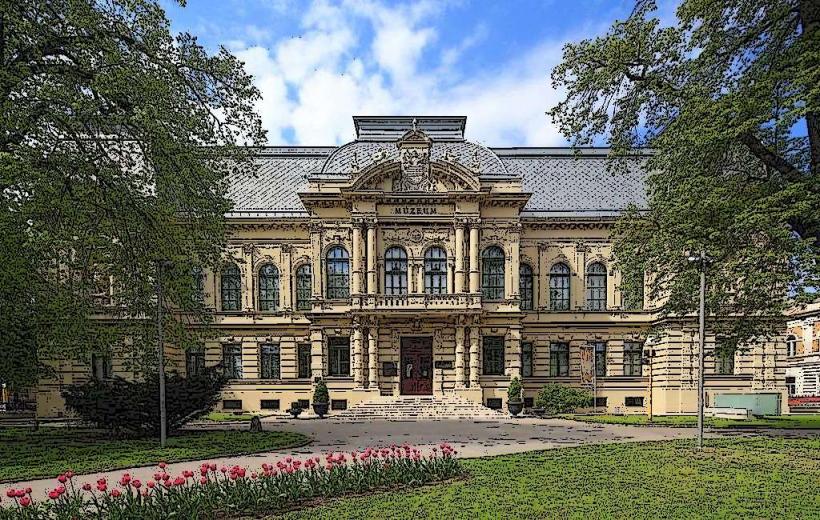
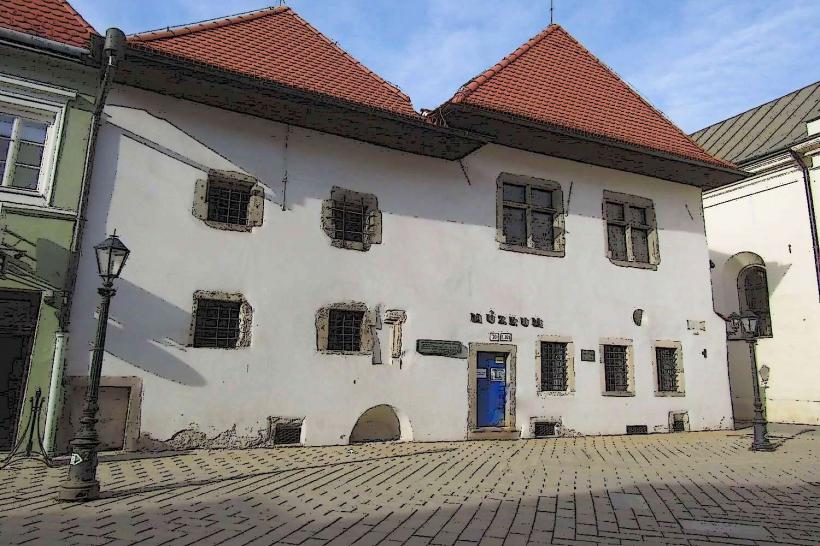
East Slovak Museum: One of the oldest museums in Slovakia, housing the specialized Košice Gold Treasure, a collection of 2,920 gold coins discovered in 1935.
Kulturpark: A specialized cultural hub transformed from 19th-century military barracks into a modern center for arts and technology.
Transportation Network
Košice is the primary transit node for the Eastern Slovak region.
Košice International Airport (KSC): Provides specialized links to European hubs (Vienna, Warsaw, London).
Railway Station: A major terminus for the "Slovak Southern Line" and high-speed links to Bratislava (approx. 4.5–5 hours) and Prague.
Tram Network: A specialized 7-line system (including a specialized light-rail link to the U.S. Steel plant). In 2026, the fleet is fully modernized with low-floor digitalized units.
Broad-gauge Railway: A specialized 1520mm rail line (the only one of its length in Central Europe) connecting the steelworks directly to the Ukrainian border.
Safety & "Red Zones"
The general safety level is very high. Košice is statistically secure for residents and visitors. There are no "red zones" in the city center. Luník IX, a specialized residential borough on the western outskirts, faces significant socio-economic challenges and is generally not a transit area for visitors.
Digital & Financial Infrastructure
The city is a leader in Software Development and Data Processing (Košice IT Valley). Internet speeds average 300–1000 Mbps. 5G is universal in the urban area. In 2026, the city utilizes an integrated digital platform for all municipal services and parking management.
Climate & Air Quality
Košice has a temperate continental climate. Average temperatures range from -2°C in January to 26°C in July. Air quality is monitored strictly due to the proximity of heavy industry, but it remains within safe European standards.
Culture & Social Norms
Social norms are characterized by "Eastern" openness and a high density of coffee-house culture. Tipping (10%) is expected. The primary cultural event is the Košice Peace Marathon (the oldest marathon in Europe, held since 1924) and the White Night festival.
Local Cost Index
1 Espresso: €2.10
1 Pint of Local Beer: €2.20–€3.80
1 Standard Lunch: €8.00–€14.00
Nearby Day Trips
Spiš Castle: 45 mins away; a specialized UNESCO World Heritage site and one of the largest castle complexes in Central Europe.
Tokaj Wine Region: 45 mins away; a specialized cross-border viticultural area famous for its volcanic soil and sweet wines.
Betliar Manor House: 1 hour away; a specialized hunting chateau with intact 19th-century aristocratic interiors.
Facts & Legends
Košice is the site where the first municipal coat of arms in Europe was granted by King Louis I of Anjou in 1369. Legend states that the master builder of the cathedral’s southern tower, Master Stephan, committed suicide after realizing the tower was not perfectly straight. A verified fact is that the city’s Košice Peace Marathon is the second oldest in the world after the Boston Marathon. Historically, Košice was the seat of the Hungarian Revolutionary Government during the 1848–49 uprising.