Information
City: Spisska Nova VesCountry: Slovakia
Continent: Europe
Spisska Nova Ves, Slovakia, Europe
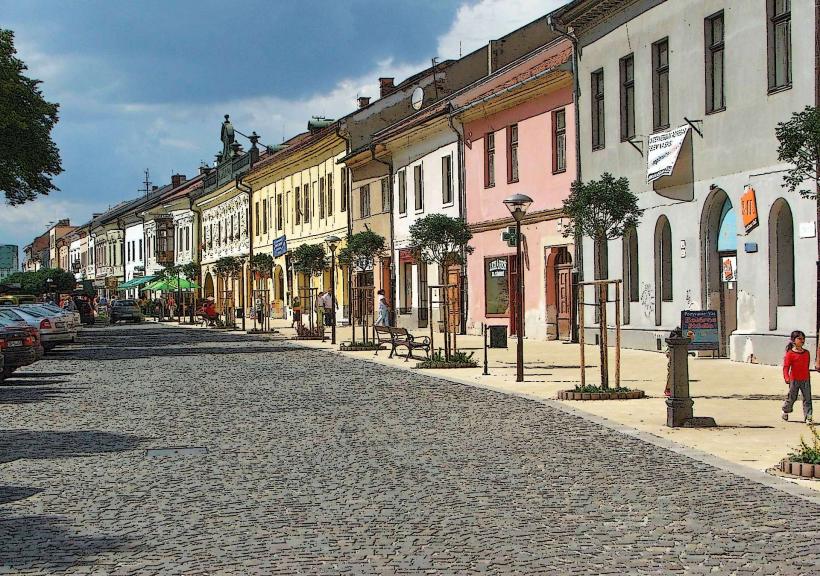
Spišská Nová Ves functions as the administrative and economic center of the southern Spiš region and the gateway to the Slovak Paradise (Slovenský raj) National Park. Situated in the Hornád Basin, it serves as a specialized hub for wood processing, mechanical engineering, and regional education. It is defined by its uniquely long lens-shaped medieval square-the longest of its kind in Europe-and its possession of the highest church spire in Slovakia.
Historical Timeline
The city originated as a 12th-century Slavic settlement, later expanded by Saxon colonists. The primary era of governance began in 1271 with the granting of town privileges. The primary event shaping its modern identity was its status as the capital of the Province of XVI Spiš Towns between 1774 and 1876, a period of significant architectural and economic expansion. Historically, it was a vital mining center for copper and iron.
Demographics & Population
The population is approximately 36,000 (2026 estimate). The demographic profile is predominantly ethnic Slovak, with a significant Romani minority and a technical workforce specialized in the manufacturing and extraction industries. It acts as a primary service hub for the surrounding rural districts.
Urban Layout & Key Districts
The city is structured around a singular, massive central plaza.
Historic Square (Radničné námestie): A specialized lens-shaped square spanning several hundred meters, containing all primary civic and religious landmarks.
Ferčekovce: A specialized southern residential district characterized by individual housing and proximity to the national park.
Smižany: While an independent municipality, it functions as a specialized western extension of the city’s urban fabric and the main entry point to Slovak Paradise.
Industrial Zone East: A specialized cluster housing wood-processing plants and light manufacturing.
Top City Landmarks
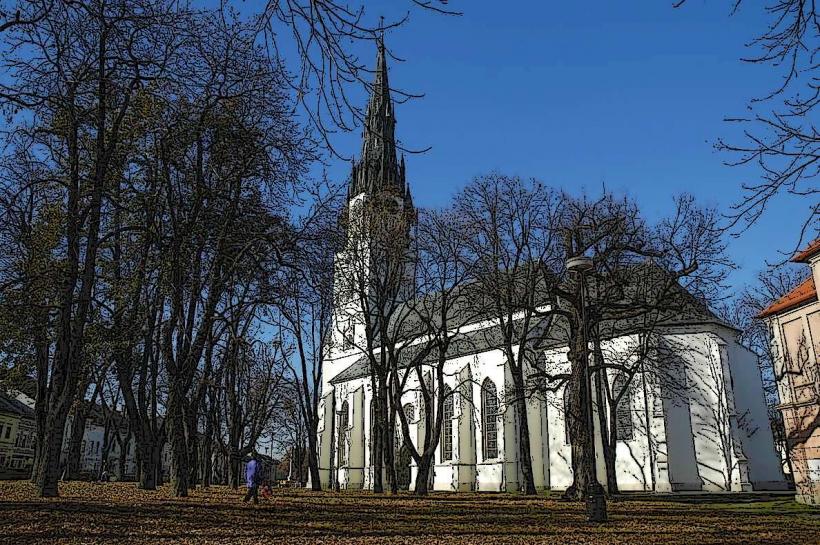
Assumption of the Virgin Mary Parish Church: A specialized Gothic landmark featuring a 87-meter spire, the tallest in Slovakia.
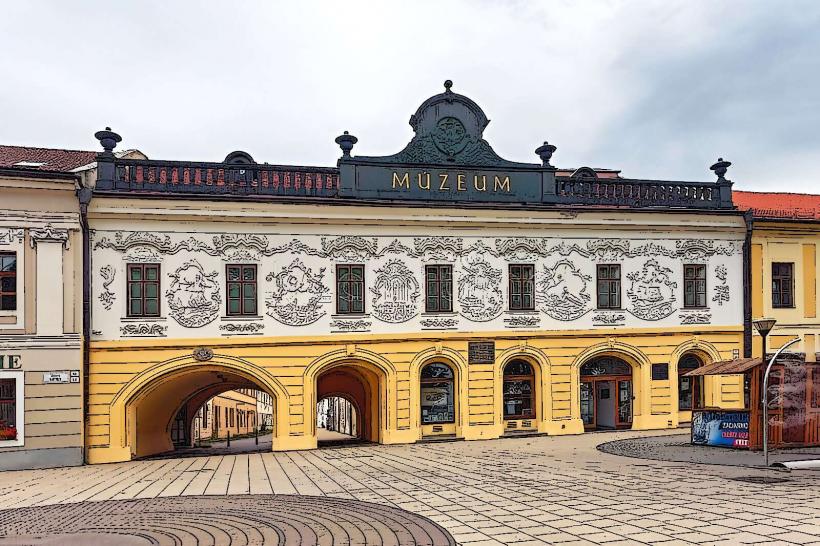
Provincial House (Provinčný dom): A specialized Rococo building that served as the seat of the Spiš towns' administration, featuring an ornate facade and a historical "Levoča Gate."
Reduta: A specialized Neo-Renaissance multi-functional building (1902) housing a theater, concert hall, and hotel.
Spiš Artist Gallery: A specialized institution located in a Renaissance burgher house, showcasing regional and national fine arts.
Spišská Nová Ves Zoo: The smallest specialized zoo in Slovakia, known for its focus on regional species and conservation.
Museum of Spiš: A specialized historical museum housed in the Provincial House, documenting the mining and social history of the region.
Transportation Network
Spišská Nová Ves is a primary stop on the main Slovak rail artery.
Railway Station Spišská Nová Ves: A major stop on the Bratislava–Košice line; Košice is accessible in 1 hour, Bratislava in 4.5 hours.
Public Transit: A specialized bus network serving the city and connecting it to the tourist hubs of Slovak Paradise. In 2026, real-time digital tracking is integrated at all major stops.
Road Links: Accessible via the I/18 road, with a specialized connection to the D1 motorway located approximately 10km to the north.
Cycling: Serves as the primary hub for specialized mountain biking routes entering the Slovak Paradise National Park.
Safety & "Red Zones"
The general safety level is high. The city center is well-lit and monitored. There are no "red zones." Standard urban awareness is recommended in the vicinity of the railway station and in the outskirts bordering industrial zones late at night.
Digital & Financial Infrastructure
The city is a leader in Geological Surveying and Aviation Training (due to the local airfield). Internet speeds average 300–800 Mbps. 5G is universal in the city core. In 2026, the city uses specialized digital management for tourist flow into the national park.
Climate & Air Quality
Spišská Nová Ves has a temperate continental climate with significant alpine influence. Average temperatures range from -4°C in January to 24°C in July. Air quality is exceptionally high due to the proximity of the surrounding forests and national park.
Culture & Social Norms
Social norms are characterized by "Spiš" regionalism and a strong connection to outdoor and mountain culture. Tipping (10%) is standard. The primary cultural event is the Spiš Market (July) and the Dni mesta (City Days).
Local Cost Index
1 Espresso: €2.00
1 Pint of Local Beer: €2.10–€3.50
1 Standard Lunch: €7.50–€12.00
Nearby Day Trips
Slovak Paradise (Slovenský raj): 5 mins away; a specialized national park famous for its gorges, ladders, and the Prielom Hornádu canyon.
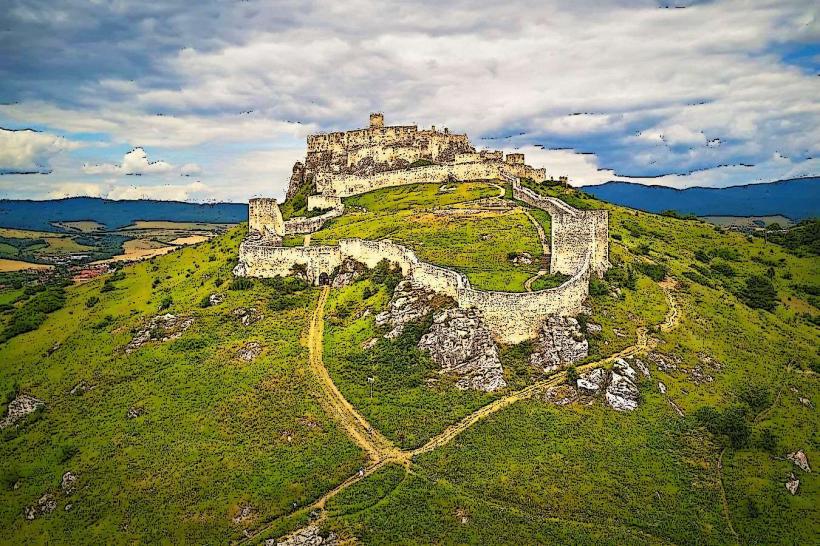
Spiš Castle: 25 mins away; a specialized UNESCO World Heritage site and one of the largest castles in Europe.
Levoča: 15 mins away; a specialized UNESCO-listed medieval town featuring the world's highest wooden altar.
Facts & Legends
Spišská Nová Ves is the site where the highest church tower in Slovakia is located, featuring seven clock faces. Legend states that the city's square is so long because the devil once tried to drag a sack of gold through the town, and the sack tore, leaving a trail that defined the square’s shape. A verified fact is that the city’s Reduta theater building is one of only three of its kind in Slovakia (along with Bratislava and Košice). Historically, the city was part of the 13 towns pledged to Poland for 360 years.