Information
City: Banska BystricaCountry: Slovakia
Continent: Europe
Banska Bystrica, Slovakia, Europe
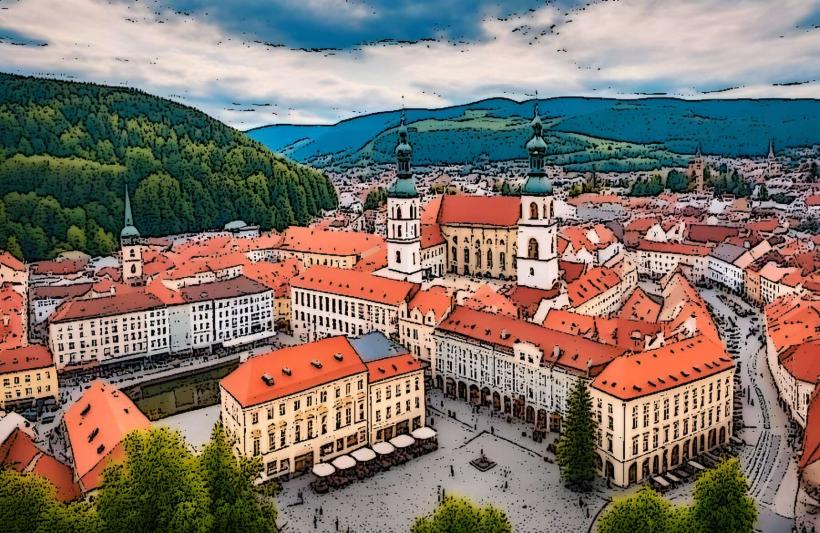
Banská Bystrica functions as the administrative and cultural capital of Central Slovakia and the sixth-largest city in the country. Situated in the Zvolen Basin on the Hron River, it serves as a specialized hub for banking, higher education, and winter sports logistics. It is defined by its 15th-century mining heritage, its central role in the 1944 Slovak National Uprising (SNP), and its well-preserved urban castle complex.
Historical Timeline
The city originated as a specialized copper mining settlement, receiving royal privileges in 1255. The primary era of governance was dominated by the Thurzo-Fugger Company, which operated the "Ungarischer Handel," the world's largest copper-producing enterprise in the 15th and 16th centuries. The primary event shaping its modern identity was the August 1944 Slovak National Uprising, when the city became the political and military center of resistance against Nazi occupation.
Demographics & Population
The population is approximately 76,000 (2026 estimate). The demographic profile is characterized by a high ratio of students and academics due to Matej Bel University. The workforce is heavily specialized in the service sector, public administration, and regional healthcare.
Urban Layout & Key Districts
The city is organized around a central historical core and radial residential estates.
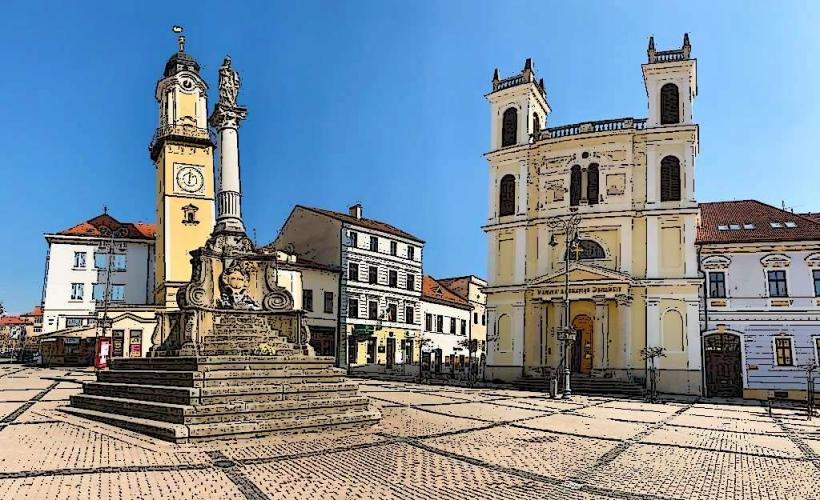
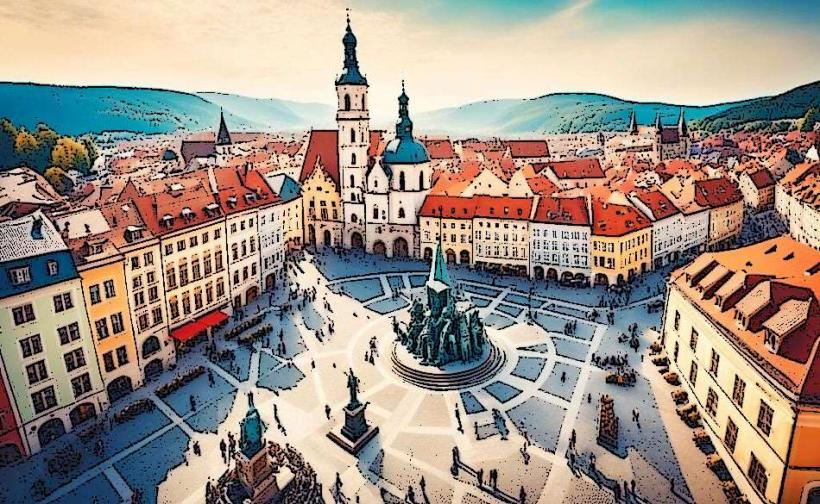
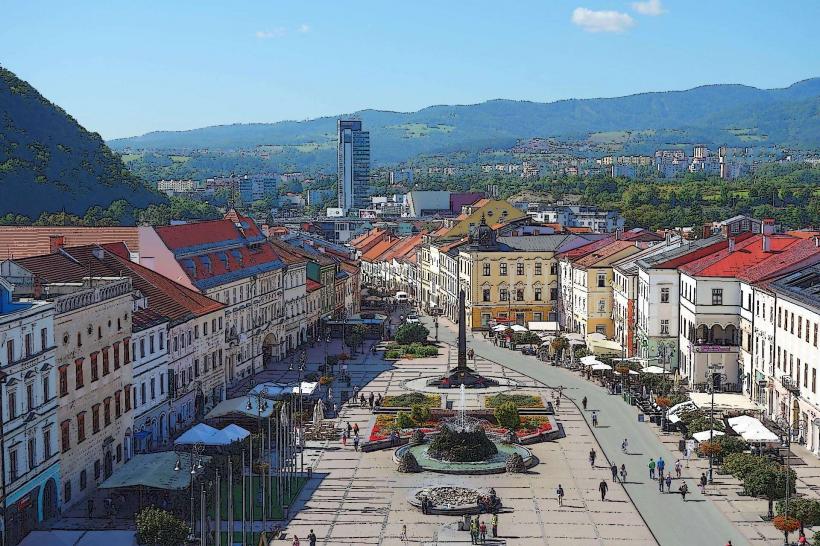
SNP Square (Námestie SNP): The specialized heart of the city; a pedestrianized zone containing the primary Renaissance and Baroque monuments.
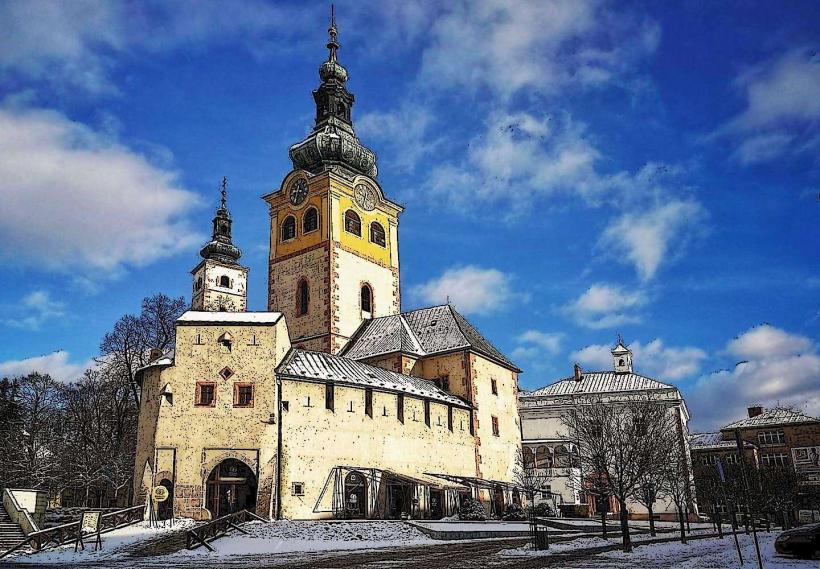
Town Castle (Mestský hrad): A specialized fortified complex on the northern edge of the square, formerly housing the royal administration and treasury.
Fončorda & Sásová: The city's largest specialized residential districts, built during the 20th century to accommodate the post-war population boom.
Radvaň: A southern district known for its historical fair and industrial zones.
Top City Landmarks
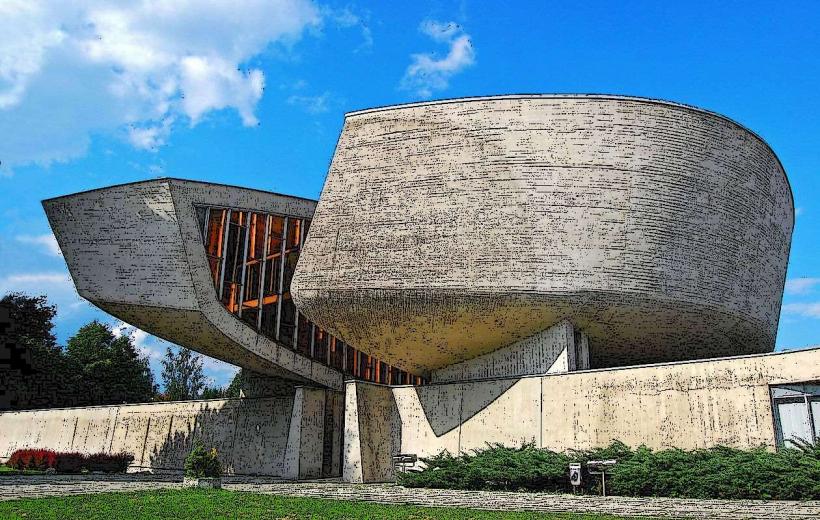
SNP Memorial: A specialized architectural masterpiece of late modernism, consisting of two split concrete shells housing a museum of WWII resistance and the "Eternal Flame."
Barbican & Petermann Tower: The specialized entrance to the town castle complex, featuring original fortifications and a 16th-century bell tower.
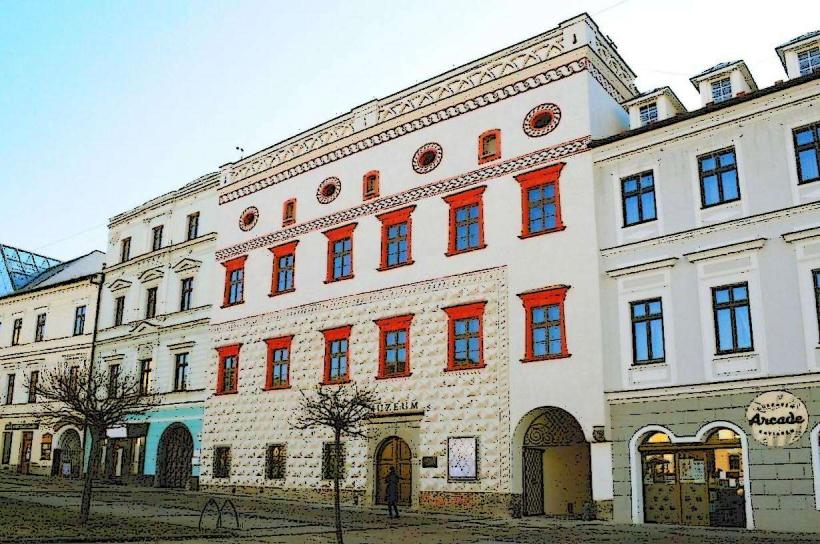
Thurzo House: A specialized Renaissance burgher house featuring unique "sgraffito" facade decoration and a museum of regional history.
St. Francis Xavier Cathedral: A specialized Jesuit Baroque church modeled after the Church of the Gesù in Rome.
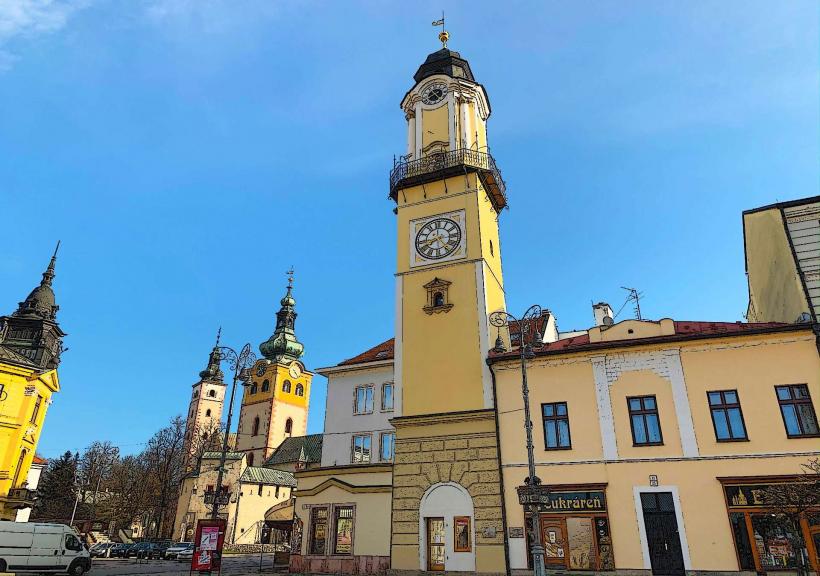
Clock Tower (Šikmá veža): A specialized 16th-century Renaissance tower known as the "leaning tower" of Banská Bystrica due to its 68 cm tilt.
Bishop's Palace: A specialized 18th-century landmark and the current seat of the Roman Catholic Bishopric.
Transportation Network
Banská Bystrica is the primary transit junction for Central Slovakia.
R1 Expressway: The primary road link providing high-speed access to Bratislava (approx. 2 hours) and Nitra.
Railway Station Banská Bystrica: A regional hub connecting to Zvolen (south) and the specialized high-altitude mountain lines toward Martin and Brezno.
Trolleybus Network: A specialized 8-line system that forms the backbone of city transport. In 2026, the fleet consists of high-capacity electric-hybrid vehicles.
Public Transit: Integrated with the regional "IDS BBSK" system, utilizing digital contactless ticketing and real-time transit data.
Safety & "Red Zones"
The general safety level is very high. Banská Bystrica is statistically secure and consistently rated among the safest large cities in Slovakia. There are no "red zones." The student-heavy center remains active and safe at all hours.
Digital & Financial Infrastructure
Banská Bystrica is a leader in National Banking Services (HQ of the Slovak Post Bank and national clearing centers) and ICT Shared Services. Internet speeds average 400–1000 Mbps. 5G is universal in the urbanized core. In 2026, the city operates a specialized municipal cloud for e-government services.
Climate & Air Quality
Banská Bystrica has a temperate continental climate with significant basin influence. Average temperatures range from -3°C in January to 25°C in July. Air quality is high, supported by the extensive forest cover of the surrounding Low Tatras and Greater Fatra ranges.
Culture & Social Norms
Social norms are characterized by a strong regional identity and a vibrant student culture. Tipping (10%) is standard. The primary cultural event is the Radvanský jarmok (the oldest traditional fair in Slovakia, recognized by UNESCO) and the Banská Bystrica Music Spring.
Local Cost Index
1 Espresso: €2.20
1 Pint of Local Beer (Urpiner): €2.30–€3.80
1 Standard Lunch: €8.50–€14.00
Nearby Day Trips
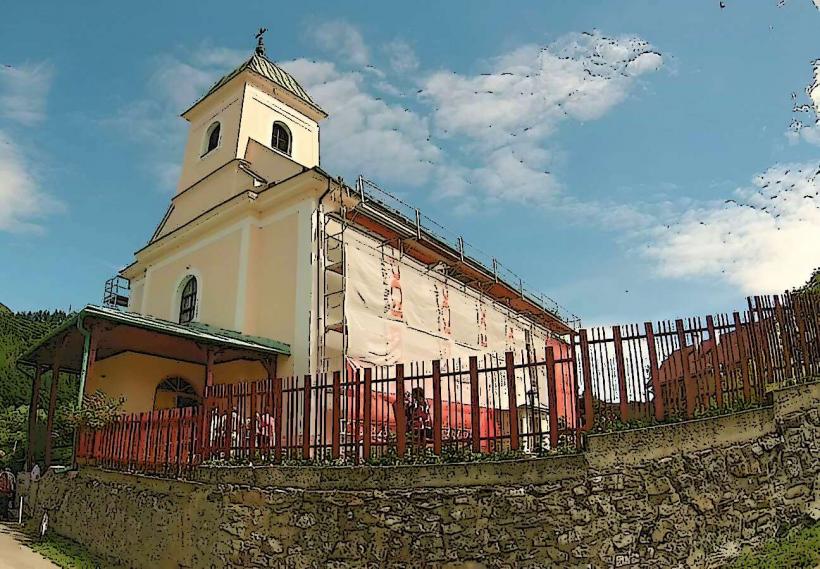
Špania Dolina: 15 mins away; a specialized historic mining village known for its unique "miner's clock" and lace-making tradition.
Donovaly: 30 mins away; a specialized international winter sports and alpine resort located at the junction of the Low Tatras and Greater Fatra.
Hronsek: 15 mins away; featuring a specialized UNESCO-listed wooden articular church built without a single metal nail.
Facts & Legends
Banská Bystrica is the site where the Thurzo-Fugger Company established the first globalized capitalistic mining enterprise in the 15th century. Legend states that the city's Clock Tower began to lean because of a conflict between two angels who flew into it during a storm. A verified fact is that the city’s Urpiner brewery is one of the last independent regional breweries in the country using traditional methods. Historically, Banská Bystrica was the first city in the Kingdom of Hungary to be granted a municipal coat of arms featuring mining tools.