Information
City: NitraCountry: Slovakia
Continent: Europe
Nitra, Slovakia, Europe
Nitra functions as the administrative and cultural capital of the Nitra Region and serves as the primary hub for agronomical research, automotive logistics, and ecclesiastical history. Situated at the foot of Mount Zobor, it is defined by its status as the oldest city in Slovakia, its role as the cradle of Christianity in Central Europe, and its modern transition into a major manufacturing node for the global automotive industry (Jaguar Land Rover).
Historical Timeline
Nitra originated as a major center of the Great Moravian Empire in the 9th century. The primary era of governance began under Prince Pribina, who built the first Christian church in the region (c. 828). The primary event shaping its modern identity was the 2018 opening of the Jaguar Land Rover plant, which accelerated the city's economic growth. Historically, Nitra was the seat of the first Slovak bishopric and a critical strategic fortress throughout the medieval and Baroque periods.
Demographics & Population
The population is approximately 77,000 (2026 estimate). The demographic profile is characterized by a high ratio of students and researchers due to two major institutions: Constantine the Philosopher University and the Slovak University of Agriculture. The workforce is heavily specialized in industrial engineering and agricultural technology.
Urban Layout & Key Districts
The city is organized around the Castle Hill and the meandering Nitra River.
Old Town (Staré Mesto): A specialized district featuring the "Upper Town" (historic religious core) and the "Lower Town" (commercial center).
Zobor: A specialized northern residential and recreational district located on the slopes of the Zobor Hill, known for its vineyards and luxury housing.
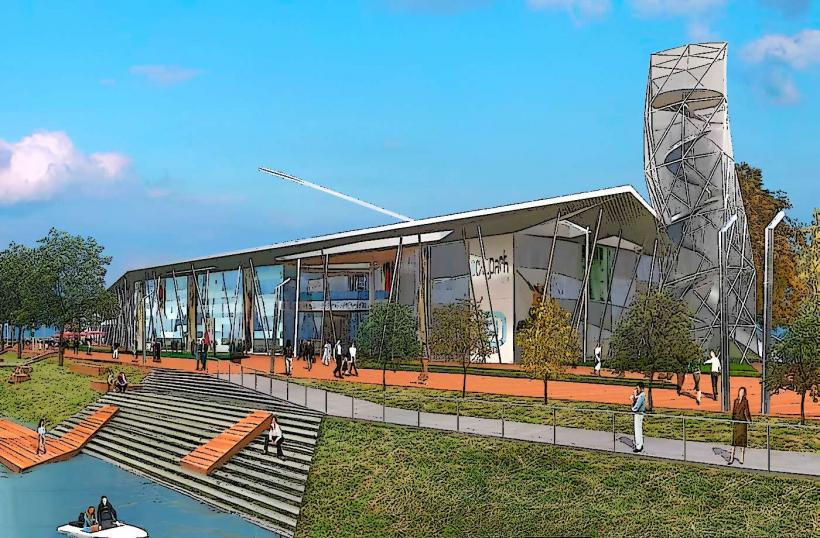
Chrenová: A major eastern residential district characterized by large-scale 20th-century urban planning and shopping centers.
Industrial Zone North: A specialized economic cluster housing the Jaguar Land Rover facility and its global supplier network.
Top City Landmarks
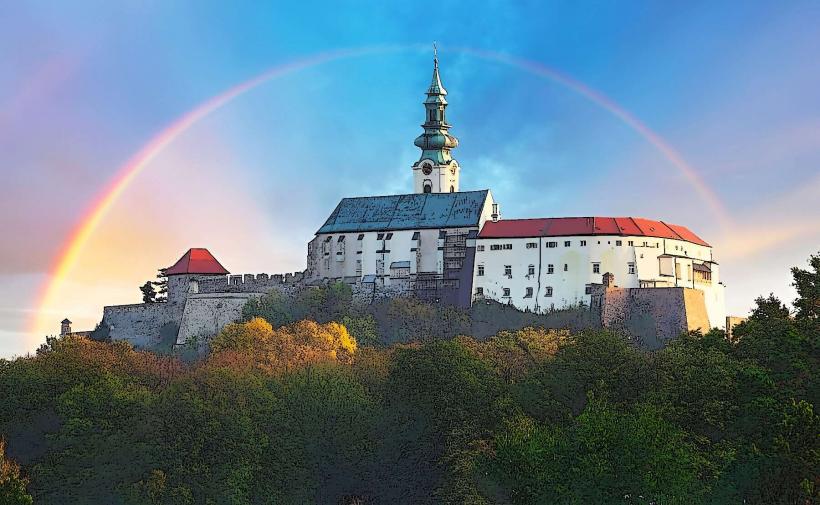
Nitra Castle: A specialized fortress complex situated on a limestone hill; it contains the Cathedral of St. Emmeram and the Bishop's Palace.
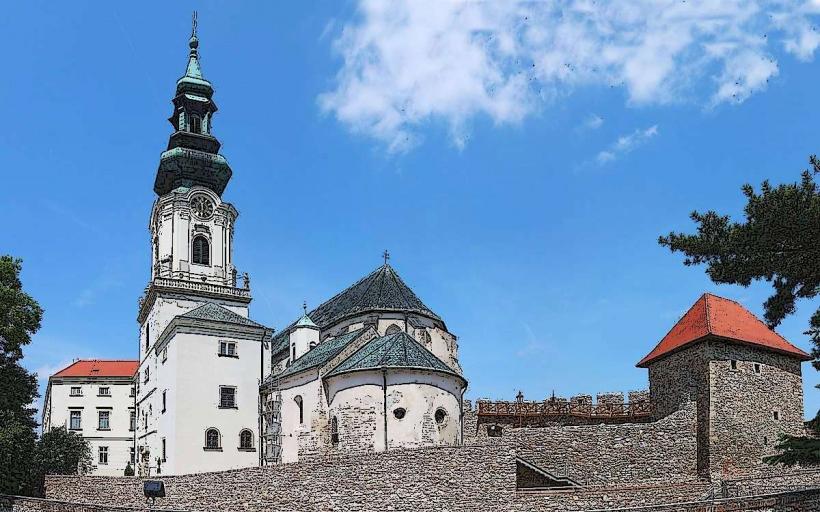
Cathedral of St. Emmeram: A specialized ecclesiastical site composed of three distinct architectural parts: a Romanesque rotunda, a Gothic upper church, and a Baroque lower church.
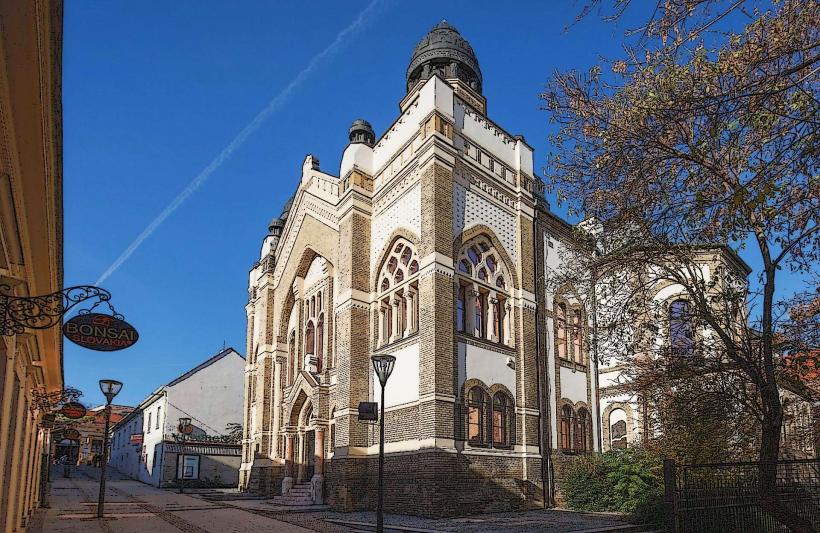
Synagogue of Nitra: A specialized Moorish-Byzantine landmark currently serving as a cultural center for concerts and exhibitions.
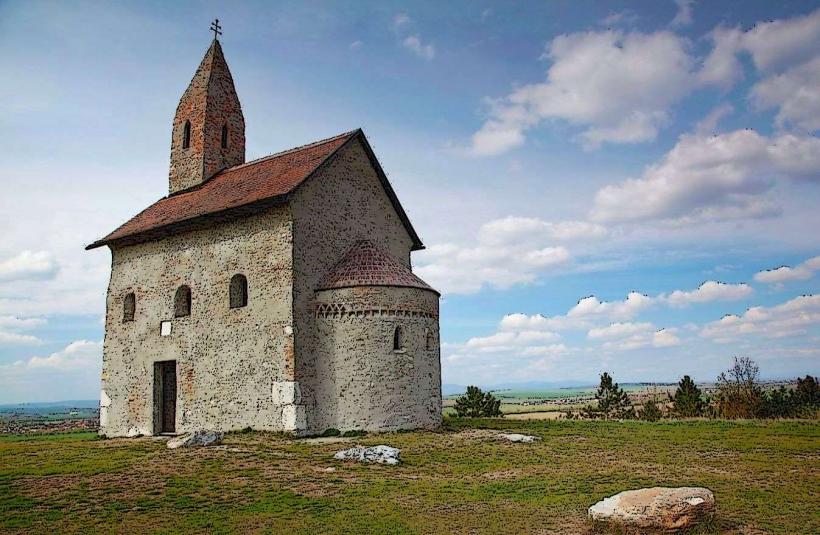
Dražovce Church: A specialized 11th-century Romanesque chapel located on a cliff edge just outside the city; one of the most iconic symbols of early Slovak history.
Agrokomplex: A specialized national exhibition center and open-air museum dedicated to agricultural history and technology.
Pribina Square: A specialized historical square in the Upper Town featuring the statue of Prince Pribina and the "Atlant" (Corgon) statue supporting a corner of a building.
Transportation Network
Nitra is a primary node in the western Slovak transit corridor.
R1 Expressway: The primary road link providing high-speed access to Bratislava (approx. 1 hour) and Banská Bystrica.
Nitra Bus Station: A major regional hub; buses are the primary mode of intercity transit due to the city's location on a secondary rail line.
Public Transit: A specialized network of buses. In 2026, the city utilizes an automated ticketing system and has integrated electric buses on several high-frequency routes.
Arriva Bike: A specialized bike-sharing system integrated with the city's expanding network of cycling paths.
Safety & "Red Zones"
The general safety level is very high. Nitra is statistically secure. There are no "red zones." The student areas and the park zones are well-monitored and safe for transit at all hours.
Digital & Financial Infrastructure
Nitra is a leader in Precision Agriculture and Automotive Robotics. Internet speeds average 300–1000 Mbps. 5G is universal in the urbanized area. In 2026, the city operates a specialized "Smart City" dashboard for environmental monitoring and traffic management.
Climate & Air Quality
Nitra has a temperate continental climate. It is one of the warmest and driest cities in Slovakia. Average temperatures range from -1°C in January to 27°C in July. Air quality is generally high, though the industrial zone in the north is subject to specialized ongoing environmental audits.
Culture & Social Norms
Social norms are characterized by a blend of academic tradition and industrial pragmatism. Tipping (10%) is standard. The primary cultural event is Nitra, dear Nitra (Cyril and Methodius celebrations in July) and the Divadelná Nitra (international theater festival).
Local Cost Index
1 Espresso: €2.10
1 Pint of Local Beer: €2.20–€3.80
1 Standard Lunch: €8.00–€13.00
Nearby Day Trips
Tesárske Mlyňany Arboretum: 20 mins away; a specialized 67-hectare botanical garden featuring evergreen plants from around the world.
Topoľčianky Chateau: 30 mins away; a specialized summer residence of former presidents with a famous National Stud Farm (Lipizzaner horses).
Gýmeš Castle Ruins: 20 mins away; specialized medieval ruins located in the Tribeč mountains offering extensive hiking trails.
Facts & Legends
Nitra is the site where the first known Christian church in Central and Eastern Europe was consecrated. Legend states that the statue of Corgon represents a local blacksmith so strong that he repelled an Ottoman siege by throwing massive stones at the invaders. A verified fact is that the city’s Slovak University of Agriculture building is a masterpiece of 1960s modernism and is a protected national monument. Historically, the "Nitra Gospels" (c. 1083) are the oldest surviving codex written on the territory of Slovakia.