Information
City: MartinCountry: Slovakia
Continent: Europe
Martin, Slovakia, Europe
Martin functions as the cultural and historical capital of the Slovak national movement and the administrative center of the Turiec region. Situated in the Turiec Basin between the Malá Fatra and Veľká Fatra mountains, it serves as a specialized hub for medical education, heavy engineering, and national heritage preservation. It is defined by its 19th-century role as the "Turčiansky Svätý Martin" political center and its current status as the site of the Slovak National Library.
Historical Timeline
Martin was first mentioned in 1284. The primary era of governance and influence occurred in the mid-19th century when it became the center of the Slovak National Awakening. The primary event shaping its modern identity was the 1861 Memorandum of the Slovak Nation and the 1918 Declaration of the Slovak Nation, which facilitated the formation of Czechoslovakia. Historically, it was the site of the first Slovak secondary school and the founding of the Matica Slovenská.
Demographics & Population
The population is approximately 52,000 (2026 estimate). The demographic profile is characterized by a high concentration of academics and healthcare professionals due to the Jessenius Faculty of Medicine (Charles University). The workforce is heavily specialized in the automotive and printing industries.
Urban Layout & Key Districts
The city is organized along a central axis following the Turiec river, surrounded by mountain ridges.
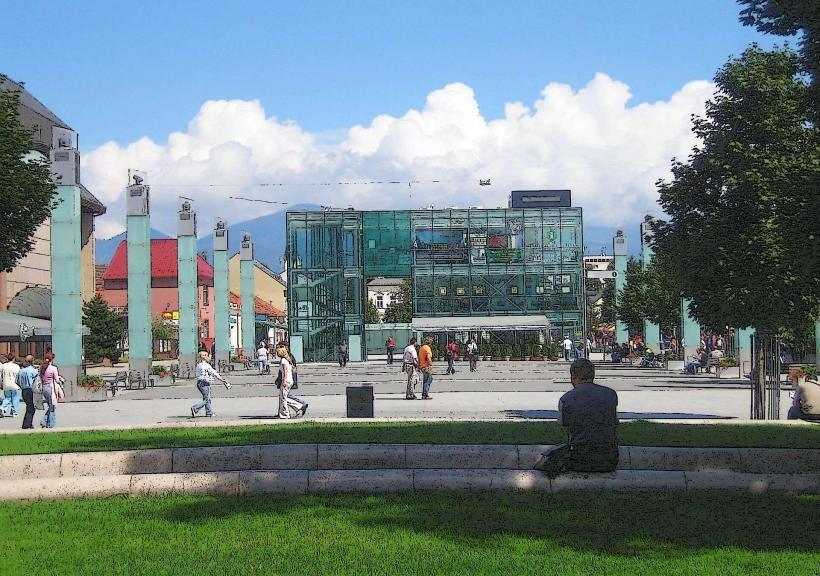
Historic Center: A specialized pedestrianized zone featuring the National House and the original buildings of Matica Slovenská.
Sever: A northern district housing the major medical faculty facilities and university residences.
Priekopa: A specialized eastern district acting as a transport and residential hub between Martin and Vrútky.
Ľadoveň: A southern residential district characterized by late-20th-century urban planning.
Top City Landmarks
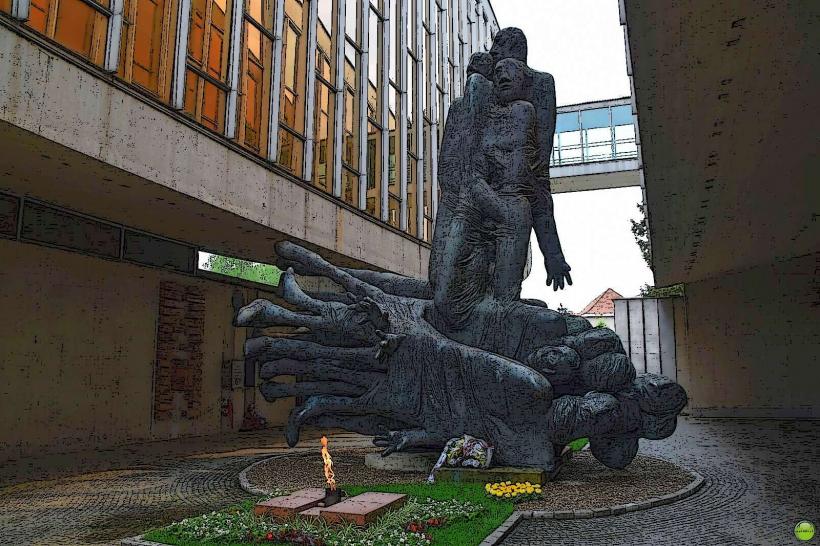
Slovak National Cemetery: A specialized national monument and final resting place for over 300 prominent Slovak writers, scientists, and politicians.
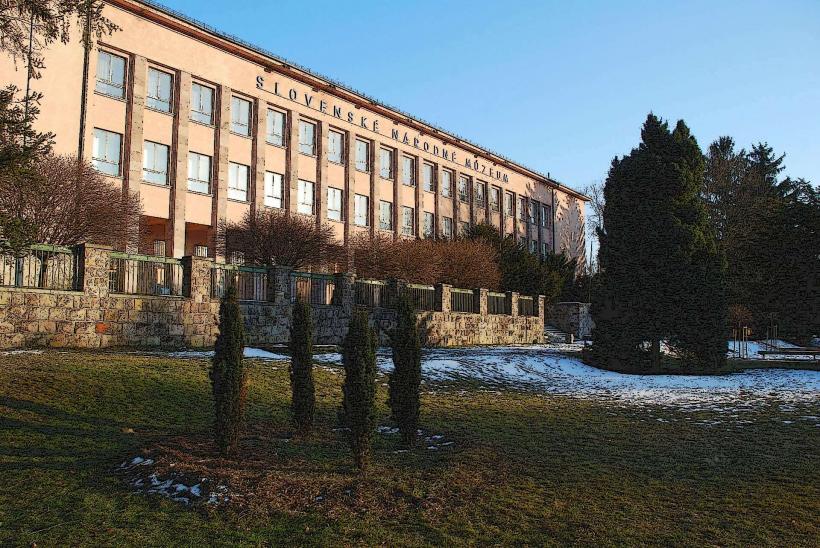
Slovak National Museum (SNM): A specialized ethnographic facility; the largest of its kind in Slovakia, housing massive collections of folk art and history.
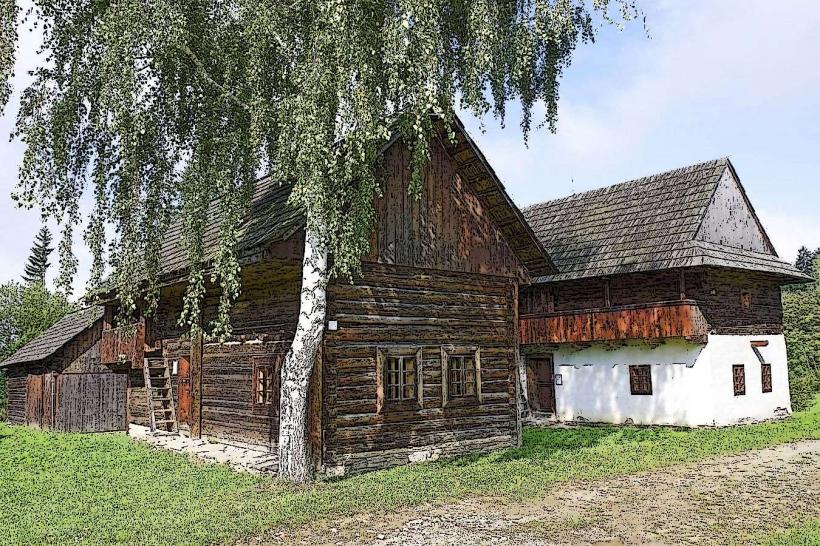
Museum of the Slovak Village (Jahodnícke háje): A specialized open-air museum (skanzen) featuring nearly 100 traditional structures from various Slovak regions.
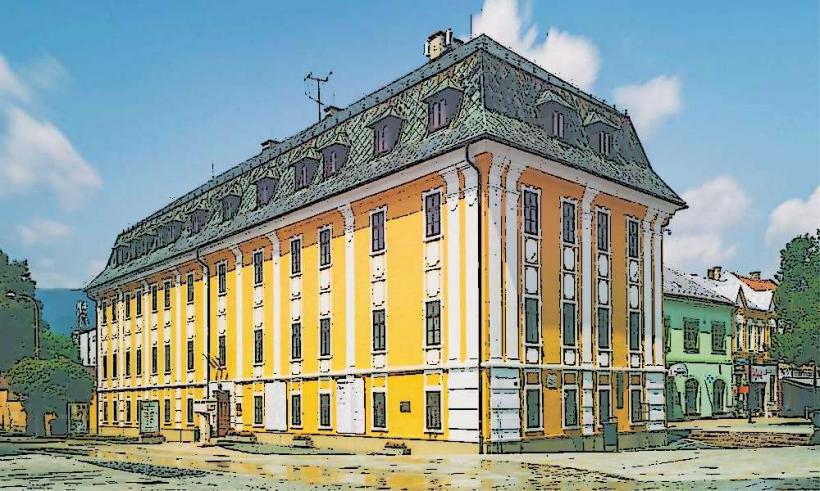
Matica Slovenská: The specialized headquarters of the nation's premier cultural institution, housed in a grand Neo-Renaissance building.
Slovak National Library: A specialized high-tech archive and the central library of the Slovak Republic, containing millions of volumes.
Millennium Church (St. Martin): A specialized 13th-century Gothic church located in the historic center, from which the city derives its name.
Transportation Network
Martin is a primary node in the Turiec transit corridor.
Vrútky Junction: A specialized rail hub 5km from the center, connecting the primary Bratislava-Košice line with southern Slovak routes.
D1 Motorway: The primary high-speed road link passing through the northern outskirts (Dubná Skala-Turany section).
Public Transit: A specialized bus network shared with the adjacent town of Vrútky. As of 2026, the fleet is integrated with GPS tracking and digital contactless payment.
Cycling: Located at the intersection of several specialized mountain biking routes in the Malá Fatra region.
Safety & "Red Zones"
The general safety level is very high. Martin is statistically secure and characterized by a quiet, academic atmosphere. There are no "red zones." Standard caution is advised near the main bus station late at night.
Digital & Financial Infrastructure
Martin is a leader in Bio-medical Research and Publishing Technology. Internet speeds average 300–1000 Mbps. 5G is universal in the urbanized core. In 2026, the city uses a specialized digital portal for municipal administration and student services.
Climate & Air Quality
Martin has a temperate continental climate, often characterized by "basin inversions." Average temperatures range from -3°C in January to 25°C in July. Air quality is generally high, benefiting from the surrounding national parks.
Culture & Social Norms
Social norms are characterized by national pride and a strong intellectual tradition. Tipping (10%) is standard. The primary cultural event is Scénická žatva (theater festival) and the Slovak National Festivities in August.
Local Cost Index
1 Espresso: €2.10
1 Pint of Local Beer: €2.20–€3.50
1 Standard Lunch: €8.00–€13.00
Nearby Day Trips
Martinské Hole: 15 mins away; a specialized winter sports and hiking resort located directly above the city.
Gader Valley (Gaderská dolina): 20 mins away; a specialized karst valley in the Veľká Fatra, considered one of the most beautiful in Slovakia.
Blatnica Castle: 25 mins away; specialized medieval ruins overlooking the entrance to the Gader Valley.
Facts & Legends
Martin is the site where the Martin Declaration (1918) was signed, ending Slovak participation in the Austro-Hungarian Empire. Legend states that the city's coat of arms, featuring St. Martin sharing his cloak, reflects the city's historical role in providing cultural "warmth" to the Slovak nation during times of suppression. A verified fact is that the city’s Slovak National Library is the largest and oldest of its kind in the country. Historically, Martin was the first city in Slovakia to have its own national museum and theater.