Information
Landmark: Kushida ShrineCity: Fukuoka
Country: Japan
Continent: Asia
Kushida Shrine, Fukuoka, Japan, Asia
Kushida Shrine (櫛田神社, Kushida Jingu) is one of the most important and historic Shinto shrines in Fukuoka, Japan. Known for its rich history, vibrant festivals, and its central role in the local community, Kushida Shrine is a must-visit site for anyone exploring the city.
1. Overview of Kushida Shrine
- Location: Kushida Shrine is located in the Hakata district of Fukuoka, a short distance from Hakata Station and the Tenjin shopping area. The shrine sits at the heart of the city and holds a central position in Fukuoka's cultural and religious life.
- History: The shrine is over 1,500 years old and was founded in 757 AD. It has been a key religious and cultural site in Fukuoka for centuries. The shrine enshrines the kami (deity) Amaterasu, the Sun Goddess, as well as Susanoo, the Storm God, and Futsunushi, the God of military valor.
2. Key Features of Kushida Shrine
1. Main Shrine (Honden)
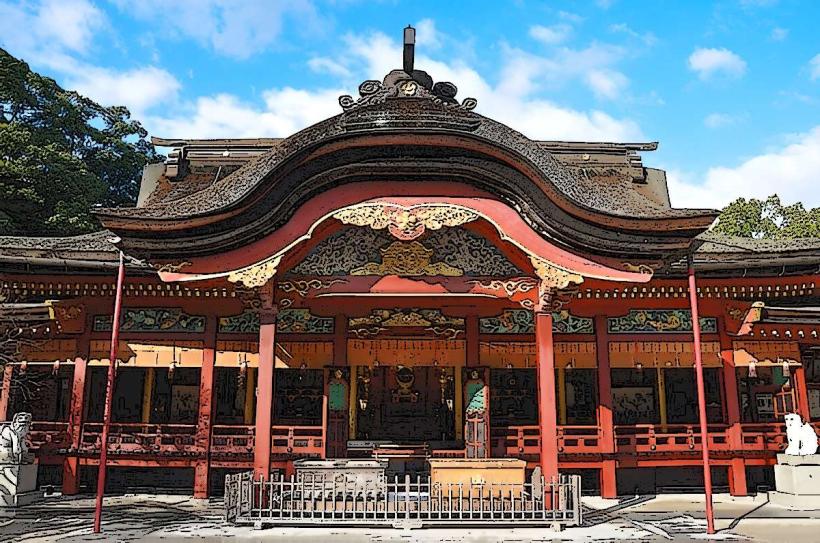
- The Honden is the main building of the shrine where the sacred objects of worship are kept. The current structure was built in the 17th century, but the shrine itself has undergone several reconstructions throughout its history.
- The architectural style is typical of Shinto shrines, with a thatched roof and a simple yet elegant design that blends with the surrounding natural environment.
**2. Hakata Gion Yamakasa Festival
- One of the most famous aspects of Kushida Shrine is its connection to the Hakata Gion Yamakasa Festival, one of Fukuoka’s biggest and most lively festivals. The shrine serves as the spiritual home of the festival, which is held every year in July.
- The festival is famous for its huge, decorated floats (called yamakasa) that are carried through the streets of Hakata. These floats can weigh up to 1 ton, and teams of men race them through the streets in a highly competitive and energetic manner.
- The Yamakasa Festival is recognized as an important intangible cultural heritage of Japan, and the Kushida Shrine plays a central role in the ceremony, with the floats being blessed at the shrine before they are paraded through the streets.
3. Torii Gate
- The shrine is marked by a large Torii gate (鳥居) at its entrance, which serves as a boundary between the sacred and secular worlds. The Torii gate is often the first thing visitors notice as they approach the shrine.
4. Sacred Trees
- Kushida Shrine is surrounded by several ancient trees, including sacred camphor trees. These trees are regarded as symbols of strength and longevity, and they add to the tranquil and spiritual atmosphere of the shrine.
5. Sacred Bell
- The shrine has a sacred bell (called "suwa-no-kane") that is traditionally rung during important events and ceremonies. The bell is believed to carry the prayers of the people and bring good fortune.
6. Prayer Hall
- The prayer hall (known as "haiden") is where visitors come to offer prayers to the gods. There are rituals and ceremonies held here, particularly during the New Year period and other key Shinto festivals.
3. Cultural Significance of Kushida Shrine
- Cultural Symbol: Kushida Shrine holds a significant place in the cultural life of Fukuoka, and it is considered the spiritual heart of Hakata. It is a major center for Shinto worship, attracting both locals and tourists throughout the year.
- Local Traditions: The shrine is involved in many of Fukuoka's local customs and traditions. It hosts seasonal festivals, blessing ceremonies, and New Year’s rituals.
4. Kushida Shrine’s Role in the Hakata Gion Yamakasa Festival
- The Hakata Gion Yamakasa is one of the most important annual events in Fukuoka, and Kushida Shrine is its spiritual hub. The festival lasts from July 1st to July 15th, with the grand procession taking place on the final day.
- The shrine plays a key role in the preparations for the festival, with the yamakasa floats being blessed by the priests at Kushida Shrine before being carried through the streets.
- Mikoshi (portable shrines) are also paraded to the shrine for blessings. These rituals are believed to ensure a good harvest, safe travels, and protection for the community.
5. What to Do at Kushida Shrine
1. Explore the Shrine Grounds
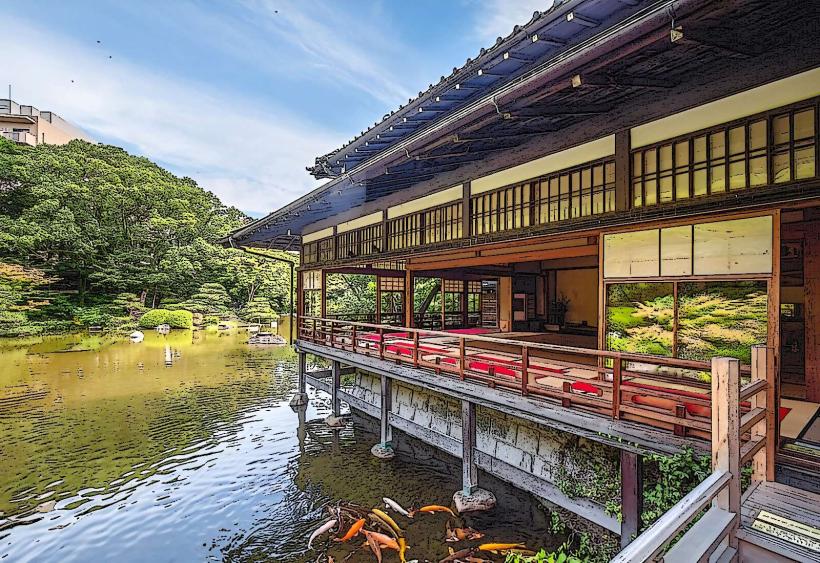
- Visitors can take a leisurely stroll through the shrine grounds, which are beautifully landscaped and feature tranquil areas surrounded by trees. The sacred camphor trees provide peaceful spots to reflect or simply relax.
2. Purchase Omamori (Amulets) and Ema (Wooden Plaques)
- Like many Shinto shrines in Japan, Kushida Shrine sells omamori (protective amulets) and ema (wooden plaques) where visitors can write down their prayers or wishes. These are commonly bought as souvenirs or for personal blessings.
3. Participate in Shrine Rituals
- Visitors to Kushida Shrine can also participate in traditional Shinto rituals, such as making offerings, praying at the haiden, and receiving blessings from the priests. You can also take part in the shrine’s seasonal ceremonies, including the New Year's blessings (hatsu-moude).
4. Enjoy the Festivities during the Yamakasa Festival
- If visiting in July, you can experience the Hakata Gion Yamakasa Festival. During this time, the shrine becomes even more lively, with special events, the blessing of the floats, and various street performances. The atmosphere is charged with excitement, and visitors can enjoy the vibrancy of this local tradition.
5. Relax and Enjoy the Atmosphere
- The peaceful surroundings of Kushida Shrine make it an ideal place to escape the hustle and bustle of the city. The natural beauty, combined with the serene atmosphere, creates a tranquil setting perfect for contemplation or relaxation.
6. How to Get to Kushida Shrine
- By Subway: The easiest way to reach Kushida Shrine is by subway. Take the Fukuoka City Subway and get off at Hakata Station (on the Kuko Line or Hakata Line). From there, it's just a 10-minute walk to the shrine.
- By Bus: Several bus routes from Tenjin and Hakata Station pass by the shrine, making it easy to get there by public transport.
- By Taxi: A taxi from Hakata Station to Kushida Shrine takes about 5 minutes.
7. Best Time to Visit Kushida Shrine
- Hakata Gion Yamakasa Festival (July): The festival, particularly the 15th of July, is the best time to visit if you want to experience the lively cultural atmosphere and the exciting floats. The shrine is full of energy during this time.
- New Year: The shrine is very popular during the New Year's period (January 1st–3rd), when many locals come to perform the hatsu-moude (first shrine visit of the year) and pray for good luck.
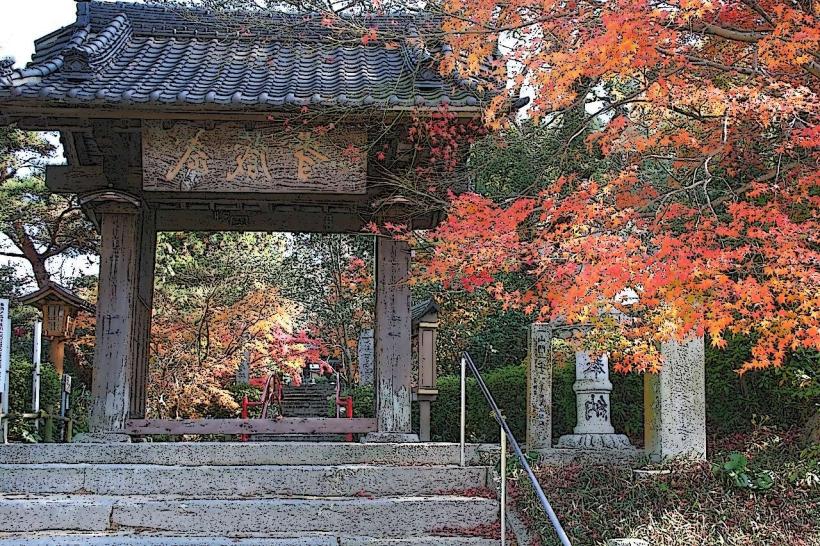
- Spring and Autumn: The shrine is also beautiful during the cherry blossom season (March-April) and autumn foliage (October-November), when the grounds are especially picturesque.
8. Conclusion
Kushida Shrine is a cultural and spiritual gem in Fukuoka, offering visitors the chance to explore the traditions of Shintoism, witness lively festivals, and experience a peaceful respite from the city’s hustle and bustle. With its deep historical significance, connection to the Hakata Gion Yamakasa Festival, and tranquil grounds, Kushida Shrine is a must-see for anyone visiting Fukuoka.